
The best commercial scent diffuser is the one that fits your installation, operating schedule and service plan. Compare candidates on the same basis before choosing equipment for a new project or replacing an existing system.
Treat installation, operating requirements and service access as pass / fail conditions. Compare the remaining candidates against your project priorities; a high advertised coverage figure cannot compensate for an unsuitable connection or control method.
Map the zones and intended air route. Decide whether the device can be serviced and powered where it needs to operate, then identify the required schedule and control functions.
Request the exact variant and an equivalent quotation scope from each supplier. Normalize oil, output mode and test conditions before comparing performance or recurring cost.
Record the current mounting, power supply, connector, oil requirements and staff workflow. Check each interface independently; a similar-looking replacement does not establish compatibility.
Use the focus buttons to highlight relevant rows in the comparison below. Every specification remains visible; the focus is a review aid, not a product score.
Balanced review: confirm mandatory fit first, then compare performance, service workload and commercial terms.
Ask for the source and test conditions behind each specification. An exact model name, test date and operating setting make a comparison traceable; a marketing label such as “smart” or “large area” does not.
| Comparison item | Match these conditions | Record for each candidate |
|---|---|---|
| Coverage | Area together with ceiling height, or volume; ventilation, open doors and output setting | Rated units, test method and distribution observed at occupied points |
| Oil use | Same compatible oil, schedule and spray / pause cycle | Measured ml per operating day; whether the datasheet rate is continuous or cycle-averaged |
| Noise | Same measurement distance, operating mode, mounting and background conditions | Measured value if supplied, plus observations at reception desks or seating |
| Power & recovery | Supply voltage, battery / backup configuration and permitted duty cycle | Tested operating schedule and behaviour after a power interruption |
| Control | Local buttons, Bluetooth, Wi-Fi, schedules and required network access | Functions demonstrated on the exact variant; off-site / multi-device operation only where supported |
| Refill & maintenance | Usable oil volume, access route and the manufacturer’s procedure | Time for refilling, approved cleaning method and parts / consumables |
| Delivered scope | Same quantity, accessories, shipping scope and support period | Written inclusions, warranty terms and model-specific documents |
Compare m² and m³ only with the necessary room-height context. Nominal reservoir size is a service-planning input, not a coverage rating. If a field is missing, request comparable evidence before treating it as equivalent.
For a shared, suitable air-distribution route, evaluate duct-connected equipment with the installer. For an individual or disconnected zone, evaluate local placement. A mixed building may need both approaches.
Connection compatibility, the intended airflow route and fan-operation coordination come before a headline coverage figure. When comparing the best HVAC scent diffusers for a shortlist, include the exact adapter, tubing, operating conditions and service access in the proposed setup.
A standalone device can complement a duct-connected system in a zone outside the shared route. Compare the complete layout rather than forcing one equipment type to serve every room.
| Decision | HVAC-connected path | Standalone path |
|---|---|---|
| Distribution route | Approved duct connection and target air route must be established | Local position and airflow determine the zone to assess |
| Installation | Include connection hardware and installation work | Include mounting, floor / surface space and supply access |
| Operation | Confirm the approved relationship with fan operation | Confirm the local schedule, output and occupied-point experience |
| Servicing | Check access to the equipment and oil supply | Check refill and maintenance access in the occupied space |
| Best reason to shortlist | Suitable shared route and feasible integration | Independent zone or practical local installation |
Compare the operating mechanism and oil instructions, not the name alone. Waterless air-pump designs and water-based ultrasonic designs involve different refill and cleaning workflows.
The commercial paths described here use fragrance-oil equipment. Confirm the approved oil, output setting and cleaning procedure for the exact model; do not assume that every essential oil or cleaning fluid is compatible.
A water-based ultrasonic design uses a vibrating element with water and the specified oil addition. Compare water filling, tank cleaning, operating limits and local placement against the workload your staff can support.
A cool visible mist does not identify the mechanism. Waterless operation alone does not establish HVAC suitability, safety certification or a universal performance advantage.
Define the same scenting requirement, operating days and assessment period for every candidate. Include the staff workload and installed configuration, not just the initial device price.
| Cost / workload | Comparison method | Useful trial record |
|---|---|---|
| Fragrance oil | Measured daily oil use × operating days × quoted cost per ml | Oil identity, settings and actual operating period |
| Refilling | Refill frequency × staff time per visit | Usable fill range, access route and time required |
| Cleaning & parts | Approved maintenance tasks, parts and service arrangements | Procedure used, staff time and confirmed parts availability |
| Energy / batteries | Consumption or replacements at the intended schedule | Model power data or tested battery schedule |
| Installation & support | Device count, mounts / HVAC accessories, labour and agreed support | Same installed scope and written support terms |
A larger reservoir may reduce refill frequency, but an awkward service position can increase labour. Check whether staff can reach the fill point, remove the relevant parts and follow the manual without disrupting the space. Log the actual time during a representative trial.
An hourly rate during continuous spraying is different from average use across a spray / pause cycle. Use measured daily consumption at the proposed settings to compare recurring costs; if using an estimate, label the rate and schedule assumptions in your worksheet.
Verify the exact variant before the purchase order. Confirm that the sample, quotation, documentation and delivered equipment describe the same hardware and control arrangement.
Use these source pages to build a shortlist. The equipment paths below are candidates with different installation and service questions; they are not a ranked list or a promise of fit for a particular building.
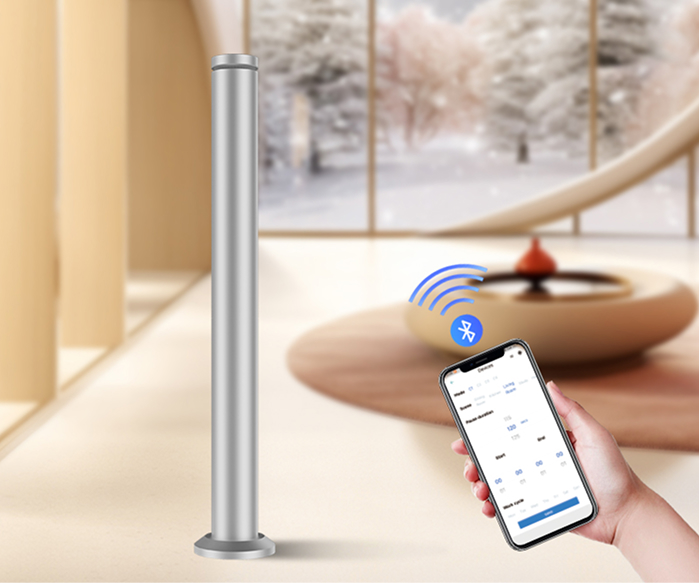
Consider this standalone path when floor placement and local Bluetooth control suit the zone. Request the exact power, output and maintenance details before comparing operating cost.
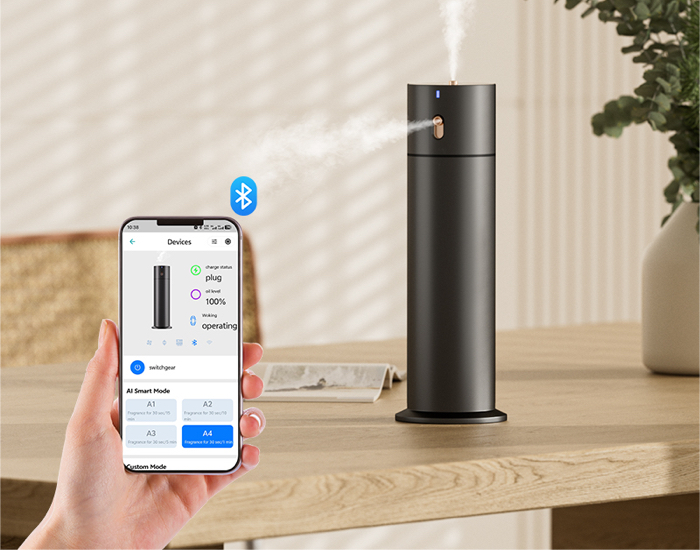
Review K28S in the solution pageConsider the compact path where placement or outlet access matters. Check plug-in use versus the battery option at the proposed schedule, then compare refill access and noise.
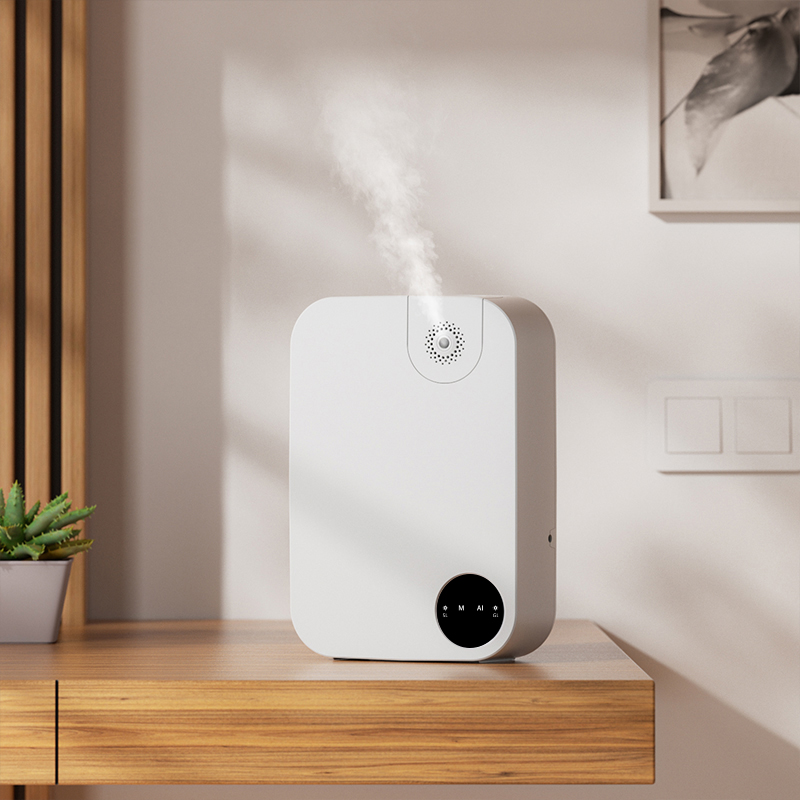
Review K10S in the solution pageConsider the wall or desktop path for an individual reception or store zone. Review the mounting and control instructions and obtain a consistent variant datasheet.
View J39S product listingReview this listing for a proposed duct connection. Check the exact model, installation accessories and fan / airflow conditions before comparing it with standalone equipment.
Review this equipment listingReview this listing when evaluating app-based adjustment for an open commercial zone. Confirm the exact installation and network functions; an app label alone does not establish remote group control.
Review this equipment listingNeed a different equipment format for your shortlist?
Browse the existing product catalogueShare the shortlist, mandatory conditions and comparison priorities. RAMOND can discuss the candidate configuration, documentation and quotation requirements for your project.
Prepare: market · zone area, height and airflow · installation and power · operating schedule · control requirements · maintenance access · quantity · sample and branding needs.