Fragrance development for product ranges

How To Blend Essential Oils

We synchronize the scent story with its delivery format, packaging direction and launch requirements. For How To Blend Essential Oils, the priority is sensory target, starting structure, version control, rest time, evaluation conditions and intended use, leading to a controlled sampling process with comparable versions and useful evaluation notes.

structured blend-development planningfragrance brief, commercial assessment record and range-development handoffOEM and project support
How To Blend Essential Oils for B2B aroma projects

Project foundation

How We Develop How To Blend Essential Oils for B2B Buyers

Our work on How To Blend Essential Oils begins with sensory language that a development team can use. We clarify what should be noticed first, how the middle should connect, what should remain in the finish and where the aroma will be experienced.

This project direction serves new product teams, sourcing managers and brands preparing a clear supplier brief. Our role is to turn their priorities into fragrance brief, commercial assessment record and range-development handoff, with clear checkpoints for commercial assessment, deployment fit and the information needed before ordering. For How To Blend Essential Oils, we include this work in the project scope, sample decision and commercial handoff.

Project workflow

Our Working Sequence for How To Blend Essential Oils

Confirm the range role

We synchronize the selected How To Blend Essential Oils direction with packaging, launch timing and future assortment plans. This stage supports a controlled sampling process with comparable versions and useful evaluation notes.

Write the scent direction

We capture the audience, use moment, note family, contrasts and exclusions for How To Blend Essential Oils. This stage supports a controlled sampling process with comparable versions and useful evaluation notes.

Organize sample versions

We give each How To Blend Essential Oils direction a clear evaluation role and revision record. This stage supports a controlled sampling process with comparable versions and useful evaluation notes.

Test in context

Your team reviews How To Blend Essential Oils using the intended setting or delivery method under consistent conditions. This stage supports a controlled sampling process with comparable versions and useful evaluation notes.

Decision framework

Turning How To Blend Essential Oils Priorities Into Decisions

We keep creative, technical and commercial decisions visible to the same project team.

1

Use environment

Evaluate room volume, airflow, contact route, storage and the people who will encounter the fragrance. For How To Blend Essential Oils, we coordinate this point against documented small-batch blend development so the team can move toward a controlled sampling process with comparable versions and useful evaluation notes.

2

Safety basis

Check supplier documentation, intended-use limits and final-product requirements before scale-up. For How To Blend Essential Oils, we document this point against documented small-batch blend development so the team can move toward a controlled sampling process with comparable versions and useful evaluation notes.

3

Aroma objective

Describe documented small-batch blend development with clear sensory and lifestyle language. For How To Blend Essential Oils, we approve this point against documented small-batch blend development so the team can move toward a controlled sampling process with comparable versions and useful evaluation notes.

4

Note balance

Decide what should be noticed first, what should connect the profile and what should remain. For How To Blend Essential Oils, we review this point against documented small-batch blend development so the team can move toward a controlled sampling process with comparable versions and useful evaluation notes.

Dedicated commercial angle

What Makes How To Blend Essential Oils a Distinct Project

The How To Blend Essential Oils concept should be recognizable before a buyer reads a model name or scent name. We achieve that by aligning a stepwise brief, trial, evaluation and revision process with opening, heart and finish organized around a commercial scent story, then testing the result through consistent sample evaluation in the intended application and range distinction built through audience and occasion.

Range position

For How To Blend Essential Oils, the project should preserve a stepwise brief, trial, evaluation and revision process. Our commercial assessment asks whether the proposed direction delivers that priority in the intended setting.

Buyer handoff

The buyer-specific value of How To Blend Essential Oils comes from opening, heart and finish organized around a commercial scent story. We use it to shape comparison criteria, revision feedback and final range positioning.

Operating detail

Buyers can separate How To Blend Essential Oils from nearby options by concentrating on consistent sample evaluation in the intended application. We make that distinction visible in the brief and approval record.

Primary distinction

The commercial story behind How To Blend Essential Oils becomes more precise through range distinction built through audience and occasion. We align the creative wording with practical product and supply decisions.

Related product routes

Device Options to Discuss for How To Blend Essential Oils

We use these product routes to begin the How To Blend Essential Oils discussion. Your application, desired controls, liquid path, branding and service plan determine which configuration moves forward.

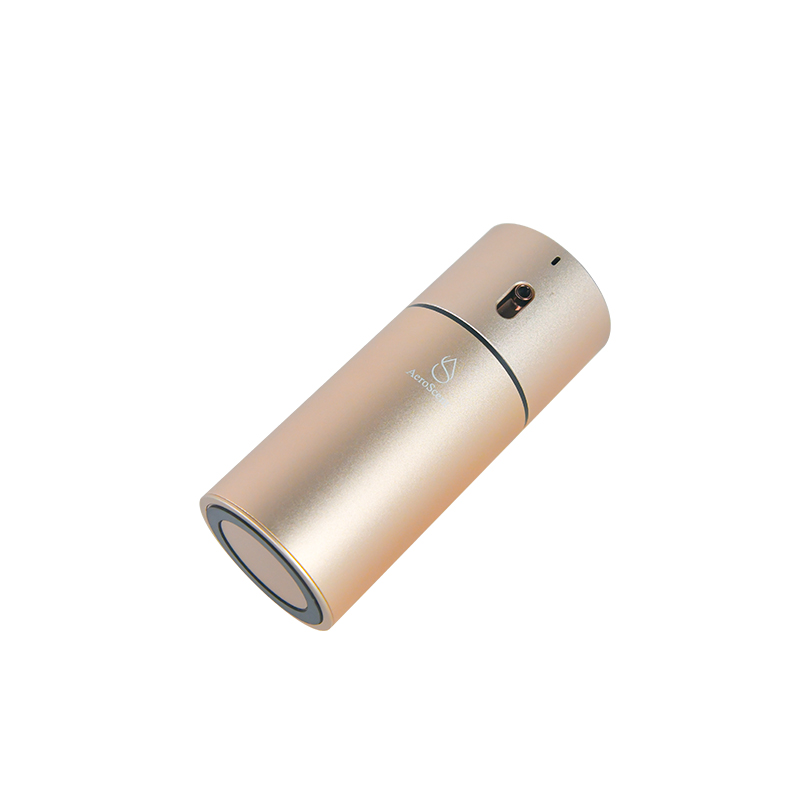
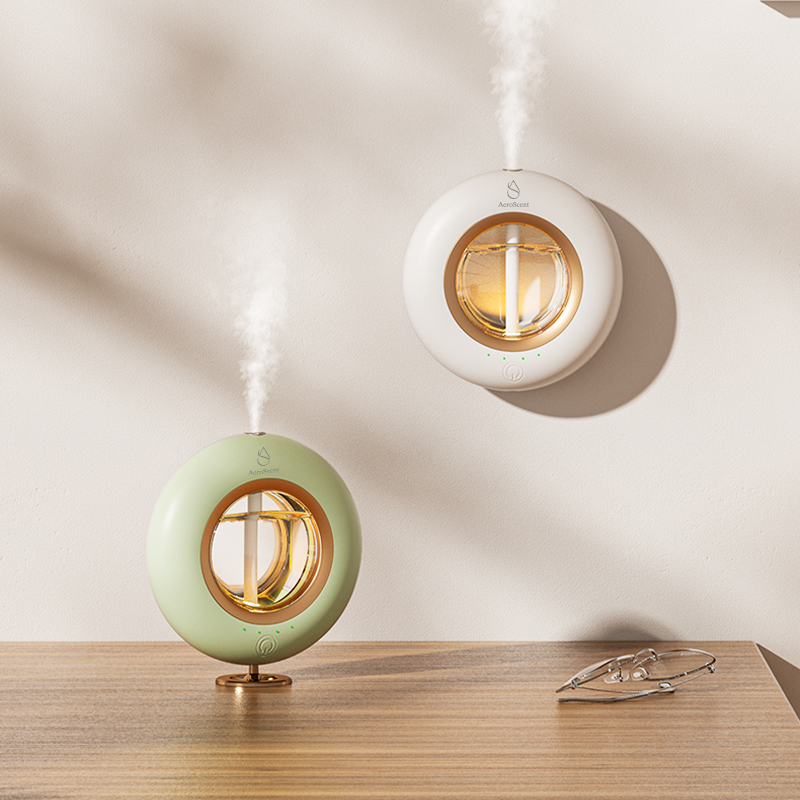
Aero Scent Tabletop APP-Controlled Diffuser for How To Blend Essential Oils

Aero Scent Tabletop APP-Controlled Diffuser

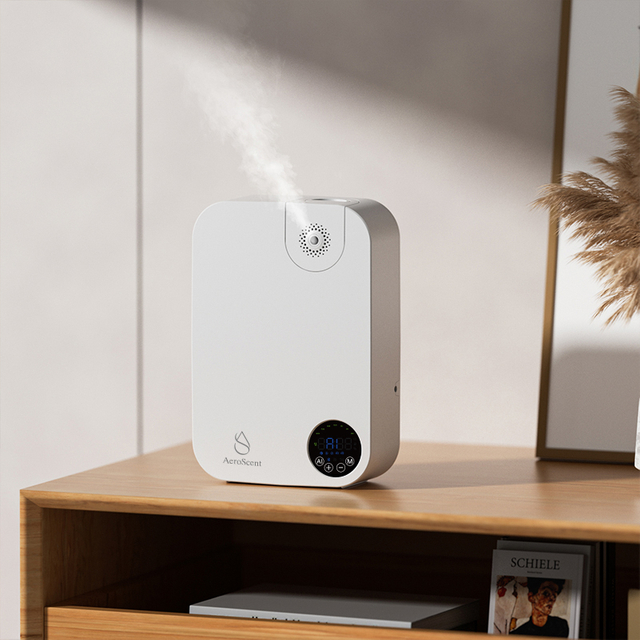
For How To Blend Essential Oils, our Aero Scent Tabletop APP-Controlled Diffuser provides a tabletop format with APP and timing functions for discussing delivery context. We align any fragrance direction with the accepted liquid and deployment routine of the chosen device.

View product details →
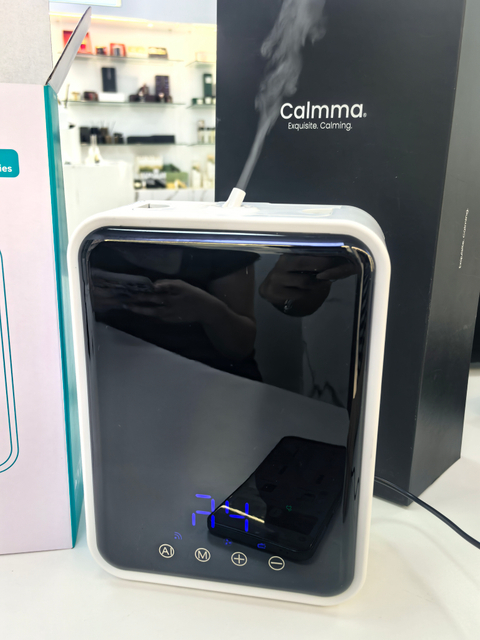
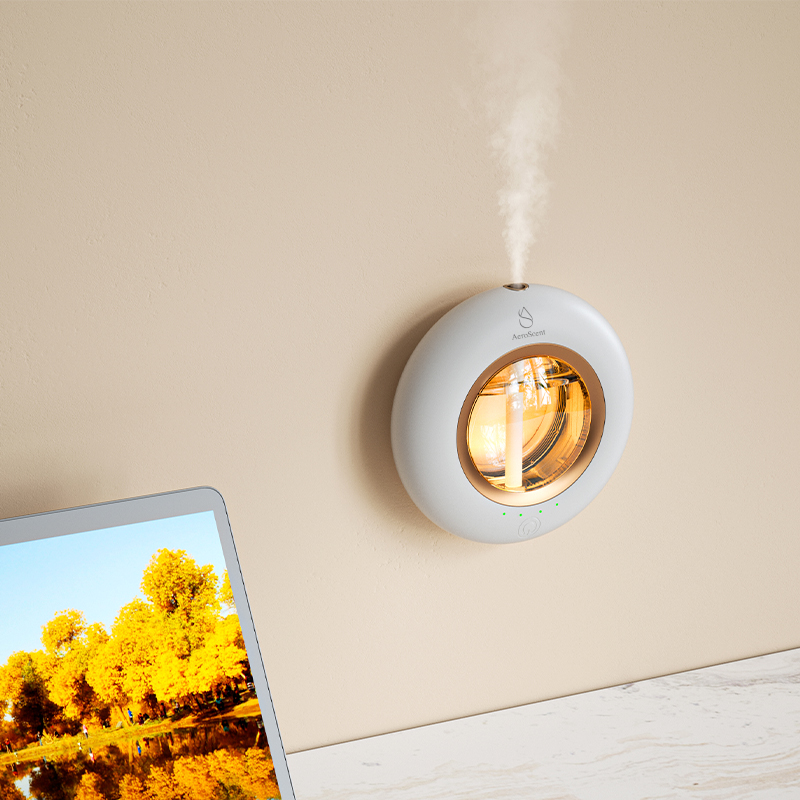
AeroScent WiFi Waterless Aroma Machine for How To Blend Essential Oils

AeroScent WiFi Waterless Aroma Machine

For How To Blend Essential Oils, our AeroScent WiFi Waterless Aroma Machine provides a WiFi-controlled waterless route for wall, home, hotel and desktop settings for discussing delivery context. We align any fragrance direction with the accepted liquid and deployment routine of the chosen device.

View product details →
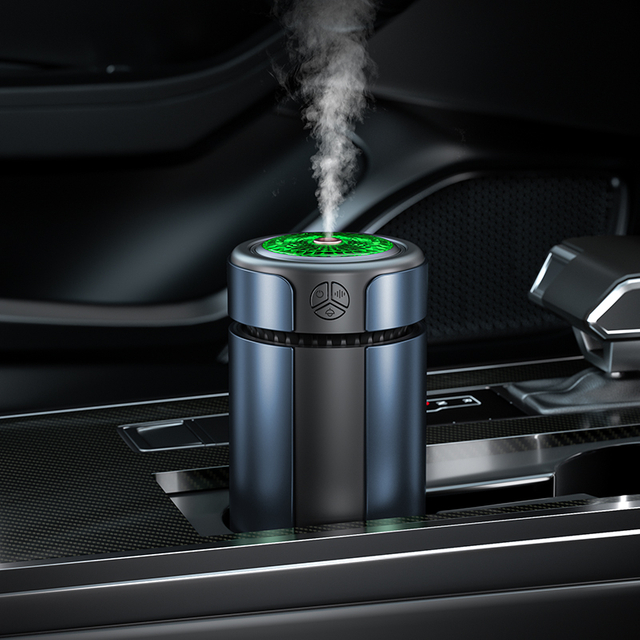
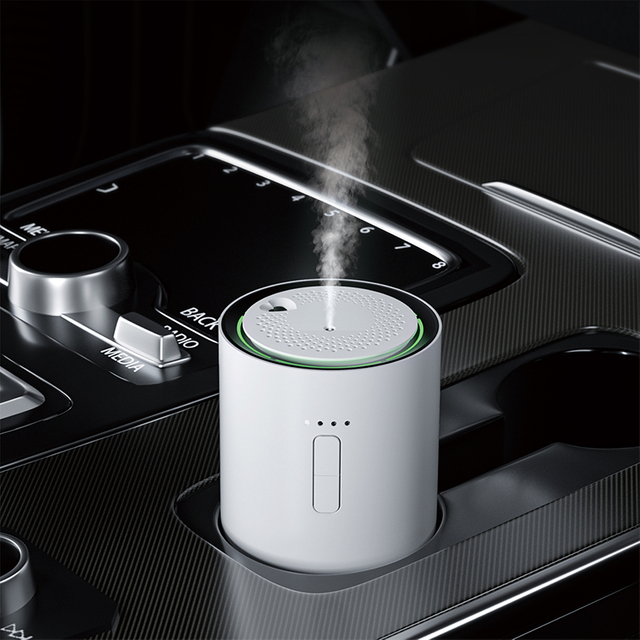
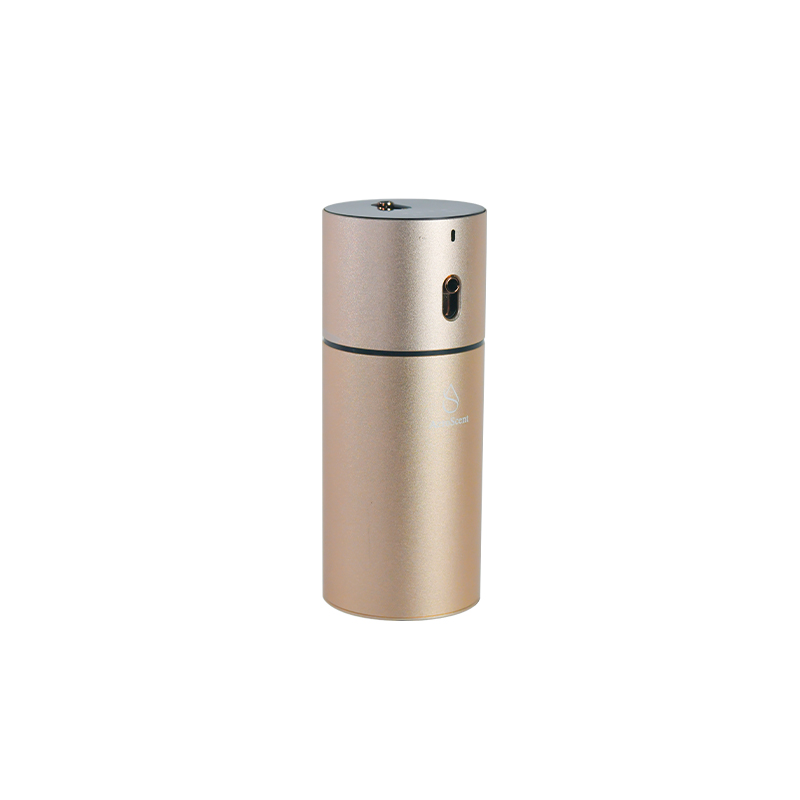
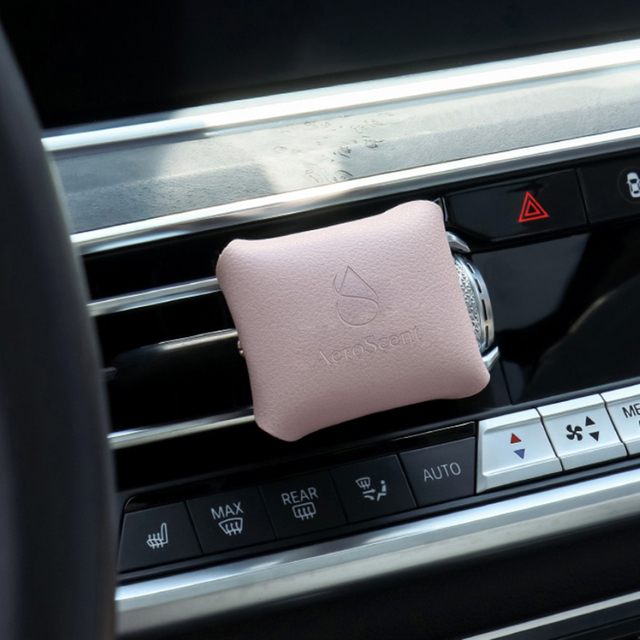
NEWIND Portable USB Rechargeable Smart Car Diffuser for How To Blend Essential Oils

NEWIND Portable USB Rechargeable Smart Car Diffuser

For How To Blend Essential Oils, our NEWIND Portable USB Rechargeable Smart Car Diffuser provides a portable waterless and USB-rechargeable route for vehicle programs for discussing delivery context. We align any fragrance direction with the accepted liquid and deployment routine of the chosen device.

View product details →

Operation and service

Daily Operating Guide for How To Blend Essential Oils

At range handoffConnect the selected scent with packaging, market, launch timing and replenishment. This action is part of How To Blend Essential Oils.Keep the approved direction visible to product and purchasing teams.
Before evaluationConfirm sample code, intended format, test medium, rest period and sensory objective. This action is part of How To Blend Essential Oils.Give every reviewer the same prompts and conditions.
During comparisonDescribe opening, transition, finish, balance and fit with the use moment. This action is part of How To Blend Essential Oils.Compare the sample with the written brief rather than memory alone.
After feedbackSeparate preference comments from changes tied to audience, application or range strategy. This action is part of How To Blend Essential Oils.Request one clear revision direction for the next version.

Quality and continuity

Quality Checkpoints for How To Blend Essential Oils

Keep version records

Name every sample and capture the requested change, perceived result and decision before another iteration begins. We apply this checkpoint to How To Blend Essential Oils before the next commercial stage.

Align the application

Review the aroma direction in the intended product or delivery context instead of assuming one trial represents every format. We apply this checkpoint to How To Blend Essential Oils before the next commercial stage.

Protect range distinction

Check that each approved direction has a clear audience, moment, character and role beside neighboring fragrances. We apply this checkpoint to How To Blend Essential Oils before the next commercial stage.

Use consistent evaluation conditions

Compare versions with the same medium, timing, setting and reviewer prompts so sensory notes remain useful. We apply this checkpoint to How To Blend Essential Oils before the next commercial stage.

Buyer alignment

Buyer Roles Around How To Blend Essential Oils

We support new product teams, sourcing managers and brands preparing a clear supplier brief with a shared brief and defined approval points.

Hospitality and space programs

Define the desired atmosphere, delivery equipment, zone conditions and replenishment plan before selecting a direction. For How To Blend Essential Oils, we adapt this workstream to documented small-batch blend development.

Distributors and sourcing teams

Use a consistent brief and evaluation record to compare samples and communicate decisions across markets. For How To Blend Essential Oils, we adapt this workstream to documented small-batch blend development.

Fragrance and lifestyle brands

Translate brand values into an aroma family, sample language and a collection structure customers can recognize. For How To Blend Essential Oils, we adapt this workstream to documented small-batch blend development.

Adjustment guide

Common Operating Questions Around How To Blend Essential Oils

Reviewer comments conflictUse shared sensory prompts and separate personal preference from market requirements. We review this condition within How To Blend Essential Oils.We turn feedback into one prioritized revision instruction.
The format changesRestart the application discussion when the concept moves between diffusion, body, candle, soap, perfume or spray. We review this condition within How To Blend Essential Oils.We align the next sample path with the newly requested product scope.
The opening dominatesReview the lead-note role, proportion direction and evaluation timing. We review this condition within How To Blend Essential Oils.We revise one part of the scent brief while keeping the application goal stable.
The aroma feels flatAdd contrast between the opening, heart and finish instead of adding unrelated directions. We review this condition within How To Blend Essential Oils.We return to the desired audience and use moment before the next sample.

Customization and brand fit

How We Personalize a How To Blend Essential Oils Program

For How To Blend Essential Oils, we turn brand language into a structured aroma brief and a practical sample conversation. Each option should have a role in the range and a clear reason for the buyer to approve or revise it.

  • Brand and audience language for How To Blend Essential Oils
  • Scent-family and note-direction brief for How To Blend Essential Oils
  • Application and sample-review method for How To Blend Essential Oils
  • Packaging and collection architecture for How To Blend Essential Oils
  • Launch market and replenishment planning for How To Blend Essential Oils
How To Blend Essential Oils customization and project support

Requirements checklist

Commercial Decisions Behind How To Blend Essential Oils

WorkstreamWhat we discussCommercial value
Commercial directionPackaging, labeling inputs, launch timing, destination and range role for How To Blend Essential OilsPrepares the concept for a buyer decision within our structured blend-development planning process.
Sensory targetOpening impression, heart, finish, contrasts and exclusions for How To Blend Essential OilsGives every sample the same creative goal within our structured blend-development planning process.
Intended useDiffusion, room format, personal format or another product route for How To Blend Essential OilsDirects material and application assessment within our structured blend-development planning process.
Audience and momentUser profile, room context, season, routine and desired atmosphere for How To Blend Essential OilsKeeps the scent connected to market fit within our structured blend-development planning process.
Sample controlVersion code, date, evaluation medium, rest time and reviewer notes for How To Blend Essential OilsMakes revisions comparable and traceable within our structured blend-development planning process.
How To Blend Essential Oils configuration

Configuration logic

Five Decisions That Organize How To Blend Essential Oils

  • Describe How To Blend Essential Oils with sensory words, reference families and explicit directions to avoid.
  • State the intended application for How To Blend Essential Oils before sample development begins.
  • Use version codes and consistent evaluation conditions when comparing How To Blend Essential Oils samples.
  • Connect How To Blend Essential Oils with the packaging, range name, target market and launch window early in the project.
  • Record the approved sensory direction for How To Blend Essential Oils so future range decisions stay aligned.
A strong How To Blend Essential Oils configuration reduces ambiguous comparisons and helps creative, operating and purchasing teams approve the same direction.

Technical and operational fit

Connecting Product and Environment for How To Blend Essential Oils

Our development review for How To Blend Essential Oils treats note balance, concentration direction, evaluation medium and rest time as connected choices. A sample should be assessed under the same conditions each time so the team can describe changes consistently.

For How To Blend Essential Oils, the intended application remains central. Room diffusion, personal formats, candles, soap, perfume and sprays follow different product-development paths, so we align the fragrance brief with the requested scope before commercial sampling.

How To Blend Essential Oils technical and operational fit

Visual and spatial direction

Connecting Space and Scent in How To Blend Essential Oils

How To Blend Essential Oils visual direction one
We synchronize the visual mood around How To Blend Essential Oils with scent family, audience, use moment and the role of the fragrance within the range.
How To Blend Essential Oils visual direction two
This second direction helps us compare how How To Blend Essential Oils should open, develop and finish in its intended delivery context.

Application planning

Application Scenarios That Shape How To Blend Essential Oils

Final-format handoff

Give the formulator or supplier the exact intended use so the blend is not treated as universally interchangeable. In our How To Blend Essential Oils plan, we synchronize this scenario with packaging story and range role before the application route is approved.

Controlled scent strip review

Compare trial versions side by side before introducing room airflow or a delivery device. In our How To Blend Essential Oils plan, we synchronize this scenario with sensory target and audience before the application route is approved.

Compatible diffuser trial

Test only in a device that permits the intended liquid and begin at a restrained output setting. In our How To Blend Essential Oils plan, we synchronize this scenario with delivery method and intensity before the application route is approved.

Room-context check

Observe how furniture, ventilation and background odors change the perceived balance. In our How To Blend Essential Oils plan, we synchronize this scenario with evaluation conditions and reviewer notes before the application route is approved.

Frequently asked questions

B2B Questions About How To Blend Essential Oils

Can the same how to blend essential oils direction be used in every format?

Each intended format for How To Blend Essential Oils needs its own development discussion. Diffusion, personal products, candles, soap, perfume and room spray involve different materials, use conditions and product requirements.

How can how to blend essential oils stand apart in a crowded range?

Give How To Blend Essential Oils a defined audience, occasion, lead character, contrast and finish. We also compare its role beside neighboring fragrances so the assortment does not rely on name changes alone.

What packaging information helps with how to blend essential oils?

For How To Blend Essential Oils, share pack type, fill and closure direction, label space, brand assets, destination, sales channel and collection timing. These inputs connect the scent decision with commercial presentation.

What should we send before discussing custom how to blend essential oils?

Send the brand story, target customer, aroma references, directions to avoid, application, packaging idea, schedule and approximate purchasing context for How To Blend Essential Oils. Our commercial group will organize the next discussion from those details.

How do we brief how to blend essential oils for commercial development?

Describe the audience, use moment, desired scent family, opening, heart, finish, exclusions, intended application, packaging and launch role for How To Blend Essential Oils. We use those inputs to structure the sample discussion.

Can how to blend essential oils be developed for a private-label range?

We can discuss a private-label direction for How To Blend Essential Oils around brand position, range architecture, application, packaging and purchasing needs. The first step is a concise sensory and commercial brief.

How should our commercial group evaluate how to blend essential oils samples?

Review How To Blend Essential Oils with consistent sample codes, timing, medium, environment and sensory prompts. Record what should remain, what should change and how the option fits the target user.

Project enquiry

Move How To Blend Essential Oils Into a Commercial Discussion

Tell us about How To Blend Essential Oils, including sensory target, starting structure, version control, rest time, evaluation conditions and intended use. Our commercial group will use the information to focus the next product, fragrance or project workshop.

  • Commercial assessment team
  • Brand and target audience
  • Scent direction and exclusions
  • Intended application
  • Packaging and launch timing

Discuss How To Blend Essential Oils With Us

We can review your priorities, related product route, customization direction and the next practical step for this B2B aroma project.

Give How To Blend Essential Oils a clear audience and application, then move through structured commercial assessment.

We support new product teams, sourcing managers and brands preparing a clear supplier brief in moving from an initial brief to a controlled sampling process with comparable versions and useful evaluation notes. For How To Blend Essential Oils, we include this work in the project scope, sample decision and commercial handoff.