
Tracy Phone:+86-18015583589 Tracy Email:tracy@ramon-aroma.com Grace Phone:+86-15152466145 Grace Email:grace@ramon-aroma.com


Views: 0 Author: Site Editor Publish Time: 2026-08-15 Origin: Site


The primary limitation of traditional aromatherapy is the physical tether to wall outlets, restricting scent dispersion to fixed, often suboptimal locations. Inconsistent aromatherapy routines and spatial constraints across cars, office desks, and bathrooms lead to the underutilization of essential oils. Cord clutter introduces aesthetic and safety issues in active spaces, limiting where and how you can experience therapeutic scents. Transitioning to cordless solutions resolves these spatial and environmental limitations entirely. By analyzing battery capacity, diffusion mechanisms, and auxiliary features, you ensure you select the best rechargeable essential oil diffuser for your specific daily needs. This technical evaluation process guarantees you find a device that delivers consistent, mess-free scent dispersion without sacrificing output quality, hardware longevity, or the chemical integrity of your oils.
Aromatherapy has transitioned from fixed residential corners to highly dynamic environments. Users now expect seamless scent experiences in workspaces, vehicle cup holders, and outdoor patios. A standard five-foot AC adapter cord limits placement to kitchen counters or bedside tables. You cannot safely run an extension cord across a living room floor just to scent a coffee table. A wireless diffuser allows for targeted, localized scenting. You no longer need to saturate an entire home just to enjoy a specific aroma at your desk. This localized approach maximizes the efficiency of your essential oils and prevents overwhelming shared spaces.
Moving a device from the kitchen counter to the living room coffee table becomes a one-handed operation. You can bring focus-enhancing scents like peppermint to your home office during the day. Later, you can carry the exact same device to the bedroom with lavender for sleep support. This mobility ensures your aromatherapy routine adapts to your daily schedule rather than forcing you to adapt to the physical limitations of the hardware. When you place a unit in a vehicle cup holder, the base must fit a standard 2.75-inch diameter, a specification many portable units now meet by design.
Eliminating tripping hazards transforms how we arrange our living spaces. Unsightly cord clutter on countertops disappears, leaving a clean, minimalist aesthetic. Battery-operated units offer distinct safety advantages around pets and children. Curious pets cannot pull a cordless device off a high shelf by snagging a dangling wire. This prevents accidental water spills, ruined electronics, and potential hardware damage to the internal oscillating discs.
These devices eliminate the fire risks associated with open-flame candles. They also avoid the soot, smoke, and particulate matter generated by traditional incense. This protects your indoor air quality while still providing robust scent profiles. A cordless unit provides peace of mind in high-traffic areas or homes with active toddlers. You can place the unit exactly where the scent is needed most, such as the center of a dining table, without worrying about routing a power cable safely.
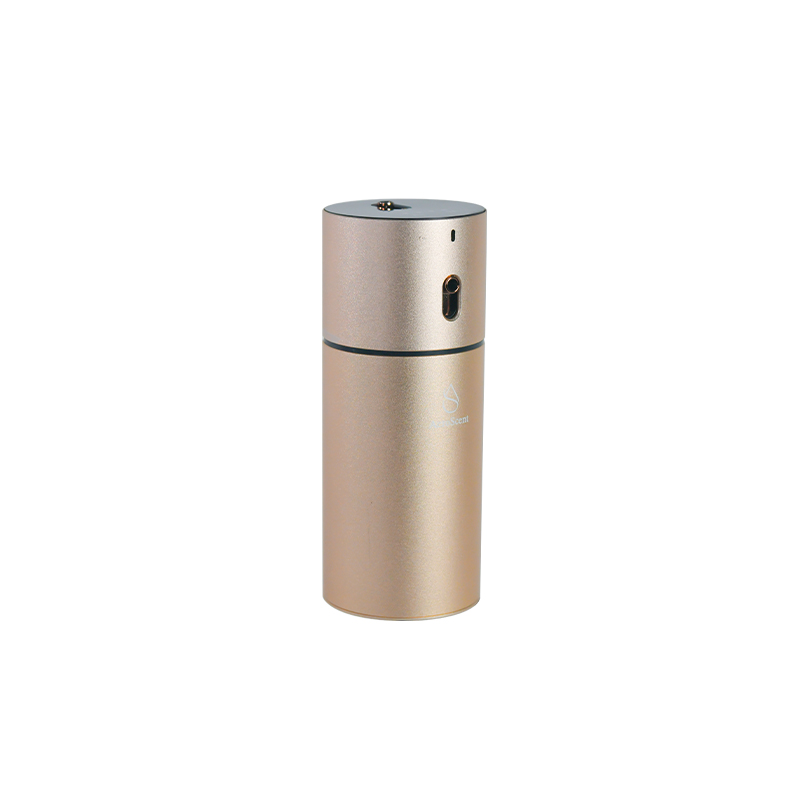
Ultrasonic units use water and high-frequency vibrations to disperse a fine mist. A small ceramic disc at the base of the water reservoir vibrates rapidly, typically at a frequency of 2.4 MHz. This rapid vibration creates a cavitation process, breaking essential oils and water into micro-particles smaller than 5 microns. They operate entirely without heat. This cold-mist process preserves the therapeutic properties and chemical integrity of the essential oil, preventing the oxidation that occurs with heat-based warmers.
These devices function as micro-humidifiers, adding a slight amount of moisture to the immediate air space. They operate with near-silent acoustics, making them ideal for bedside use or quiet office environments. They also use less essential oil per session compared to other methods. Five to ten drops can last for several hours when mixed with a full 100ml water reservoir. The mist output is visible, providing a calming visual aesthetic alongside the olfactory benefits.
However, ultrasonic models require access to clean water for every single use. This introduces the risk of water spills during transit, especially in moving vehicles. They also require regular descaling. Minerals from tap water, particularly calcium and magnesium, build up on the vibrating ceramic disc. This calcification hinders performance over time, reducing the mist output and eventually causing hardware failure if left uncleaned.
To maintain an ultrasonic unit, follow these specific steps:
Nebulizers use pressurized air to atomize pure essential oils. They rely on fluid dynamics, specifically Bernoulli's principle, to pull oil directly from the bottle into a micro-fine vapor. A high-velocity air stream creates a low-pressure zone at the top of a capillary tube, drawing the oil upward. The oil is then blasted against a glass or plastic surface, atomizing it into particles that are pushed out into the room. No water or heat is involved in this process.
This technology creates zero water mess. Scent dispersion is highly concentrated and immediate. You experience the pure, undiluted aroma of the oil instantly upon powering the device. They are ideal for true travel or car use because there is no water reservoir to spill during sharp turns or sudden stops. You simply screw the standard 10ml or 15ml essential oil bottle directly into the device's nozzle assembly.
The primary trade-off includes a significantly higher rate of essential oil consumption. Because the oil is undiluted by water, you will empty bottles much faster. Motor operation is slightly louder due to the internal air pump required to generate the pressurized air stream. They also demand stricter cleaning requirements. Thick, resinous oils can easily clog the delicate micro-tubes inside the unit, requiring frequent solvent flushes.
| Feature | Ultrasonic Rechargeable | Waterless Nebulizing |
|---|---|---|
| Operating Mechanism | High-frequency ceramic disc vibration (2.4 MHz) | Pressurized air atomization (Bernoulli's principle) |
| Routine Maintenance | Weekly descaling with white vinegar | Bi-weekly flushes with 90% isopropyl alcohol |
| Spill Risk Factor | High (contains a 50ml - 150ml water reservoir) | Zero (draws directly from the sealed oil bottle) |
| Oil Consumption Rate | Low (5-10 drops per 4-hour session) | High (1-2ml per hour of continuous operation) |
| Acoustic Profile | Near-silent (faint water trickling sound) | Noticeable hum (internal air pump vibration) |
Lithium-ion (Li-ion) batteries define the utility and lifespan of any portable device. We recommend battery capacities ranging from 1200mAh for compact, personal-space units to 4000mAh for heavy-duty models intended for larger rooms. A standard 1200mAh 18650 lithium-ion cell typically supports two to four hours of continuous mist output. A larger 4000mAh battery pack can last several days when utilized exclusively on intermittent timer settings.
Charging standards matter immensely for daily convenience and hardware compatibility. USB-C offers universal charging compatibility, allowing you to use the same cable that charges your modern smartphone or laptop. Avoid devices with proprietary barrel jacks; losing that specific cable renders the entire device useless. Look for devices that support standard 5V/1A or 5V/2A inputs. Fast-charging capabilities reduce downtime between uses, allowing a fully depleted 2000mAh battery to reach 100% in under two hours.
Realistic run times vary heavily based on your specific usage patterns and environmental factors. Continuous operation typically yields three to six hours before the internal voltage drops below the operating threshold. Intermittent operation can stretch battery life up to 15 or 20 hours. Managing these power settings is the primary method for integrating the device into your daily routine without constantly searching for a wall outlet.
Run and rest cycles hold significant physiological importance in aromatherapy. They actively combat olfactory adaptation, commonly known as nose blindness. When exposed to a constant scent, your olfactory bulb quickly becomes saturated and stops sending signals to your brain. You stop smelling the oil after 15 to 20 minutes, even though the physical particles are still heavily concentrated in the air.
Short bursts of diffusion maximize efficiency and bypass this biological response. Diffusing for just 15 minutes leaves a lasting essential oil scent in a standard room for hours. This maximizes the efficacy of a portable diffuser. It prevents you from wasting expensive essential oils and draining battery power on a scent profile you can no longer consciously detect.
Devices offering customizable intervals stretch battery life significantly while maintaining optimal scent levels. Settings like 10 seconds on and 60 seconds off are highly effective for nebulizers. They manage scent intensity perfectly in small, enclosed spaces like cars or half-bathrooms. This precise control prevents overwhelming the room with heavy aromas, which can lead to headaches or respiratory irritation.
Multiple mist settings adapt the device to different environmental volumes. High and low output controls allow seamless transitions between spaces. You need a low setting for a small car cabin to prevent the scent from becoming overpowering. Conversely, you need a high setting to push the mist across a larger open-plan office or living room. The internal fan speed dictates how far the mist travels before dissipating.
Ambient light settings add visual appeal to the device, often serving a dual purpose as a nightlight. Many units offer color-changing LEDs or warm white illumination. However, a stealth mode is absolutely required for practical daily use. The ability to completely disable all lights conserves battery life, extending your run time by up to 30% depending on the LED wattage.
Disabling lights also supports proper sleep hygiene. When used on a nightstand, even a small, blinking LED indicator can disrupt circadian rhythms and melatonin production. The best devices allow you to run the diffusion mechanism continuously while keeping all visual indicators completely dark.
Material integrity prevents long-term degradation of the device. Seek medical-grade, BPA-free polypropylene (PP) plastics or robust aluminum housings. Essential oils, particularly citrus oils containing high levels of d-limonene like lemon, grapefruit, and sweet orange, act as natural solvents. They will literally eat through cheap polystyrene or ABS plastics over time, causing structural leaks and internal hardware failure.
Spill-proof locking mechanisms are required for mobility. Secure silicone bases prevent the unit from sliding or tipping over on a smooth desk surface. These features are vital for units intended for vehicular or travel use. A tight rubber gasket seal ensures that a sudden stop in your car does not result in a spilled water reservoir ruining your center console.
Set realistic expectations for space scenting based on the physical size of the unit. A compact rechargeable diffuser effectively covers 100 to 250 square feet. This suits personal spaces, cubicles, and vehicles perfectly. The small internal fan simply lacks the CFM (cubic feet per minute) output required to push mist across an entire open-concept living room.
Stationary, corded models can easily cover 500 square feet or more because they draw continuous, high-wattage power from the wall. You must balance the device footprint with its output capabilities. Portable ultrasonic units typically limit water reservoirs to 50ml or 150ml. This smaller size ensures the device remains lightweight, easy to carry, and fits within standard cup holders.
HVAC systems also impact the effective coverage area. A ceiling fan or strong air conditioning vent will disperse the scent faster but dilute its intensity rapidly. Position your portable unit close to your immediate workspace, ideally within three to four feet of your face, for the best results in large, drafty rooms.
Lithium-ion batteries naturally degrade over two to three years of daily charging cycles. A standard cell is rated for 300 to 500 full charge cycles before its maximum capacity drops to 80% of its original rating. You will eventually notice a reduction in maximum run time. Hardware longevity depends heavily on consistent upkeep, keeping the charging port clean, and proper charging habits.
Nebulizers demand more frequent pure oil swaps and deep cleaning to prevent the micro-tubes from clogging. Ultrasonics require lower oil usage but demand higher water-preparation time and frequent descaling. Both technologies require dedicated, consistent maintenance routines to function optimally over years of daily use.
Using highly viscous oils poses a significant risk to the internal hardware of any diffuser. Oils derived from roots, woods, and resins—such as vetiver, sandalwood, cedarwood, and patchouli—are thick and sticky. They can quickly clog the delicate glass or plastic micro-tubes in waterless units. They also leave heavy, stubborn residue on the ceramic discs in ultrasonic reservoirs, which acts as an insulator and stops the vibration.
| Essential Oil Category | Examples | Viscosity Level | Impact on Diffuser Hardware |
|---|---|---|---|
| Citrus | Lemon, Orange, Grapefruit | Very Thin | Can degrade cheap plastics; requires PP material. |
| Floral / Herbaceous | Lavender, Peppermint, Clary Sage | Thin to Medium | Standard operation; minimal residue buildup. |
| Wood / Resin / Root | Sandalwood, Vetiver, Myrrh | Very Thick | High risk of clogging nebulizers; leaves heavy residue. |
Establish a strict maintenance protocol to mitigate this risk. If a nebulizer becomes clogged, follow this exact recovery process:
Blending thick oils with thinner carrier oils or lighter essential oils prevents blockages before they happen. Mix a thick oil like patchouli with a thin citrus oil like lemon before diffusing. This reduces the overall viscosity of the fluid and keeps the internal mechanisms running smoothly without requiring constant alcohol flushes.
Leaving the device fully discharged for extended periods causes premature battery death. Parasitic drain from unused LED features or standby modes also harms battery longevity. Lithium-ion cells prefer to remain partially charged rather than completely empty. Allowing the battery to drop to 0% frequently will permanently damage the cell chemistry.
Follow best practices for lithium-ion care. Charge the device when it reaches 20% depletion rather than letting it die completely. Disable ambient lights when you do not actively need them to reduce the continuous draw on the battery. Unplug the device once it reaches a full 100% charge to prevent heat buildup in the charging circuit.
Avoid extreme temperature exposure. Leaving the unit in a hot car during summer can cause the battery to swell, lose capacity rapidly, or enter thermal runaway. Store the device in a cool, dry place when not in active use, and always remove it from your vehicle if interior temperatures are expected to exceed 90 degrees Fahrenheit.
A: Battery life depends entirely on the internal capacity and your usage settings. A standard 1200mAh battery lasts three to six hours on continuous mode. Using intermittent timer settings and disabling LED lights can extend this run time to 15 or 20 hours before requiring a recharge.
A: Yes, running LED lights constantly will drain the battery much faster. Disabling the lights can extend your diffusion time by up to 30%. Always use stealth mode or turn off the illumination if battery conservation is your primary priority during travel.
A: Most modern units support pass-through charging, allowing you to run the mist output while the device is plugged into a wall outlet. However, doing this constantly generates excess heat, which can slightly degrade the lithium-ion battery lifespan over several years.
A: Ultrasonic diffusers use water and high-frequency vibrations to create a hydrating mist. Waterless nebulizers use pressurized air to atomize pure essential oil directly from the bottle. Nebulizers offer stronger scents with zero water mess, while ultrasonics are quieter and use less oil.
A: You should rinse ultrasonic reservoirs daily and perform a deep vinegar clean weekly to remove mineral scale. Waterless nebulizers should be flushed with rubbing alcohol every two weeks, or immediately after using thick, viscous oils like sandalwood or vetiver.
A: No. Rechargeable diffusers contain lithium-ion batteries. Leaving them in a hot car can cause the battery to degrade quickly, swell, or pose a severe fire risk. Always remove the device from your vehicle during extreme summer temperatures to ensure hardware safety.


