
Tracy Phone:+86-18015583589 Tracy Email:tracy@ramon-aroma.com Grace Phone:+86-15152466145 Grace Email:grace@ramon-aroma.com


Views: 0 Author: Site Editor Publish Time: 2026-06-17 Origin: Site


Stale or sterile commercial environments negatively impact first impressions. They hurt guest retention. They also lower employee morale. Scent often remains the most overlooked dimension of commercial space design. Moving beyond standard residential humidifiers requires a new approach. Commercial scenting demands strategic alignment. You must balance brand identity and facility capabilities carefully.
Investing in a commercial aroma diffuser office hotel strategy forces managers to make crucial decisions. You must evaluate experiential return on investment against strict operational realities. Facility leaders face challenges regarding safety protocols, routine maintenance, and HVAC compatibility.
This guide explores the tangible benefits of commercial scent marketing. We will examine how different diffusion technologies perform in large spaces. You will learn how to establish safety standards, shortlist vendors, and implement a successful pilot test. Master these elements, and you can transform an ordinary building into an immersive, premium environment.
A high-quality office/hotel diffuser directly shifts how people perceive your brand. Scent acts as a powerful psychological trigger. It influences behavior and memory more than visual cues.
Hotels rely heavily on olfactory memory. A signature scent drives brand recall. It encourages repeat bookings naturally. Think about walking into a luxury resort. You immediately smell a distinct, premium fragrance. This shifts the atmosphere instantly.
It transitions a standard lobby into an immersive experience. Guests stop feeling like they are standing in a mere waiting area. They begin to relax. They associate the pleasant aroma with high-end hospitality. We consistently see guests linger longer in properly scented lobbies. They spend more time at the lobby bar. They report higher satisfaction scores upon checkout.
Corporate spaces benefit equally from targeted scenting. We take an evidence-oriented look at fragrance profiles here. Specific scent profiles support sustained focus among employees. They actively combat mid-day fatigue. For example, citrus blends elevate energy levels. Peppermint stimulates mental clarity during long meetings.
Odor remediation presents another massive benefit. Many buildings suffer from distinct, unpleasant smells. You might notice cafeteria odors drifting into workspaces. Older carpets often retain musty scents. An industrial diffuser neutralizes these odors effectively. You achieve this without relying on heavy chemical masking agents. Masking agents often cause headaches. Pure, nebulized oils break down malodors at a molecular level.
You must track specific metrics to prove success. Do not rely on guesswork. Establish clear baselines before turning on your machines.
Best Practice: Always align your scent profile with your visual branding. A dark, moody hotel aesthetic pairs well with leather and cedar notes. A bright, modern tech office pairs better with crisp linen or grapefruit.
Choosing the right hardware dictates your operational success. Residential devices fail in commercial spaces. They lack the necessary power. They also require too much manual intervention.
Traditional water-based diffusers utilize ultrasonic technology. They fail rapidly in commercial settings. First, they introduce excess moisture into the air. This creates significant mold risks near the device. Second, they offer very small coverage areas. Third, staff must refill them constantly. You lose valuable operational efficiency.
Cold-air diffusion offers a vastly superior alternative. It preserves essential oil integrity perfectly. It maximizes square footage coverage effortlessly. The technology uses pressurized air. This process breaks oils into dry micro-particles. The machine uses no water. It uses no heat. The scent remains pure and potent.
You generally choose between standalone units and HVAC-integrated systems. Each serves distinct spatial needs.
| Technology Type | Best Suited For | Primary Advantages | Key Limitations |
|---|---|---|---|
| Standalone / Tower Units | Small-to-medium hotel lobbies, individual conference rooms, leased offices. | High flexibility. Easy to move. No ductwork modifications needed. | Visible physical footprint. Requires manual staff refills. Limited reach. |
| HVAC-Integrated Systems | Multi-floor corporate offices, large resorts, casino floors, expansive retail. | Invisible operation. Consistent centralized distribution. Highly automated. | Requires professional installation. Needs facility manager approval. |
Standalone units work best when you lack central air control. You might lease a single floor in a commercial high-rise. You cannot modify the main HVAC system there. A sleek tower unit solves this problem. It offers high flexibility. You plug it in and set the timer. However, you must account for its visible footprint. Your maintenance staff must also handle manual refills regularly.
HVAC systems represent the gold standard for large-scale deployments. They suit large resorts and casino floors perfectly. They offer entirely invisible operation. The machine attaches directly to your ductwork. It pushes dry mist through the existing ventilation. You achieve consistent, centralized distribution. This method prevents scent pooling. It does require professional installation. You must secure facility manager approval before proceeding.
Deploying scents across large public spaces carries inherent risks. You must prioritize safety above aesthetics. Ignoring compliance leads to complaints and potential liabilities.
Human Resources departments often approach scent marketing with skepticism. They worry about respiratory sensitivities. They must protect employees from asthma triggers. You must address these concerns proactively. You need robust data to alleviate their fears.
The solution lies in rigorous certification. You must source IFRA-certified fragrance oils. The International Fragrance Association sets strict safety standards globally. Ensure your oils remain VOC-compliant. Volatile Organic Compounds degrade indoor air quality. High-quality commercial vendors provide detailed safety data sheets. Share these documents directly with HR. Transparency builds trust.
You must evaluate safety claims rigorously. Protect vulnerable populations in your buildings. Pregnant guests require safe, non-toxic environments. Service animals possess highly sensitive noses. Children touch surfaces frequently.
Many brands use the term "100% natural" as a marketing crutch. Natural does not automatically mean safe for all. Natural extracts contain potent allergens. Essential oils like clove or cinnamon can trigger severe reactions. High-end synthetic blends often provide safer alternatives. Laboratory-designed oils isolate allergens. They remove harmful compounds while maintaining the desired aroma.
Poor maintenance destroys air quality quickly. Establish strict cleaning protocols immediately. You must prevent oil buildup inside HVAC ducts. Cold-air nebulizers produce dry mist, but slight residue can accumulate over years. Schedule quarterly inspections for your ductwork.
Set baseline ventilation requirements prior to installation. Ensure your facility meets standard air exchange rates. A stagnant room traps fragrance. This leads to overpowering scents. Proper airflow dilutes the micro-particles evenly. Check your return air vents regularly. Replace standard HVAC filters according to your usual maintenance schedule.
Common Mistake: Rushing an installation without auditing the HVAC system often leads to disaster. A clogged return vent will trap scent in one hallway, causing immediate complaints.
Buying commercial scent hardware differs entirely from buying retail humidifiers. You enter a long-term partnership with a vendor. You must evaluate their service infrastructure carefully.
Look closely at the Service Level Agreements offered by different vendors. Hardware represents only one part of the equation. You need reliable ongoing support.
Evaluate vendors based on automated oil delivery. Running out of fragrance disrupts your brand experience. The best partners monitor your consumption remotely. They ship refill canisters before you run empty. You should also demand robust machine maintenance clauses. Will they send technicians for annual tune-ups? On-site troubleshooting remains vital. If a machine fails during a major corporate event, you need immediate technical support.
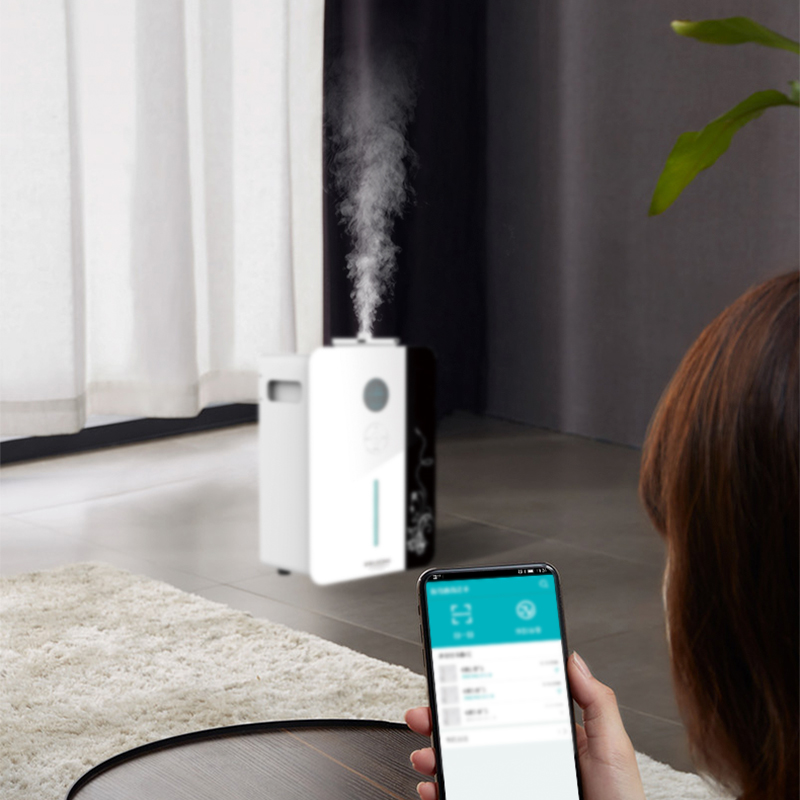
Modern commercial diffusers must feature remote management technology. Do not accept manual dial machines for large deployments. You need Wi-Fi or Bluetooth enabled devices.
Remote systems let you adjust intensity schedules via mobile apps or desktop portals. You can program the machine based on peak foot traffic. For example, a hotel lobby sees heavy traffic during morning check-outs. You can increase the scent output from 8 AM to 11 AM. You can lower it during quiet afternoon hours. Office managers can pause diffusion entirely over the weekend. This saves oil and prolongs machine life.
A structured rollout prevents operational chaos. Never install machines across an entire building simultaneously. You need a phased approach. Gather data, adjust settings, and expand slowly.
Begin with a comprehensive physical assessment. Map out ceiling heights across the target area. High ceilings require higher output settings. Check your HVAC zones carefully. Identify natural drafts near main entrances. Revolving doors introduce unpredictable wind patterns.
You want to prevent scent dead zones entirely. You also want to avoid overpowering corners where air stagnates. Work closely with your facility engineering team. They understand the building's specific pressurization characteristics.
Choosing the right fragrance requires objectivity. Do not pick your personal favorite smell. You must select universally appealing notes. Avoid polarizing fragrances at all costs. Heavy floral scents often alienate guests. Strong vanilla profiles can feel cloying and cheap.
Opt for subtle base notes instead. White tea works wonderfully in hospitality settings. It feels clean and luxurious. Light woods like sandalwood offer a grounding, professional background for corporate offices. Fresh linen blends communicate cleanliness seamlessly.
Never skip the pilot test. Run a 30-day trial in a controlled environment. Choose a single high-traffic zone for this experiment. The main elevator bank serves as an ideal spot. A secondary reception desk also works well.
Once you dial in the exact settings during the pilot, you can confidently authorize a facility-wide rollout.
Implementing a commercial scent strategy elevates your space instantly. An office or hotel diffuser functions as far more than a simple aesthetic add-on. It serves as a highly functional tool for environmental branding. It solves spatial problems like lingering odors. It influences mood, productivity, and perceived brand value. By choosing cold-air technology, you ensure efficient and safe operation.
Take these actionable next steps to begin your journey. First, advise your decision-makers to initiate a formal airflow assessment with the internal facilities team. Second, request a variety of sample scent profiles from shortlisted commercial vendors. Finally, map out a specific zone for your initial 30-day pilot test. Do this before committing to any large-scale hardware deployments.
A: Cold-air nebulizers produce dry micro-particles that leave no wet residue. They do not trigger standard smoke detectors under normal operating conditions. The particles are too fine to register as smoke. However, you must perform regular HVAC filter checks. While the mist is dry, minor accumulation can occur over long periods. Changing standard filters on your normal maintenance schedule prevents any potential airflow restriction.
A: Monthly pricing depends entirely on your specific operational variables. The primary factors include total square footage, ceiling height, and your desired scent intensity. Operating hours also dictate oil consumption significantly. An office running a machine 8 hours a day consumes far less fragrance than a hotel lobby running 24/7. Most vendors calculate a fixed monthly rate based on these expected usage patterns.
A: We strongly advise against using third-party oils. Commercial machines require specific oil viscosities to function properly. Using off-the-shelf retail oils easily clogs internal nebulizer nozzles. More importantly, using unauthorized fragrances almost always voids your vendor service contracts and hardware warranties. Stick to the approved, IFRA-certified oils provided by your specific equipment manufacturer.
A: Immediate adjustment is the best response. This highlights the vital importance of remote-controlled intensity settings. You can lower the output instantly via an app. Establish a clear feedback protocol during your initial pilot phase. This allows you to calibrate the scent threshold perfectly before wide deployment. You want the fragrance to be noticeable but never distracting or overwhelming.


