
Views: 0 Author: Site Editor Publish Time: 2026-09-25 Origin: Site


The market is saturated with low-cost home fragrance devices, making it difficult to distinguish a reliable daily workhorse from a disposable gadget. Buyers need to scent their homes consistently and create a calming, healthy environment without overspending. However, cheap units often suffer from rapid motor failure, mold accumulation, or the use of degrading plastics that compromise indoor air quality. You cannot simply grab the first inexpensive model off a retail shelf and expect years of flawless operation.
Establishing a baseline for what constitutes a functional, safe, and cost-effective device requires looking past wellness marketing claims. You must evaluate the internal mechanics, material safety, and sustainability. Understanding how these machines actually process water and oil will dictate whether your purchase enhances your living space or becomes another broken appliance in a landfill.
Technology Match: An ultrasonic diffuser provides the most realistic balance of low upfront cost and consistent daily performance, provided the vibrating diaphragm is of high quality.
Material Safety is Paramount: Affordable does not have to mean toxic; verifying BPA-free, medical-grade plastics, or eco-friendly materials is a non-negotiable success criterion to prevent essential oil corrosion and off-gassing.
Maintenance Dictates Lifespan: Even premium models fail without strict cleaning protocols; budget models simply have a narrower margin for user error regarding mineral buildup.
Long-Term Expenses: The true cost of daily use is heavily weighted toward the ongoing consumption of quality oils and device energy efficiency, making the pairing of an efficient diffuser with affordable, bulk-sourced oils a critical strategy.
Framing realistic expectations for budget models prevents immediate buyer remorse. Most affordable Aroma Diffusers are engineered to be effective only in enclosed spaces measuring between 150 and 300 square feet. Marketing materials frequently exaggerate these numbers, suggesting a small 100ml water tank can adequately scent an entire open-concept living room. In reality, scent dispersion relies heavily on ambient airflow, room temperature, and the specific gravity of the oil used. A budget model placed in a drafty hallway loses its scent profile almost immediately. For optimal performance, deploy these units in enclosed spaces like bedrooms, home offices, or bathrooms where the micro-mist can accumulate and circulate effectively.
Tank Capacity | Ideal Room Size | Expected Continuous Run Time | Best Application |
|---|---|---|---|
100ml - 150ml | 100 - 150 sq ft | 3 - 4 hours | Bathrooms, small offices, nightstands |
200ml - 300ml | 150 - 250 sq ft | 6 - 8 hours | Bedrooms, standard living rooms |
400ml - 500ml | 250 - 400 sq ft | 10 - 12 hours | Open-concept spaces, large basements |
Manufacturers often attach sweeping health promises to their devices, claiming they clear sinuses, protect against illness, or actively cleanse the air. You must separate the machine from the medium. The device itself is merely a delivery mechanism. Any actual respiratory or wellness benefits rely entirely on the purity and botanical profile of the essential oils you put into the water reservoir. A cheap device running synthetic fragrance oils degrades indoor air quality, introducing volatile organic compounds into your breathing space. Evaluate the hardware based on its ability to atomize liquid efficiently, not on unverified medical claims.
Baseline longevity expectations vary wildly depending on build quality and user habits. Ultra-cheap units typically survive six to twelve months under daily use. Their failure points are predictable. The internal fan bearings seize due to moisture exposure, or the piezoelectric disc stops vibrating at the necessary frequency. Mid-tier models, when subjected to proper care and regular descaling, easily last two to three years. The difference often lies in the sealing gaskets protecting the internal circuitry from the water tank. When evaluating a budget model, check for a solid, well-seated silicone ring around the base of the reservoir.
Budget constraints inevitably mean sacrificing premium exterior materials. You rarely find genuine ceramic, hand-blown glass, or solid hardwood in the affordable tier. Manufacturers rely on injection-molded plastics instead. While this compromises the high-end aesthetic, it does not have to compromise functionality. The structural integrity of the plastic dictates performance. Flimsy, thin-walled plastics warp under the constant fluctuation of water temperatures and the chemical action of the oils. Look for devices that feel rigid and possess a matte finish. Matte surfaces hide water spots and minor scratches far better than high-gloss, brittle alternatives.
The ultrasonic diffuser dominates the affordable market for good reason. These devices operate using a small ceramic diaphragm located at the bottom of the water tank. When powered, this disc vibrates at ultrasonic frequencies, typically around 2.4 million times per second. This intense vibration breaks the essential oil and water mixture into microscopic particles, propelling them into the air as a fine, cool mist.
Pros: They offer an exceptionally low entry cost and double as micro-humidifiers, adding a slight amount of moisture to dry winter air. The operation is whisper-quiet, making them ideal for nightstands, and they draw very little electricity.
Cons: They require a constant supply of fresh water and demand frequent cleaning to prevent biological growth. Because the oil is dispersed in water, the resulting scent profile is heavily diluted compared to other methods.
For those seeking non-electric, zero-maintenance options, passive diffusion relies entirely on natural evaporation. Materials like unglazed terracotta, porous ceramic stones, or unfinished wood absorb the oil and slowly release the aroma into the surrounding air over several days. Capillary action pulls the oil through the porous material, exposing it to ambient air currents.
Pros: They are completely silent, incur zero electricity costs, and are highly sustainable. There are no moving parts to break, and they require no water.
Cons: The scent throw is severely limited. Passive options lack the active fan dispersion needed to push fragrance across larger rooms, making them suitable only for immediate personal spaces like a desk or a closet.
Nebulizing technology contrasts sharply with ultrasonic methods by utilizing waterless atomization. These devices use pressurized air and Bernoulli's principle to force pure essential oil through a tiny glass tube, breaking it into an undiluted, highly concentrated vapor. Because they do not use water, the scent is incredibly robust and immediate. However, nebulizers rarely appear in the affordable tier. The intricate glass components are expensive to manufacture, and the motors must be significantly more powerful. Furthermore, they consume essential oils at a rapid rate, drastically increasing your daily operating expenses.
Heat diffusers use a warming element, ranging from a simple tea light candle to an electric hot plate, to gently heat the oil until it evaporates. While these are often the cheapest options available, they carry significant drawbacks for daily use. Heating essential oils alters their delicate chemical profiles, potentially destroying the botanical compounds you are trying to disperse. Additionally, electric heat diffusers pose a minor fire risk if left unattended after the oil has fully evaporated. Due to these safety risks and the degradation of oil quality, heat-based methods are generally not recommended for continuous, unattended daily operation.
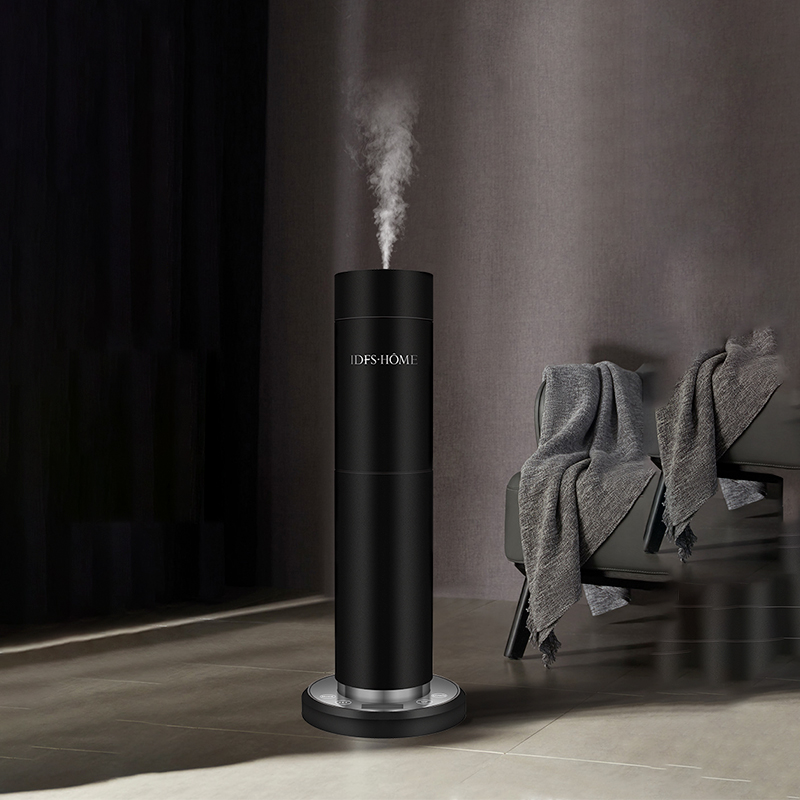
The chemical composition of certain essential oils is highly aggressive. Highly concentrated citrus oils, which contain high levels of limonene, and pine oils act as natural solvents. If a budget manufacturer cuts corners by using low-grade polystyrene or unverified plastics for the water reservoir, these oils literally melt the plastic over time. This degradation leads to structural leaks, destroying the internal circuitry. More alarmingly, it results in airborne micro-plastics and toxic off-gassing being dispersed into your home. When selecting an essential oil diffuser, verifying that the water tank is constructed from high-density Polypropylene (PP) is an absolute necessity.
Oil Type | Chemical Component | Risk to Low-Grade Plastics | Recommended Material |
|---|---|---|---|
Citrus (Lemon, Orange) | Limonene | High (Melts polystyrene) | High-Density PP, Glass |
Pine, Fir | Pinenes | High (Causes cracking) | High-Density PP, Ceramic |
Lavender, Chamomile | Linalool | Low | Standard PP |
Peppermint | Menthol | Moderate | Standard PP |
The heart of any water-based unit is the piezoelectric disc. The reality of daily use, especially in homes with hard tap water, is that calcium carbonate and magnesium rapidly accumulate on this disc. This mineral scale forms a hard crust that dampens the ultrasonic vibrations, eventually causing the motor to burn out as it works harder to agitate the water. In the ultra-budget market, these units are often white-labeled products sold by transient online storefronts. When the diaphragm inevitably fails after a few months of hard water exposure, buyers quickly discover a complete lack of customer support or valid warranty coverage, turning a cheap purchase into a total loss.
Marketing packaging frequently boasts impressive run times, claiming a tiny 100ml tank operates for twenty-four hours. These claims require heavy scrutiny. Such extended run times are only achievable on intermittent mist settings, where the device runs for thirty seconds and pauses for thirty seconds, on the absolute lowest output level. If you run a small unit on continuous high output, it empties in three to four hours. Understanding the difference between intermittent and continuous output prevents frustration. Fortunately, regarding energy use, these devices draw minimal wattage. Even running multiple units daily has a negligible impact on your monthly electric bills.
If your goal is to scent a sprawling, multi-story home, buying a dozen cheap units and placing them in every room creates a logistical nightmare. You spend an hour each day simply refilling tanks and cleaning components. At this scale, the conceptual trade-offs shift heavily toward investing in one centralized cold-air diffusion system integrated directly into your HVAC ductwork. While the upfront hardware cost is substantial, centralized systems require maintenance only once a month and provide perfectly even scent distribution without adding excess humidity to the home.
If you need multiple units but cannot integrate into an HVAC system, purchasing a wholesale diffuser directly from manufacturers is a highly strategic move. This approach makes sense for multi-room residential setups, boutique businesses, or corporate gifting. Wholesale purchasing allows you to bypass retail markups entirely. You acquire commercial-grade build quality, featuring better motors, thicker PP plastics, and superior warranties, at the exact same price point as a flimsy retail budget model. The hardware is often identical to premium branded units, simply lacking the designer logo.
The initial price tag of the hardware is only a fraction of the long-term financial picture. An inefficient, poorly designed cheap model wastes expensive oils by failing to atomize them properly, leaving a thick residue of un-diffused oil at the bottom of the tank. Over a twelve-month period, the cost of wasted premium oil easily exceeds the price difference between a budget unit and a high-efficiency premium model. Evaluating the mist output quality is critical. A good device leaves the water tank nearly empty of both water and oil residue when the cycle completes.
To keep daily operating costs sustainable, you must find reputable, budget-friendly essential oil suppliers. Resorting to synthetic fragrance oils to save money defeats the purpose of aromatherapy and introduces respiratory irritants. Look for suppliers that provide Gas Chromatography and Mass Spectrometry testing reports to verify purity. Buying staple oils like lavender, peppermint, and sweet orange in larger bulk bottles rather than standard small sizes drastically reduces the per-ounce cost, making daily diffusion highly affordable.
The most significant risk of daily use is biological. Leaving stagnant water in a reservoir at room temperature creates an ideal breeding ground for mold, mildew, and bacterial biofilms. If you turn on a contaminated device, it aerosolizes these pathogens directly into your breathing space, potentially causing severe respiratory distress or allergic reactions. The necessity of daily emptying cannot be overstated. To maintain a truly healthy living environment, dump out any remaining water after each use, and leave the tank open to air dry completely.
Regardless of the device's price, the biological impact of aerosolized oils on household pets requires strict attention. Cats and dogs process botanical compounds differently than humans. Cats lack a specific liver enzyme needed to break down phenols found in oils like tea tree, eucalyptus, citrus, and peppermint. When a device runs, microscopic droplets settle on the pet's fur. During normal grooming, the pet ingests these concentrated compounds, leading to severe toxicity. Individuals with asthma or chronic respiratory conditions should also exercise extreme caution, starting with highly diluted, gentle oils and monitoring for any airway irritation.
Identifying budget-friendly models that utilize eco-friendly components helps minimize environmental impact. Look for bases constructed from fast-growing, renewable bamboo rather than virgin plastics. Some manufacturers now utilize recycled, non-toxic plastics for their internal reservoirs. When evaluating these eco-friendly options, ensure the manufacturer explicitly states the plastic grading. Sustainable materials must still possess the chemical resistance necessary to withstand essential oil exposure without degrading.
Extending the life of a budget-friendly model requires a non-negotiable, standardized cleaning routine. Mitigation strategies are simple but must be performed consistently to protect the internal motor from mineral buildup.
Unplug the unit and empty remaining water from the rear drain side, ensuring no liquid enters the air intake fan.
Wipe the internal reservoir with a dry microfiber cloth to remove residual oil slicks.
Fill the tank halfway with distilled water and one tablespoon of pure white vinegar.
Let the solution sit for fifteen minutes to break down hard water scale.
Gently swab the delicate ceramic ultrasonic disc at the bottom with a cotton tip. Never press hard or use sharp tools.
Rinse thoroughly with fresh water and allow the unit to air dry completely before the next use.
Maintenance Task | Frequency | Required Materials | Purpose |
|---|---|---|---|
Empty and Air Dry | Daily | None | Prevents mold and bacterial biofilm formation. |
Wipe Down Reservoir | Daily | Microfiber Cloth | Removes sticky essential oil residue. |
Vinegar Soak | Weekly | White Vinegar, Water | Dissolves calcium and magnesium scale. |
Oscillator Swab | Weekly | Cotton Swab | Ensures the piezoelectric disc vibrates freely. |
Measure the square footage of your target room to select a tank capacity that matches your realistic daily refill habits.
Verify the plastic grading of any prospective unit to ensure it uses BPA-free polypropylene capable of withstanding citrus oils.
Source high-quality, unadulterated oils in bulk quantities to prevent internal clogging and maximize wellness benefits.
Establish a strict daily emptying and weekly vinegar descaling routine to protect the internal motor from mineral buildup.
A: With daily use, budget models generally last between one to three years. Their lifespan depends heavily on your local water quality and cleaning frequency. Hard tap water causes mineral scale buildup that can burn out the internal motor within months if not regularly descaled with white vinegar.
A: Yes, for most households. Ultrasonic models are highly cost-efficient, operate quietly, and provide a subtle scent profile suitable for continuous daily use. Nebulizers offer a much stronger scent but consume expensive essential oils at a significantly higher rate, increasing daily operating costs.
A: The device itself does not cause issues, but poor maintenance does. Failing to clean the water tank leads to mold and bacteria aerosolization. Additionally, using cheap, synthetic fragrance oils instead of pure botanical extracts introduces respiratory irritants and volatile organic compounds into the air.
A: No. Ultrasonic and passive models are highly energy-efficient. Most ultrasonic units draw between ten to fifteen watts of power, which has a completely negligible impact on your monthly electric bill, even if run for several hours every day.
A: You should empty any remaining water and quickly wipe down the inside of the tank with a dry cloth every single day. A deep cleaning, using a water and white vinegar solution to remove mineral scale from the ultrasonic plate, should be performed once a week.
A: Often, yes. Many wholesale units are the exact same hardware as branded retail models, manufactured in the same facilities. Buying wholesale allows you to bypass the retail markup, securing commercial-grade internal components and better plastics at a budget-friendly price point.
A: Tap water is generally recommended by manufacturers because the natural minerals help the ultrasonic disc create a better mist. However, if you have extremely hard water, mixing it with distilled water reduces the frequency of required descaling maintenance.


