
Views: 0 Author: Site Editor Publish Time: 2026-07-25 Origin: Site


Balancing the desire for a clean-smelling home against the biological realities of canine health requires careful consideration. Aromatherapy is heavily marketed for human wellness, but a dog’s respiratory and metabolic systems process airborne compounds entirely differently. Consumers face conflicting information daily. Lifestyle brands often claim universal safety, pitching diffusers as the safest way to enjoy scents around pets. Conversely, veterinary authorities warn of severe toxicity. Aerosolized oils can cause neurological issues and respiratory distress.
The common driver for diffusion is masking pet odors, especially in multi-dog homes. The challenge lies in finding an effective odor-neutralization strategy that does not compromise pet respiratory health. We will establish an evidence-based framework to evaluate whether to use an Essential Oil Diffuser. You will learn to identify specific toxicological threats and outline the technical hardware criteria required to minimize risk in a multi-pet household.
Canine olfactory sensitivity far exceeds human capabilities. Dogs possess up to 300 million olfactory receptors. Humans have roughly 6 million. What registers as a mild scent to us can feel overwhelming to a dog. Strong odors cause stress and irritation in their nasal passages. When you run a device in a closed room, the scent particles saturate the air rapidly. A dog experiences this saturation at a magnitude fifty times greater than a human. This intense sensory input can lead to behavioral changes, anxiety, and physical discomfort.
Hepatic metabolism presents a major physiological limitation. Dogs are highly sensitive to phenols and monoterpene hydrocarbons. When a diffuser disperses micro-droplets, dogs inhale them. The compounds absorb into the bloodstream and travel to the liver. The canine liver struggles to metabolize these specific chemicals. This inability leads to rapid toxic buildup. Unlike humans, who can process and excrete these compounds efficiently, dogs accumulate them in their tissues. Over time, even low-level exposure can strain liver function and lead to chronic health issues.
Aerosolization carries distinct risks compared to topical application. Topical use causes direct dermal toxicity. Diffusers create severe inhalation risks. They also introduce secondary ingestion risks. Aerosolized droplets settle on the dog's coat. Dogs later lick these concentrated droplets off during routine grooming. This means a respiratory hazard quickly becomes a gastrointestinal and systemic hazard. The micro-droplets also settle on food bowls, water dishes, and chew toys, creating multiple vectors for ingestion.
Other household pets face unique vulnerabilities. Cats lack glucuronyl transferase enzymes entirely. This makes them even more sensitive than dogs. Birds possess highly delicate respiratory systems. Avian lungs can fail rapidly when exposed to any aerosolized volatile organic compounds. If you have a mixed-species household, the safety protocols must default to the most sensitive animal. In most cases, this means avoiding airborne diffusion entirely if birds or cats share the living space.
Veterinary consensus identifies specific oils as highly dangerous. You must keep these out of your home entirely. Exposure to these oils triggers severe clinical signs. Watch for ataxia or general unsteadiness. Muscle tremors and vomiting frequently occur. Dogs may experience hypothermia and elevated liver enzymes. Central nervous system depression is a critical emergency requiring immediate veterinary intervention.
Each of these oils contains specific compounds that canine livers cannot process. For example, Tea Tree oil contains terpenes that cause rapid neurological decline in dogs. Citrus oils contain d-limonene, which is highly irritating to the respiratory tract and skin. Pennyroyal is a known hepatotoxin that can cause acute liver failure. You must audit your home inventory and securely dispose of these specific oils to prevent accidental exposure.
Some oils present a lower risk profile. You must still dilute them properly and diffuse them responsibly. Do not view these as completely safe. Frame them as lower risk. Individual canine sensitivities vary wildly. Pre-existing respiratory conditions like asthma or chronic bronchitis reduce tolerance. Age plays a major role in how a dog processes airborne particles. Senior dogs and puppies have compromised or developing immune systems, making them more susceptible to irritation.
When using these lower-risk options, dilution is your primary defense. A standard human dilution ratio is far too strong for a dog. You must reduce the oil concentration significantly. Start with a single drop in a large water reservoir. Observe your dog's behavior closely for the first ten minutes. If they show any signs of discomfort, turn the device off and ventilate the room immediately.
Nebulizing diffusers carry high risks for pet owners. They use pressurized air to disperse pure essential oils. They do not use water. This maximizes the concentration of volatile organic compounds in the air. High VOC levels are highly unsuitable for homes with dogs. The lack of dilution means the dog inhales potent, raw chemical compounds directly into their lungs.
An ultrasonic aroma diffuser offers a much lower risk profile. Ultrasonic technology uses water and high-frequency vibrations. It creates a fine, cool mist. This process inherently dilutes the essential oil. It reduces the concentration of airborne compounds to a manageable level. The water acts as a buffer, ensuring the scent profile remains mild and less likely to overwhelm a dog's sensitive olfactory system.
| Diffuser Type | Mechanism | Dilution Method | Pet Safety Risk Level |
|---|---|---|---|
| Nebulizing | Pressurized air forces pure oil into micro-particles | None (100% pure oil) | High Risk |
| Ultrasonic | High-frequency vibrations agitate water and oil | High (Requires water reservoir) | Lower Risk |
| Evaporative | Fan blows air through a filter soaked in oil | Low (Airflow based) | Moderate Risk |
| Heat | Warms oil to release scent into the air | None (Alters chemical structure) | High Risk |
Active electronic diffusers actively push scent into the room. Passive options include reed diffusers and unheated terracotta stones. Passive diffusers emit a lower scent profile. This is generally safer for canine respiratory health. However, passive diffusers pose a higher physical hazard. Dogs can knock them over. Ingestion risk increases if you place them within a dog's reach. A spilled reed diffuser can result in a dog licking pure oil off the floor or their paws, leading to a medical emergency.
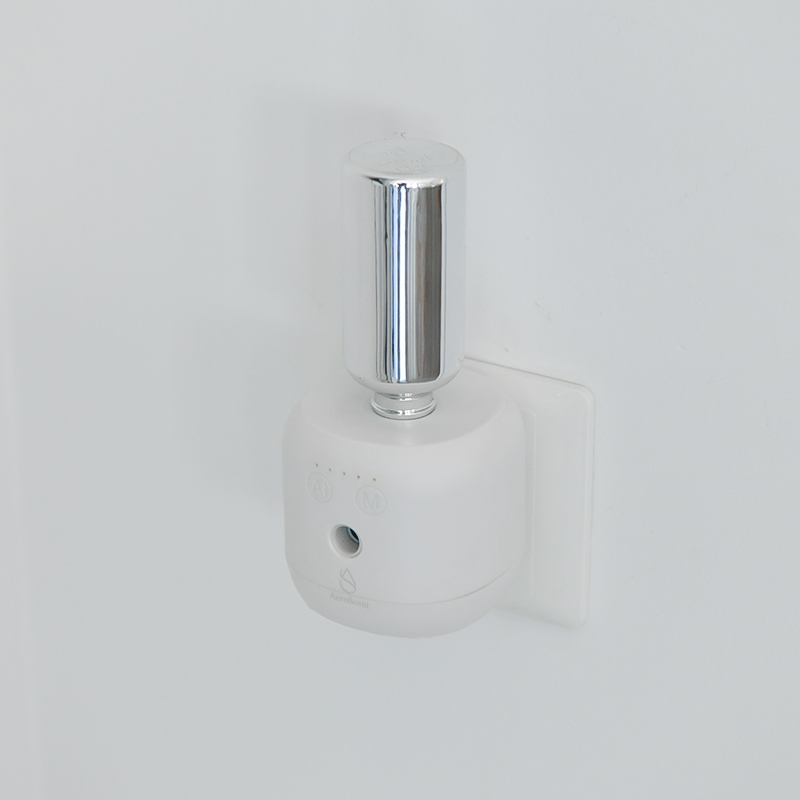
Selecting a pet safe essential oil diffuser requires specific functional capabilities. You cannot rely on basic models that run continuously until dry. You need hardware designed with safety parameters that protect indoor air quality.
Material safety directly impacts indoor air quality. You must buy from a reputable essential oil diffuser manufacturer. Look for devices made with medical-grade, BPA-free plastics or glass. Cheap plastics degrade when exposed to certain oils. This degradation releases secondary chemical toxins into the air. Over time, the structural integrity of a cheap plastic reservoir will fail, leading to leaks and potential electrical hazards.
The hardware is only as safe as the consumable you put inside it. Oil purity matters immensely. Low-tier brands often use synthetic fragrances and adulterants. They include phthalates and cheap carrier oils. These additives cause severe respiratory irritation independent of the actual essential oil. Always request third-party GC/MS (Gas Chromatography/Mass Spectrometry) testing reports from your oil supplier to verify purity and the absence of synthetic fillers.
Ventilation and spatial dynamics dictate safe usage. Only use diffusers in large, open-concept spaces. Ensure active airflow through open doors or HVAC circulation. Never run a diffuser in confined areas. Avoid bathrooms, bedrooms with closed doors, or dog-crating areas. The goal is to allow the scent to dissipate quickly, preventing a concentrated cloud of VOCs from settling near the floor where your dog breathes.
The escape route mandate is the golden rule of pet-safe diffusion. The dog must always have an open door. They need the physical ability to leave the environment if the scent becomes irritating. Never lock a dog in a room while a device is running. If you notice your dog leaving the room every time you turn the device on, respect their choice. Their olfactory system is signaling that the environment is uncomfortable or unsafe.
Preventing secondary surface contamination requires strategic placement. Aerosolized droplets settle on dog beds and chew toys. They contaminate food bowls and open water dishes. Establish strict safety zones. Place diffusers on high, elevated surfaces. Keep them far from pet-frequented areas to prevent direct fallout. Wipe down surfaces near the device regularly with a damp cloth to remove any accumulated oil residue.
Dermal transfer and accidental spills demand immediate action. Never apply oils to your own hands and then pet your dog. This causes direct dermal absorption. It also leads to ingestion via self-grooming. If you spill concentrated oils, block pet access immediately. Neutralize the spill. Wash your dog's paws with soap if they walk through it. Keep the poison control hotline number on your refrigerator for quick access during emergencies.
Monitor your dog for adverse reactions constantly. Watch for excessive drooling or pacing. Squinting, coughing, and wheezing indicate respiratory distress. Watery nose, watery eyes, or sudden lethargy mean the dog is not tolerating the environment. Turn off the device and ventilate the room immediately. If symptoms persist after removing the dog from the area, seek veterinary care.
Managing multi-dog odors without chemical diffusion is entirely possible. Focus on safe deodorizing alternatives that target the root cause of the smell rather than just masking it with heavy fragrances. Proper hygiene and environmental management yield better long-term results for indoor air quality.
Essential oils are not universally safe for dogs. However, you can heavily mitigate the risks. Safety depends entirely on the specific oil used, the dilution ratio, and the hardware chosen. For dog owners insisting on aromatherapy, the only viable hardware is a high-quality ultrasonic device with intermittent timer capabilities. It must be sourced from a reputable manufacturer and used exclusively with heavily diluted, vet-approved oils.
Follow these immediate next steps to protect your pets:
A: Signs include a watery nose or eyes, redness of the lips, gums, or skin, vomiting, and excessive drooling. More severe symptoms involve muscle tremors, ataxia, lethargy, and coughing. If you notice any of these signs, move your dog to fresh air immediately and contact your veterinarian.
A: No. Diffusers should never be used in confined spaces or near a dog's crate. Dogs must always have an open escape route to leave the room if the scent becomes overwhelming or irritates their respiratory system.
A: Passive reed diffusers emit a lower concentration of scent, which is generally better for respiratory health. However, they pose a high physical risk. If a dog knocks over a reed diffuser and ingests the concentrated oil, it can cause severe internal toxicity.
A: You should only run a diffuser in short, intermittent bursts. A safe baseline is 10 minutes on, followed by 30 minutes off. Continuous diffusion saturates the air with volatile organic compounds, increasing the risk of respiratory irritation and toxic buildup.
A: Wash the affected area immediately with mild dish soap or pet-safe shampoo to remove the oil. Do not let the dog lick the area, as ingestion increases toxicity. Contact animal poison control or your vet for further guidance based on the specific oil.


