
Views: 0 Author: Site Editor Publish Time: 2026-08-22 Origin: Site


Achieving a consistent, refined fragrance profile requires precise dispersion technology. You cannot rely on high-quality oils alone. Buyers frequently mismatch diffuser technology with their square footage and aesthetic goals. This mismatch creates undetectable scents in large commercial spaces. It also causes excessive moisture and mold risks in small residential rooms. Often, users settle for generic smells instead of curated fragrances. This guide breaks down the technical mechanisms behind modern diffusers. We establish a framework to evaluate devices based on coverage capacity, run-time benchmarks, and maintenance requirements. You will learn how to match specific dispersion methods to your spatial volume. We also cover the operational realities of managing pure oils versus synthetic blends. By understanding these variables, you can select an essential oil diffuser that delivers reliable, safe, and noticeable results.
Room size dictates the required diffusion technology. Ceiling height drastically alters the total cubic air volume. A 500-square-foot room with 12-foot ceilings holds far more air than a room with standard 8-foot ceilings. You must calculate total spatial volume, not just floor area. HVAC return vents pull scented air away from the target zone. Supply vents push scent across the room. Open-concept layouts dilute localized diffusion rapidly. You must position your device upstream of natural airflow patterns. Localized diffusion works well for desks or nightstands. Whole-space scenting requires pressurized atomization to suspend particles in the air for longer durations.
To properly map your space for a diffuser, follow these steps:
The human olfactory system adapts to continuous smells quickly. You stop noticing a fragrance after roughly 15 minutes of constant exposure. This biological response is called olfactory fatigue. Programmable interval timers solve this problem. Running a machine for 10 minutes on and 10 minutes off keeps the scent noticeable. It prevents sensory adaptation. Advanced units allow you to customize these intervals based on room size. Continuous operation wastes oil and diminishes the user experience. You want a device that automates rest periods to maintain consistent scent perception throughout the day.
| Operating Mode | Scent Perception | Oil Consumption | Best Use Case |
|---|---|---|---|
| Continuous (Always On) | Fades after 15-20 minutes due to fatigue. | Maximum drain on reservoir. | Short bursts for immediate odor neutralization. |
| Intermittent (50% Duty Cycle) | Remains noticeable all day. | Moderate, extends refill intervals. | Standard daily operation in living spaces. |
| Low Intensity (20% Duty Cycle) | Subtle background fragrance. | Minimal, lasts for weeks. | Small enclosed rooms or sensitive occupants. |
Operating a diffuser requires choosing the right liquid medium. Pure therapeutic essential oils offer plant-based benefits. However, they degrade quickly and vary in viscosity. Thick oils like vetiver clog delicate internal components. High-quality synthetic-blend fragrance oils provide superior scent stability. Commercial settings rely on synthetic blends for consistent performance. These blends do not separate or clog mechanisms as easily. They offer a wider range of scent profiles, including complex notes like leather or fresh linen. You must verify that your chosen device handles both pure extracts and synthetic blends without voiding the warranty.
Internal reservoirs must withstand highly corrosive liquids. Citrus and pine oils eat through cheap ABS plastics over time. This degradation releases microplastics into the air and ruins the device. High-density polypropylene (PP) resists chemical corrosion effectively. Glass and ceramic components offer the highest safety ratings for pure extracts. Always verify the internal material before purchasing. Exterior materials dictate aesthetic integration, but internal materials dictate safety and longevity. Look for medical-grade plastics in any component that touches the raw oil.
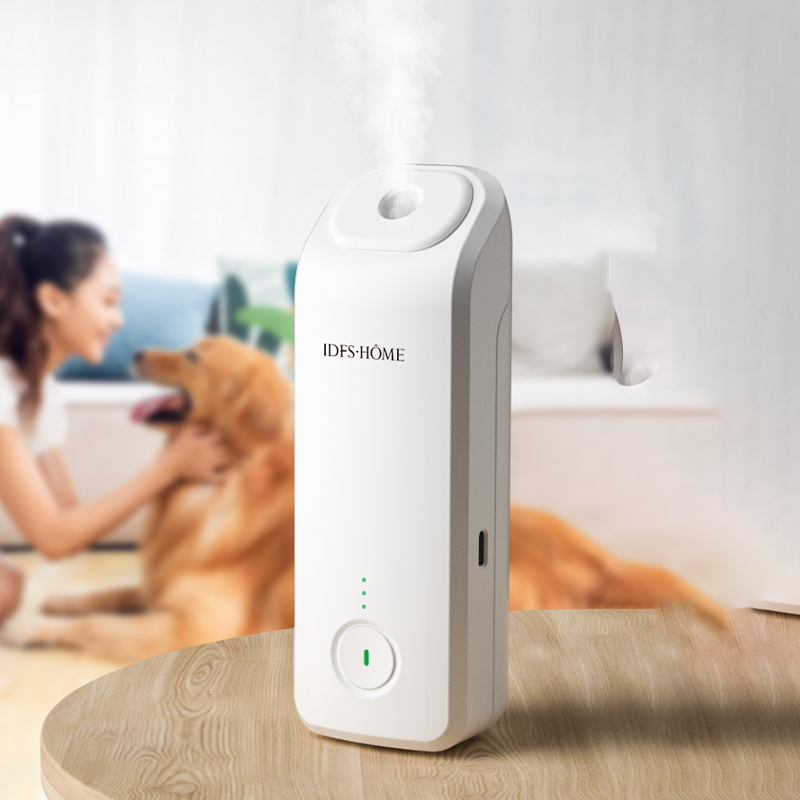
| Technology Type | Primary Mechanism | Best Application | Maintenance Level |
|---|---|---|---|
| Ultrasonic (Water-Based) | High-frequency vibrations create a water/oil mist. | Bedrooms, small offices, localized areas. | High (Daily water changes, weekly wiping). |
| Cold-Air Nebulizing | Pressurized air atomizes pure oil into micro-particles. | Large open concepts, commercial spaces, HVAC. | Medium (Monthly solvent flushes). |
| Heat-Based Vaporizer | Gentle heat evaporates the oil into the air. | Small rooms, non-toxic candle alternatives. | Low (Occasional wiping of the heating dish). |
| Evaporative / Reed | Passive airflow evaporates oil from porous materials. | Bathrooms, closets, enclosed small spaces. | Low (Flipping reeds weekly, replacing oil). |
Ultrasonic technology dominates the residential market. These devices use a small ceramic disc at the base of a water reservoir. The disc vibrates at ultrasonic frequencies. This vibration breaks the water and essential oil into microscopic droplets. The device then blows this fine mist into the room. This mechanism requires diluting a few drops of oil into a large volume of water.
A standard aroma diffuser using ultrasonic technology offers several advantages. They carry a lower upfront cost. They double as a mild humidifier during dry winter months. They also consume very little essential oil per hour. A standard 300ml unit reliably offers over seven hours of continuous run time. You can leave them running on a desk without depleting your oil supply rapidly.
However, ultrasonic units have distinct limitations. The water dilutes the scent profile significantly. They are entirely ineffective in large spaces or open floor plans. The mist falls to the ground quickly, limiting coverage. Furthermore, they introduce moisture into the air. If left unmanaged in a poorly ventilated room, this moisture creates a high risk of mold and mildew growth.
Cold-air nebulizing technology represents the professional standard for scenting. These units use an internal air pump to force pressurized air through a small tube. This pressure creates a vacuum that pulls pure essential oil to the surface. A specialized nozzle then atomizes the oil into dry micro-particles. This process uses zero heat and zero water.
The advantages of a cold-air scent diffuser machine are substantial. You achieve maximum scent potency. The process preserves the complete therapeutic integrity of the oil. The dry micro-particles stay suspended in the air for hours. They leave no damp residue on furniture or floors. This technology scales easily to commercial sizes, delivering a refined scenting experience across thousands of square feet.
The drawbacks include a higher initial investment. The internal air pump produces a noticeable mechanical hum during operation. You must place them strategically to avoid noise complaints in quiet rooms. Additionally, because they do not use water, they consume pure essential oil at a much higher rate.
Heat-based units offer a simplified approach to fragrance dispersion. They use gentle heat to evaporate oils directly into the air. This heat comes from either a low-voltage electric heating element or a traditional tea-light candle placed under a ceramic dish. You place pure oil or wax melts into the top receptacle, and the heat accelerates evaporation.
An electric essential oil vaporizer provides completely silent operation. They contain no moving parts and no air pumps. They are highly affordable and require very little maintenance. These units are excellent for users seeking a non-toxic alternative to traditional soot-producing candles.
The primary disadvantage is chemical alteration. Heat changes the molecular composition of delicate essential oils, destroying their therapeutic properties. They also provide uneven scent distribution. The fragrance is strong immediately after heating but fades quickly. Candle-based vaporizers also introduce an open flame, creating a potential fire hazard if left unattended.
Evaporative systems rely entirely on passive diffusion. They use ambient airflow to evaporate oils from a porous surface. Reed diffusers use rattan sticks inserted into a bottle of scented liquid. The liquid travels up the microscopic channels in the reeds. Air currents in the room then catch the scent and disperse it.
These systems require zero electricity. You can place them anywhere safely. They are ideal for small, enclosed spaces like bathrooms, closets, or entryways. They operate silently and continuously without any user intervention.
The main drawback is a complete lack of control. You cannot adjust the scent intensity or set operating schedules. The diffusion is highly localized, rarely reaching beyond a few feet. They also require frequent maintenance. You must flip the reeds weekly to keep the scent active, and replace the reeds entirely when they become saturated with dust.
Residential users prioritize design and ambient features. You want a device that fits home decor rather than looking like a medical appliance. Focus on exterior materials like earthy matte stone, textured ceramic, or natural wood grain. Ambient lighting features add visual warmth to bedrooms and living spaces. The footprint should remain compact enough to sit on a nightstand or bookshelf.
Performance expectations for residential units center around moderate coverage. Look for 300ml to 500ml reservoir capacities. These sizes successfully cover 200 to 500 square feet. Run times should range from 7 to 12 hours on intermittent settings. This allows the unit to run overnight without requiring a refill.
Prioritizing a minimalist design often means sacrificing reservoir size. You trade maximum run time for a smaller, more attractive profile. You must also accept that ultrasonic units require manual refilling daily. They do not connect to large bulk oil bottles.
Large living spaces and open-plan offices require heavy-duty dispersion. Standalone cold-air nebulizers handle these environments effectively. Focus on units with programmable intensity settings and smart-app connectivity. You need the ability to adjust output based on the time of day. High-capacity oil bottles ranging from 100ml to 500ml are strictly required to avoid constant refilling.
These machines confidently cover 1,000 to 2,500 square feet without HVAC integration. They disperse productivity-enhancing blends in busy offices. They push luxury scents through expansive living rooms with vaulted ceilings. The dry mist travels on natural air currents, filling the entire volume of the space evenly.
These units require floor or wall mounting. They produce a noticeable mechanical hum during the dispersion cycle. You must place them away from immediate seating areas or quiet workspaces. The noise blends into background chatter, but stands out in silent rooms.
Whole-building scenting requires specialized HVAC integration. These systems tap directly into the ductwork. The pressurized air forces the dry scent mist into the main supply lines. The building's existing ventilation system then carries the fragrance to every connected room simultaneously. This method is standard for retail environments, hotels, and large corporate offices.
Expect multi-zone programming capabilities. Digital app control allows facility managers to adjust schedules remotely. Coverage easily exceeds 3,000 square feet. The scent remains perfectly consistent across all zones because it mixes with the conditioned air before entering the room.
HVAC integration requires professional installation. You must drill into the ductwork and secure the air tubes properly. These systems demand strict maintenance schedules to prevent oil buildup inside the ducts. You must also commit to bulk oil purchasing to keep the large reservoirs filled.
Follow these basic steps when planning an HVAC installation:
Continuous operation destroys cheap consumer plastics quickly. If you run a machine 12 hours a day, you need BIFL durability. Focus heavily on the internal components. Commercial-grade internal air pumps are mandatory. Look for extended warranty lengths covering the motor and the atomizing heads. The manufacturer must offer easily accessible replacement parts.
These units withstand heavy daily use without pump failure. The internal tubing resists degradation from harsh citrus oils. The exterior casing withstands accidental drops or impacts. You pay a premium upfront, but you eliminate the cycle of replacing broken plastic units every six months.
Different technologies consume oil at vastly different rates. An ultrasonic unit uses 10 to 15 drops of oil per day. A bottle of oil lasts for months in a water-based system. A commercial cold-air nebulizer consumes oil by the milliliter per hour. Running a nebulizer at high intensity drains a 100ml bottle in a few weeks. You must calculate this consumption rate when planning your operational budget.
Mitigate high consumption rates by purchasing affordable, high-quality oils in bulk. Buying 16oz or 32oz aluminum canisters reduces the per-ounce cost significantly. Use pure essential oils for therapeutic applications in smaller rooms. Switch to high-quality synthetic fragrance oils for large commercial spaces. Synthetic blends perform more consistently in high-output machines.
| Diffuser Type | Average Daily Usage | Estimated Monthly Consumption | Refill Frequency |
|---|---|---|---|
| Ultrasonic (300ml) | 10-15 drops | 15ml - 30ml | Daily (Water), Monthly (Oil) |
| Cold-Air Nebulizer (Small) | 1ml - 2ml per hour | 100ml - 150ml | Every 3-4 weeks |
| HVAC Integrated (Large) | 3ml - 5ml per hour | 500ml - 800ml | Every 4-6 weeks |
Neglected machines breed bacteria and fail prematurely. Ultrasonic maintenance requires strict discipline. You must empty stagnant water daily. Leaving water in the reservoir overnight promotes bacterial aerosolization. Wipe the internal basin with an isopropyl alcohol pad weekly. Clean the ceramic ultrasonic disc gently with a cotton swab to remove mineral scale buildup.
Nebulizer maintenance involves clearing the micro-tubes. Resinous oils like patchouli, sandalwood, or vetiver leave sticky residues. You must diffuse pure rubbing alcohol through the machine monthly.
Execute this cleaning protocol for waterless units:
Failure to perform this flush results in a permanently clogged pump.
Air pumps generate mechanical noise. Waterless units output between 35 and 50 decibels (dB) during the active dispersion cycle. This sounds like a low refrigerator hum. In a busy retail store, this noise disappears. In a quiet bedroom, it disrupts sleep.
Strategic placement mitigates noise complaints. Keep nebulizers at least ten feet away from beds, desks, or seating areas. Mount them high on walls to disperse the sound. If you use an HVAC-integrated unit, install the machine in the utility closet. The utility room doors isolate the mechanical noise, while the ductwork delivers silent fragrance to the living areas.
Airborne compounds affect animals differently than humans. Many popular essential oils are highly toxic to pets. Eucalyptus, tea tree, peppermint, and citrus oils cause severe respiratory distress in cats and dogs. Birds possess extremely sensitive respiratory systems. Diffusing heavy oils near bird cages causes immediate harm.
Ensure adequate ventilation in any room running a diffuser. Select pet-safe fragrance profiles like lavender or chamomile if animals share the space. Always leave the room door open so pets can leave if the scent becomes overwhelming. Verify the device itself uses non-toxic materials. Cheap plastics leach volatile organic compounds into the air when exposed to pure oils. Use glass or medical-grade PP plastics to protect occupants.
A: A humidifier adds significant moisture to the air to raise indoor humidity levels, holding gallons of water. An aroma diffuser disperses fragrance using very little water or no water at all. While ultrasonic diffusers release a small amount of mist, they cannot effectively humidify a room.
A: You can use high-quality synthetic fragrance oils in most cold-air nebulizers and ultrasonic units. Commercial environments prefer fragrance oils because they offer consistent scent profiles and resist separating or clogging the internal mechanisms. Always check the manufacturer's guidelines regarding oil viscosity.
A: Yes. Waterless nebulizers consume pure oil directly without dilution. They atomize milliliters of oil per hour to scent large spaces. Ultrasonic models use only 10 to 15 drops of oil diluted in 300ml of water, making them consume oil at a much slower rate.
A: A standalone cold-air nebulizer is the best choice for spaces exceeding 1,000 square feet. These machines use pressurized air to create dry micro-particles that suspend in the air for hours, easily covering large open-concept areas without relying on water.
A: A standard 300ml ultrasonic unit typically runs for 7 to 10 hours on a continuous setting. Using an intermittent setting extends the run time to 12 or 14 hours before requiring a water refill.
A: You should flush a commercial cold-air nebulizer with 90% isopropyl alcohol once a month. This prevents thick, resinous oils from clogging the micro-tubes. Ultrasonic units require daily water changes and a weekly wipe-down to prevent bacterial growth.


