
Views: 0 Author: Site Editor Publish Time: 2026-09-15 Origin: Site


While home fragrance is critical for environmental ambiance, the physical devices used to disperse scent often clash with carefully curated interior design. You spend weeks selecting the perfect furniture and textiles, only to place a utilitarian plastic device right in the middle of your coffee table. This visual disconnect instantly breaks the aesthetic flow of a room.
Homeowners struggle to integrate functional fragrance devices into their decor without creating visual clutter. You face the constant risk of surface damage from concentrated oils. You also risk compromising the device's scent throw efficiency by hiding it too well. Balancing form and function requires a deliberate approach to interior styling.
This guide provides an evidence-based framework for evaluating, selecting, and styling diffusers. We cover material selection, strategic placement for optimal airflow, and risk mitigation for protecting furniture. Applying these principles ensures your fragrance solution enhances rather than detracts from your interior styling.
Material Matters: Selecting the right vessel—such as a ceramic essential oil diffuser—dictates both the aesthetic integration and the longevity of the device.
Strategic Placement: Optimal positioning requires balancing visual anchoring (using trays or vignettes) with functional airflow requirements for maximum scent dispersion.
Risk Mitigation: Essential oils and water vapor pose active threats to wood finishes and porous surfaces; decorative grounding elements are mandatory for surface protection.
Visual-Olfactory Cohesion: The most successful interior styling aligns the physical look of the home scent diffuser with the atmospheric profile of the fragrance used.
Selecting a fragrance device requires evaluating specific success criteria. You must assess the physical footprint, cord dependency, and material quality. You also need to decide between continuous passive scenting and active, scheduled dispersion. The material of the outer shell heavily influences how well the unit blends into your existing architecture.
Before purchasing any unit, run through this baseline evaluation:
Measure the exact footprint of your intended surface to ensure a minimum of two inches of clearance on all sides.
Locate the nearest power source and measure the distance to determine if cord concealment is viable.
Check the output directionality to confirm the mist plume will not hit low-hanging light fixtures or upper cabinets.
Assess reservoir accessibility to ensure you can refill the water tank without moving the entire decorative setup.
Matte, textured finishes define the modern ceramic essential oil diffuser. These unglazed or satin-glazed vessels fit easily into Minimalist, Japandi, and Wabi-Sabi interiors. The porous look of raw ceramic mimics natural pottery, allowing the device to masquerade as a standalone piece of art on a console table or open shelf.
Functional trade-offs exist with this material. Ceramic shells are heavier and more fragile than standard plastic alternatives. A drop during cleaning usually results in a shattered cover. However, opaque ceramic offers superior UV protection for the oils inside the water reservoir. Light degrades essential oils rapidly, so blocking ambient sunlight preserves the integrity of your fragrance. The tactile experience of handling heavy ceramic also improves the daily routine of refilling the tank.
Translucent glass and polished stone finishes suit Contemporary and Mid-Century Modern spaces. Glass domes often feature integrated lighting, creating a warm, ambient glow. Solid marble or terrazzo covers bring significant visual weight to a room, grounding the device on a delicate glass or metal table.
Maintenance realities dictate how these materials perform long-term. Glass requires frequent, meticulous cleaning. Hard water buildup leaves cloudy white rings inside the dome. Oil residue clings to the glass, creating an unsightly yellow film if left unwashed. Stone covers require periodic sealing to prevent essential oils from staining the porous surface permanently. You must commit to a strict cleaning schedule to maintain the aesthetic value of glass and stone units.
Reed diffusers offer a low-profile, cord-free alternative. They utilize capillary action to draw scented oils up through porous sticks. This passive dispersion method requires zero electricity, allowing you to place them anywhere. The aesthetic profile relies entirely on the vessel holding the liquid.
Upgrading standard components instantly changes the visual appeal. Swap out basic rattan sticks for decorative floral reeds or twisted willow branches. Thick black reeds provide a striking contrast against clear glass bottles. You can also decant store-bought oils into vintage apothecary bottles or artisan-crafted ceramic jugs to match specific room themes.
Scalability remains a limitation for passive devices. Reed setups work best for localized scenting in smaller zones. Bathrooms, entryways, and walk-in closets benefit greatly from continuous, subtle fragrance. Large open-concept living spaces require active ultrasonic or nebulizing technology to achieve adequate scent coverage.
Comparison of Diffuser Materials for Home Decor | ||||
Material Type | Best Decor Style | Durability | Maintenance Level | UV Protection |
|---|---|---|---|---|
Matte Ceramic | Japandi, Minimalist, Rustic | Moderate (Fragile if dropped) | Low (Hides water spots) | High (Completely opaque) |
Translucent Glass | Contemporary, Modern | Low (Highly fragile) | High (Shows residue easily) | Low (Allows light penetration) |
Polished Stone | Mid-Century, Industrial | High (Very sturdy) | Moderate (Requires sealing) | High (Completely opaque) |
High-Grade Resin | Eclectic, Transitional | High (Shatterproof) | Low (Wipes clean easily) | High (Usually opaque) |
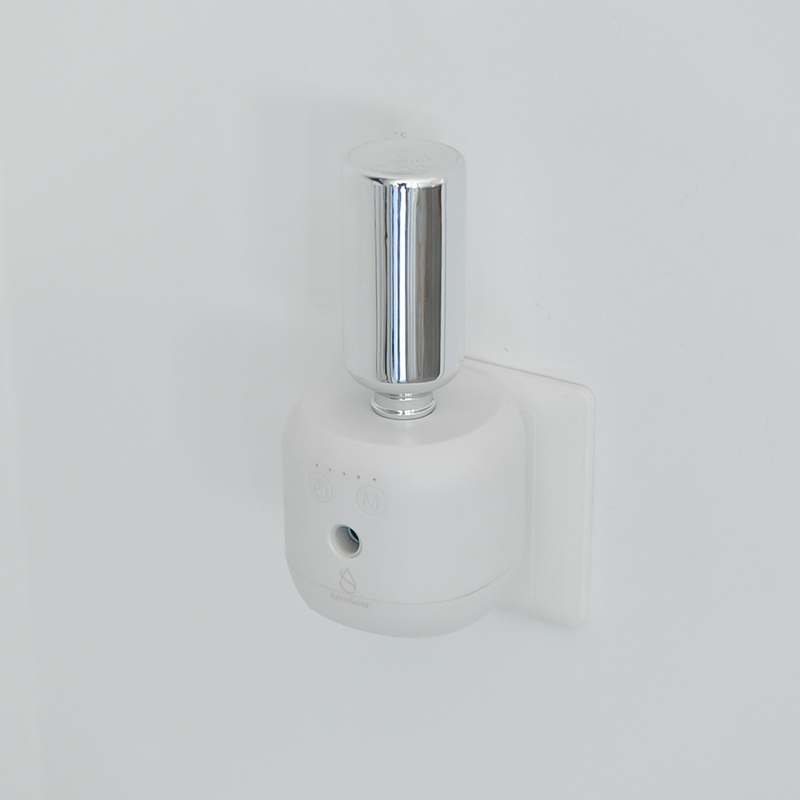
Airflow dynamics dictate the efficiency of your fragrance dispersion. Placing a device in a stagnant corner limits the scent throw to a three-foot radius. You must understand how HVAC vents, ceiling fans, and natural drafts move air through your home. Position the unit upstream of natural air currents to carry the fragrance across the room. Avoid placing active misting units directly under high-velocity ceiling fans, as the downdraft will force the mist straight into the table surface, causing condensation pooling.
Centerpiece styling turns the functional device into a focal point. Place a sculptural wax warmer or a premium ultrasonic unit directly on the coffee table. This placement adds a touch of everyday luxury to the seating area. The central location ensures the scent disperses evenly among guests. Keep the surrounding table decor minimal to let the device stand out.
Peripheral integration works best for homeowners who prefer hidden technology. Tuck the device into a bookshelf or place it on a media console. You must ensure at least 12 inches of vertical clearance above the mist output. Ultrasonic vapor contains water and oil particles. Without adequate clearance, this moisture accumulates on the shelf above, warping wood and peeling paint.
Footprint constraints dominate bedroom and bathroom styling. Nightstands and vanities offer limited surface area. Select compact, cylindrical models that take up less than four inches of horizontal space. Keep the device away from alarm clocks and reading lamps to prevent accidental knocks in the dark.
Humidity control requires careful evaluation in bathrooms. Bathrooms already maintain high baseline humidity from showers. Adding an ultrasonic water-based device exacerbates moisture issues, potentially encouraging mold growth. Opt for passive reed setups or waterless nebulizers in high-moisture zones. Save the ultrasonic units for dry bedrooms where the added humidity improves sleep quality.
Positioning a Home Aroma Diffuser near entry points capitalizes on the airflow generated by opening doors. The sudden rush of air pushes the fragrance deeper into the house. It also guarantees a welcoming first impression for arriving guests. The scent hits them immediately upon crossing the threshold.
Safety clearances are critical in high-traffic zones. Keep devices away from coat racks, umbrella stands, or bag drop areas. Flinging a heavy winter coat onto a bench can easily knock over a nearby water reservoir. Place the unit on a dedicated console table, pushed toward the back edge, to prevent accidental spills.
Integrating an essential oil diffuser for decoration requires vignette construction. A vignette is a small, curated grouping of objects that tells a visual story. Floating a standalone electronic device on a large table looks accidental. Grouping it with complementary items anchors it purposefully within the space.
Visual anchoring begins with a base layer. Use a marble, brass, or sealed wood tray to group the fragrance unit with other items. Add a match cloche, a small potted succulent, or a decorative candle snuffer to the tray. The tray acts as a visual boundary, turning random objects into a cohesive collection.
Functional protection makes trays mandatory. Trays act as a necessary barrier against accidental oil drips. When refilling the water tank, a single drop of undiluted oil can strip the finish off a wooden table. A sealed tray catches these spills. It also protects surfaces from the natural condensation that forms around the base of ultrasonic units.
Marble Trays: Best for modern and minimalist spaces; highly resistant to oil stains if polished.
Brass Trays: Ideal for vintage or mid-century styling; develops a natural patina over time.
Sealed Walnut Trays: Adds warmth to rustic or industrial rooms; requires a thick polyurethane coat to resist solvent damage.
The Rule of Three dictates that objects look better in odd-numbered groupings. Style the fragrance unit alongside a stack of heavy coffee table books and a vase of dried florals. The books provide varied height, elevating the mist output. The dried florals add organic texture, softening the hard lines of the electronic device.
Camouflage techniques work well if the unit leans too utilitarian. Use trailing plants to partially obscure the device. Place a Pothos or Philodendron next to the unit and drape the vines loosely around the base. The foliage hides the power cord and softens the plastic housing, making the technology disappear into the greenery.
Personalizing the device allows you to match bespoke interiors perfectly. You can customize utilitarian plastic bases using textured spray paints. Follow these steps for a durable finish:
Sand the plastic housing lightly with 220-grit sandpaper to create a rough surface for adhesion.
Wipe the unit down with isopropyl alcohol to remove all plastic dust and hand oils.
Tape off the mist output hole, power button, and power jack using high-quality painter's tape.
Apply a thin coat of plastic-bonding primer and let it cure for 24 hours.
Finish with two coats of matte stone-texture spray paint, allowing adequate drying time between coats.
Adding leather wraps or decorative sleeves offers a non-permanent upgrade. Cut a piece of tooling leather to size and secure it around the base with brass rivets. You can also weave a custom rattan sleeve to slide over cylindrical models. These tactile additions bring warmth and craftsmanship to mass-produced electronics.
Cord management remains the biggest hurdle in styling electronics. Route power cables directly down and behind furniture legs. Use adhesive cord clips to secure the wire out of sight. You can also utilize hollow decorative boxes or hollowed-out faux books to hide bulky power supply bricks. A visible black cord running across a white wall ruins the aesthetic instantly.
Showcasing premium, artisanal units requires a different approach. Elevate high-end ceramic or stone models on dedicated pedestals. Give them their own small accent table in a hallway. Treat the device like a piece of gallery sculpture. When you invest in a visually stunning piece, give it the breathing room it needs to stand out.
Surface degradation is a chemical reality. Undiluted essential oils contain powerful terpenes that act as natural solvents. They will eat through varnish, dissolve paint, and strip wax finishes in minutes. You must treat raw essential oils with the same respect you give harsh household chemicals.
Mitigation strategies start with non-porous barriers. Mandatory use of glass, metal, or sealed stone coasters beneath any active unit prevents disaster. Never place a fragrance device directly on an antique wooden dresser. The continuous micro-condensation from the mist will eventually cause the wood grain to swell and split.
Spill protocols require immediate action. If you spill raw oil on a delicate surface, do not wipe it immediately, as this spreads the solvent. Blot the spill straight down with a dry paper towel. Once the excess is absorbed, clean the area gently with a mixture of mild dish soap and warm water. For stubborn oil rings on wood, a quick wipe with mineral spirits followed by fresh furniture wax may restore the finish.
Furniture Finish Vulnerability to Essential Oils | |||
Finish Type | Vulnerability Level | Reaction to Oil Spills | Recommended Protection |
|---|---|---|---|
Waxed Wood | Extreme | Dissolves wax instantly, leaving a dull white ring. | Thick stone or metal tray with felt feet. |
Painted MDF | High | Softens paint, causing bubbling and peeling. | Glass coaster or ceramic plate. |
Polyurethane | Moderate | Resists briefly, but prolonged exposure causes clouding. | Standard decorative tray. |
Tempered Glass | None | Oil sits on the surface without causing damage. | Direct placement is acceptable. |
Proximity to water dictates placement rules. Keep ultrasonic units far away from bathroom sinks, bathtubs, and indoor plant watering stations. These devices plug directly into wall outlets. Accidental submersion poses a severe shock hazard. Maintain a minimum distance of three feet from any open water source.
Trip hazards occur when cords stretch across high-traffic zones. Secure cords using baseboard clips if they must run along a wall. If a cord must cross a walking path, route it under a heavy rug and secure the edges with rug tape. Never leave a loose wire dangling off the edge of a table where a child or pet could pull it down.
Toxicity awareness is non-negotiable for pet owners. Many popular essential oils are highly toxic to cats and dogs. Eucalyptus, tea tree, peppermint, and most citrus oils cause severe liver damage and respiratory distress in felines. Always consult a veterinary toxicity list before introducing a new scent into a home with animals.
Ventilation prevents overpowering scent concentration. Running a device continuously in a closed room leads to olfactory fatigue and potential respiratory irritation. Ensure adequate room ventilation by leaving doors open or cracking a window. Run active units on intermittent timers—30 minutes on, 30 minutes off—to maintain a pleasant background aroma without overwhelming the space.
Sensory cohesion involves the psychological impact of aligning visual decor with olfactory cues. When the smell of a room matches its physical appearance, the brain registers the environment as harmonious and intentional. A visually heavy room requires a heavy scent, while a bright room demands a volatile, airy fragrance. Selecting the right home scent diffuser blend completes the interior design.
Dark Academia and moody decor rely on deep colors, leather furniture, and heavy textiles. Pair dark ceramic or black stone units with grounding base notes. Vetiver, cedarwood, patchouli, and rich amber create a library-like atmosphere. The heavy scent molecules linger low in the room, matching the visual weight of the dark walls.
Bright Minimalist and Coastal interiors feature white walls, natural light, and airy fabrics. Pair white or clear glass units with volatile, light top notes. Bergamot, sea salt, crisp linen, and grapefruit evaporate quickly and keep the air feeling fresh. The crispness of the citrus cuts through the air, mirroring the clean visual lines of the furniture.
Replicating luxury retail environments improves the perceived value of your space. You can use DIY recipes to mimic high-end store atmospheres. Blending sugared citrus, tropical fruits, and a hint of mountain greens creates a vibrant, welcoming environment. Matching premium decor with premium fragrance signals to guests that every detail of the home was carefully curated.
Adaptability keeps your interior styling fresh. Rotate your fragrance blends as you rotate your seasonal decor. Swap out light floral scents for warm cinnamon, clove, and pine as autumn approaches. Change the decorative tray beneath the unit from bright summer rattan to dark winter marble. This seasonal rotation ensures the fragrance device remains an active, integrated part of your changing home design.
Audit your current placement and move any unit sitting directly on raw wood onto a protective metal, stone, or glass tray to prevent solvent damage.
Build a vignette around your fragrance device using the Rule of Three, incorporating books and botanicals to soften the technological appearance.
Reroute visible power cables behind furniture legs or secure them along baseboards to eliminate visual clutter.
Switch to heavy, woody oils for dark, moody rooms, and reserve light citrus blends for bright, airy spaces to align your scent profile with your room's aesthetic.
A: No. You should never place these devices directly on raw or finished wood. Essential oils act as natural solvents that strip varnish and paint. Additionally, ultrasonic units produce micro-condensation that warps wood grain over time. Always use a non-porous tray or coaster.
A: Ultrasonic models require at least 12 to 18 inches of vertical clearance above the mist output. Placing them on tight bookshelves traps the moisture and oil particles, leading to warped shelves, peeling paint, and mold growth on the surfaces directly above the unit.
A: Route the power cord straight down the back leg of the table or console using adhesive cable clips. If the outlet is far away, run the cord along the top edge of the baseboard using paintable cord covers to blend it seamlessly into the wall.
A: Yes. Bathrooms already suffer from high baseline humidity due to showers. Adding an ultrasonic unit introduces more water vapor, increasing the risk of mold. Reed diffusers provide continuous, passive scent without adding any extra moisture to the air.
A: Unplug the unit and remove the glass cover. Wash it in the sink using warm water and a grease-cutting dish soap. For stubborn, sticky oil rings, wipe the inside of the glass with a cotton ball soaked in high-proof rubbing alcohol, then rinse thoroughly.
A: Yes. Lightly scuff the plastic exterior with fine-grit sandpaper, wipe it clean, and apply a plastic-bonding primer. Once dry, apply a textured or matte spray paint. Ensure you tape off the mist output hole and any control buttons before painting.

