
Views: 0 Author: Site Editor Publish Time: 2026-08-09 Origin: Site


The human olfactory system provides a direct pathway to the brain's limbic system. This area controls emotion, memory, and behavioral responses. When you inhale specific botanical compounds, the neurological reaction happens instantly. We can bypass vague wellness claims and look at the physiological reality. Scent actively shifts the nervous system from high alert to rest and recovery. Achieving this shift requires precise delivery mechanisms. Many people buy aesthetic devices that fail to properly disperse volatile organic compounds (VOCs). These inferior units result in weak scent throw, altered chemical profiles from heat degradation, or localized mold risks due to improper moisture output.
To get a measurable return on your investment and actually improve sleep hygiene, you must evaluate dispersion technologies critically. Whether you select an ultrasonic, nebulizing, or passive system depends on room volume, maintenance capacity, and desired atmospheric outcomes. A properly selected home essential oil diffuser serves as a functional tool for environmental control. It alters the baseline atmosphere of your living space through calculated botanical dispersion.
The mechanics of scent-induced relaxation start in human neuroanatomy. Aromatic molecules enter the nasal cavity and bind to olfactory receptors. These receptors send electrical signals straight to the olfactory bulb. The bulb interfaces immediately with the amygdala and hippocampus. Other sensory inputs pass through the thalamus first. Scent bypasses this relay station entirely. This direct access explains why specific aromas trigger rapid physiological changes.
Introducing specific botanical compounds into your environment shifts autonomic nervous system dominance. Inhaling certain terpenes and esters triggers a down-regulation of the sympathetic nervous system. This system handles the fight-or-flight response. At the same time, it up-regulates the parasympathetic nervous system to initiate the rest-and-digest state. This biological pivot reduces heart rate, lowers blood pressure, and decreases cortisol levels. You can systematically alter the olfactory environment before bedtime. Doing so positively influences sleep architecture and promotes deeper, less fragmented rest cycles.
Essential oils get their therapeutic efficacy from their volatile nature. Volatile organic compounds (VOCs) are complex chemical structures. They evaporate rapidly at room temperature. Preserving the structural integrity of these molecules during dispersion is non-negotiable. If the chemical profile changes, the neurological response drops.
Cold-dispersion methods remain the standard for maintaining VOC integrity. Technologies relying on pressurized air or high-frequency vibrations break oils down into microscopic droplets. They do this without altering the chemical composition. Heat-based dispersion methods actively degrade the therapeutic properties of the oil. Heat forces lighter, highly volatile top notes to flash off rapidly. This leaves behind heavier base notes that often smell burnt or distorted. This fractionation destroys the balanced profile of the oil and negates its intended physiological benefits.
Marketing materials frequently overstate the impact of botanical dispersion on indoor air quality. We need to separate biological reality from exaggerated claims. Certain essential oils contain phenols and aldehydes. Tea tree, eucalyptus, and peppermint are good examples. These possess documented, mild antimicrobial properties. When dispersed, these compounds can neutralize specific airborne odors and interact with surface-level microbes.
However, a fragrance diffuser does not mechanically purify the air. It cannot remove particulate matter, dust mites, pet dander, or chemical off-gassing from furniture. It is never a substitute for a high-efficiency particulate air (HEPA) filter or proper HVAC ventilation. The primary function of botanical dispersion is atmospheric enhancement and nervous system modulation. It is not mechanical air scrubbing.
Ultrasonic technology dominates the consumer market due to its versatility. These units operate using a small ceramic disc located at the base of the water reservoir. When powered, the disc vibrates at ultrasonic frequencies. This is typically around 2.4 million times per second. This intense vibration creates ultrasonic waves. The waves break both the water and the essential oil into a fine, cold mist. A small internal fan then propels this mist into the room.
The primary advantage of this technology is its dual functionality. It acts as a mild humidifier while dispersing scent. This makes it highly effective in dry climates or air-conditioned environments. Operation is generally whisper-quiet, making it ideal for bedrooms. The trade-off is potency. Because the oil is suspended in water, the scent concentration is diluted. These units require frequent water refills. Improper placement can lead to localized dampness or condensation on surrounding furniture.
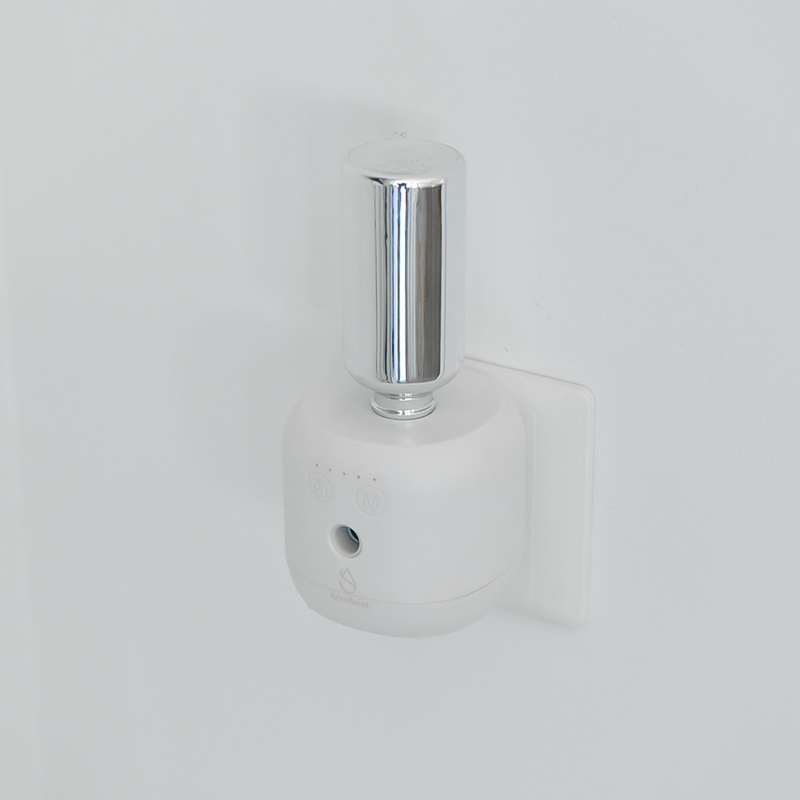
For those prioritizing therapeutic potency, nebulizing technology is the superior choice. These units operate on Bernoulli's principle of fluid dynamics. A small air pump forces pressurized air through a narrow tube. This creates a vacuum that pulls pure essential oil from a glass reservoir. As the oil reaches the top of the tube, the pressurized air atomizes it into micro-particles. It disperses an undiluted mist directly into the environment.
Nebulizers deliver the strongest, most authentic aroma available. They do not use water or heat. They provide rapid, dense room coverage. This makes them capable of scenting large, open-concept spaces quickly. The drawbacks include a significantly higher oil consumption rate. There is no water to act as a carrier. The internal air pump also generates a slight hum. This noise might be noticeable in silent rooms. The micro-tubes require strict, regular maintenance to prevent thick oils from clogging the system.
Passive dispersion relies entirely on natural evaporation. It utilizes no electricity, water, or moving parts. Materials such as unglazed ceramic, porous terracotta stone, and rattan reeds physically absorb the essential oils. Once absorbed, the volatile compounds slowly evaporate off the surface area. They release a subtle, sustained aroma into the immediate vicinity.
These systems offer zero noise and zero energy consumption. They provide an elegant, low-intervention method of scenting a space. The primary limitation is their very limited scent throw. Passive systems lack the mechanical force to push aroma across a room. They are suitable only for micro-environments like desks, bedside tables, or small powder rooms. Users lack control over the dispersion rate. The rate fluctuates based on ambient room temperature and humidity.
Evaporative models use a small fan to blow air through a pad or filter soaked in essential oils. This accelerates the natural evaporation process. Heat models utilize a gentle heat source, such as a candle or an electric warming plate. This warms the oil and speeds up volatilization.
While these methods are often inexpensive, we do not recommend them for high-quality botanical extracts. Both heat and forced air cause the fractionation of oil components. The lighter molecules evaporate rapidly. This provides an initial burst of scent. The heavier molecules remain behind. This skews the aroma profile. It prevents the user from experiencing the complete, balanced chemical structure of the oil.
| Diffuser Technology | Dispersion Mechanism | Primary Advantage | Notable Limitation | Ideal Room Application |
|---|---|---|---|---|
| Ultrasonic | High-frequency water vibration | Adds mild humidity, very quiet | Dilutes oil concentration | Bedrooms, dry climates |
| Nebulizing | Pressurized air atomization | Maximum scent potency, undiluted | Higher oil consumption, slight motor hum | Large living areas, open-concept spaces |
| Passive (Reed/Stone) | Natural surface evaporation | Zero energy use, completely silent | Very weak scent throw | Desks, small bathrooms, nightstands |
| Heat/Evaporative | Thermal or fan-assisted evaporation | Inexpensive, simple operation | Alters chemical profile of oils | Not recommended for therapeutic use |
A frequent error in atmospheric design is deploying an undersized unit in a large space. This results in an imperceptible scent. Conversely, placing an oversized unit in a small room causes olfactory fatigue. You must match the water tank capacity or the nebulizer output to the specific square footage of your target room. Ceiling height also plays a major role. Rooms with vaulted ceilings require higher output capacities because the mist has more cubic volume to fill before reaching the occupants.
For a standard bedroom or home office measuring 150 to 200 square feet, a 100ml to 150ml ultrasonic unit is sufficient. This capacity typically provides 3 to 4 hours of continuous mist. It is ideal for initiating sleep. For open-concept living areas or master suites ranging from 400 to 600 square feet, you need a 300ml to 500ml ultrasonic unit. A high-output nebulizer also works well to achieve adequate saturation. Consider run-time expectations when selecting a unit. Intermittent modes extend the longevity of the water and oil supply. They maintain a subtle, relaxing atmosphere throughout the day without overwhelming the senses.
The physical placement of your room diffuser dictates its efficiency. Mist behaves like a fluid. It is influenced by ambient airflow, temperature gradients, and HVAC systems. Placing a unit directly beneath a ceiling fan scatters the mist too rapidly. Positioning it near an open window or an HVAC return vent pulls the VOCs out of the room before you can inhale them.
Implement these actionable placement rules for optimal dispersion:
Setting up a room requires precise calibration of the oil-to-water ratio. Over-saturation leads to headaches and respiratory irritation. Under-saturation yields no atmospheric benefit. For standard ultrasonic models, establish a baseline ratio of 3 to 5 drops of pure essential oil per 100ml of water.
If you use a 300ml tank, start with 9 to 15 drops. Adjust this baseline based on the viscosity and intensity of the specific oil. Heavy, pungent oils like vetiver or patchouli require fewer drops. Lighter, highly volatile citrus oils like sweet orange or grapefruit require a slightly higher concentration. Always start with the minimum effective dose. Adjust upward based on your personal olfactory sensitivity and the room's airflow dynamics.
Maintenance is non-negotiable. Essential oils contain heavy lipids and resins. If left unattended, they adhere to the plastic reservoir and the ultrasonic transducer. This buildup hardens over time. It insulates the ceramic disc and drastically reduces mist output. Hard water also leaves mineral deposits, known as scale, which further degrades performance. Stagnant water combined with botanical organic matter creates an ideal breeding ground for microbial growth and mold.
Implement a strict cleaning schedule to ensure longevity and hygiene. Follow these exact steps for proper maintenance:
Creating a relaxing atmosphere must not compromise household safety. Mammalian physiology varies significantly. What relaxes a human can be highly toxic to domestic animals. Dogs and cats, particularly felines, lack specific liver enzymes required to metabolize certain botanical compounds.
Oils rich in phenols and ketones pose severe toxicity risks to pets if inhaled in high concentrations or ingested. These include eucalyptus, tea tree, peppermint, citrus, and ylang-ylang. When diffusing in a household with animals, ensure the room is well-ventilated. The pet must always have an open door to leave the area. For households with young children or individuals with hyper-reactive airways, utilize intermittent diffusion. Running a unit continuously for hours causes olfactory fatigue and irritates the respiratory tract. Adhere to a strict protocol of 30 minutes on, followed by 30 minutes off.
The chemical composition of essential oils makes them highly corrosive to cheap plastics. Citrus oils contain high levels of d-limonene. This natural solvent eats through standard plastics like ABS. It causes the reservoir to crack, leak, or leach chemical compounds into the mist.
When evaluating hardware, prioritize material integrity. The internal reservoir must be constructed from high-quality, BPA-free polypropylene (PP). This material is engineered to withstand prolonged exposure to corrosive botanical compounds. For nebulizing systems, medical-grade glass is the industry standard. It ensures zero chemical interaction between the hardware and the pure oils. Exterior housings made from natural wood, ceramic, or metal offer superior durability. They also provide better aesthetic integration compared to thin, brittle plastics.
Selecting oils for relaxation requires understanding the specific chemical markers that drive physiological outcomes. You formulate a functional atmosphere based on molecular profiles rather than generic labels.
To reduce anxiety and initiate sleep, look for oils high in linalool and linalyl acetate. These esters and alcohols have documented sedative effects on the central nervous system. You find them abundantly in Lavender, Clary Sage, and Bergamot. For grounding and emotional stabilization, utilize oils rich in cedrol. This sesquiterpene alcohol is prominent in Cedarwood and Vetiver. It slows rapid breathing. If tension manifests as physical tightness, compounds like menthol and terpinen-4-ol provide a cooling sensation. Found in Peppermint and Tea Tree, they ease muscular tension and create a perception of clear airways. By selecting oils based on their chemical constituents, your home aroma diffuser becomes a targeted tool for environmental conditioning.
Dispersing a single oil often results in a flat, one-dimensional atmosphere. To create a sustained, evolving aroma, apply the principles of perfumery. Blend top, middle, and base notes. This technical approach ensures the scent unfolds gradually over several hours.
Top notes are highly volatile. They evaporate quickly to provide the initial impression. Examples include Sweet Orange and Bergamot. Middle notes form the core of the blend, balancing the nervous system. Lavender and Roman Chamomile fit here. Base notes are heavy molecules that evaporate slowly. They anchor the blend and provide long-lasting depth. Frankincense and Cedarwood are excellent base notes.
A standard relaxing formulation might consist of 2 drops of Bergamot (top), 3 drops of Lavender (middle), and 1 drop of Cedarwood (base). This 2:3:1 ratio guarantees a balanced, sustained dispersion. It maintains a relaxing environment without olfactory burnout.
Achieving a genuinely relaxing atmosphere requires the precise intersection of high-quality botanical extracts, appropriate dispersion technology, and correct room sizing. You must match the hardware to the physical dimensions of your space and commit to regular maintenance to preserve the integrity of the volatile organic compounds.
Take the following actions to implement a functional scent strategy in your space:
A: Run the unit for 30 to 60 minutes at a time. Continuous operation beyond an hour leads to olfactory fatigue, where your nervous system stops registering the scent. Intermittent diffusion, such as 30 minutes on and 30 minutes off, provides the best therapeutic benefit while preventing respiratory irritation and conserving your oils.
A: The standard baseline is 3 to 5 drops of pure essential oil per 100ml of water for ultrasonic models. For a 300ml tank, use 9 to 15 drops. Nebulizing models do not use water. You attach the oil bottle directly to the unit, and the internal pump dictates the output rate.
A: Yes. While pure botanical extracts are natural, they are still volatile organic compounds that can irritate hyper-reactive airways. Individuals with asthma or severe allergies should consult a physician before use. If approved, use highly diluted ratios, ensure excellent room ventilation, and strictly limit run times to monitor respiratory responses.
A: It cannot mechanically purify the air. Certain oils possess mild antimicrobial properties that can neutralize specific airborne odors. However, the device does not remove dust, dander, or particulate matter. It is a tool for atmospheric enhancement and mood modulation, not a substitute for a HEPA air purifier.
A: A humidifier outputs large volumes of water to significantly increase room humidity. Its plastics are rarely built to withstand corrosive oils. A fragrance diffuser outputs a much lower volume of mist. It is constructed from specific BPA-free plastics or glass designed to safely handle heavy botanical lipids without degrading.
A: Weak scent throw is typically caused by a clogged ultrasonic transducer due to hardened oil lipids, an insufficient oil-to-water ratio, or poor placement near an HVAC return vent. Olfactory adaptation, where your nose gets used to the smell, is also common. Regular deep cleaning usually resolves hardware-related output issues.
A: Empty residual water and wipe the reservoir dry after every daily use. Perform a deep clean weekly by running a mixture of water and white vinegar through the system for five minutes. Then, gently swab the ceramic disc with isopropyl alcohol to remove lipid buildup and prevent cross-contamination.


