
Views: 0 Author: Site Editor Publish Time: 2026-08-04 Origin: Site


Ambient scent creates an immediate, subconscious impact on a guest’s first impression. When travelers walk through your doors, their olfactory senses bypass conscious thought. The environmental fragrance sets the tone instantly. It transitions them from the chaos of travel into the curated experience of your property. This sensory engagement extends from the grand lobby to the individual guest room.
Maintaining a consistent, premium olfactory environment presents significant operational challenges. Consumer-grade air fresheners fail in large architectural spaces. They leave inconsistent scent dispersion across expansive areas. Masking ambient odors with heavy, synthetic sprays often overwhelms guests. It creates an artificial atmosphere that detracts from luxury branding. Hospitality operators must migrate to commercial-grade scenting infrastructure to resolve these issues.
This guide serves as a technical and operational manual. We will evaluate, select, and implement a system that aligns with strict luxury brand standards. You will learn how to navigate deployment scales, maintenance protocols, and risk mitigation strategies effectively.
Implementing a fragrance program requires clear operational benchmarks. You must establish what a successful scenting initiative actually looks like on the ground. Uniform dispersion across target zones is a primary metric. The system must deliver zero residue on furniture, floors, or fixtures. The chosen fragrance must align seamlessly with your visual and auditory branding. A modern, minimalist lobby requires a different olfactory profile than a rustic mountain lodge.
Basic odor control is a reactive process. It focuses on masking bad smells near restrooms, damp coastal corridors, or busy kitchen entrances. Premium scenting is entirely different. It creates a signature environmental scent that elevates perceived property value. You are not just hiding unpleasant odors. You are actively designing an atmosphere. A well-executed fragrance strategy makes spaces feel cleaner, more expansive, and highly curated.
Facilities directors often struggle with the transition from odor remediation to atmospheric design. Remediation uses heavy, synthetic chemicals designed to overpower airborne bacteria. Atmospheric design uses complex, multi-layered fragrance notes that interact with the natural airflow of the building. This shift requires a fundamental change in how engineering teams approach indoor air quality.
Travel fatigue heavily influences a guest’s mood upon arrival. Long flights, traffic delays, and general transit stress take a toll. Scent branding offers a powerful emotional intervention. Specific olfactory triggers can soothe stressed travelers immediately. When they inhale a calming blend of white tea or sandalwood, their emotional state shifts. This subconscious relaxation improves their overall brand perception before they even reach the check-in desk.
The olfactory bulb in the human brain connects directly to the amygdala and hippocampus. These areas process emotion and memory. Because of this biological hardwiring, scent bypasses logical processing. A guest does not consciously decide to feel relaxed when they smell lavender; the physiological response happens automatically. Hospitality operators leverage this biological response to engineer a welcoming environment.
Sensory marketing directly influences operational metrics. Industry frameworks show that a pleasant ambient scent increases dwell time in public spaces. Guests linger longer in lobbies and lounges. They also perceive wait times at check-in as significantly shorter. This positive psychological distortion boosts overall Guest Satisfaction Scores (GSS).
A memorable signature scent also drives brand recall. When guests encounter similar notes elsewhere, they remember their stay. This emotional connection strongly encourages repeat bookings. Effective scent marketing requires precision. It demands the right technology to deliver the fragrance flawlessly across thousands of square feet.
| Operational Focus | Reactive Odor Control | Proactive Scent Marketing |
|---|---|---|
| Primary Goal | Mask unpleasant smells in problem areas. | Enhance brand identity and guest emotion. |
| Dispersion Method | Aerosol sprays, gel blocks, drip systems. | Cold-air nebulization, HVAC integration. |
| Guest Perception | Often perceived as artificial or overwhelming. | Perceived as luxurious, clean, and intentional. |
| Placement | Restrooms, trash rooms, service corridors. | Main lobbies, spa entrances, executive lounges. |
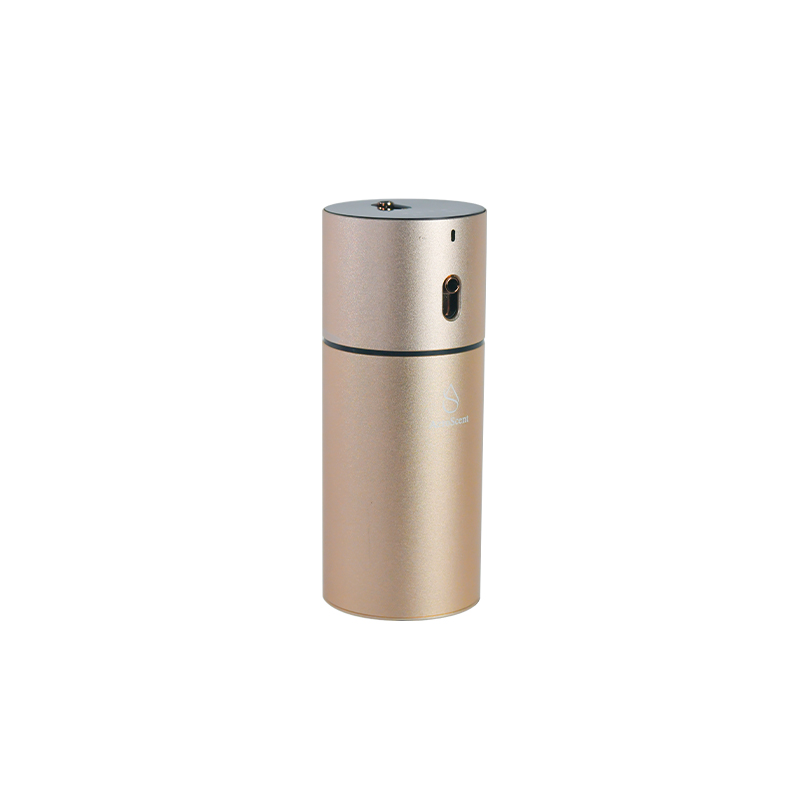
Selecting the right hardware is critical for operational success. Consumer diffusers cannot handle the demands of a high-traffic hospitality environment. You must evaluate commercial-grade options based on output, reliability, and maintenance requirements. The engineering team needs equipment that runs continuously without constant manual intervention.
Cold-air nebulization is the gold standard for commercial spaces. This technology uses high-velocity air pressure to break essential oils into dry nanoparticles. The internal compressor forces air through a tiny nozzle, creating a Venturi effect. This vacuum pulls the liquid oil up a siphon tube and shatters it against a baffle. The resulting microscopic particles float on the natural air currents of the room.
These dry particles leave no residue. They provide consistent, long-lasting coverage without altering the environment. Traditional methods fail in commercial settings for several reasons. Ultrasonic diffusers rely on water. They increase room humidity, which can damage artwork or woodwork over time. They also introduce a severe mold risk if reservoirs are not sanitized daily.
Heat-based diffusers are equally problematic. Heat alters the chemical composition of essential oils. It degrades the scent profile, turning premium fragrances into burnt or synthetic-smelling odors. Heat also destroys the therapeutic properties of the botanical extracts, rendering the investment in high-quality oils useless.
HVAC integration offers the most comprehensive solution for massive properties. These systems connect directly to the supply ductwork post-air-handler. They utilize the building's existing airflow to distribute fragrance. This method requires coordination with your facilities management team to ensure proper installation.
When installing an HVAC unit, the technician must drill a small hole into the supply plenum. They insert a pitot tube that carries the dry fragrance mist into the airstream. The machine must be wired to the air handler's fan relay. If the fan shuts off, the diffuser must also shut off. Otherwise, the machine will pump fragrance into a stagnant duct, causing oil to condense and pool inside the sheet metal.
Not every space requires HVAC integration. Standalone and wall-mounted units offer exceptional flexibility. They are ideal for boutique lobbies, elevator banks, spa corridors, and targeted transition zones. You can deploy them quickly without accessing mechanical rooms or modifying ductwork.
A standalone hotel scent diffuser allows you to zone different fragrances. You might use an energizing citrus blend in the fitness center. You can switch to a calming lavender profile in the spa reception. This plug-and-play deployment lets engineering teams adjust the sensory experience zone by zone.
Wall-mounted units are highly effective in long corridors. By placing a unit near the elevator bank, you create a scent trail that follows the guest to their room. These units must be mounted high enough to prevent tampering but low enough for maintenance staff to access the oil reservoir easily.
Personalization is a growing trend in luxury hospitality. Properties are placing IoT-enabled, app-controlled diffusers in individual suites and premium vacation rentals. These smart micro-diffusers allow guests to customize their in-room scent experience. They can adjust the intensity or turn the unit off entirely via a smartphone app or bedside tablet.
These smaller units fit seamlessly into a broader property-wide strategy. The lobby establishes the core brand identity. The in-room experience offers tailored luxury. This ecosystem integration ensures the guest remains engaged with your brand throughout their stay. Housekeeping teams simply swap out the small oil cartridges during room turnover.
Procuring the right equipment requires strict technical evaluation. You must analyze coverage capacity, digital management features, and ongoing maintenance overhead. Guesswork leads to underperforming systems and frustrated engineering teams. A machine that looks sleek but lacks the internal compressor power to scent a large atrium is a wasted investment.
Do not base your equipment selection solely on square footage. You must calculate required unit output based on cubic footage. Ceiling height drastically alters the volume of air you need to scent. A lobby with a 10-foot ceiling requires far less output than an atrium with a 30-foot ceiling.
HVAC turnover rates also impact dispersion. High-velocity air handlers will dilute the fragrance faster. You must evaluate how many air changes per hour (ACH) occur in the target zone. A space with high ACH requires a machine with a higher milliliter-per-hour consumption rate to maintain a noticeable scent profile. If the lobby doors open constantly, you lose scented air to the outside, requiring higher output to compensate.
Modern commercial systems must offer advanced programmability. Look for units with Wi-Fi or Bluetooth connectivity. Centralized management dashboards allow engineering teams to monitor multiple units from a single interface. They can check oil levels, adjust running times, and troubleshoot errors remotely without walking the property.
Adjusting intensity for peak versus off-peak traffic is crucial. You want higher intensity during busy check-in hours. You should lower the output overnight to optimize oil consumption. Digital scheduling automates this process. It removes the need for staff to manually adjust dials throughout the day. You can program a duty cycle that runs the machine for 60 seconds and pauses for 120 seconds, maintaining a subtle, consistent background note.
Evaluate the operational overhead before committing to a system. You must analyze the labor time required for refilling. Machines with larger internal reservoirs require fewer touches per month. A 500ml bottle might last 30 days, while a 1000ml bottle extends the maintenance cycle to 60 days. This frees up your maintenance staff for other duties.
Consider the machine lifespan and the type of fragrance cartridges used. Proprietary cartridges often lock you into specific vendors. Open-source reservoirs allow you to source bulk oils independently. Establish baseline expectations for maintenance routines. Most systems require a quick nozzle cleaning with rubbing alcohol every 30 to 90 days. Factor this labor into your monthly operational planning.
Choosing a reliable commercial aroma machine minimizes downtime and keeps your lobby smelling pristine. The internal air pump is the most common point of failure. Ensure the manufacturer uses heavy-duty, commercial-grade compressors rated for continuous operation.
| Maintenance Task | Frequency | Procedure |
|---|---|---|
| Oil Level Check | Weekly | Visually inspect the reservoir or check the IoT dashboard for low-level alerts. |
| Nozzle Cleaning | Monthly | Remove the nebulizer core. Soak in 91% isopropyl alcohol for 15 minutes to dissolve hardened oil. |
| Filter Inspection | Quarterly | Check the internal air intake filter on the compressor. Replace if clogged with dust. |
| HVAC Tube Check | Bi-Annually | Inspect the delivery tube connecting the machine to the ductwork for kinks or oil pooling. |
Hardware is only half the equation. The fragrance itself carries the emotional weight of your brand. Formulating a signature scent requires aligning olfactory notes with your property’s physical aesthetics and target demographic. You cannot simply pick a scent because it smells pleasant in a bottle; it must perform well in a large, open environment.
Your scent must make sense in its environment. A mismatch creates subconscious confusion for the guest. You need a framework for matching scent notes to property types. Fragrances are built on top, middle, and base notes. Top notes like citrus flash off quickly. Base notes like wood and musk linger in the air and anchor the scent profile.
The quality of your oil dictates the quality of the guest experience. You must understand the difference between synthetic fragrance oils and high-grade essential oil blends. Pure essential oils offer therapeutic benefits but can be volatile and difficult to standardize. High-grade commercial blends combine natural essential oils with safe synthetics. This ensures stability, longevity, and consistent dispersion through cold-air nebulizers.
Sourcing consistency is vital for multi-property rollouts. If you manage five hotels under one brand, the scent must be identical at every location. Work with vendors who guarantee batch consistency. Variations in oil formulation will ruin the uniformity of your brand identity. Always request the Safety Data Sheet (SDS) and IFRA compliance certificates for any oil you intend to diffuse.
Deploying commercial scent systems introduces specific operational risks. You must adhere to strict safety protocols to protect guests, staff, and physical assets. Improper installation leads to equipment failure and potential liability. Engineering teams must treat scent diffusers with the same operational rigor as any other mechanical system in the building.
Standalone units require strategic placement. You must outline strict rules for your engineering and housekeeping teams. Never place a diffuser directly beneath a smoke detector. The dry nanoparticles can trigger sensitive optical sensors, causing false fire alarms. Keep units away from strong exhaust vents or return air grilles. If placed too close to a return, the HVAC system will immediately suck the fragrance out of the room and deposit it into the air filter.
Avoid placing units near direct guest seating. The immediate output zone can be too concentrated. You must also avoid high-humidity zones. Do not place cold-air nebulizers near sinks, indoor pools, or tubs. Moisture compromises the nebulization efficiency. Never deploy indoor units in outdoor locations where weather exposure creates electrical safety hazards.
Olfactory fatigue is a serious operational risk. Your staff will stop smelling the ambient scent after a few hours. They may assume the machine is empty and manually increase the intensity. This leads to severe over-concentration, which overwhelms arriving guests who have fresh olfactory receptors.
You must mandate the use of hypoallergenic, IFRA-compliant, and VOC-compliant essential oils. The International Fragrance Association sets strict guidelines for safe exposure levels. Using compliant oils mitigates allergic reactions. Always prioritize subtle intensity. The scent should be a background note, not a dominant force. Lock the machine settings so unauthorized staff cannot alter the output levels.
Improper calibration causes severe maintenance issues. If a machine outputs too much oil in a confined space, the nanoparticles will eventually settle. This creates a slippery oil residue on lobby furniture, marble floors, or HVAC filters. It damages property and creates slip-and-fall hazards.
Prevent this through proper nebulizer cleaning and strict output limits. Train staff to inspect the immediate area around standalone units weekly. If they spot residue, they must lower the intensity setting immediately and clean the nebulizer core. A properly calibrated hotel essential oil diffuser will never leave a physical trace on surrounding surfaces.
A: The best systems for large lobbies utilize cold-air diffusion technology. For open spaces exceeding 5,000 square feet, HVAC-integrated machines are optimal. They connect to existing ductwork to provide invisible, uniform coverage across massive areas without leaving residue on furniture or floors.
A: Commercial units physically tie into the HVAC supply duct, typically positioned just after the air-handler unit. A small tube feeds the dry fragrance nanoparticles into the airstream. The building’s natural airflow then distributes the scent evenly throughout the designated zones.
A: Yes, provided the property uses high-quality oils. Safe systems rely on fragrances that are strictly IFRA-compliant and VOC-compliant. Cold-air technology also prevents mold growth associated with water-based diffusers. Maintaining subtle intensity levels further minimizes the risk of triggering respiratory sensitivities.
A: Absolutely. Many luxury properties deploy smart, wall-mounted, or tabletop micro-diffusers in suites. These units are designed for smaller square footage. They often feature IoT connectivity, allowing guests to control the scent intensity or turn the unit off via a smartphone app.
A: The financial commitment varies widely based on scale. You must account for the initial hardware investment, which is higher for HVAC units than standalone models. The primary ongoing expense is the monthly oil consumption, which depends heavily on your programmed running hours and the cubic footage being scented.
A: Luxury properties typically favor sophisticated, layered blends. Standard foundational notes include white tea, sandalwood, bergamot, fig, and lavender. Coastal resorts often incorporate subtle citrus or coconut, while mountain lodges lean toward cedar and rich amber profiles.
A: Refill duration typically ranges from 30 to 90 days. The exact lifespan is dictated by the bottle capacity, the programmed daily running hours, and the specific intensity settings. High-traffic lobbies requiring maximum output will consume oil much faster than quiet spa corridors.


