
Views: 0 Author: Site Editor Publish Time: 2026-08-19 Origin: Site


The evolution of workplace design has moved beyond ergonomics and lighting to include sensory environment management, with ambient scenting emerging as a measurable factor in employee experience and workplace well-being. Facilities managers and HR directors struggle to combat stale office environments, afternoon productivity slumps, and high-stress atmospheres without resorting to intrusive or high-cost interventions. While consumer-grade air fresheners often introduce synthetic VOCs that trigger sensitivities, deploying a strategic essential oil diffuser office setup offers a controlled, verifiable method to influence the workplace environment. This approach works exceptionally well provided the hardware, technical protocols, and HR policies are correctly evaluated prior to installation.
Defining success for a workplace scenting initiative requires establishing clear, observable criteria. A successful deployment actively reduces complaints regarding stale indoor air and poor ventilation. It improves self-reported employee mood during routine quarterly surveys. It enhances first impressions for visiting clients entering the lobby. Most importantly, it provides a passive, non-disruptive tool for better stress management across high-pressure departments like customer support or outbound sales.
Environmental psychology studies consistently link olfactory stimulation to workplace well-being and cognitive performance. The human olfactory bulb connects directly to the limbic system, the brain region governing emotion and memory. Introducing specific botanical profiles into the air yields realistic, observable outcomes in daily operations without requiring active participation from the staff.
Peppermint oil stimulates the mind and increases alertness. Facilities teams often deploy it in training rooms to keep attendees focused during long seminars. Lavender serves a different purpose entirely. It lowers heart rates and reduces ambient anxiety. Placing lavender diffusion in high-stress zones helps regulate employee tension during peak operational hours. Bergamot and lemon oils clear mental fatigue. They work exceptionally well in creative spaces where teams need sustained mental clarity for brainstorming. Rosemary actively supports memory retention due to its 1,8-cineole content. Using these pure extracts avoids exaggerated medical claims while delivering genuine, localized cognitive support.
Commercial spaces must differentiate between masking odors and actively neutralizing them. Synthetic chemical sprays simply cover bad smells with heavier artificial fragrances. This approach worsens indoor air quality (IAQ). It leaves a heavy, cloying atmosphere that frequently causes headaches and triggers asthma in sensitive individuals.
Pure essential oils actively improve the physical environment. Many oils possess natural antibacterial, antiviral, and antifungal properties. Tea tree and eucalyptus oils break down odor-causing bacteria at a molecular level. Diffusing these oils neutralizes lingering food smells from breakrooms and eliminates musty odors in older buildings with aging ductwork. This natural remediation contributes directly to perceived workplace hygiene. Employees notice the crisp, clean air. It builds confidence in the facility's overall cleanliness without relying on harsh chemical aerosols or heavy perfumes.
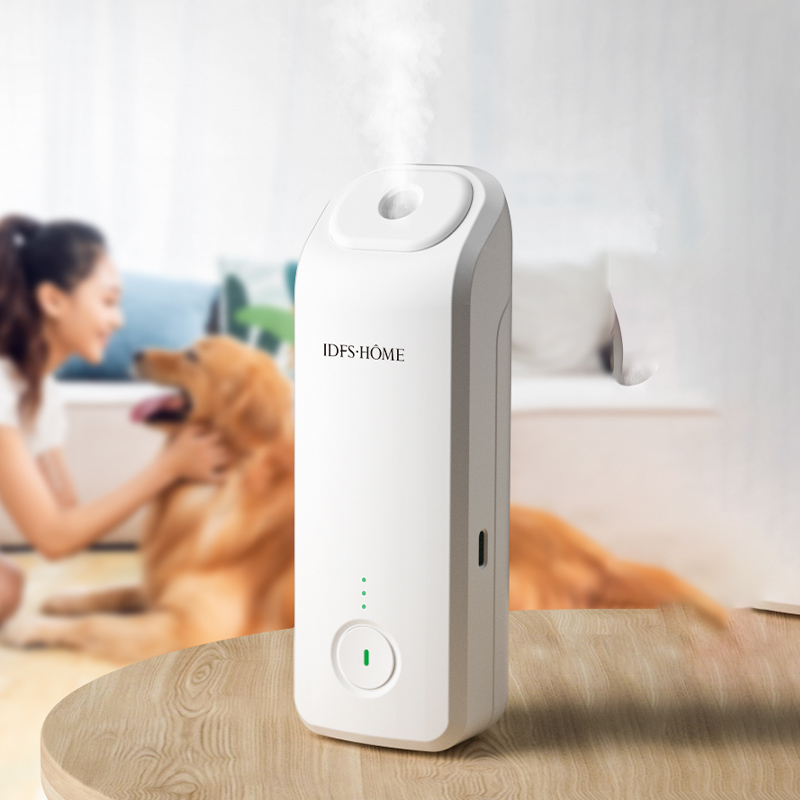
Selecting the right hardware dictates the success of your ambient scenting program. Equipment ranges from small personal units to massive integrated systems. Each category serves a distinct operational purpose and requires different maintenance protocols.
Desktop diffusers utilize either ultrasonic technology or passive evaporation. Ultrasonic units use water and high-frequency vibrations to create a fine mist. Passive units rely on natural airflow over a porous ceramic or reed material.
Standalone units bridge the gap between personal desks and whole-building systems. A professional office aroma diffuser typically uses nebulizing technology. Nebulizers operate without water or heat. They use pressurized cold air to break pure essential oils into microscopic nanoparticles.
These units excel in lobbies, breakrooms, and mid-sized conference rooms. A standard standalone unit covers between 500 and 1,500 square feet. They feature sleek designs that blend into modern corporate aesthetics. The waterless operation ensures zero humidity changes, protecting sensitive office equipment. The scent distribution remains consistent from the first hour to the last, unlike water-based units that lose intensity as the reservoir empties.
Enterprise-scale environments require whole-office diffusion. HVAC-integrated systems connect directly to the building's ductwork. They utilize the existing airflow to distribute scent uniformly across thousands of square feet.
Installation requires technical coordination with HVAC technicians. The technician drills a small access hole into the supply plenum, downstream from the air handler and filters. They insert a Teflon tube connected to the diffusion unit. The system injects sub-micron scent particles directly into the supply ducts. This guarantees uniform scent distribution and eliminates hot spots where scent concentrates too heavily. These systems suit large open-plan floors and multi-story corporate headquarters perfectly.
| Hardware Type | Technology | Coverage Area | Best Use Case | Maintenance Level |
|---|---|---|---|---|
| Desktop Unit | Ultrasonic / Water | 50 - 100 sq. ft. | Individual cubicles, private offices | High (Daily refills, weekly cleaning) |
| Standalone Nebulizer | Cold-Air Diffusion | 500 - 1,500 sq. ft. | Lobbies, conference rooms, breakrooms | Medium (Monthly oil top-ups) |
| HVAC System | Duct-Injected Nebulizing | 2,000+ sq. ft. | Open-plan floors, entire buildings | Low (Quarterly canister replacements) |
Evaluating a commercial diffuser requires analyzing specific technical specifications. You must match the machine's capabilities to your facility's physical dynamics and airflow metrics.
Square footage alone does not determine hardware requirements. You must calculate the necessary micron output based on total cubic volume. High ceilings demand higher output capacities. Office airflow and ventilation rates also play a critical role. A room with high air exchange rates, measured in cubic feet per minute (CFM), pulls scent out quickly. You need a machine capable of continuous, higher-volume output to maintain the ambient aroma in well-ventilated spaces. Always check the unit's maximum milliliter-per-hour (ml/hr) consumption rate to ensure it can keep up with your HVAC system's air turnover.
Operational efficiency matters just as much as hardware specs. Compare the capacity of the essential oil reservoirs against the labor required for refilling. A 500ml reservoir might last a month in a medium-sized lobby. A 100ml reservoir requires weekly attention from the facilities team, increasing maintenance labor.
Evaluate the programmable scheduling features. Modern units offer Bluetooth or Wi-Fi connectivity. Facilities managers can program exact operating hours. You can set the machine to run only Monday through Friday, from 8 AM to 6 PM. You can adjust the intensity levels for different times of day. This optimization drastically reduces oil consumption and aligns perfectly with building occupancy schedules, ensuring you do not waste resources scenting an empty building over the weekend.
Nebulizing units contain internal air pumps. These pumps generate vibration and noise. Assessing the decibel output is crucial for workplace harmony. A machine placed in a busy lobby can tolerate higher noise levels. A unit placed near quiet work zones or inside conference rooms must operate silently.
Look for equipment rated below 35 decibels. This mimics the sound of a quiet library. Anything louder will disrupt concentration and interfere with conference calls. Always test the acoustic footprint of a unit before finalizing a large-scale deployment. For HVAC units, ensure the mounting bracket includes rubber vibration isolators to prevent pump noise from transferring through the sheet metal ductwork.
Deploying hardware is only half the battle. You must formulate a cohesive scent strategy. Randomly diffusing oils creates sensory chaos. A structured approach ensures positive employee reception and maximizes the cognitive benefits of the botanicals.
Map scents to functional areas based on the tasks performed there. High-stress call centers benefit from calming woods like cedar or sandalwood. These grounding scents reduce anxiety during difficult client interactions. Creative collaboration spaces require different energy. Invigorating citrus blends boost concentration and lateral thinking. Breakrooms need clean, refreshing scents like grapefruit or mint to neutralize food odors and reset the palate before employees return to their desks.
Establish technical protocols for timing diffusion. Match the output to the natural rhythm of the workday to maximize impact.
Use scent as a subtle extension of corporate branding. Client-facing areas demand a premium feel. Lobbies and reception desks set the tone for the entire visitor experience. A signature scent creates a memorable, inviting workspace. Luxury hotels use this tactic extensively. Corporate offices now adopt it to project professionalism and attention to detail. Select a blend that reflects your company culture—crisp and modern for tech firms, or warm and traditional for law offices.
Balance the desire for a noticeable ambient scent with the necessity of remaining unobtrusive. The goal is a background ambiance, not a perfume counter. If employees consciously notice the scent constantly, the intensity is too high. The aroma should register upon entering the space and then fade into the background of their awareness. This prevents olfactory fatigue, a condition where the nose becomes blind to a constant smell, prompting facilities managers to incorrectly turn up the machine's intensity.
Introducing airborne elements into a shared workspace requires strict adherence to HR protocols. You must prioritize employee health and comfort above aesthetic goals. A poorly managed rollout will result in immediate pushback from the staff.
Workplace allergies and respiratory concerns represent valid challenges. You must address them proactively. The critical difference lies in the source material. Synthetic fragrance oils contain phthalates, parabens, and artificial fixatives. These chemicals frequently trigger headaches, asthma attacks, and allergic reactions.
You must mandate the exclusive use of 100% pure, therapeutic-grade essential oils. Pure botanical extracts rarely trigger the same sensitivities as synthetic chemicals. However, even natural oils can bother some individuals. Transparency regarding the exact botanical ingredients is non-negotiable. Always keep the Safety Data Sheets (SDS) on file for every oil blend you deploy.
Never surprise your workforce with a new scenting initiative. Roll out the program using a phased framework to ensure employee buy-in and identify potential issues early.
Ensure your chosen diffusion method complies with indoor air quality guidelines. Proper cold-air nebulization breaks oils down to sub-micron levels. These tiny particles float freely in the air. They do not leave oily residue on office equipment, monitors, or flooring. Confirm that your HVAC system maintains adequate fresh air intake according to ASHRAE 62.1 standards. Proper ventilation prevents scent accumulation over time and ensures the indoor air remains fresh and safe for all occupants.
An essential oil diffuser office setup proves to be a highly effective environmental enhancement. When approached as a technical facilities upgrade rather than a casual aesthetic addition, it delivers measurable improvements in air quality and employee focus. Selecting the right hardware and pure botanical oils ensures a safe, productive workspace.
Take these immediate next steps to upgrade your facility:
A: Yes, they are safe when deployed correctly. Safety relies on proper dilution, utilizing cold-air diffusion technology, and ensuring adequate HVAC ventilation. Always use 100% pure essential oils rather than synthetic fragrances to minimize respiratory irritation among staff. Facility managers must also monitor air exchange rates to prevent scent accumulation.
A: A humidifier uses water to add moisture to the air. An office aroma diffuser, specifically a nebulizing type, is waterless. It uses pressurized cold air to break pure essential oils into sub-micron particles, scenting the space without altering room humidity or risking water damage to electronics.
A: Monthly operations involve checking the oil levels and ensuring the nozzle is clear. Nebulizing systems are highly efficient. Programmable timers ensure oils are only consumed during active office hours, keeping ongoing refill schedules predictable. HVAC units typically require canister replacements only once every quarter.
A: Yes. A scent machine frequently integrates with existing HVAC ductwork. A technician installs a bypass tube that injects the micro-mist directly into the supply air plenum. This method provides the most uniform scent distribution across large, multi-zone office environments without creating localized hot spots.
A: Address allergies proactively through HR. Exclusively use pure essential oils, which trigger fewer reactions than synthetics. Establish designated scent-free zones. Utilize localized desktop diffusers for opt-in areas rather than whole-floor systems if a significant portion of the staff reports severe sensitivities.
A: Evidence-backed oils for productivity include rosemary for memory retention, peppermint for alertness, bergamot for mood elevation, and lemon for mental clarity. These botanical profiles help reduce workplace stress and combat afternoon fatigue without overwhelming the senses or causing olfactory fatigue.
A: Professional cold-air nebulizing diffusers do not leave residue. They break oils down into sub-micron particles that remain suspended in the air. Cheap ultrasonic models that use water can sometimes cause localized moisture or oily fallout, which is why waterless technology is recommended for commercial offices.


