
Views: 0 Author: Site Editor Publish Time: 2026-08-10 Origin: Site


Continuous essential oil diffusion often leads to diminished returns. You experience "nose blindness" while rapidly depleting expensive oils. Managing ambient fragrance manually requires constant monitoring. You must balance scent intensity, therapeutic efficacy, and safety. This manual approach fails for sustained residential or commercial use. You cannot realistically watch a device all day to ensure it operates efficiently. Implementing an essential oil diffuser with timer automates this entire process. It provides precise control over dispersion intervals. This automation mitigates olfactory fatigue instantly. It also optimizes long-term consumable usage by preventing unnecessary waste. You gain a consistent aromatic environment without the constant need for manual adjustments.
The human olfactory system is highly efficient but easily overwhelmed. When exposed to a continuous scent, olfactory receptors in the nose adapt rapidly. Your nose stops registering a smell within 30 to 60 minutes. We call this phenomenon olfactory adaptation or "nose blindness." Running a device continuously past this window renders the ongoing diffusion entirely ineffective. You pump fragrance into a room that no one can smell anymore. This adaptation acts as a biological defense mechanism. It allows humans to detect new odors in their environment. Bypassing this adaptation requires strategic pauses in scent delivery. You must give the receptors time to reset. Field tests consistently show that users who run devices non-stop complain about weak oil quality, when the actual issue is their own sensory fatigue.
Running diffusers continuously creates a severe drain on resources. High-quality essential oils represent a significant ongoing expenditure. Continuous operation burns through these premium liquids rapidly. You gain zero added ambient benefit after the first hour of continuous misting. Every drop dispersed after olfactory adaptation sets in is wasted. This rapid depletion forces frequent refills and accelerates consumable purchasing cycles. A standard waterless unit running non-stop empties a reservoir in days. By failing to manage the dispersion rate, you drastically reduce the return on your consumable investment. We see this constantly in field setups where users complain about high oil consumption. Proper interval management cuts liquid usage by up to sixty percent without reducing the perceived ambient fragrance.
Excessive essential oil concentration in enclosed spaces introduces real environmental and health risks. Continuous diffusion without adequate ventilation leads to heavy particulate buildup in the air. This over-saturation often causes respiratory irritation, headaches, and mucosal dryness. Pets are particularly vulnerable to high concentrations of airborne volatile organic compounds (VOCs). Cats and dogs lack specific liver enzymes to process certain essential oil compounds. Pumping heavy concentrations of oils like tea tree or eucalyptus continuously poses severe toxicity risks to animals. Managing the ambient load through controlled intervals is a strict safety requirement. You must account for room volume and air exchange rates. A small, sealed bedroom requires drastically different output settings than an open-concept living area with active HVAC circulation.
Passive and manual fragrance methods fail to solve these core problems. Reed diffusers lack any form of intensity control. They rely on capillary action, which clogs with dust over time. This results in a highly inconsistent scent throw. Heat and candle diffusers present active fire hazards. Applying direct heat degrades the delicate chemical properties of essential oils via rapid evaporation. Heat alters the therapeutic compounds, destroying their intended benefits. These outdated methods highlight the absolute necessity for controlled, active dispersion. You need mechanical intervention to maintain a safe, consistent, and effective aromatic environment. Manual operation requires you to physically turn the unit on and off every hour, which is entirely impractical for daily life.
Effective fragrance management requires customizable interval settings. A simple countdown timer that shuts the unit off after four hours is insufficient. You need specific on/off ratios to combat olfactory fatigue. For example, a device must allow you to program a cycle of two minutes on and three minutes off. This intermittent misting keeps the scent profile fresh to the human nose. Precision control dictates how aggressively a space is scented. It allows you to tailor the output to the specific viscosity of the oil being used. Thicker oils like vetiver require different dispersion intervals than lighter citrus oils. You must adjust the mechanical output to match the physical properties of the liquid.
A successful automated system establishes a steady scent profile across specific square footages. It must achieve this without any manual intervention. Coverage consistency means the fragrance intensity remains identical at 9:00 AM and 5:00 PM. The device must push the aroma evenly throughout the designated zone. Drafts, HVAC airflow, and room layout affect how scent travels. Automated intervals help maintain a baseline concentration in the air. If the concentration drops, the next programmed cycle replenishes it perfectly. This consistency is vital for maintaining a professional or relaxing atmosphere. You must map the airflow in your room to position the device correctly. Placing a unit directly under an HVAC return vent will strip the scent from the room before it circulates.
Modern users demand "set-and-forget" functionality. This operational autonomy is critical for sleep environments. A timer diffuser can induce rest by running continuously as you fall asleep. It can then switch to intermittent misting to maintain the aroma. Finally, it safely powers down without interrupting your sleep cycle. You do not have to wake up to unplug a device. Operational autonomy removes the mental burden of device management. It ensures the unit operates safely while you are unconscious or away from the property. This level of automation transforms a basic room accessory into a functional piece of wellness equipment.
Before deploying any automated system, you must establish operational baselines. Follow these steps to determine your requirements:
Ultrasonic devices use water and high-frequency vibrations to create a fine mist. A small ceramic disc at the base vibrates rapidly, breaking essential oils into micro-particles. These devices are excellent for adding slight humidity to dry rooms. However, you must carefully balance tank capacity with timer settings. Leaving stagnant water in the reservoir during long "off" periods invites bacterial growth. Ultrasonic units are highly effective for overnight sleep routines. When paired with intermittent settings, they provide a gentle, localized scent throw. They are generally quieter, making them ideal for bedrooms and small offices. You must use distilled water to prevent mineral buildup on the ultrasonic plate, which degrades performance over time.
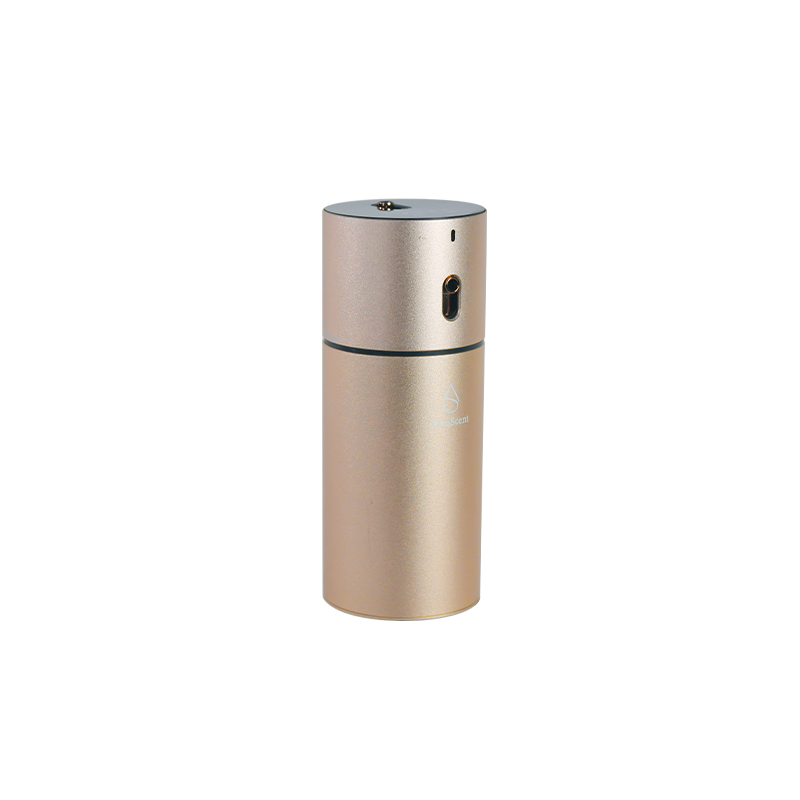
Nebulizing units use pressurized air to atomize pure essential oil. They are completely waterless. This mechanism relies on the Bernoulli principle to pull oil through a microscopic tube. An automatic scent diffuser using nebulizing technology delivers highly potent fragrance. It provides the maximum therapeutic benefit because the oil is undiluted. Strict timer controls are mandatory here. Without intervals, a nebulizer will consume a bottle of oil in hours. It will also create an overwhelming scent density that can quickly become unpleasant. These units are best for large, open spaces requiring rapid scenting. The internal air pumps generate a slight humming noise, which you must consider when placing them in quiet environments.
Smart systems represent the highest tier of fragrance control. These units are Wi-Fi or Bluetooth enabled. They offer app-controlled scheduling and exact intensity levels. A smart aroma diffuser allows you to program different scent profiles for different days of the week. Some advanced models even integrate directly with existing HVAC systems for whole-building coverage. This technology offers unparalleled fragrance management. However, it introduces software dependencies. You must rely on app updates and wireless connectivity. These systems also carry higher upfront hardware costs and require more complex initial setup procedures. You must ensure your local network is stable to maintain the programmed schedules.
| Technology Type | Mechanism | Ideal Room Size | Maintenance Level | Primary Advantage |
|---|---|---|---|---|
| Ultrasonic | Water + Vibrations | Small to Medium | High (Frequent cleaning) | Adds humidity, quiet operation |
| Nebulizing | Pressurized Air (Waterless) | Medium to Large | Medium (Periodic alcohol flush) | Potent, undiluted scent throw |
| Smart Aroma System | App-Controlled Atomization | Large to Whole-Property | Low to Medium | Exact scheduling, HVAC integration |
Evaluating misting ratios is crucial for matching a device to your space. Fixed-interval devices offer preset cycles, such as 10 minutes on and 20 minutes off. These are simple to use but lack flexibility. Fully programmable schedules allow you to map the dispersion exactly to room size and ventilation rates. A heavily ventilated room requires longer "on" cycles to maintain scent density. A closed, small room needs longer "off" cycles to prevent over-saturation. Programmable ratios give you the exact control needed to adapt to changing environmental conditions. You must test different ratios over several days to find the optimal balance for your specific environment.
Aromatherapy requires specific pacing to be effective. You must align timer intervals with specific daily routines. For example, a sleep protocol might require continuous misting for 30 minutes to induce rest. Once you are asleep, the device shifts to intermittent misting. This maintains the ambient aroma without overwhelming your senses or waking you up. Morning routines might require short, aggressive bursts of citrus oils to stimulate alertness. Customization allows the device to act as an active participant in your daily wellness routine, rather than just a passive room freshener. You can program the unit to activate 15 minutes before you arrive home, ensuring the space is perfectly scented upon entry.
A timer drastically extends the functional run time of standard reservoirs. You must analyze this relationship when selecting a unit. A standard 300ml water tank might last only four hours on a continuous setting. By utilizing an intermittent mode, that same 300ml tank can last up to 12 hours. This extension reduces the physical labor of refilling the device. It allows a single fill to cover an entire workday or a full night of sleep. Understanding this ratio helps you avoid buying unnecessarily large, bulky units for small spaces. You maximize the utility of a compact device by leveraging the software controls.
Mechanical failure is a risk with any automated device. You must evaluate the integration of safety mechanisms. A reliable unit features low-water or low-oil auto-shutoff sensors. These sensors must work in tandem with the countdown timers. If a timer is set for eight hours, but the tank runs dry at hour six, the sensor must override the timer. This redundancy prevents the internal motor or ultrasonic plate from burning out. It eliminates the risk of overheating and potential fire hazards. Always verify these dual safety features before operating a unit unattended. You should test the auto-shutoff feature manually during the first week of operation to confirm it functions correctly.
Investing in advanced fragrance technology requires evaluating the return on investment. Premium timer units carry a higher initial purchase price. However, you must model this against the severe reduction in monthly essential oil expenditures. A cheap continuous diffuser wastes costly oils rapidly. A programmable unit conserves those oils through precise intermittent cycling. Over a six-month period, the savings in consumable costs often exceed the initial hardware premium. You are paying upfront for the software and hardware that will protect your ongoing liquid investments. The math heavily favors automated systems when using pure, therapeutic-grade oils.
Automated units do not clean themselves. You must outline and follow strict maintenance realities. Intermittent water-based diffusers are particularly vulnerable to mold. During the "off" periods, stagnant water sits at room temperature. You must implement strict cleaning schedules. This involves wiping the tank out daily and running a vinegar flush weekly. Waterless nebulizers require flushing with rubbing alcohol to clear clogged micro-tubes. Failure to maintain these protocols results in degraded output, mechanical failure, and the dispersion of bacteria into your breathing air.
Automated fragrance management places mechanical wear on internal components. Solenoid valves, air pumps, and ultrasonic plates degrade over time. You must evaluate manufacturer warranties carefully. Standard consumer units often carry basic one-year terms. Premium automated models frequently differentiate themselves with extended or lifetime guarantees. A longer warranty indicates higher quality internal components designed to withstand thousands of intermittent cycles. Do not ignore the durability of the physical buttons and digital displays, as these are frequent failure points on cheaper models. You should inspect the build quality of the chassis and the responsiveness of the interface before committing to a specific model.
Even high-quality systems occasionally experience operational hiccups. You must know how to diagnose basic issues without relying on customer support.
A: You should run a diffuser for 30 to 60 minutes at a time. The human nose adapts to scents within this window, causing olfactory fatigue. Running it longer wastes oil and provides no additional aromatic benefit. Use a timer to enforce a 30-minute break before the next cycle begins.
A: Yes, it is safe if the device features intermittent settings and a low-water auto-shutoff sensor. The intermittent cycle prevents the room from becoming over-saturated with volatile organic compounds. The auto-shutoff ensures the device powers down safely if the reservoir empties while you are sleeping.
A: A timer diffuser provides active, customizable control over scent intensity. Reed diffusers rely on passive capillary action, resulting in inconsistent, fading scent throws. Heat diffusers pose fire hazards and degrade the therapeutic properties of essential oils through rapid evaporation. Automated diffusers maintain oil integrity and consistent coverage.
A: An automatic diffuser utilizes intermittent cycling and automated scheduling to disperse scent in controlled bursts. A continuous diffuser runs non-stop until manually turned off or empty. The automatic version conserves oil, prevents nose blindness, and allows for precise intensity management without manual intervention.
A: Yes, they use significantly less oil. By utilizing intermittent misting intervals, the device stretches a single fill over a much longer period. This prevents the rapid, wasteful depletion associated with continuous operation. You achieve the same perceived scent intensity while cutting consumable usage drastically.
A: Certain advanced smart aroma diffusers are designed specifically for HVAC integration. These whole-home cold-air diffusion systems connect to your ductwork to distribute scent evenly across large properties. However, standard tabletop smart diffusers only operate as standalone units for single rooms.
A: Your device shuts off due to its programmed interval cycles or a safety trigger. If set to an intermittent mode, it rests intentionally to prevent olfactory fatigue. Alternatively, a sensitive auto-shutoff sensor might trigger early if the water level drops near the minimum threshold, protecting the motor.


