
Views: 0 Author: Site Editor Publish Time: 2026-09-18 Origin: Site


You invest in premium candles and luxury room sprays. You light the wick or mist the air. The room smells incredible for exactly two hours. Then, the scent vanishes entirely. This common frustration stems from a fundamental misunderstanding of how aroma behaves in physical spaces. Achieving continuous scenting presents a dual challenge. First, fragrance oils naturally evaporate at varying rates based on their specific chemical structures and ambient room conditions. Second, human biology actively works against continuous aromas through a process called olfactory adaptation, commonly known as nose blindness.
Manual applications provide temporary spikes in aroma concentration. They cannot sustain a consistent baseline. To build an environment that smells intentional and refined all day, you must shift from passive, manual methods to engineered delivery systems. Selecting reliable hardware requires understanding room airflow, molecular suspension, and the necessity of intermittent scheduling.
Achieving all-day scent requires transitioning from passive methods (reeds, candles, DIY simmer pots) to active, scheduled dispersion systems.
Olfactory fatigue is the primary reason scents seem to fade; programmable hardware prevents this through intermittent scenting.
A smart aroma diffuser utilizing cold-air nebulization offers the highest efficiency and longest-lasting suspension of scent molecules.
High-end Home Fragrance serves a highly specific purpose. It scents a space. It does not mask stale air, cooking grease, or pet odors. Introducing luxury oils into a compromised environment creates a muddy, unpleasant olfactory experience. You must establish a neutral baseline first. Daily ventilation is a non-negotiable operational requirement. Open windows for fifteen minutes each morning to cycle out stagnant indoor air. Run exhaust fans during and after cooking. Upgrade your HVAC filters to a higher MERV rating to capture airborne particulates.
Baseline environmental cleanliness directly dictates the clarity and longevity of your introduced aromas. When you eliminate background odors, the delicate top notes of your chosen oils project with sharp precision. Without this neutral canvas, heavier base notes bind with existing airborne pollutants. This chemical binding degrades the perceived quality of the scent profile. A room must smell like nothing before it can smell like something beautiful.
To achieve this blank canvas, consider implementing a strict air quality protocol. Use activated carbon filters in standalone air purifiers to strip volatile organic compounds from the environment. Wash soft furnishings regularly, as fabrics trap cooking oils and pet dander. Avoid using ozone generators while the house is occupied, as they irritate the lungs, but consider a brief ozone shock treatment for severe, lingering odors before moving in. Once the ambient air tests neutral, your introduced scent will perform exactly as the perfumer intended.
Your nervous system constantly scans the environment for changes. When you enter a coffee shop, the smell of roasted beans hits you instantly. Ten minutes later, you barely notice it. This biological mechanism is olfactory fatigue. Your brain filters out continuous background stimuli to remain alert to new, potentially dangerous scents like smoke or gas. Continuous, uninterrupted scenting triggers this exact physiological response.
If a machine pumps aroma into your living room without pausing, your receptors saturate rapidly. You stop smelling the oils within an hour. The scent has not faded from the room. Your ability to perceive it has simply shut down. Pushing more oil into the air does not solve this biological filter. It only wastes expensive consumables and risks overwhelming guests who enter the space with fresh receptors.
Understanding this limitation is the first step in designing a system that works with your biology rather than against it. You can test your own olfactory fatigue easily. If you think your scent has faded, step outside into fresh air for fifteen minutes. When you walk back inside, the aroma will likely hit you with its original intensity. This proves the scent remains suspended in the air, but your brain had temporarily muted it.
Environmental fragrances consist of top, middle, and base notes. These notes possess vastly different molecular weights and evaporation rates. Top notes like citrus, bergamot, and mint are highly volatile. They evaporate rapidly, providing the initial burst of scent. Middle notes like lavender, rose, and black pepper provide the core character. Base notes like sandalwood, amber, oud, and vanilla contain massive, heavy molecules. They linger the longest, anchoring the entire profile.
Heat-based dispersion methods alter this delicate chemical structure. Candles and wax melts apply direct thermal energy to the oils. This heat causes the rapid burn-off of top notes, distorting the scent profile quickly. Furthermore, your physical environment acts as a scent reservoir. Ambient humidity and soft furnishings—such as rugs, heavy curtains, and upholstered furniture—absorb heavier base notes. They slowly release these molecules back into the air over time.
Rooms with entirely hard surfaces experience faster scent decay because they lack these porous reservoirs. A minimalist room with concrete floors and glass walls will require a higher output setting than a carpeted room with heavy drapery.
Note Type | Molecular Weight | Evaporation Rate | Common Examples |
|---|---|---|---|
Top Notes | Light | Fast (15-30 minutes) | Lemon, Bergamot, Peppermint |
Middle Notes | Medium | Moderate (1-3 hours) | Lavender, Jasmine, Black Pepper |
Base Notes | Heavy | Slow (6+ hours) | Sandalwood, Vanilla, Amber, Oud |
Passive systems rely entirely on natural evaporation. Reed diffusers draw oil up through porous sticks via capillary action. Ceramic stones absorb liquid and slowly release vapor. DIY stovetop simmer pots use boiling water to disperse aromatics. These methods share a common, fatal flaw for whole-home scenting. They suffer from rapid scent decay. A simmer pot smells fantastic for an hour but requires constant monitoring and heat management.
Reed diffusers offer a weak scent throw that diminishes rapidly as dust clogs the microscopic channels in the reeds. These physical mediums demand high manual effort. You must flip reeds weekly, refill water constantly, or monitor open heat sources. They lack the mechanical consistency required for all-day performance.
However, passive systems do have an optimal use case. They work exceptionally well in small, enclosed spaces. A powder room, a guest bathroom, or a small walk-in closet benefits from a high-quality reed setup. They fail completely in open floor plans because they cannot generate enough vapor pressure to fill large volumes of air.
Active systems use mechanical force to disperse oils into the environment. The two dominant technologies in this space are ultrasonic and cold-air nebulization. Ultrasonic models use water as a carrier. You add a few drops of oil to a water tank. A vibrating ceramic disc creates a fine mist. This method dilutes the oil significantly. Water dilution drastically reduces scent hang-time. The heavy water droplets fall to the floor quickly, taking the scent molecules with them. Ultrasonic units also introduce unwanted humidity into your home, which can damage wood furniture over time.
Cold-air nebulizing diffusers operate entirely without water. They use pressurized air to force raw essential or synthetic oils through a microscopic nozzle. This process, utilizing the Bernoulli principle, breaks the oil into dry nano-particles. Because these particles are incredibly light and undiluted, they remain suspended in the ambient air for hours. They travel naturally on existing air currents, penetrating far deeper into the home than water-based mist.
Feature | Ultrasonic Diffusers | Cold-Air Nebulizers |
|---|---|---|
Carrier Medium | Water (Diluted) | Waterless (Raw Oil) |
Particle Size | Large, heavy water droplets | Microscopic dry nano-particles |
Hang-Time | Low (falls to surfaces quickly) | High (suspended for hours) |
Coverage Area | Small rooms (up to 300 sq ft) | Large open plans (up to 2,000+ sq ft) |
Humidity Added | Yes | No |
A smart aroma diffuser solves the biological problem of olfactory fatigue through precise automation. These devices feature app-controlled scheduling and granular intensity modulation. You do not just turn them on and walk away. You program specific duty cycles tailored to the room size and airflow. A standard duty cycle might run the internal pump for two minutes and pause for five minutes.
This intermittent scenting strategy actively combats nose blindness. The brief pauses allow your olfactory receptors to reset and clear. When the machine cycles back on, you perceive the scent anew, maintaining the illusion of a continuous aroma. Strategic placement maximizes this technology. Position standalone units near natural airflow paths. Place them near return air intakes or in hallways where foot traffic physically pushes the suspended particles into adjacent rooms. Keep them away from open windows, direct sunlight, or active exhaust vents.
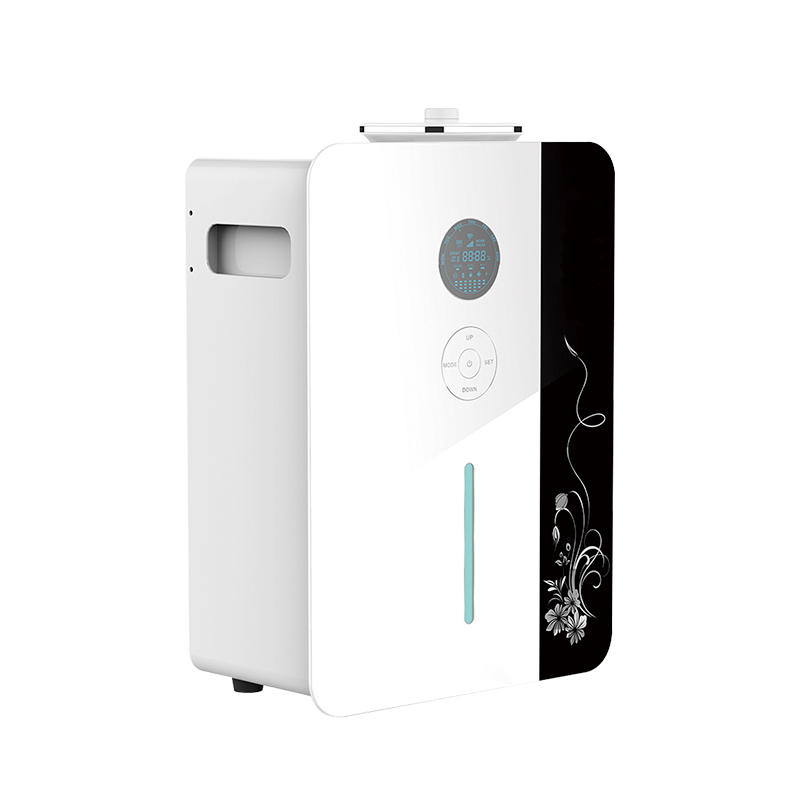
Scenting an entire home requires a cohesive profile. You need a framework for selecting complementary notes across different rooms to avoid olfactory chaos. Start by establishing a universal base note. Woods, ambers, or light musks work perfectly. These heavy molecules anchor the overall experience. Once you establish the base, you can introduce lighter top notes in specific zones.
Different scent families impact longevity directly. Heavy woodsy and gourmand profiles naturally possess larger molecules. They linger much longer than highly volatile fresh or citrus profiles. If you want a scent that lasts all day with minimal oil consumption, lean toward sandalwood, vanilla, leather, or oud.
You must actively avoid scent clashing. Placing multiple home fragrance diffuser units in adjacent spaces requires careful planning. Do not put a heavy floral scent in the living room and a sharp peppermint in the adjoining kitchen. Stick to a unified theme. Use a citrus-wood blend in the living area and isolate a pure wood variant for the study. For example, a successful whole-house scent map might use a bergamot and cedar blend in the main entryway to create an uplifting first impression. The adjacent living room could transition into a pure cedar and amber profile, dropping the citrus top note but maintaining the woody base. The master bedroom could then shift to a softer sandalwood and lavender mix. Because all three zones share a woody foundation, the transitions feel intentional and smooth as you walk through the house.
Define specific success criteria for different zones in your house. High-traffic areas demand robust, high-output solutions. Entryways, vaulted living rooms, and open-concept kitchens require high-intensity active diffusion. A standalone cold-air nebulizer handles these large volumes of air easily. It creates an immediate, welcoming impact when you walk through the front door.
Bedrooms require a completely different approach. High-intensity scenting disrupts sleep architecture and can cause morning headaches. Transition to low-intensity or passive systems in sleeping quarters. A well-placed reed setup or a heavily dialed-down nebulizer running only during early evening hours provides the right balance. Match the hardware output strictly to the room's primary utility.
Achieving true whole-home coverage forces a choice between deploying multiple standalone units or installing a single HVAC-integrated system. Standalone units offer modular flexibility. You can move them easily, adjust settings locally, and change scents per room. However, managing four different machines, checking oil levels, and cleaning multiple nozzles becomes tedious over time.
HVAC-integrated scenting systems deliver maximum consistency. They connect directly to your ductwork, utilizing your home's existing fan to distribute nano-particles evenly across every room simultaneously. This requires technical evaluation. You must assess ductwork compatibility and system static pressure. High static pressure can push oil back into the machine if the injection tube is not installed correctly.
Professional installation is usually necessary to drill into the supply plenum safely, wire the unit to an air switch, and calibrate the output to match your fan speed. The air switch is a necessary component. It detects when your HVAC fan turns on and signals the diffuser to start pumping. If the diffuser runs while the fan is off, oil will pool inside your ductwork, creating a massive mess and a localized fire hazard. Furthermore, you must decide between bypass installation and direct injection. Direct injection pushes the nano-particles straight into the airflow, while bypass uses a secondary tube to draw air from the return, mix it with oil, and push it into the supply. Direct injection is generally more efficient for residential setups.
Aerosolizing oils directly impacts your indoor air quality. You must evaluate fragrance safety rigorously before introducing any chemical compound into your breathing air. Look for oils that comply strictly with IFRA (International Fragrance Association) standards. Verify that the manufacturer adheres to strict VOC (Volatile Organic Compound) limits. Ensure the oils contain absolutely no phthalates, parabens, or synthetic propellants.
Pet toxicity is a severe operational risk. Cats and dogs lack specific liver enzymes required to break down certain botanical compounds. Essential oils like eucalyptus, tea tree, peppermint, citrus, and ylang-ylang are highly toxic to pets when inhaled or ingested. Do not diffuse them in accessible areas. Opt for pet-safe synthetic or natural blends specifically formulated for homes with animals. Always monitor your pets for signs of respiratory distress, lethargy, or drooling when introducing a new scent profile.
Waterless diffusers require strict maintenance routines. Because they atomize raw, undiluted oil, the internal nozzles face constant exposure to thick, sticky compounds. Without routine cleaning, the oil polymerizes. It hardens inside the micro-channels and completely blocks the nozzle, leading to pump failure and zero scent output.
You must clean the system monthly to maintain peak performance. Follow these exact steps to clear the internal components:
Empty the fragrance reservoir completely and wipe the threads clean.
Fill the empty bottle with a quarter inch of pure rubbing alcohol (90% isopropyl or higher).
Reattach the bottle and run the machine on its highest continuous setting for fifteen minutes in a well-ventilated area.
Pour out the remaining alcohol and let the unit air dry completely before refilling it with fragrance.
The alcohol acts as a solvent, dissolving the polymerized oil and clearing the nozzle. Skipping this maintenance guarantees premature hardware failure. When the nozzle clogs, the internal air pump continues to run, fighting against a blocked exit. This creates backpressure that eventually burns out the pump motor. Replacing a burnt-out motor costs nearly as much as buying a new unit. Set a recurring calendar reminder on the first of every month to perform this fifteen-minute flush.
Fragrance oils degrade rapidly under poor environmental conditions. Ultraviolet light and heat break down the chemical bonds before the oil ever reaches the machine. If you leave a clear bottle of expensive oil on a sunny windowsill, the top notes will oxidize within weeks. The scent will turn flat, sour, and metallic.
Store your bulk oils properly to protect your investment. Keep them in dark amber glass or opaque aluminum bottles. Place them in a cool, dark environment like a hall closet or a dedicated temperature-controlled cabinet. Consistent temperature control prevents oxidation and preserves the delicate integrity of the top notes for months.
Over-scenting is a frequent implementation failure. Pumping too much oil into a confined space causes headaches, nausea, and resident complaints. It ruins the environmental ambiance and forces you to ventilate the house to clear the air.
Mitigate this risk using precise app-based scheduling. Start at the lowest possible setting. Set your machine to run for one minute and pause for ten minutes. Leave the room for an hour and return. If you can smell the aroma clearly upon re-entry, the setting is perfect. Do not increase the intensity just because you stop noticing it while sitting on the couch. Trust the schedule and let the intermittent cycles do the work.
Measure your target square footage to determine if you need a standalone unit or an HVAC-integrated system.
Audit your current HVAC setup by checking filter MERV ratings and static pressure capabilities.
Establish a daily ventilation routine to clear stale air and create a neutral baseline before introducing new aromas.
Program your diffuser with a conservative duty cycle, such as two minutes on and eight minutes off, to prevent olfactory fatigue.
A: You are experiencing olfactory fatigue, also known as nose blindness. Your brain filters out continuous scents to remain alert to new environmental changes. To fix this, use a diffuser with a programmable timer to create intermittent pauses, allowing your receptors to reset.
A: Cold-air nebulization combined with heavy base-note fragrance profiles provides the longest-lasting scent. Base notes like sandalwood, oud, and vanilla contain large, heavy molecules that linger in the air and absorb into soft furnishings, releasing slowly over time.
A: Using tap water introduces minerals into the air, which can create a fine white dust on your furniture and clog the ultrasonic disc. Always use distilled water to prolong the life of the machine and maintain clean indoor air quality.
A: Many common essential oils, including eucalyptus, tea tree, peppermint, and citrus, are highly toxic to pets. Animals lack the liver enzymes to process these compounds. Always use specifically formulated pet-safe blends and monitor your pets for any signs of distress.
A: You should clean your waterless diffuser once a month. Run pure 90% isopropyl alcohol through the system for fifteen minutes to dissolve any hardened, polymerized oil inside the micro-nozzle. This prevents clogs and extends the life of the internal pump.
A: Most modern central air systems can accommodate a scent diffuser, but you must verify ductwork accessibility and system static pressure. High-velocity systems or those with extreme static pressure may require specialized installation to prevent oil from backing up into the unit.


