
Views: 0 Author: Site Editor Publish Time: 2026-09-14 Origin: Site


Integrating functional home fragrance devices into curated interior design presents a unique challenge. You want the room to smell incredible, but you do not want an out-of-place plastic appliance ruining your carefully styled console table. Consumers often compromise between optimal scent dispersion, which requires open and central placement, and aesthetic appeal, which frequently leads to hiding the unit behind books or placing it in dead zones where airflow is nonexistent. Hiding the device traps the fragrance mist, damaging surrounding furniture and leaving the rest of the room scentless. Styling these devices requires a deliberate approach. You must evaluate the physical footprint, select materials that mimic high-end decor, and position the unit to maximize olfactory reach without creating an eyesore. The following framework provides actionable strategies for selecting, placing, and styling your diffuser so it serves as a stunning decor element while maintaining peak functional performance.
Function Dictates Placement: Effective styling must account for room airflow, HVAC drafts, and clearance to ensure the scent throw is not obstructed by walls or heavy furniture.
Material Selection is Critical: Upgrading to a ceramic essential oil diffuser or natural stone vessel transforms the device from a plastic appliance into an intentional architectural accent.
Vignette Styling Elevates Design: Grouping diffusers with complementary objects (trays, books, dried botanicals, aesthetic candles) anchors the device within the room’s existing decor.
Risk Mitigation Protects Assets: Proper styling must include surface protection strategies and level placement to prevent essential oil damage to wood, marble, and electronics.
Interior styling often prioritizes visual minimalism. When introducing a functional device into a space, the immediate instinct is to conceal it. However, hiding a fragrance device directly conflicts with the physics of scent dispersion. Ultrasonic and nebulizing units rely on the ambient air currents in your room to carry micro-particles of essential oil. If you tuck the unit behind a heavy sofa or inside a deep bookshelf, the mist immediately hits a physical barrier. The moisture and oil particles fall directly onto the surrounding surfaces rather than circulating through the room.
You must find a middle ground where the device remains exposed to open air but blends seamlessly into the visual landscape of the room. Essential oils have different molecular weights. Lighter citrus oils disperse quickly and rise, while heavier base notes like vetiver or cedarwood tend to fall faster. Placing a unit too low to the ground limits the hang-time of these heavier particles. Elevating the unit on a proper surface ensures the mist has enough time to evaporate into the room's air currents before hitting the floor.
Stand-alone diffusers must be positioned in open spaces where air circulates gently. You need to map the invisible air currents in your room before deciding on a permanent spot. Look for areas where natural cross-breezes occur, such as the pathway between a hallway and a living room window. Avoid placing the unit directly under heavy drapery or behind large, solid furniture pieces. These objects create dead air zones.
Keep the unit away from direct, high-velocity drafts. Placing a device right next to an open window or directly beneath an active HVAC supply vent will blow the scent straight out of the room or dilute it instantly. The goal is gentle, continuous circulation that allows the fragrance to waft naturally.
Placement Zone | Airflow Characteristic | Scent Dispersion Impact | Styling Recommendation |
|---|---|---|---|
Directly under HVAC Supply | High velocity, forced air | Poor. Scent is diluted or blown away immediately. | Avoid entirely. Move unit at least 48 inches away. |
Near HVAC Return Vent | Strong suction | Poor. Scent is pulled into the ductwork. | Avoid entirely. Keep unit on the opposite side of the room. |
Center of Room (Coffee Table) | Gentle, ambient circulation | Excellent. 360-degree even coverage. | Anchor with a decorative tray to prevent spills. |
Corner Bookshelf | Stagnant, blocked airflow | Moderate to Poor. Mist hits walls and condenses. | Place on the top shelf only, ensuring 12 inches of overhead clearance. |
Evaluating the physical footprint of the diffuser relative to the surface area is a fundamental design principle. A massive, high-capacity unit will overwhelm a delicate, narrow entryway console, making the setup look top-heavy and clumsy. Conversely, a tiny, palm-sized unit placed alone in the center of a massive dining table will look like an afterthought. You must match the scale of the device to the furniture it sits on.
Measure the depth of your target surface. The device should occupy no more than one-third of the available depth to leave room for complementary decor.
Assess the vertical space. If placing the unit on a shelf, ensure you have a minimum of 12 to 18 inches of clearance above the mist output nozzle to prevent moisture damage to the shelf above.
Evaluate visual weight. Dark, heavy stone units require substantial furniture like solid oak tables or thick concrete mantels to look balanced.
Consider the cord path. Ensure the chosen surface allows for a clean, hidden route to the nearest electrical outlet without stretching the cable.
Material choice dictates whether your device looks like a cheap gadget or a high-end sculptural piece. A ceramic essential oil diffuser offers a sophisticated, tactile upgrade. The unglazed, matte finish of raw ceramic absorbs ambient light rather than reflecting it, allowing the unit to blend effortlessly into Japandi, minimalist, and organic modern interiors. It mimics the look of artisanal pottery.
When evaluating ceramic options, consider the maintenance required. Matte finishes resist fingerprints beautifully, but they are highly porous. If you spill dark essential oils like sweet orange or blue tansy down the side of an unglazed ceramic cover, it will stain. You must handle the unit with clean hands and wipe away accidental drips immediately using a cloth dampened with rubbing alcohol to preserve the pristine exterior. Glazed ceramics offer easier cleanup but introduce a glossy sheen that may clash with ultra-matte interior finishes.
For industrial, contemporary, or luxury traditional spaces, stone, concrete, and glass vessels provide distinct architectural advantages. Concrete and natural stone covers carry significant visual weight. They anchor a vignette and look incredibly intentional sitting on a modern steel console or a reclaimed wood table. Their heavy bases also provide excellent stability, reducing the risk of accidental knock-overs in busy households.
Glass vessels offer a completely different aesthetic. They provide visual lightness, making them ideal for small spaces where you do not want to block sightlines. Frosted or ribbed glass can diffuse internal LED lights beautifully, creating a soft, ambient glow. However, glass poses a much higher shatter risk. You must evaluate the traffic patterns in your home. Avoid placing glass units in busy hallways or on low tables if you have active pets or young children.
Material Type | Best Interior Style Match | Durability & Weight | Maintenance Requirements |
|---|---|---|---|
Matte Ceramic | Japandi, Minimalist, Organic Modern | Moderate weight, prone to chipping | Requires immediate wipe-downs to prevent oil staining. |
Natural Stone / Concrete | Industrial, Brutalist, Masculine | Heavy, highly stable, shatter-resistant | Low maintenance. May require occasional resealing if unpolished. |
Frosted Glass | Contemporary, Glam, Transitional | Lightweight, high shatter risk | Shows water spots easily. Requires frequent glass cleaner application. |
Wood Grain (Resin) | Mid-Century Modern, Farmhouse | Lightweight, durable | Wipe with a damp microfiber cloth. Avoid harsh chemical cleaners. |
Electrical cords are sometimes impossible to hide. In traditional and transitional spaces, or on floating shelves where routing a cable is not feasible, reed diffusers serve as excellent low-tech alternatives. They require no power source and operate silently, relying entirely on capillary action to draw fragrance oil up the reeds and disperse it into the air.
The design impact of a reed diffuser comes down to micro-choices. The vessel shape should complement your room's geometry. The color of the reeds also matters. Black synthetic reeds offer a sharp, modern contrast and rarely clog, while natural rattan reeds lean toward coastal or farmhouse aesthetics but require more frequent replacement. Because reeds must be flipped regularly to saturate the wood and boost the scent throw, maintenance becomes a styling factor. You will inevitably drop small amounts of oil during this process. Therefore, the vessel must be styled on a washable tray or coaster to catch drips and protect the furniture below.
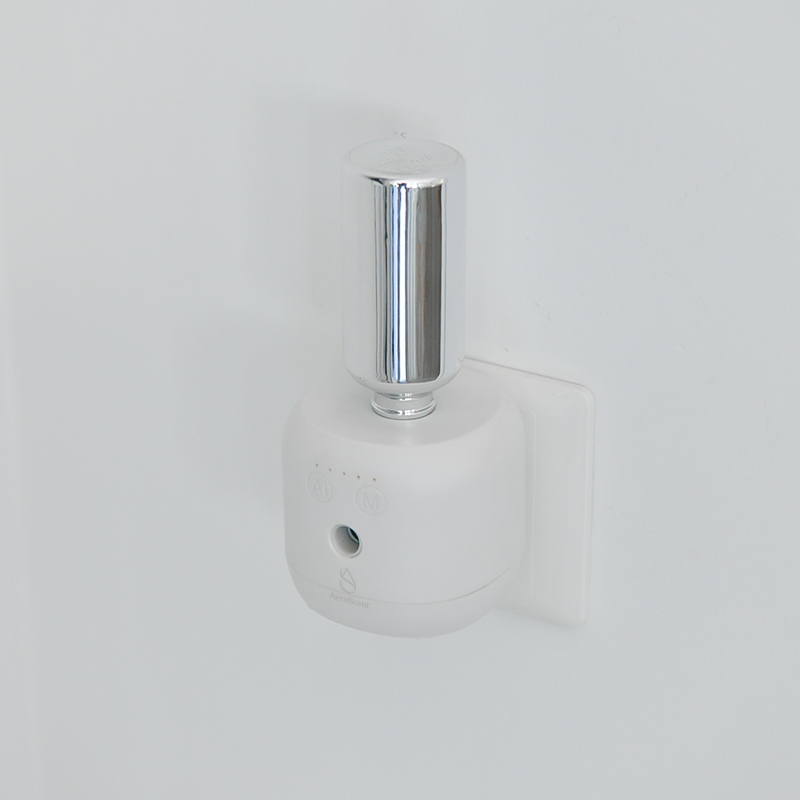
The living room is typically the largest volume of space in a home, requiring strategic placement for effective scenting. A Home Aroma Diffuser should be placed centrally to ensure 360-degree even coverage. A solid coffee table or a central kitchen island often works best. The surface must be strictly level. Ultrasonic units rely on a balanced water reservoir and a vibrating ceramic disc to generate mist properly. An uneven surface can cause the internal mechanisms to malfunction, vibrate noisily, or leak water from the base seams.
Factor in your ceiling fans. Running a ceiling fan on a low, updraft setting can help pull the fragrance mist upward and distribute it across a large open-concept room. This prevents the mist from simply falling and pooling around the base of the unit. Ensure the device is positioned at least 36 inches off the floor to give the mist adequate time to evaporate into the ambient air.
Your entryway sets the immediate sensory baseline for the entire home. Placing a fragrance device here ensures that anyone walking through the front door is greeted with a welcoming scent. However, entryways are high-traffic zones, often furnished with narrow console tables. This creates a significant knock-over risk, especially when people are taking off heavy coats or dropping bags.
Anchor the unit by choosing heavy-bottomed models made of stone or thick ceramic.
Place the device toward the back of the console table, near the wall, rather than near the front edge where it can be easily snagged.
Use a decorative tray with a raised lip to corral the unit along with a bowl for keys. This adds visual weight and creates a physical boundary.
Secure the power cord tightly against the back leg of the console table using clear zip ties to prevent tripping hazards.
Styling a unit in the bedroom requires prioritizing sleep hygiene alongside aesthetics. When selecting an essential oil diffuser for decoration on a bedside table, look for designs that match your existing bedside lamps or alarm clocks. Symmetry works well here. A matte black unit pairs perfectly with matte black reading sconces, creating a cohesive, hotel-like atmosphere.
You must evaluate the functional output carefully. Many devices feature bright LED indicator lights or color-changing bands. In a dark bedroom, this light pollution can disrupt sleep. Choose models with a dedicated "lights off" mode that allows the unit to run completely dark. Additionally, consider the water-trickle noise. Ultrasonic units create a soft bubbling sound. While some find this white noise relaxing, others find it highly distracting. Test the decibel level before committing to bedside placement, or opt for a silent nebulizing diffuser that uses no water.
A standalone device placed randomly on a table often looks like a forgotten appliance. To elevate the design, use trays and pedestals to ground the unit. Grouping the device with other items on a marble, brushed brass, or woven rattan tray creates a deliberate "moment." It transforms a floating object into a curated collection.
This technique offers a massive functional benefit. A solid tray acts as a spill-catch. It protects the underlying wood furniture from accidental water spills or essential oil drips during refills. Furthermore, trays provide the perfectly level surface required for water-based units, especially if you are placing the device on a slightly uneven surface like a rustic, reclaimed wood table or a tufted ottoman. Ensure the tray has at least a half-inch lip to contain any potential water leaks.
When placing a home scent diffuser on a bookshelf or credenza, apply the interior design "Rule of Three." Items grouped in odd numbers are visually more appealing and memorable. Pair your device with two other items of varying heights. For example, place the unit next to a stack of three horizontal hardcover books and a small, low-profile sculptural object.
Pay attention to visual hierarchy. The fragrance device should ideally be the medium-height object in the grouping. If it is the tallest item, it draws too much attention to its functional nature. If it is the shortest, it gets lost. Staggering the heights creates a dynamic, balanced triangle that guides the eye smoothly across the shelf. Keep the spacing tight enough that the items feel related, but loose enough that you can easily remove the diffuser cover for daily water refills.
Create a cohesive fragrance station by grouping your device with candles. Even if you do not light the candles simultaneously, the visual pairing makes sense to the eye. Group the unit with unlit, sculptural pillar candles of varying heights. You can also use complementary scented jar candles that match the aesthetic of the room.
This layering technique works exceptionally well on large dining tables or wide fireplace mantels. It establishes a dedicated sensory zone. Just ensure that if you do light the candles, the open flame is kept a minimum of 18 inches away from the plastic components, water reservoir, or power cords of the electric unit to prevent melting or fire hazards.
Integrating natural elements softens the hard lines of electronic devices. Place the unit near a vase of fresh seasonal blooms or a vessel containing dried botanicals like pampas grass or eucalyptus branches. This creates an elegant, multi-sensory display that bridges the gap between technology and nature.
You must consider scent clashing when using fresh florals. If you have a vase of highly fragrant lilies or jasmine, running a heavy pine or peppermint essential oil blend will create a chaotic, overwhelming olfactory experience. Match the diffused oils to the nearby botanicals. Pair fresh eucalyptus branches with woodsy, herbal oil blends, or use unscented dried florals if you plan to rotate your diffused fragrances frequently.
The most significant risk of using indoor fragrance devices is surface damage. Essential oils are highly concentrated plant extracts. If spilled, they act as powerful solvents that will instantly strip nitrocellulose lacquer or polyurethane finishes off wood tables, warp veneers, and degrade wall paint. The continuous water vapor emitted by ultrasonic units can also cause porous marble to etch or unsealed wood to swell over time.
Always choose a perfectly level surface to prevent internal water from pooling and leaking out of the base seams.
Utilize non-porous coasters, glass plates, or sealed stone trays beneath the unit.
Maintain a minimum 12-inch clearance above the mist output to prevent moisture from accumulating on the bottom of low-hanging shelves or cabinets.
Keep a microfiber cloth nearby for immediate spill cleanup during water refills. Never wipe spilled oil; blot it to prevent spreading the solvent across the finish.
A dangling black power cord instantly ruins the aesthetic of a high-end decor setup. Managing cord visibility is non-negotiable for electric units. If the device sits on an open-leg console table, route the cord down the back of one of the table legs using small, clear zip ties or adhesive cable clips. Pull the cord taut to ensure it does not bow out visibly from the side.
If the cord must run along the baseboard to reach an outlet, utilize paintable cord covers or raceways that match your wall color. For custom built-ins or heavy credenzas, consider using a 1-inch drill bit to create a discreet grommet hole directly behind the unit, allowing the cord to drop straight down out of sight. For floating shelves or central kitchen islands where cord routing is completely impossible, you must pivot your strategy. Opt for battery-operated, rechargeable models, or switch entirely to high-quality reed diffusers to maintain a clean, wire-free look.
Moisture and electronics are a disastrous combination. Placing a misting device directly next to a television, laptop, or gaming console invites severe hardware damage. The micro-fine water particles can easily get sucked into the cooling fans of nearby electronics, causing internal corrosion, moisture buildup on motherboards, or short circuits. Maintain a strict minimum 3-foot radius between your fragrance device and any sensitive electronic equipment.
Pet safety is equally critical. Many common essential oils, including tea tree, eucalyptus, citrus, and peppermint, are highly toxic to cats and dogs. The mist settles onto their fur, which they then ingest during routine grooming. Elevate diffusers high out of reach to prevent pets from knocking them over and drinking the water reservoir. Always consult your veterinarian to select strictly pet-safe oil formulations before running any device in a home with animals.
Audit your target room for the best airflow location by identifying natural cross-breezes and avoiding HVAC return vents.
Measure the available surface space on your tables or consoles to ensure the scale of the device matches the furniture footprint.
Select a diffuser material that mimics your existing decor accents, such as matching a ceramic cover to existing ceramic planters.
Purchase a complementary tray or pedestal to ground the device, catch potential spills, and create a curated vignette.
Implement a strict cord management strategy using zip ties or paintable covers before finalizing the unit's permanent location.
A: Place the unit in a centralized, open location with gentle natural airflow, such as a coffee table or kitchen island. Avoid placing it directly under HVAC return vents, next to open windows with strong drafts, or hidden behind large furniture pieces that will trap the fragrance mist.
A: Route the cord down the back of a table leg using clear zip ties or adhesive cable clips. If running the cord along a wall, use paintable cord covers. For floating shelves where cords cannot be hidden, consider switching to a rechargeable battery-operated unit or a reed diffuser.
A: No. You must maintain a minimum 3-foot radius between a misting device and any sensitive electronics. The micro-fine water vapor and oil particles can be drawn into the cooling fans of TVs and computers, leading to internal moisture buildup, corrosion, and potential short circuits.
A: The safest surface is a strictly level, non-porous material like a sealed stone tray, a glass coaster, or a metal pedestal. Avoid placing units directly on unsealed wood, porous marble, or painted surfaces, as water vapor and accidental essential oil drips can cause warping, staining, and finish degradation.
A: Elevate a standard reed diffuser by placing it on a decorative marble or brass tray. Swap out standard light-wood reeds for sleek black or thick natural rattan reeds. Group the vessel with complementary objects like a stack of hardcover books or an unlit sculptural candle to create a deliberate vignette.
A: Yes. Hiding a unit behind a sofa or inside a deep bookshelf blocks the ambient air currents needed to carry the fragrance particles. The mist will hit the physical barrier, causing the moisture and oil to fall directly onto the surrounding furniture instead of circulating throughout the room.

