
Views: 0 Author: Site Editor Publish Time: 2026-08-09 Origin: Site


Relying on traditional air fresheners or DIY stovetop methods often results in a fleeting, highly localized scent that fades within minutes. To achieve a consistent, engineered scent throw, you need dedicated hardware designed specifically for spatial scenting. Consumers frequently experience "nose blindness," uneven fragrance distribution, or degraded oil quality simply because they purchase devices that rely on improper heating or inadequate dispersion mechanics for their specific room size.
Selecting the optimal device requires looking past aesthetic design to evaluate the underlying technology. You must understand specifically how different dispersion methods impact essential oil integrity, coverage area, and long-term maintenance. Scenting a room effectively is a matter of fluid dynamics, material science, and strategic airflow management.
Simply exposing essential oils to the air relies entirely on passive evaporation. Because essential oils contain complex molecules with varying molecular weights, passive evaporation fails to scent a room evenly. Lighter top notes evaporate almost immediately, while heavier base notes remain trapped in the bottle or on the reed. Active mechanical dispersion is required to break these oils down into micro-particles and force them into the room's natural air currents. This is exactly where a well-engineered home fragrance diffuser proves its value.
Ultrasonic devices operate using a small piezoelectric transducer located at the base of a water reservoir. When powered, this ceramic disc vibrates at ultrasonic frequencies—typically between 1.7 and 2.4 million times per second. This rapid vibration creates a capillary wave on the surface of the water, causing cavitation. The mechanical energy blends the essential oil with the water and shatters the mixture into a fine, cool mist consisting of particles around 5 microns in size. While this provides a slight humidification benefit, the trade-off is a diluted scent profile. The water acts as a carrier, meaning the actual concentration of essential oil entering the air is relatively low.
Nebulizing technology takes a completely different approach, relying on fluid dynamics—specifically the Bernoulli and Venturi principles. An internal pump forces pressurized air through a micro-tube, creating a low-pressure vacuum at the nozzle. This vacuum siphons pure essential oil from a secondary glass or plastic chamber. As the oil hits the high-velocity airstream, the collision shears the liquid into millions of microscopic particles, usually under 3 microns. Internal baffles catch larger droplets and return them to the reservoir, allowing only the finest pure oil mist to escape. Because nebulizers do not use water, the resulting fragrance is highly concentrated, potent, and capable of lingering in the air for extended periods.
Heat alters the chemical composition of essential oils. Applying direct heat to delicate botanical extracts destroys fragile top notes, such as citrus and light florals, fundamentally changing the intended aroma. More importantly, heating certain essential oils causes rapid oxidation. This thermal degradation destroys the therapeutic properties of the plant extract and can release unwanted volatile organic compounds (VOCs) into your indoor environment.
Cold-air diffusion avoids thermal degradation entirely. By utilizing either high-frequency vibration or pressurized air, cold-air atomization maintains the exact chemical profile of the bottled oil. The scent you experience in the room is identical to the scent you experience when smelling the oil directly from the vial, ensuring maximum aromatic fidelity.
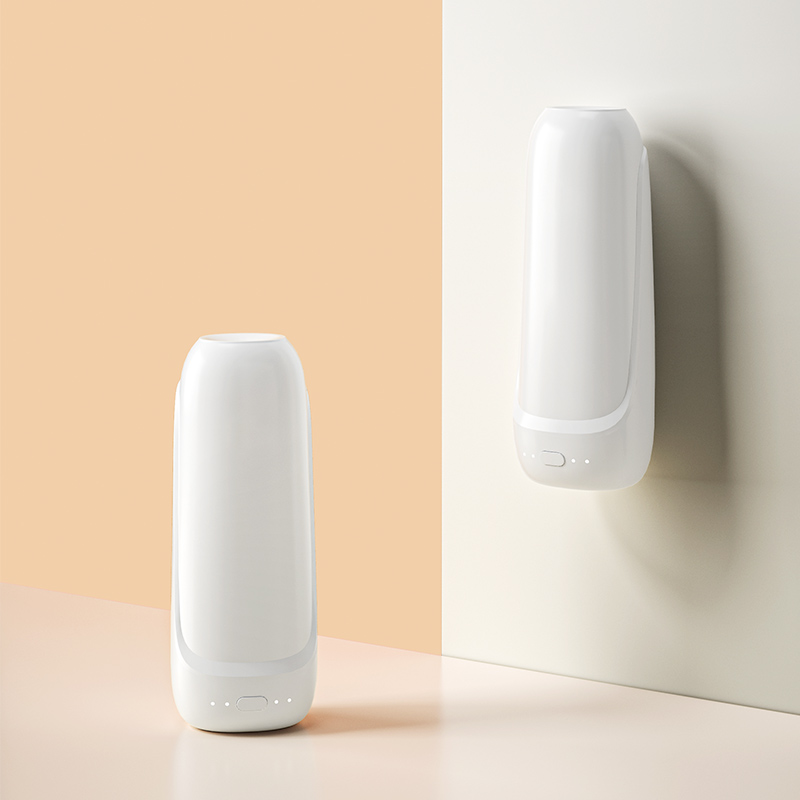
Purchasing the right hardware requires defining clear success criteria. A successful device delivers a consistent scent throw, offers an appropriate runtime for your daily routine, features durable build quality to withstand caustic oils, and minimizes oil waste. Finding the best home essential oil diffuser means matching the machine's output capacity to your specific environment.
Hardware must scale with room size. Placing a low-capacity unit in a massive living room results in undetectable fragrance, while placing a high-output nebulizer in a small bathroom causes overwhelming olfactory saturation. You must calculate the square footage of your target area and select the dispersion technology accordingly.
| Room Size | Square Footage | Recommended Technology | Expected Output Behavior |
|---|---|---|---|
| Small Rooms (Bathrooms, Offices) | Under 150 sq ft | Passive or Small Ultrasonic (100ml) | Subtle, localized scent throw. Requires frequent refills if run continuously. |
| Medium Rooms (Bedrooms, Kitchens) | 150–400 sq ft | Standard Ultrasonic (300ml–500ml) | Even coverage. Can run for 6-8 hours on intermittent settings. |
| Large/Open Spaces (Living Rooms) | 400–1,000 sq ft | High-Output Nebulizer | Rapid, highly concentrated scent distribution. Capable of penetrating adjoining rooms. |
| Whole Home Integration | 1,000+ sq ft | HVAC-Integrated System | Uniform scenting through ductwork. Requires professional installation and static pressure calibration. |
Essential oils are highly concentrated plant extracts with potent solvent properties. Citrus oils, for example, contain high levels of limonene, a chemical compound known to dissolve standard plastics like polystyrene or standard ABS. If a manufacturer uses cheap polymers for the internal reservoir, the oils will slowly eat away at the casing, causing leaks and potentially releasing microplastics into the mist.
To prevent this structural failure, internal components must be constructed from chemical-resistant materials. High-density polypropylene (PP) is the industry standard for durable plastic reservoirs. For maximum longevity, completely inert materials like medical-grade glass and ceramic are superior. Premium models successfully balance form and function by utilizing these durable internal components while wrapping the exterior in elegant ceramic, stone, or brushed metal finishes to match modern home decor without compromising mechanical integrity.
Continuous diffusion often leads to olfactory fatigue, a biological phenomenon where your scent receptors become desensitized to a constant stimulus. You stop smelling the fragrance even though the machine is actively pumping it into the room. Intermittent diffusion solves this problem. Programming the unit to run for 10 minutes and pause for 20 minutes allows the olfactory system to reset, ensuring you notice the fresh scent every time the cycle restarts.
Smart features like app connectivity and custom scheduling are highly practical tools for managing oil consumption. Instead of manually turning the device on and off, you can program it to activate just before you arrive home from work or set specific intensity levels based on the time of day. This automation prevents wasted oil during hours when the house is empty.
Hardware is only as effective as the software running through it. Even the most advanced room diffuser will underperform, clog, or produce an unpleasant odor if paired with low-quality, adulterated, or improperly blended oils.
Creating a clean environment requires neutralizing existing odors rather than simply masking them with heavy perfumes. Antimicrobial oils like tea tree, eucalyptus, and peppermint contain high levels of phenols and oxides that actively bind to and neutralize airborne odor molecules. Pairing these sharp, medicinal profiles with bright citrus notes like lemon, bergamot, or sweet orange creates a balanced, universally pleasant aroma.
You must strictly avoid synthetic fragrance oils. While they may smell pleasant in the bottle, synthetics contain artificial carriers, phthalates, and thickeners. These additives do not atomize properly. Instead, they leave sticky, permanent residues that clog ultrasonic ceramic plates and completely block the microscopic nozzles inside nebulizers, ruining the hardware.
Aromatherapy blends are structured in layers: volatile top notes (citrus, mint), stable middle notes (florals, herbs), and heavy base notes (woods, resins). Waterless nebulizers disperse all three layers simultaneously. The pressurized air shatters the entire oil droplet, delivering a complex, fully realized aroma to the room exactly as the aromatherapist intended.
Ultrasonic units alter this delivery. Because the oil floats on top of the water inside the reservoir, the lighter top notes evaporate and are misted out much faster than the heavier base notes. As the water level drops over several hours, the scent profile in the room will noticeably shift, starting bright and crisp and ending heavy and woody. Understanding this fractionation helps you set realistic expectations for how a blend will perform in a water-based unit.
When you transition from scenting a single bedroom to managing the olfactory environment of a 3,000-square-foot open-concept home, consumer-grade tabletop units fall short. You need to differentiate between standard residential devices and commercial-grade scenting solutions adapted for home use.
For whole-home scenting, HVAC-integrated systems connect directly to your home's ductwork. These units are typically installed near the air handler and tap into the supply plenum downstream of the main fan. When the HVAC fan engages, the system injects cold-air atomized micro-particles directly into the airflow, distributing the fragrance uniformly through every vent in the house. This requires professional installation, specific static pressure adjustments to ensure the scent pushes into the duct rather than blowing back into the machine, and a dedicated power source.
If ductwork modification is not feasible, standalone high-capacity towers provide a robust alternative. A commercial-grade aroma machine utilizes powerful internal pumps to project scent across massive square footage. When evaluating these towers, you must consider the footprint and the decibel rating of the internal compressor. Look for units rated under 40 decibels to avoid disruptive humming. Placement is critical; these units should be positioned near return air vents or in high-traffic corridors to leverage the home's natural airflow.
Evaluating long-term economics reveals a distinct advantage for high-capacity systems regarding oil consumption. Nebulizing systems break oil down into much smaller particles that stay suspended in the air longer. This atomization efficiency results in lower monthly essential oil expenditure compared to constantly refilling and running four or five cheap ultrasonic units scattered throughout the house. The concentrated output means you use less oil to achieve a stronger, longer-lasting scent profile.
Daily operation of scenting hardware introduces specific setup requirements, safety considerations, and hidden maintenance tasks. Ignoring these realities leads to poor performance, broken equipment, and potential indoor air quality issues.
Placement dictates performance. Never place a unit directly on the floor or hidden behind large furniture. Position the device at least two feet above the floor on a solid, flat surface. Keep it away from direct sunlight, as UV rays degrade the oil stored in the reservoir. To maximize scent distribution, place the unit in the path of natural room airflow—such as near an interior doorway or adjacent to a hallway—while keeping it away from open windows or active exhaust fans that will immediately pull the scent outside.
Ultrasonic units require strict hygiene. Because they hold stagnant water, they are prime breeding grounds for mold and bacteria. You must empty the water reservoir daily and wipe it dry. Once a week, perform a deep clean by running a mixture of water and white vinegar through the machine for 15 minutes. Afterward, wipe the ceramic ultrasonic plate gently with a cotton swab dipped in rubbing alcohol to remove mineral scale and oil residue.
Nebulizers do not use water, so mold is not a risk, but clogging is a major issue. Thick, resinous oils like vetiver, myrrh, or sandalwood will eventually gum up the micro-tubing. To clean a nebulizer, remove the oil bottle, fill a clean bottle with pure isopropyl alcohol, and run the machine on its highest setting for 10 to 15 minutes in a well-ventilated area. The alcohol acts as a solvent, dissolving the hardened resins and clearing the nozzles.
Animals metabolize compounds differently than humans. Cats, in particular, lack specific liver enzymes (the glucuronidation pathway) required to break down phenols and ketones found in many essential oils. Oils such as tea tree, eucalyptus, pennyroyal, wintergreen, and pine are highly toxic to cats and dogs. Inhalation or topical exposure can cause severe respiratory distress or neurological issues.
Always ensure proper room ventilation when running any scenting device. Over-saturating a closed space with particulate matter degrades indoor air quality and can irritate human respiratory tracts. Keep interior doors open and utilize intermittent timer settings to prevent excessive accumulation of volatile compounds.
Comparing electric devices against passive or DIY methods validates the investment in active mechanical technology. Passive methods lack the physical force necessary to alter the olfactory environment of a standard-sized room.
Reed diffusers rely entirely on capillary action. The oil travels up the porous wooden reed and evaporates into the air. Similarly, unheated ceramic stones absorb oil and release it passively. Both methods suffer from extremely weak, localized scent throws. You will only smell the fragrance if you are standing within a few feet of the object. These are suitable only for micro-spaces like small closets or tiny powder rooms, serving primarily as aesthetic decor rather than functional scenting tools.
Creating a "stovetop simmer" by boiling water and essential oils rapidly degrades the fragrance due to the extreme heat, destroying the therapeutic properties and altering the scent profile. DIY room sprays made by mixing water and oil in a spray bottle fail due to basic chemistry: oil and water do not mix. Without a chemical emulsifier, the oil floats to the top. When you spray the mixture, you either get a blast of pure water or a concentrated stream of oil that can stain furniture and upholstery.
Achieving superior room fragrance requires moving beyond passive evaporation and matching active dispersion technology to your specific environment. The ideal device is not a universal, one-size-fits-all solution. It is the specific hardware whose dispersion mechanics, material build, and output capacity align precisely with your room size and scent intensity goals.
A: A humidifier features a massive water tank designed to output high volumes of moisture to alter room humidity. A diffuser has a much smaller water capacity and is built with specialized, corrosion-resistant plastics designed specifically to withstand the caustic nature of essential oils without degrading.
A: You should run it intermittently rather than continuously. Setting the machine to run for 10 to 15 minutes every hour prevents olfactory fatigue, ensuring you continue to notice the fragrance throughout the day without over-saturating the indoor air.
A: While tap water works, distilled or filtered water is strongly recommended. Tap water contains minerals that create white dust buildup on furniture and calcify on the internal ceramic vibrating plate, significantly reducing the lifespan and output of the machine.
A: The internal micro-tubes are likely clogged with hardened essential oil residue. This happens frequently with thick base notes. Run pure rubbing alcohol through the machine for 15 minutes to dissolve the blockage and restore normal airflow.
A: Yes. Waterless nebulizers use internal air compressors to generate pressurized airflow, which produces a noticeable humming sound. Ultrasonic models rely on silent high-frequency vibrations, making them much quieter and better suited for bedside use.
A: Yes. Essential oils are potent solvents. If concentrated oil droplets settle on finished wood, they can dissolve the varnish or paint. Always place your device on a protective tray or a non-porous surface like stone or glass to prevent accidental damage.


