
Views: 0 Author: Site Editor Publish Time: 2026-08-02 Origin: Site


Remote and hybrid work setups demand more than ergonomic chairs and standing desks. Environmental control is rapidly becoming a priority for professionals looking to optimize their daily routines. Stale indoor air, lingering household odors, and mid-day cognitive fatigue degrade productivity and well-being. When the lines between living and working blur, creating a distinct atmosphere is vital. You can address these challenges by integrating a home office aroma essential oil diffuser into your daily setup. This device functions as a practical tool to manage ambient odors and establish clear psychological boundaries between home life and work hours. By elevating the room's ambiance, it transforms a standard desk area into a highly focused, comfortable environment. We will explore how to select the right technology, implement safe usage practices, and maximize the functional benefits of scent in your workspace.
A successful implementation requires more than plugging in a device. You need consistent scent distribution, minimal operational distraction, and low maintenance overhead. When configured correctly, an office aroma diffuser creates an inviting workspace that supports your daily workflow. We measure success by how well the device integrates into your routine without becoming a nuisance.
Scent association serves as a powerful psychological trigger. This concept, known as olfactory anchoring, helps your brain transition into deep-work states. If you consistently diffuse a specific scent like rosemary or peppermint only when tackling complex tasks, your mind begins to link that aroma with mental clarity. The chemical constituents in these oils, such as menthol, interact with olfactory receptors to stimulate alertness. Over time, simply turning on the device signals your brain that it is time to focus. Aromatherapy also plays a practical role in mood enhancement. High-pressure workdays bring inevitable stress. Introducing calming scents like lavender or chamomile can help mitigate anxiety. This subtle environmental shift keeps you grounded during back-to-back video calls or tight deadlines. We see many remote workers use citrus blends in the morning to wake up, switching to woodsy scents in the afternoon to maintain steady concentration.
Home offices often share air with the rest of the house. Disruptive household odors from cooking, pets, or damp basements easily break your concentration. A well-placed unit actively masks these distractions, replacing stale air with a controlled, pleasant fragrance. Beyond basic odor management, high-quality oil blends create a premium workspace effect. Utilizing sophisticated scents like sandalwood, bergamot, or cedarwood mimics a luxury hotel ambiance. This transformation makes the home office a more desirable place to spend time, reducing the urge to migrate to the couch or kitchen table. When your workspace smells intentional and clean, you are more likely to treat your work hours with professional respect.
You must understand the limitations of these devices to set realistic expectations. A common myth suggests that diffusers can replace HEPA air purifiers. They cannot. Diffusers do not remove dust, dander, or particulate matter from the air. They are not tools for true indoor air quality remediation. Additionally, while ultrasonic models do release water vapor, their humidification benefits are minor. Winter heating systems can drop indoor humidity below 20 percent. An ultrasonic unit can take the edge off dry air immediately surrounding your desk, providing slight relief for dry eyes, but it will not replace a dedicated room humidifier for significantly altering overall room humidity.
The hardware you choose dictates your daily experience. The market offers several primary mechanisms, each with distinct advantages and operational demands. Understanding the mechanics behind these devices prevents buyer's remorse and ensures you select a unit that fits your specific environmental constraints.
Ultrasonic models are the most common devices found in home offices. They use a small piezoelectric ceramic disc at the base of a water reservoir. When powered, this disc vibrates at ultrasonic frequencies, creating mechanical waves that break down water and essential oils into a fine, cool mist that disperses into the room.
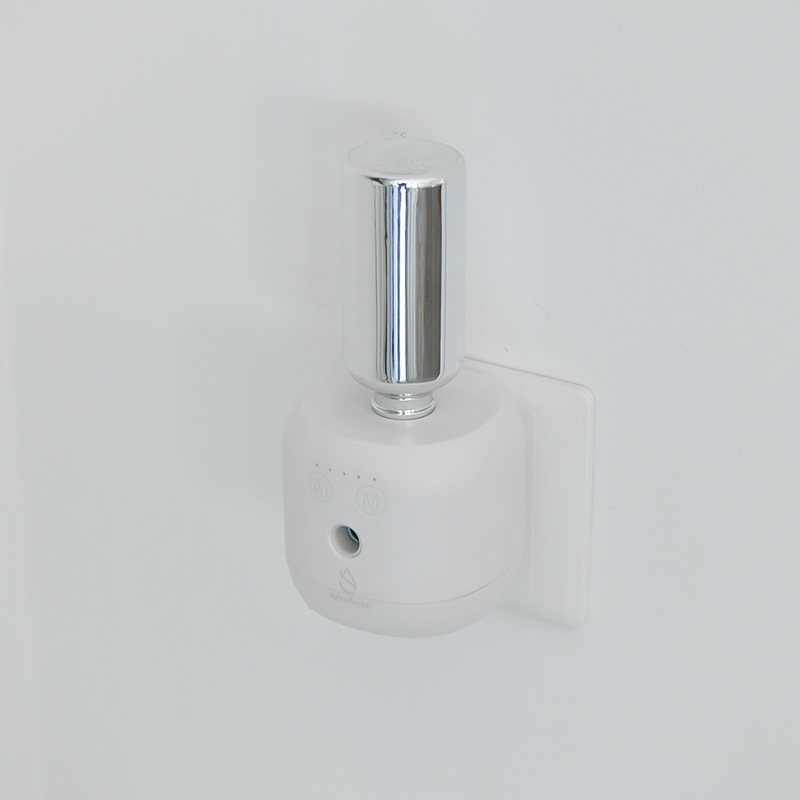
A scent machine operates entirely differently. It uses pressurized air and Bernoulli's principle to atomize pure essential oils into micro-particles. This process requires zero heat and zero water, pulling the oil directly from the bottle.
Evaporative diffusers use a small fan to blow air through a pad soaked in essential oils. Heat diffusers use low heat to evaporate oils from a reservoir. Both options are generally sub-optimal for professional workspaces. Heat alters the delicate chemical composition of essential oils, degrading their aromatic quality and therapeutic benefits. Fan noise from evaporative models can be highly disruptive during quiet work. Furthermore, both methods provide inconsistent scent throw, starting strong and fading rapidly as the lighter top notes evaporate before the heavier base notes.
| Technology Type | Mechanism | Best For | Primary Drawback |
|---|---|---|---|
| Ultrasonic | Water + Piezoelectric Vibration | Small offices, dry environments, desk-side use | Daily maintenance, mold risk, diluted scent |
| Nebulizing | Pressurized Air Atomization | Large spaces, premium scent, low maintenance | Higher oil consumption, noticeable pump noise |
| Evaporative/Heat | Fan or Heat Pad | Travel, temporary use, small bathrooms | Inconsistent scent, alters oil chemistry |
Matching technical specifications to your daily workspace realities ensures you get the most out of your device. Do not buy based on aesthetics alone. You need to evaluate scalability, noise, and automation to ensure the device enhances rather than disrupts your workflow.
You must match the device output to the specific dimensions of your home office. Manufacturers typically rate diffusers by milliliter per hour (ml/hour) output or square footage coverage. A standard 150ml ultrasonic unit effectively covers a 100 to 150 square foot room. If you work in a large, open-plan basement, a low-capacity unit will be unnoticeable. Conversely, you must warn against using high-output nebulizers in small, enclosed spaces. Pumping concentrated oils into a tiny room without proper ventilation will quickly overwhelm the senses and cause headaches.
Here is a simple framework for sizing your device:
Auditory distractions ruin focus. Analyze the decibel (dB) ratings before selecting a device. For focused work or frequent video conferencing, you need a unit that operates below 30 dB. Most ultrasonic models easily meet this benchmark. However, the surface you place the device on matters. Hard desk materials like glass or hollow wood can amplify the vibration noise of an ultrasonic diffuser. Placing a small neoprene mat underneath the unit absorbs this vibration. Nebulizers rely on air pumps, which naturally generate more noise. You must manage the intermittent hum of a nebulizer by placing it further from your desk or setting it to run only between meetings.
Continuous diffusion often leads to olfactory fatigue, commonly known as nose blindness. After 30 minutes, your brain simply stops registering the scent. Intermittent diffusion settings solve this problem. Look for devices that allow cycles like 10 minutes on and 20 minutes off. This maintains a subtle background scent throughout the workday without overwhelming your olfactory system. Auto-shutoff features are equally important. They ensure the device powers down when the water or oil runs out, protecting the internal components from overheating and conserving your expensive oils.
Daily diffuser use introduces hidden operational hazards. You must address these risks proactively to maintain a healthy and professional environment. Ignoring maintenance or safety protocols will quickly turn a beneficial tool into a liability.
Water-based units demand strict weekly maintenance. Neglecting this chore turns your device into a breeding ground for bacteria and mold. Hard water also causes calcification on the piezoelectric disc, which severely reduces mist output. To maintain health and safety standards, follow this cleaning protocol:
Many popular essential oils are highly toxic to cats and dogs. Eucalyptus, tea tree, citrus, peppermint, and ylang-ylang can cause severe respiratory distress or liver failure in pets. If your animals have access to your home office, you must implement mitigation strategies. Ensure active ventilation by keeping windows cracked or ceiling fans running. Keep the office door open to allow pets to leave if the scent bothers them. Most importantly, strictly select pet-safe oils like cedarwood or frankincense, and always consult your veterinarian before diffusing new scents.
Operating a workspace diffuser in an open or shared home environment requires strict etiquette. You want to avoid workplace disputes with a spouse or roommate. One person's focus scent can easily be another person's allergy or migraine trigger. Establish baseline agreements before turning the device on. Obtain clear consent regarding scent intensity and specific oil choices. Keep the output low and place the device close to your personal breathing zone rather than in the center of the shared room. If sensitivities are high, consider using a personal inhaler instead of broadcasting scent into the shared air.
Evaluating the true value of a diffuser requires looking beyond the initial purchase. You must weigh hardware durability against ongoing consumable usage to make a smart selection that fits your operational habits.
The lifetime usage of your device depends on the technology you choose. A basic ultrasonic diffuser requires a very low initial investment. It also uses very little essential oil, typically 5 to 10 drops per tank. However, cheap plastic models often fail after a year of daily use, requiring frequent replacement. A premium nebulizer demands a much higher upfront hardware investment. It is built with durable components designed to last for years. The trade-off is that nebulizers consume pure essential oils at a rapid pace. You will spend significantly more on replenishing your oil supply over the life of the machine. You must decide whether you prefer paying for hardware durability upfront or paying for higher consumable usage over time.
Material selection impacts both longevity and safety. Essential oils are highly concentrated and corrosive. Cheap plastics will degrade, warp, or leach chemicals over time when exposed to pure oils. Look for devices constructed from medical-grade plastics like Polypropylene (PP), thick glass, or treated wood. These materials withstand daily exposure to concentrated oils without breaking down. Furthermore, prioritize manufacturer warranties. Warranties are especially critical for units with moving mechanical parts, like the air pumps in nebulizers. A solid warranty protects your investment against premature mechanical failure and ensures you have support if the unit stops producing mist.
A home office aroma essential oil diffuser stands as a highly effective tool for environmental conditioning. When selected and maintained correctly, it aids in stress reduction, masks household distractions, and builds psychological focus. The right device transforms a sterile desk setup into a tailored, comfortable workspace.
Your shortlisting logic should follow your specific environmental needs. Recommend ultrasonic models for smaller offices, users combatting HVAC dryness, and buyers willing to perform daily maintenance. Recommend nebulizing units for larger spaces, those seeking a premium hotel-like scent experience, and users prioritizing waterless convenience.
Take these next steps to upgrade your workspace:
A: They improve productivity indirectly through olfactory anchoring and environmental control. By masking distracting household odors, they remove breaks in concentration. Consistently using specific scents during deep work trains your brain to associate that aroma with focus, leading to improved perceived alertness.
A: Diffusers are designed primarily for scent dispersion. While ultrasonic diffusers output a small amount of water vapor—which helps with mild HVAC dryness—they lack the tank capacity to significantly alter room humidity. Humidifiers are purpose-built to output gallons of water to raise overall room humidity levels.
A: Waterless units offer distinct advantages. They eliminate mold risks, require less daily refilling, and deliver a stronger, more luxurious scent profile. However, they are not universally better. They consume essential oils much faster and the internal air pumps can generate noticeable noise during quiet work.
A: For water-based ultrasonic models, you should empty the standing water daily. Perform a deep clean every one to two weeks depending on usage. Run a cycle with water and white vinegar, then wipe the internal transducer disc with rubbing alcohol to prevent mineral buildup.
A: Yes, but it requires strict etiquette and clear communication. You must obtain consent from your office mates. Strong scents can trigger migraines, allergies, or asthma in others. Keep the scent intensity low, choose universally pleasant oils, and place the device close to your personal workspace.


