
Views: 0 Author: Site Editor Publish Time: 2026-08-31 Origin: Site


Traditional home fragrance systems rely on standard AC wall outlets and stable surfaces. This makes them unsuited for mobile, transit, or temporary workspace environments. Moving a standard unit introduces immediate operational friction. You lose power access, risk water spills during motion, and struggle with bulky physical footprints. A mini usb essential oil diffuser solves these exact problems. It acts as a technical bridge for portable scenting. By leveraging advancements in low-voltage power delivery and micro-atomization, these compact devices provide consistent fragrance without spatial or infrastructural constraints. You no longer compromise on scent quality when moving from your home to your car or office.
Miniaturizing atomization technology while restricting power draw to standard USB outputs presents a specific engineering challenge. Standard diffusers use high-voltage components to drive heavy mist output. Portable units must achieve similar olfactory results using a fraction of the electrical current. This constraint splits the market into two distinct technological categories, each requiring different operational approaches from the user.
Waterless systems utilize the Bernoulli principle to disperse scent without introducing moisture. A miniature internal pump forces pressurized air through a small tube. This high-velocity air creates a vacuum, pulling pure essential oil directly from the attached bottle. The system forces the oil against a baffle, breaking it down into microscopic particles measuring 1 to 3 microns. This eliminates the water reservoir entirely. It delivers a full-strength, undiluted aroma directly into the environment. The resulting nano-mist is incredibly light. It remains suspended in the air for extended periods, traveling on natural ambient air currents rather than falling rapidly to the floor.
Ultrasonic models take a completely different approach to atomization. These systems use a small piezoelectric disc located at the bottom of a water reservoir. When powered, this ceramic disc vibrates at ultrasonic frequencies, typically around 2.4 MHz. These rapid vibrations create capillary waves in the water, breaking the surface tension of the water and essential oil mixture. This action releases a fine, visible mist into the air. Manufacturers scale down the water tank to hold between 50ml and 150ml to maintain portability. This size reduction introduces specific spatial and runtime trade-offs. You must refill the unit more frequently. You also have to manage the constant risk of water spills when moving the device between locations.
Electrical requirements strictly dictate device performance. A standard PC USB 2.0 port typically outputs only 0.5 Amps. Older vehicle infotainment data ports and cheap gas station car chargers often supply similar low-output currents. These sources fail to power the atomization process. Users frequently encounter a frustrating "light on, no mist" error. The device receives enough voltage to power the indicator LEDs but lacks the necessary amperage to drive the ultrasonic plate or the nebulizing air pump. A functional USB aroma diffuser requires a dedicated 5V/1A or higher power adapter to operate correctly.
| Power Source | Typical Amperage Output | Diffuser Compatibility |
|---|---|---|
| Standard PC USB 2.0 Port | 0.5A | Fails (Lights only, no mist) |
| Standard PC USB 3.0 Port | 0.9A | Inconsistent (May struggle on high settings) |
| Older Vehicle Data Port | 0.5A | Fails (Lights only, no mist) |
| Dedicated 12V Car Charger (Cigarette Lighter) | 2.1A - 3.0A | Excellent (Full power delivery) |
| Modern USB-C Wall Adapter | 2.0A+ | Excellent (Full power delivery) |
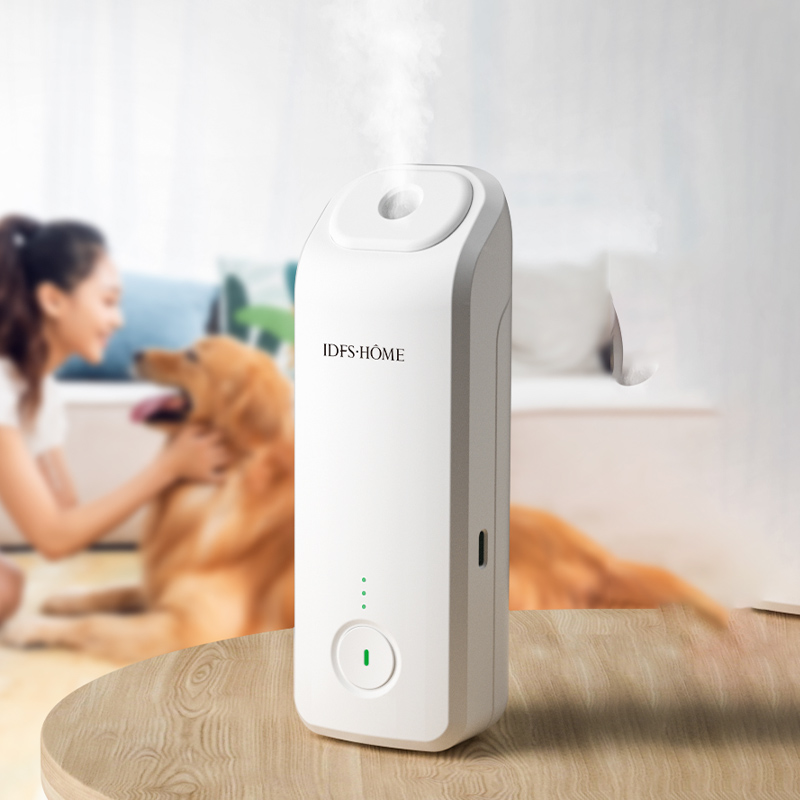
Evaluating portable fragrance systems requires looking beyond aesthetics and marketing claims. You must analyze the internal components, power architecture, and output metrics to ensure the device meets your specific environmental demands.
Particle size directly impacts how long the scent hangs in the air and the overall coverage area. Smaller particles, specifically in the 1 to 3 micron range produced by nebulizers, remain airborne significantly longer than heavier water-based mist droplets. Manufacturers often claim coverage areas ranging from 107 to 645 square feet. Realistic expectations must account for environmental variables. Drafty rooms, open windows, or heavily ventilated car cabins disperse the scent faster. You must evaluate these claims against the actual airflow of your intended space. A 600 square foot rating assumes a sealed room with zero HVAC interference. In a moving vehicle with the air conditioning running, that effective coverage area drops drastically.
The choice between integrated batteries and direct tethering defines how you interact with the device daily. Integrated lithium-ion batteries offer ultimate placement freedom. Consistent usage without frequent recharging is a critical convenience factor. Buyers must evaluate the mAh battery capacity against their expected daily usage hours. A 2000mAh battery might last 8 hours on continuous mode but extend to 40 hours on an intermittent setting. Direct USB-C or Micro-USB tethers provide infinite runtime. You never have to worry about the device dying mid-transit. However, this restricts placement to areas immediately adjacent to power sources. Wireless models offer flexibility but face inevitable battery degradation over years of continuous charge cycles.
To maximize the lifespan of a battery-operated unit, follow these operational guidelines:
Undiluted essential oils are highly corrosive to standard consumer plastics. Over time, pure citrus, cinnamon, or clove oils melt or crack cheap materials like standard ABS plastic. Waterless models require medical-grade plastics like Polypropylene (PP) or Polyoxymethylene (POM), aluminum alloys, or glass reservoirs to prevent structural degradation. When evaluating a unit, inspect the material of the oil intake tube and the reservoir threading. These components endure the highest concentration of corrosive oils. They require premium materials to survive long-term use without leaking or snapping.
A device that performs perfectly on a static office desk might fail completely in a moving vehicle. You must match the hardware specifications to the physical realities of the deployment environment.
Using a mini diffuser in a car introduces unique safety and compatibility challenges. The device must never obstruct your field of vision or create physical distractions while driving. It should operate autonomously once activated. Automotive users frequently worry about harming vehicle interiors. You must position the unit carefully. Prevent moisture or heavy oil vapor from settling on infotainment screens, entering USB data ports, or clogging cabin air filters. Waterless nano-mist systems are generally safer for car electronics because they do not introduce excess humidity into the confined cabin. Cup-holder compatibility is essential. The base must taper correctly to fit standard vehicle consoles. The engineering must be entirely spill-proof to handle sharp turns, sudden stops, and rough road vibrations without leaking oil or water onto the upholstery.
Shared workspaces demand discretion. The primary concern for desktop deployment is the acoustic profile. Decibel output matters in quiet environments. Nebulizing pumps are inherently louder than ultrasonic plates due to the mechanical action of pressurized air. They often produce a low hum or vibration sound, typically registering between 35 and 45 decibels. You must determine an acceptable noise threshold for your specific office environment. Ultrasonic models operate almost silently, usually under 25 decibels, making them preferable for quiet zones, provided you can manage the water refills without damaging nearby paperwork or keyboards.
Taking your fragrance system on airplanes or trains requires specific hardware durability and regulatory compliance. Packing these units in carry-on luggage introduces logistical challenges. You must adhere to strict TSA liquid limits, keeping all accompanying essential oil bottles under 3.4 ounces (100ml). The device itself must feature a leak-proof travel lock or come with a sealed travel case. Cabin pressure changes during flights can force residual oil out of the micro-nozzle. A proper travel case prevents this oil from leaking onto your clothing or electronics during transit.
Modern portable units include various digital features. You must separate practical utility from unnecessary gimmicks to find a reliable device that enhances your daily routine.
Intermittent misting features directly improve the user experience. Continuous scenting quickly leads to olfactory fatigue, where your nose becomes blind to the smell. Setting a cycle of 10 seconds on and 50 seconds off prevents this fatigue. This specific interval timing also drastically extends battery life and conserves your pure essential oil supply. It ensures a consistent, background aroma rather than an overwhelming initial burst that quickly fades.
Variable output controls let you scale the fragrance throw based on the immediate environment. A confined car cabin requires a very low intensity setting to prevent headaches or overwhelming passengers. When you move that same device into a 300-square-foot hotel room, you need the ability to switch to maximum output. Physical buttons that toggle between low, medium, and high output offer the most reliable control method, allowing you to adjust the device without looking away from the road or your work.
Bluetooth and smartphone apps offer precise scheduling and remote activation. You must critically evaluate if this adds genuine utility. For a simple portable diffuser, complex app requirements often introduce unnecessary points of failure. Connection drops, software updates, and pairing issues render the device frustrating to use. Physical buttons remain the most reliable interface for devices meant to be operated quickly while on the move.
Every portable technology involves compromises. Understanding these trade-offs ensures you select the right system for your maintenance tolerance and budget.
| Feature / Metric | Waterless (Nebulizing) Diffusers | Ultrasonic (Water-based) Diffusers |
|---|---|---|
| Spill Risk | Zero (No water reservoir) | High (Requires careful handling during transit) |
| Scent Intensity | Very High (Pure, undiluted oil) | Moderate (Diluted with water) |
| Oil Consumption Rate | High (Uses pure oil rapidly) | Low (A few drops per 100ml of water) |
| Acoustic Profile | Noticeable hum from air pump (35-45 dB) | Nearly silent operation (<25 dB) |
| Maintenance Needs | Requires regular alcohol flushes to prevent clogs | Requires wiping to prevent mineral/mold buildup |
Waterless systems offer superior scent density and zero spill risk. They consume pure essential oil at a significantly faster rate. A standard 10ml bottle might last months in an ultrasonic unit but could be depleted in weeks using a nebulizer on high settings. You must balance the convenience of waterless operation against the recurring cost of purchasing pure essential oils. Using lower intensity settings and strict interval timers helps mitigate this rapid consumption.
Portable units require strict, non-negotiable cleaning protocols. In waterless models, residual oil thickens over time inside the micro-nozzles. If left uncleaned, this thick residue permanently clogs the 1-3 micron pathways, rendering the device useless.
Execute this standard cleaning protocol for waterless units bi-weekly:
Ultrasonic models require frequent wiping to prevent hard water mineral buildup on the piezoelectric plate. You must use a cotton swab dipped in white vinegar to gently clean the ceramic disc at the bottom of the water reservoir. Failing to remove this mineral scale severely reduces mist output over time.
The realistic lifecycle of portable diffusers depends heavily on usage conditions. Battery wear is inevitable. Lithium-ion cells degrade after several hundred charge cycles, eventually holding less power. Frequent transit shocks from dropping the unit or rough car rides dislodge internal wiring. The continuous strain on miniature atomizing pumps or ultrasonic plates limits the hardware lifespan. Expect a high-quality portable unit to function reliably for one to three years under daily use conditions before requiring replacement.
A: Standard USB 2.0 or 3.0 data ports on laptops typically output only 0.5 Amps. Most diffusers require at least 1 Amp (5V) to power the atomization process. Plugging into a laptop often results in the LEDs lighting up, but no mist being produced. Use a dedicated wall adapter or a high-output charging port.
A: Waterless nebulizers producing 1-3 micron particles are generally safe, as the dry mist disperses without leaving moisture. Heavy ultrasonic mist can introduce excess humidity. Always position the device away from infotainment screens, HVAC vents, and data ports to prevent vapor from settling on sensitive electronics.
A: High-quality nebulizers break oil into microscopic particles that suspend in the air and ventilate out naturally. Cheap ultrasonic models or units with failing pumps spit larger droplets. These larger droplets fall rapidly and leave an oily residue on cup holders, center consoles, and leather upholstery.
A: Battery life depends on the mAh capacity and usage settings. A standard 2000mAh battery provides 4 to 8 hours of continuous misting. Using intermittent timer settings, such as 10 seconds on and 50 seconds off, extends that runtime to 20 to 40 hours between charges.
A: This indicates a power supply issue or a clog. If your power source provides less than 1 Amp, it powers the lights but not the pump. If the power is sufficient, the micro-nozzle is likely clogged with thickened oil and requires an isopropyl alcohol flush.
A: You must exercise extreme caution. Waterless units disperse highly concentrated pure essential oils. Confined spaces like vehicles lack sufficient airflow, which can overwhelm pets and cause respiratory distress. Always ensure heavy ventilation and consult a veterinarian regarding pet-safe oil varieties before use.
A: Manufacturers strongly recommend using distilled water. Tap water contains minerals that quickly build up on the small piezoelectric plate inside 50ml-150ml reservoirs. This mineral scale reduces mist output and requires frequent, tedious cleaning with white vinegar to remove and restore full functionality.


