
Views: 0 Author: Site Editor Publish Time: 2026-08-17 Origin: Site


High-end interior design often clashes with traditional wellness appliances. For years, adding aromatherapy meant introducing cheap plastics and clunky silhouettes into carefully curated spaces. Consumers face a real challenge when outfitting their homes. They struggle to find a functional wellness device that meets the visual standards of minimalist or Scandinavian decor without sacrificing scent throw or durability. You need a device that performs flawlessly while looking like a deliberate architectural choice.
We will establish a framework for evaluating a modern essential oil diffuser. This involves analyzing material authenticity, diffusion technology, and architectural placement strategies. You must match the diffusion method to your specific floor plan. You also need to balance visual integration with functional necessities. These factors maximize both aesthetic integration and olfactory performance in contemporary interiors.
Modern interiors demand intentionality. Every object in a room must contribute to the overarching design language. Geometric, minimalist, and organic silhouettes allow a decorative diffuser to integrate into specific styles without looking like an afterthought. You must evaluate the physical shape of the unit against the dominant lines of your furniture and architecture.
Different interior styles require specific geometric approaches:
Color palettes play a massive role in visual integration. Neutral tones prevent the device from looking like a cheap consumer electronic. Matte black, soft linen, terracotta, and muted stone finishes absorb light rather than reflecting it. This matte quality helps the unit blend into elevated spaces. A glossy white plastic shell instantly cheapens a room, drawing the eye for the wrong reasons. A textured, matte ceramic finish improves the same space. You want the device to read as a sculptural object or a piece of pottery when it is turned off.
You must separate the exterior shell from the internal mechanics. The industry standard dictates that even a high-end luxury diffuser uses BPA-free plastic for its internal water tank. Pure essential oils are highly volatile and corrosive. They will degrade, stain, or leak through natural materials like unglazed ceramic, concrete, or raw wood. The plastic reservoir is a functional necessity for chemical resistance, not a cost-cutting measure. Understanding this prevents unrealistic expectations during the purchasing process.
Evaluate the exterior materials based on tactile quality, weight, and visual aging. You interact with the exterior daily, so the material must withstand regular handling.
| Exterior Material | Visual Aesthetic | Durability & Impact Resistance | Maintenance Considerations |
|---|---|---|---|
| Matte Ceramic | Premium, artisanal, heavy feel | Low; chips or shatters if dropped | Shows oil fingerprints easily; requires frequent wiping |
| Polyresin | Mimics stone or matte plastic | High; survives drops and bumps | Resists staining; easy to clean with mild soap |
| Hand-Milled Wood | Warm, natural, organic texture | Moderate; can dent or scratch | Requires careful sealing to prevent moisture warping |
| Cast Concrete | Industrial, raw, architectural | High; extremely heavy and solid | Porous surface can permanently stain if oil drips |
Hardware and interface quality often reveal the true grade of the device. A common flaw occurs when manufacturers pair premium ceramic exteriors with generic, identical plastic buttons. This mismatch ruins the luxury aesthetic immediately. Look for touch-sensitive controls that sit flush with the surface. Hidden interface panels located on the bottom or back of the unit maintain a clean silhouette. If physical buttons exist, they should be premium metallic switches that match the exterior finish.
Ultrasonic technology dominates the residential market. The unit plugs into a standard electrical outlet. This power triggers a small ceramic disc at the base of the water tank to vibrate at ultrasonic frequencies. These rapid vibrations agitate the water and essential oil mixture, breaking it down into microscopic particles. The device then releases this mixture into the air as a cool, fine mist.
This method produces specific outcomes. It adds a slight amount of humidity to the room, which benefits dry climates or winter months when heating systems dry out the indoor air. Ultrasonic units operate very quietly, producing only a faint water trickling sound. They offer moderate scent throw, making them suitable for bedrooms, home offices, and standard living rooms. The mist carries the aroma effectively across 200 to 400 square feet.
You must accept certain trade-offs. These units require regular water refills. Routine cleaning is mandatory to prevent mold growth and hard water mineral buildup on the vibrating disc. Using distilled water reduces this mineral scaling, but adds an ongoing operational requirement. Furthermore, the mist carries physical water particles. This moisture can settle on nearby delicate furniture, potentially causing water rings or warping if placed too close to untreated surfaces.
Nebulizing technology operates entirely differently. It uses pressurized air to atomize pure essential oil. A small pump forces air through a narrow tube, creating a vacuum that pulls the oil to the surface. The pressurized air then blows the oil against a glass surface, breaking it into a micro-fine vapor. This process uses no water and no heat.
The outcomes suit specific architectural layouts. Nebulizers are ideal for large square footage and vaulted ceilings. They provide rapid, highly concentrated scent distribution. Because they do not dilute the oil with water, they preserve complex aromatherapy blends perfectly. The exact scent profile of the oil in the bottle is exactly what you smell in the air. They easily cover open-concept spaces exceeding 500 square feet, pushing scent through large living areas and adjoining kitchens.
The trade-offs involve cost and maintenance. Nebulizers consume essential oil at a much higher rate than ultrasonic models. The internal air pump produces a noticeable motor hum, which may distract in quiet bedrooms or reading nooks. They also require specific cleaning protocols. You must regularly flush the system with rubbing alcohol to prevent thick or sticky oils, like vetiver or sandalwood, from clogging the delicate glass nozzles.
Heat diffusers use a warming element to evaporate the oil. Evaporative diffusers use a fan to blow air through a pad soaked in oil. These represent legacy methods of aromatherapy.
Interior designers and aromatherapists generally exclude these from the luxury category. Heat alters the delicate chemical composition of essential oils, destroying their therapeutic properties and changing their scent profile. Evaporative models release the lighter top notes of an oil blend first, followed by the heavier base notes later. This results in an inconsistent scent experience over time. Modern interiors rely on ultrasonic or nebulizing technologies for consistent, high-quality performance.
| Diffusion Technology | Mechanism | Best Room Application | Primary Trade-off |
|---|---|---|---|
| Ultrasonic | Vibrating disc creates water/oil mist | Bedrooms, standard living rooms (200-400 sq ft) | Requires water refills; mist can settle on furniture |
| Nebulizing | Pressurized air atomizes pure oil | Open-concept spaces, vaulted ceilings (500+ sq ft) | High oil consumption; noticeable motor hum |
| Evaporative | Fan blows air through oil-soaked pad | Small bathrooms, closets | Inconsistent scent profile; separates oil notes |
| Heat | Warming element evaporates oil | Niche applications only | Alters oil chemistry; degrades therapeutic value |
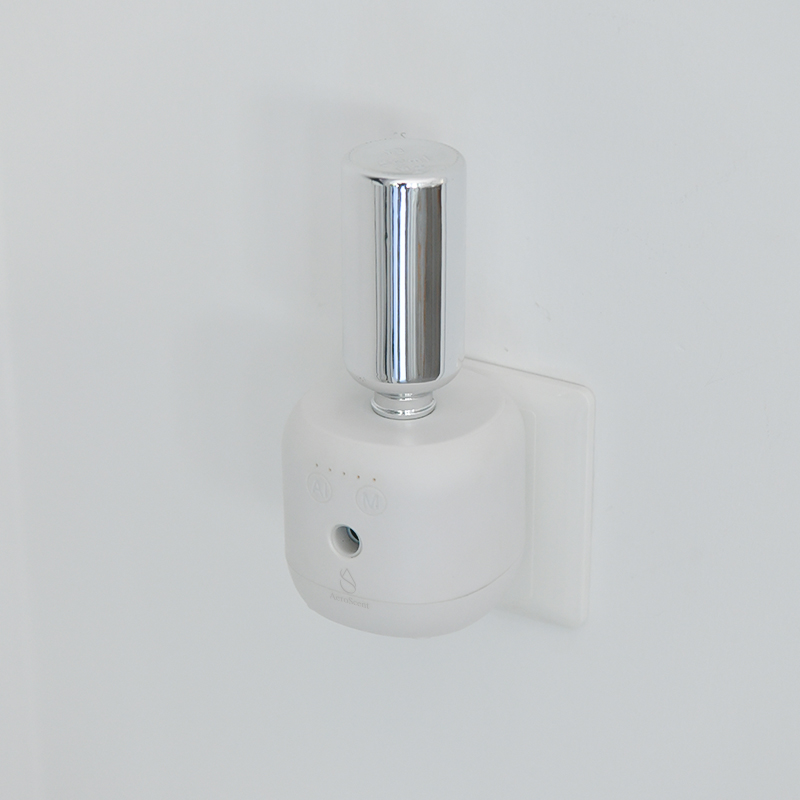
Positioning dictates performance. You must place stand-alone units strategically in open spaces. Keep them away from walls or large furniture that obstruct airflow. Pushing a unit into a corner traps the mist and limits the scent throw. The vapor needs room to disperse into the ambient air currents of the room. If you hide the unit behind a television or a large plant, the scent will pool in that specific area and fail to reach the rest of the room.
Leverage elevated surfaces for optimal results. Fireplace mantles, kitchen islands, and entryway sideboards serve as excellent staging areas. Placing the unit at least two to three feet off the ground allows the mist to fall and disperse naturally. This elevation is especially critical when running units on high settings for extended periods, such as 8-hour continuous cycles. The height prevents the mist from pooling on the floor and creating slip hazards on hardwood or tile.
Environmental factors heavily impact mist dispersion. HVAC vents, ceiling fans, and natural drafts dictate where the scent travels. Do not place the unit directly beneath an HVAC return vent, as the system will immediately suck up the vapor and trap it in your air filters. Instead, position it near an output vent where the conditioned air can carry the scent across the room. Be mindful of open windows, which can blow the mist directly out of the house or push it against a single wall.
Power cables ruin minimalist aesthetics. A beautiful ceramic shell loses its appeal when a thick black cord drapes across a clean white countertop. You must plan outlet proximity before purchasing. Conceal cords behind books, vases, or structural columns. Use cable clips to run wires cleanly down the back legs of console tables. If you are renovating, consider installing floor outlets under floating furniture specifically for powering these devices without visible wall cords.
Consider cordless or rechargeable battery-operated models for difficult placements. These units offer ultimate visual cleanliness. You can place them in the center of a dining table or on a floating shelf without worrying about power access. However, evaluate the run-time limitations. Battery-operated units typically run for only 3 to 4 hours before requiring a recharge. Continuous plug-in models offer uninterrupted performance but demand strict cord management.
Essential oil mist carries risks. The vapor from ultrasonic units contains both water and concentrated plant oils. When this mist settles, it can damage porous materials. Untreated wood absorbs the moisture and warps. Leather stains easily from oil exposure. Natural stone countertops, like marble, can etch or discolor if acidic oils like lemon or grapefruit pool on the surface.
Protect your investments. Always place the unit on a non-porous tray. Glass, sealed ceramic, or metal trays catch any rogue condensation. Elevating the unit slightly on a decorative pedestal also mitigates damage. Never place a misting device directly next to silk curtains, unsealed artwork, or sensitive electronics like laptops and audio receivers. The continuous moisture exposure will eventually cause hardware corrosion or fabric watermarks.
Continuous misting often leads to olfactory fatigue. Your brain stops registering the scent after about 30 to 45 minutes of constant exposure. Intermittent mist settings solve this problem. A unit that cycles on for 10 minutes and off for 10 minutes keeps the scent fresh in your environment. It also extends the life of the water and oil mixture. A modern aroma diffuser should offer multiple output settings to control the intensity of the fragrance based on the room's current occupancy.
Evaluate tank capacity against the physical footprint. A 100ml tank requires a smaller, more discreet shell. It blends easily onto a crowded nightstand but requires daily refilling. A 500ml tank runs for over 12 hours continuously. However, this large capacity requires a bulky exterior. You must decide if the convenience of infrequent refills outweighs the visual impact of a larger device in your space. For high-traffic living rooms, a larger tank prevents the annoyance of constant maintenance.
Lighting features separate premium devices from cheap alternatives. Cheap units often feature bright, RGB color-changing lights that flash through harsh neon colors. These look out of place in a sophisticated interior. Sophisticated models utilize warm-dimming ambient glows. They mimic the soft flicker of candlelight or offer a steady, warm white illumination at 2700K. This creates a calming atmosphere without overpowering the room's primary lighting scheme.
A "lights-off" mode is absolutely necessary for bedroom placement. Even a faint LED indicator light can disrupt sleep in a dark room. Ensure the device allows you to run the misting function while completely disabling all illumination. Sensory integration means the device enhances the environment without causing visual or auditory distractions. The physical buttons should not emit loud, high-pitched beeps when pressed, as this breaks the tranquil atmosphere the device is meant to create.
Purchasing a visually appealing but underpowered unit creates frustration. A small 100ml ultrasonic device will disappear visually in a large living area, but its scent will also disappear. You will burn through expensive essential oils trying to scent a room that the device simply cannot handle. The aesthetic victory becomes a functional failure.
Mitigate this by cross-referencing manufacturer claims with your actual room volume. Square footage claims often assume standard 8-foot ceilings. If your modern home features 12-foot vaulted ceilings, the cubic volume of air increases by 50%. You must size up accordingly. Choose a high-capacity ultrasonic unit or switch to a nebulizing system to handle the increased air volume. Do not rely on a single small unit to scent an entire open-concept first floor.
Neglect destroys these devices quickly. Hard water scaling builds up on the ultrasonic ceramic disc. This mineral crust prevents the disc from vibrating at the correct frequency, leading to weak mist output or total failure. Oxidized, sticky essential oil residue clogs the delicate pumps in nebulizing units. Ignoring maintenance turns a luxury item into garbage.
Establish a strict cleaning protocol to ensure longevity:
Factor the ease-of-disassembly into your purchasing decision. If you cannot easily reach the internal components, you will not clean them, and the device will fail prematurely.
A: Position the diffuser on a solid, non-porous surface in an open area with good airflow, such as a mantle or kitchen island. Keep it at least two feet above the floor and away from direct sunlight, open windows, or directly beneath HVAC returns to ensure even scent distribution.
A: Yes. Almost all high-end diffusers feature a BPA-free plastic internal reservoir. This is necessary because pure essential oils are highly corrosive and will degrade or leak through natural materials like unglazed ceramic or wood over time.
A: For large spaces exceeding 500 square feet, prioritize a nebulizing diffuser or a high-capacity ultrasonic diffuser (300ml+). Nebulizers disperse pure oil without water, providing a stronger, more concentrated scent throw suitable for open floor plans.
A: Ultrasonic diffusers use water and a vibrating disc to create a hydrating mist, offering a subtle scent and quiet operation. Nebulizing diffusers use pressurized air to atomize pure essential oil without water, delivering a highly potent aroma ideal for large spaces and preserving complex blends.
A: Yes. The mist from ultrasonic diffusers carries water and oil particles that can settle on surfaces. To prevent warping or staining, avoid placing diffusers directly on untreated wood, leather, or delicate fabrics, and use a protective tray.
A: To prevent olfactory fatigue and over-saturation of the air, it is recommended to run a diffuser for 30 to 60 minutes at a time. Many modern units feature intermittent timers that automatically cycle on and off to maintain a consistent ambient scent.


