
Views: 0 Author: Site Editor Publish Time: 2026-08-06 Origin: Site


Maintaining consistent ambient scent outside controlled environments presents a logistical challenge. When you move between vehicles, hotel rooms, or temporary workspaces, standard diffusion methods fail. Traditional units require continuous AC power, stable flat surfaces, and frequent water refills. Impromptu DIY hacks, like oil-soaked cotton balls or homemade vent clips, dry out quickly and fail to deliver lasting fragrance. These makeshift methods simply do not work for transit and mobile lifestyles.
A true portable aroma essential oil diffuser solves these issues through specific engineering adaptations. By focusing on battery autonomy, spill-resistant designs, waterless atomization, and controlled airflow, these devices offer reliable scent dispersion anywhere. Understanding how to evaluate these units based on travel and spatial requirements ensures you select the right tool for your environment. You get steady fragrance delivery without the mess of traditional setups.
Selecting the right device requires understanding the physical limitations of your environment. Mobile fragrance differs entirely from home scenting. You must account for shifting airflows, limited power access, and constant movement. Evaluating these constraints upfront prevents poor performance down the line. You cannot expect a low-powered fan unit to fill a large hotel room, nor should you place a high-output nebulizer in a compact car without adjusting the settings.
You must establish the baseline square footage your device needs to cover. Different environments demand varying levels of output intensity. Micro-environments, such as car cabins or personal desks, typically span 50 to 100 square feet. In these tight spaces, high-output devices quickly overwhelm the senses. You need a device with low-output settings or intermittent timers to maintain a pleasant background scent without causing olfactory fatigue.
Medium spaces, like hotel rooms or temporary offices, range from 200 to 400 square feet. These areas require a stronger scent throw. A standard travel diffuser must push fragrance across the room despite HVAC systems actively circulating and filtering the air. Look for devices capable of projecting scent at least 15 feet. Understanding your primary space dictates the motor size and atomization method you should choose. If you frequently switch between a car and a hotel room, you need a unit with a wide range of adjustable output levels.
True portability relies on sustained power autonomy. You cannot always depend on available wall outlets while traveling. Define acceptable battery life thresholds based on your daily routine. A reliable unit should offer at least 15 to 20 hours of intermittent runtime on a single charge. This capacity covers several days of commuting or a long weekend trip without needing a recharge.
Evaluate the charging standards built into the device. USB-C charging is the current standard, offering faster replenishment and universal cable compatibility. Check for pass-through charging capabilities. This feature allows the unit to operate while plugged in, which proves highly useful during long drives. Review the internal battery capacity. Devices with 2000mAh to 4000mAh ratings provide true off-grid reliability. Avoid units with proprietary charging cables, as losing the cable renders the device useless on the road.
Mobility introduces the constant risk of spills and physical damage. Structural integrity is non-negotiable for any device carried in luggage or kept in a moving vehicle. Detail the structural requirements for your specific use case. Leak-proof oil reservoirs are mandatory. Look for silicone O-rings, polytetrafluoroethylene (PTFE) seals, and deep-threaded caps that prevent oil from escaping when the unit tips over in a bag.
Consider the chassis materials. Anodized aluminum alloy housings withstand drops and impacts far better than standard ABS plastic. Aluminum also resists the corrosive nature of pure essential oils, which can melt or warp cheap plastics over time. Secure locking mechanisms must protect the internal components. Magnetic closures often fail inside a packed suitcase when subjected to shifting loads. Opt for twist-lock or heavy-duty latching tops to protect your luggage and vehicle interiors from accidental oil saturation.
Not all diffusion methods translate well to mobile environments. Manufacturers adapt different core technologies to fit compact form factors. Each method balances scent intensity, power consumption, and maintenance requirements differently. Understanding these mechanics helps you match the technology to your lifestyle.
Waterless nebulizing technology represents the premium tier of mobile scenting. These devices use cold-air diffusion mechanics based on the Bernoulli principle. A built-in air pump forces pressurized air through a small capillary tube. This high-velocity airflow creates a vacuum, pulling pure essential oil from the attached bottle. The oil hits a baffle and shatters into microscopic nanoparticles. These particles disperse directly into the air as a fine, dry mist.
The benefits of this method are substantial for travel. You require zero water, eliminating the need to find a sink or carry distilled water bottles. The process adds no humidity to the air, which keeps car windows from fogging up during winter commutes. Scent dispersal is immediate and highly potent. The fragrance lingers longer because the ultra-light oil particles remain suspended in the air rather than falling to the ground.
You must address the drawbacks before purchasing. The internal air pump generates noticeable operational noise. You will hear a distinct humming or buzzing sound during the active diffusion cycle. Additionally, nebulizers consume pure essential oil rapidly. Running the device on maximum output depletes a standard 10ml bottle much faster than other methods, requiring you to carry backup oil on longer trips.
Ultrasonic technology dominates the home market and manufacturers have scaled it down for travel. These units use a small piezoelectric ceramic disc located at the bottom of a water reservoir. The disc vibrates at high frequencies (typically 2.4 MHz), creating ultrasonic waves. These waves agitate the water and essential oil mixture, breaking it down into a cool, visible mist that exits the top of the device.
Evaluate the viability of this technology for travel carefully. The primary advantage is lower oil consumption. A few drops of oil mix with water to provide hours of scent. The mist also adds a slight amount of moisture to the air, which helps combat dry hotel room air conditioning and pressurized airplane cabin air.
The disadvantages often outweigh the benefits for frequent travelers. You need access to clean, preferably distilled, water to prevent mineral buildup on the transducer. The presence of a water reservoir poses a high spill risk during transit. Even with secure lids, water easily leaks into the internal electronics if the unit tips over in a backpack. You must empty and dry the unit completely before packing it away.
Evaporative models offer a simplified approach to mobile scenting. These devices contain a small internal axial fan. You apply several drops of essential oil onto a replaceable absorbent pad or fiber filter. The fan draws ambient air into the unit, blows it across the saturated pad, and pushes the scented air out into the room.
The benefits center around convenience and safety. These units boast extremely low power consumption. A small lithium battery runs the fan for days without needing a recharge. They are highly portable and completely spill-proof since they lack a liquid reservoir. You can toss an evaporative unit into a bag without any fear of ruining your electronics or clothing.
The main drawback is inconsistent scent intensity. Essential oils consist of top, middle, and base notes. The lighter top notes (like citrus or peppermint) evaporate rapidly, providing a strong initial burst of fragrance. The scent intensity fades quickly as only the heavier base notes (like cedarwood or vetiver) remain on the pad. You must frequently re-apply oil to maintain a consistent aroma profile.
Many people attempt to bypass powered devices using low-tech or wearable alternatives. Terracotta clay pendants, lava rock bracelets, and thick felt pads absorb oil and release it slowly through capillary action. Gentle warming plates use low-voltage heat to accelerate evaporation. Homemade car vent clips use wooden clothespins and cotton balls to catch the air from the AC vents.
Analyze the limitations of these passive diffusion methods. They lack intensity control. You cannot turn the scent up or down based on your preference. Scent longevity is poor, often lasting only a few hours before requiring more oil. Heat-based methods alter the chemical composition of the essential oils, degrading their therapeutic properties and changing the smell. Most importantly, passive hacks cannot actively project fragrance across a room. They rely entirely on ambient airflow, making them vastly inferior to a powered portable aroma diffuser for consistent, reliable coverage.
| Technology Type | Power Draw | Spill Risk | Scent Potency | Maintenance Level |
|---|---|---|---|---|
| Waterless Nebulizing | High | Low | Very High | High (Regular flushing) |
| Compact Ultrasonic | Medium | High | Medium | Medium (Descaling) |
| Evaporative Fan | Low | None | Low (Fades quickly) | Low (Pad replacement) |
| Passive / DIY | None | None | Very Low | Low (Frequent oiling) |
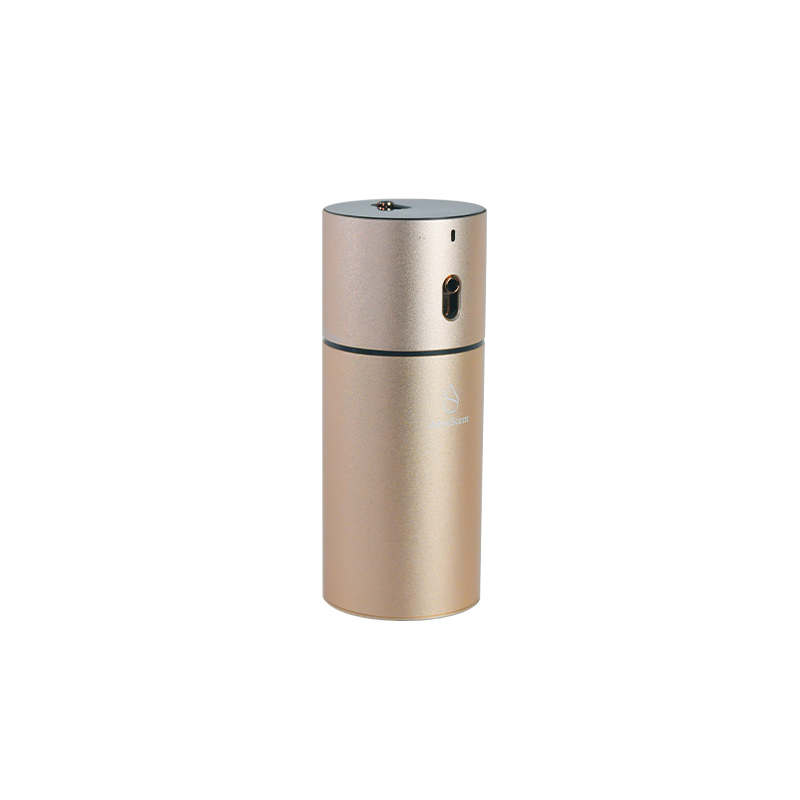
Once you select a core technology, you must evaluate the specific features of individual models. Manufacturers pack various settings into these compact units. Understanding how these features impact daily operation helps you choose a device that fits seamlessly into your routine. You want a tool that works with your schedule, not one that requires constant babysitting.
You need a framework for evaluating manufacturer battery claims. A company might advertise a 50-hour battery life, but this usually applies only to the lowest output setting. Continuous diffusion drains internal batteries significantly faster than intermittent settings. Running a nebulizing pump constantly requires substantial power, pulling high amperage from the lithium cells.
Look for devices offering customizable duty cycles controlled by Pulse Width Modulation (PWM). An intermittent setting might run the pump for 10 seconds and pause for 50 seconds. This cycle preserves battery life while maintaining a steady background scent. It also prevents olfactory fatigue, where your nose becomes blind to a constant smell. Map the battery capacity to your expected usage. If you only drive 30 minutes a day, a smaller 1000mAh battery suffices. If you run the unit all day in a hotel room, prioritize a larger 4000mAh battery capacity.
Auto-start and stop features transform the experience of using a car diffuser. Advanced units incorporate internal accelerometers or vibration sensors. The diffuser turns on automatically when it detects the physical movement of the vehicle. It delivers your customized fragrance experience the moment you start driving, without requiring you to press any buttons.
Analyze the utility of this feature. Motion detection prevents massive oil waste. If you forget to turn the unit off when parking, a standard device runs until the battery dies or the oil runs out. A motion-sensing unit automatically enters standby mode after two to three minutes of inactivity. This ensures the cabin smells fresh upon entry without wasting expensive essential oils while the car sits empty in a parking lot.
Reservoir size directly dictates your maintenance schedule. Compare standard reservoir sizes carefully. A mini diffuser might hold a 10ml bottle, while slightly larger travel units accommodate 50ml bottles. Map this capacity to your expected days of use to avoid frustration on the road.
Calculate the refill frequency based on average daily runtimes and output settings. A nebulizer running heavily consumes roughly 1ml of oil per hour of active pumping. A 10ml bottle requires frequent swapping during a long road trip. Conversely, a 50ml reservoir provides weeks of hands-off operation. Balance the desire for a compact form factor against the annoyance of constantly refilling the oil. If you prefer changing scents frequently, a smaller 10ml capacity makes more sense.
Owning a mobile device requires active management. The physical realities of travel subject these units to stress that home diffusers never experience. Proactive maintenance and careful handling prevent damage and extend the life of your equipment. Ignoring these realities leads to ruined luggage and broken devices.
Transporting devices with partially full reservoirs presents a significant risk. Essential oils are highly concentrated plant extracts. They dissolve certain plastics, ruin clothing, and destroy electronics upon contact. Changes in air pressure during flights force oil up through the capillary tubes of nebulizers, causing leaks even if the bottle is screwed on tight.
Follow strict best practices for securing diffusers. Never pack a unit with liquid in the reservoir if it uses ultrasonic technology. Always drain and dry the water tank before transit. For waterless units, remove the essential oil bottle and cap it with its original lid before flying. Keep the device upright in your bag. Use a dedicated hard-shell travel case to prevent accidental button presses and protect the chassis from crushing forces in the overhead bin.
Every technology type demands specific maintenance routines. Neglecting these protocols leads to clogged nozzles, weak output, and eventual device failure. Outline the exact steps required for your chosen unit and stick to a monthly schedule.
Nebulizing units require strict cleaning to prevent clogged micro-tubes. Thick oils, like vetiver, patchouli, or sandalwood, easily gum up the atomizer as they oxidize and turn into sticky resins. You must run 99% isopropyl alcohol through the system monthly. Fill an empty bottle with the alcohol, attach it to the unit, and run it for 15 minutes in a well-ventilated area. The alcohol dissolves residual oil buildup and clears the nozzle.
Contrast this with ultrasonic units. These require frequent descaling to remove mineral deposits left by tap or bottled water. Wipe the ceramic disc gently with a cotton swab dipped in white vinegar. Evaporative models require the least mechanical maintenance but demand recurring consumable replacements. You must replace the saturated absorbent pads when they become stiff, discolored, or when you want to switch to a completely different scent profile.
Understand the reality of lithium-ion battery degradation over time. Mobile diffusers rely on the same battery chemistry as smartphones. Continuous use, frequent deep discharges, and extreme temperatures impact device longevity significantly. You cannot treat these devices like indestructible tools.
Leaving a device in a hot car cabin accelerates battery wear. Summer interior temperatures easily exceed 140 degrees Fahrenheit. This extreme heat degrades the lithium-ion cells, permanently reducing their maximum capacity and increasing the risk of thermal runaway. Extreme heat also alters the chemical profile of the essential oils stored inside the unit, turning them rancid. Remove the device from the vehicle during extreme weather, or store it in a cool, shaded center console to protect the internal components.
Evaluating a device goes beyond its basic functions. You must consider the long-term implications of your choice. Resource consumption, compatibility, and build quality determine whether the unit remains useful for years or ends up in a drawer after a few months of frustration.
Different technologies utilize resources at vastly different rates. An ultrasonic device requires constant water access but stretches a single 10ml bottle of oil over many weeks of daily use. A premium waterless unit eliminates the need for water but atomizes pure oil rapidly. You must evaluate these consumption rates against your usage habits. High oil consumption requires keeping a larger inventory of essential oils on hand, which impacts how you pack for extended trips and how often you need to restock your supplies.
Evaluate the risk of vendor lock-in before selecting a unit. Some manufacturers design their diffusers to only accept proprietary, pre-filled pods or custom-threaded bottles. This restricts your fragrance choices and forces you to rely on a single supplier for refills. If that supplier discontinues your favorite scent or goes out of business, your device becomes useless.
Check for universal compatibility. The best mobile units accept standard 10ml or 15ml essential oil bottles featuring a standard DIN18 thread size. This universal fit allows you to purchase oils from any reputable brand. You gain the flexibility to blend your own scents, experiment with different botanical extracts, and adapt your fragrance profile based on your current mood or travel destination.
Mobile devices suffer wear and tear from constant handling. Accessible replacement parts guarantee long-term usability. A modular design allows you to replace specific broken components rather than discarding the entire unit when one part fails.
Check if the manufacturer sells spare atomizing nozzles, empty glass reservoirs, or replacement evaporative fiber pads. The atomizer head in a nebulizer is a wear item. The microscopic tubes eventually clog beyond repair and require replacement. Strong warranty support and a robust aluminum build quality ensure the device withstands the rigors of travel. Prioritize brands that offer clear maintenance guides, responsive customer service, and readily available spare parts.
The optimal device depends entirely on your primary use case. Waterless nebulizers excel in vehicles due to their potency and lack of water. Evaporative models suit personal desk spaces where low maintenance is key. Ultrasonic units work well for combating dry air in hotel rooms, provided you manage the spill risks during transit.
Use a rapid decision matrix to shortlist your options. Prioritize motion-sensors for driving convenience. Focus on battery capacity for off-grid travel. Demand universal bottle compatibility to maintain flexibility in your fragrance choices.
A: Yes, manufacturers design many units specifically for vehicles. Look for models with a cylindrical shape that fits into standard cup holders. Features like motion-sensor activation and waterless atomization prevent spills and automate the fragrance delivery while you drive.
A: It depends on the specific technology. Ultrasonic models require water to create a mist. Waterless nebulizing models and evaporative fan diffusers do not use any water. Waterless units eliminate the risk of liquid spills inside bags or vehicles.
A: Battery life varies widely based on the internal capacity and the output setting. A standard unit runs for 2 to 4 hours continuously. Using intermittent settings extends the battery life to 15 to 50 hours on a single charge.
A: Yes, waterless models remove the need to source distilled water and eliminate the risk of water spilling onto electronics during transit. They disperse a more potent scent, making them highly efficient for masking odors in rental cars or hotel rooms.
A: For waterless nebulizers, fill an empty bottle with 99% rubbing alcohol and run the device for 15 minutes to clear clogged oils. For ultrasonic models, wipe the reservoir and ceramic disc with a cotton swab dipped in white vinegar.
A: Yes, extreme interior heat damages the lithium-ion battery, reducing its lifespan or causing failure. High temperatures also degrade the therapeutic properties and scent profile of essential oils. Remove the device from the vehicle during extreme weather.


