
Views: 0 Author: Site Editor Publish Time: 2026-08-14 Origin: Site


Home fragrance technology has shifted dramatically over the past decade. We no longer hide functional, plastic appliances in dark corners or behind picture frames. Today, these devices serve as intentional interior design elements where daily wellness meets sophisticated room styling. Buyers often struggle to find a balance between aesthetic cohesion, aromatherapy performance, and mood enhancement. Many visually appealing units lack technical durability, while high-performance units often look like medical devices that disrupt room styling and clash with curated decor. To solve this, you need a solid evaluation framework. We will explore how to select a unit that enhances room decor and promotes relaxation. You will learn how to meet technical requirements for scent dispersion, material longevity, and ease of maintenance. A well-chosen device transforms a room visually and aromatically, anchoring your space while delivering consistent olfactory benefits.
Early models relied heavily on injection-molded plastics. Manufacturers applied faux wood grain finishes that peeled after a few months of humidity exposure. Obtrusive branding ruined the visual lines, and medical aesthetics made them look like humidifiers designed for sick rooms. Users actively hid them behind books or plants. The glowing neon lights often clashed with sophisticated room lighting, creating a cheap visual effect. Now, designers treat them as functional art. A unique essential oil diffuser acts as a sculptural object. It supports daily wellness routines without compromising visual harmony. The focus has moved from mere utility to spatial enhancement. We see units mimicking hand-thrown pottery or carved stone. This shift forces manufacturers to hide seams, relocate power inputs to the underside of the base, and eliminate garish logos entirely.
Scent and sight work together to establish spatial ambiance. They enhance mood and promote deep relaxation. A room must look inviting while smelling pleasant. A high-end decorative aroma diffuser must visually signal the quality of the fragrance it disperses. It should seamlessly blend into the curated environment. When evaluating options, consider how the physical shape complements the aromatic experience. Form and function must align perfectly. A heavy, grounding scent like sandalwood pairs beautifully with a solid stone base. Light citrus scents feel at home emerging from a delicate glass vessel. We use this sensory pairing in high-end residential projects to create distinct zones. The visual weight of the device sets the expectation for the scent profile before the user even registers the smell.
Clean lines define the modern diffuser. These units feature matte finishes, discreet controls, and unobtrusive silhouettes. They lack flashy logos or complex button panels. This aesthetic pairs perfectly with Mid-Century Modern, Scandinavian, and Industrial spaces. However, there is a risk of creating a sterile aesthetic. You can counter this coldness easily. Use warm-toned lighting features or select models with textured finishes. Ribbed ceramic or frosted glass adds necessary visual warmth. A matte black unit can ground a bright, airy room effectively. When placing these in a minimalist space, ensure the power cord routes through furniture grommets or runs along table legs to maintain the clean visual lines. Cable management is non-negotiable for modern styling.
High-end models utilize heavy, natural materials. You will find terrazzo, solid marble, hand-blown glass, and brushed brass. These materials add significant visual weight to a room. A luxury diffuser easily anchors a console table or a styled bookshelf. Beyond looks, these materials offer distinct durability advantages. The tactile experience of interacting with premium materials elevates the daily ritual of filling the water tank. It feels intentional and refined. Natural stone variations mean no two units look exactly alike, adding custom flair to your space. Brass components develop a natural patina over time. Hand-blown glass offers unique imperfections that mass-produced plastics simply cannot replicate.
Some diffusers mimic botanical elements. High-quality ceramic flowers or abstract art pieces disguise their true function. Traditional pottery shapes also work well. Disguised diffusers must meet specific success criteria. They must look authentic to their mimicked form when turned off. Passive diffusers offer a unique aesthetic advantage. They operate without cords or electricity. This allows for a completely clean, minimalist look. You can place them on floating shelves or use them as dining centerpieces without worrying about hiding power cables. We often use passive clay diffusers in bookshelves where running a power cord would ruin the millwork's clean appearance.
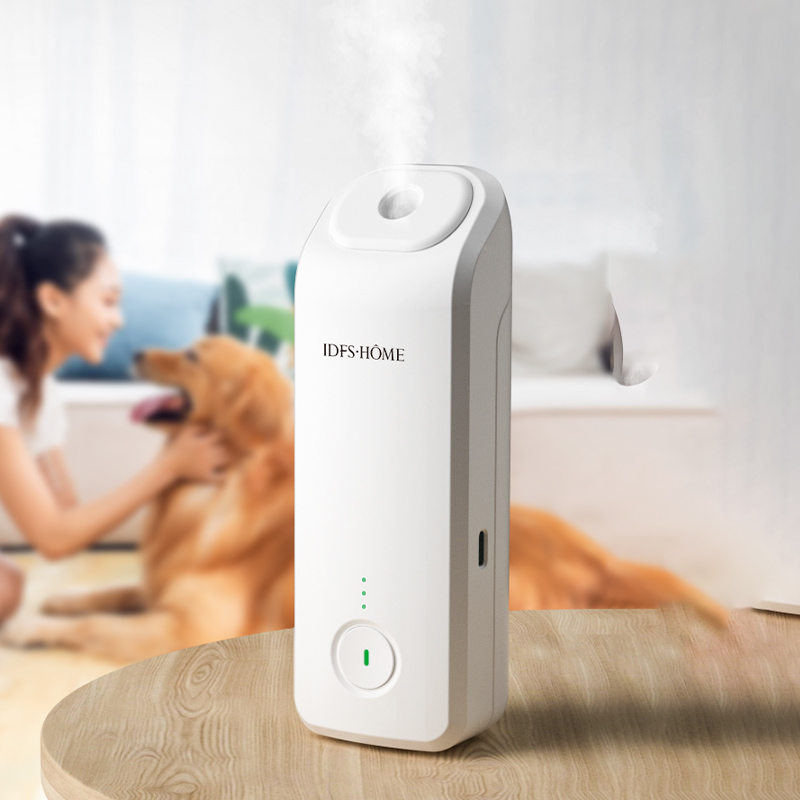
Different technologies create different visual effects. We categorize them into three main types based on mechanical operation and visual output. Ultrasonic technology requires water. It produces a visible, rolling mist that adds a kinetic visual element to your decor. The mist catches the light beautifully, creating a calming focal point. However, it requires a larger internal reservoir. This affects the external shape, often making it wider. Regular cleaning is mandatory to maintain perceived indoor air quality. Nebulizing technology is waterless. These units often feature glass reservoirs and solid wood bases. They are more compact but can produce a subtle hum during operation. Nebulizers deliver a highly concentrated scent without the visual mist effect. This makes them ideal for thick essential oil blends like vetiver or patchouli. Passive technology requires zero electricity. Porous ceramic or reed diffusers offer the most discreet footprint and absolute silence. The trade-off is a highly localized scent throw. They work best in immediate proximity to the user.
| Technology Type | Visual Impact | Maintenance Level | Noise Level | Scent Concentration | Ideal Room Placement |
|---|---|---|---|---|---|
| Ultrasonic | Visible rolling mist, dynamic | Moderate (requires regular water changes) | Whisper-quiet (slight water trickling sound) | Moderate (diluted with water) | Living rooms, bedrooms |
| Nebulizing | No visible mist, subtle presence | Low to Moderate (cleaning glass reservoirs) | Low hum (motor vibration) | High (pure essential oil) | Large open spaces, home offices |
| Passive (Ceramic/Reed) | Static, highly discreet | Very Low (occasional dusting) | Absolute silence | Low (highly localized) | Desks, closets, small bathrooms |
LED lighting implementation varies wildly across models. Cheap models use multi-colored flashing lights that look tacky and disrupt relaxation. Sophisticated units use warm-dimming ambient glows. This creates a soothing, upscale atmosphere similar to candlelight. You must assess light bleed through the materials. Light glowing softly through thin ceramic looks elegant. Conversely, an opaque stone unit might feature a directional downlight to highlight the texture of the base. Both approaches enhance the room's mood when executed properly. Look for units offering a 2700K color temperature. This matches standard residential ambient lighting and avoids the harsh, blue-tinted glow associated with low-end electronics.
There is a constant trade-off between runtime and elegance. Large water tanks provide longer operation but result in bulky shapes. Slim, low-profile designs look elegant but require frequent refilling. You need a framework for sizing the diffuser to your furniture. A massive unit overwhelms a delicate side table. A tiny unit gets lost on a large kitchen island. Scale the device to avoid disproportionate spatial dominance. Always measure the surface area before purchasing. Leave at least six inches of clearance around the unit to allow for proper airflow and mist dispersion. Do not wedge a high-output unit under low-hanging shelves.
Success criteria for living rooms focus on power and presence. You need a high-capacity unit capable of scenting large square footage. It must lift the mood of multiple occupants simultaneously. For your decor strategy, position it as a focal point. Place it on coffee tables, media consoles, or large bookshelves. Opt for bold, sculptural pieces that command attention. Group the unit with complementary objects like a stack of art books or a small potted plant to integrate it fully into the room. Consider the room's HVAC airflow. Place the unit upstream of return vents to help carry the scent across the open floor plan naturally.
Success criteria here prioritize tranquility and sleep hygiene. Whisper-quiet operation is non-negotiable. You need the option to disable all lighting completely. Moderate capacity encourages uninterrupted relaxation through the night without requiring a refill at 3 AM. Your decor strategy should involve soft textures and muted colors. Select a model that blends into nightstands seamlessly. Avoid anything that creates visual clutter or emits harsh blue light in a resting space. We recommend units with physical switches rather than touch-capacitive buttons for bedrooms, allowing you to operate them in the dark by feel.
Success criteria demand efficiency and resilience. You want a compact footprint and a moisture-resistant exterior. Rapid scent dispersion is necessary to combat transient odors in these high-traffic areas. For decor, utilize vertical space. Choose tall, slender designs that fit on narrow vanity counters or entryway tables. Match the materials to your existing hardware. Matte black, brushed nickel, or natural stone finishes tie the room together perfectly. In bathrooms, ensure the power source is safely distanced from water fixtures, and opt for materials like sealed ceramic that withstand high ambient humidity without degrading.
Success criteria focus on extreme localization. Zero cord clutter is ideal for a clean workspace. Highly localized scenting enhances focus without overwhelming small areas. Your decor strategy should utilize passive ceramic flower diffusers. Ultra-compact nebulizers also work exceptionally well. These small devices can easily double as stylish desk weights or subtle closet accents. They provide just enough fragrance to keep the area fresh without causing sensory fatigue during a long workday. Place them near your keyboard or on a dedicated monitor stand to keep the scent profile within your immediate breathing zone.
Premium materials demand specific care routines. Unglazed ceramic or porous stone carries a risk of oil staining. You must wipe spills immediately to prevent permanent discoloration. Citrus oils are particularly notorious for leaving yellow marks on white ceramic. Glass surfaces are much easier to wipe down but show fingerprints readily. Maintaining the finish on natural wood requires caution, especially when experimenting with custom oil blending. Always follow the manufacturer's cleaning protocols to preserve the exterior finish and ensure the device remains a beautiful decor piece. We advise keeping a small microfiber cloth and a bottle of rubbing alcohol nearby for quick wipe-downs after each refill.
Evaluate the cost-to-value ratio carefully. A premium stone diffuser easily outlasts several budget plastic units. The initial investment pays off over time through durability and sustained aesthetic appeal. Internal component quality matters just as much as the exterior shell. Look for ceramic ultrasonic discs and durable fan motors. Pure essential oils degrade cheap plastics over time. High-quality polymers or glass internal reservoirs prevent this degradation. A beautiful exterior is useless if the internal mechanics fail quickly. Check the warranty terms specifically for the ultrasonic oscillator, as this is the most common point of failure in lower-tier models.
Every technology carries minor implementation risks. Ultrasonic mist fallout can cause water damage to antique or untreated wood furniture. Condensation settles over time, potentially causing warping or water rings. You can mitigate this easily. Use protective coasters under the unit. Alternatively, opt for nebulizing technology in rooms with delicate wood furniture. Selecting units with directional mist nozzles also directs moisture away from vulnerable surfaces, protecting your valuable interior investments. Keep units at least two feet below any overhanging cabinets to prevent moisture accumulation on the underside of your millwork.
A: Yes. They feature superior internal components like high-quality ceramic discs and durable fan motors. They use non-corrosive internal parts that withstand pure essential oils without degrading. This mechanical reliability complements their upgraded exterior aesthetics, ensuring they outlast budget alternatives significantly.
A: Avoid harsh abrasives that scratch matte finishes. Unplug the unit and empty the water. Use a soft cloth dampened with rubbing alcohol to gently wipe away sticky oil residue from the exterior. For the internal reservoir, run a cycle with water and a few drops of white vinegar to dissolve mineral buildup.
A: Modern designs focus on minimalist silhouettes. They eliminate visible buttons, hide power cords underneath the base, and utilize matte or monochromatic color palettes. Unlike traditional models that resemble medical appliances, modern versions function as intentional architectural accents or sculptural art pieces within a room.
A: Yes. Ultrasonic models produce visible mist that can settle as condensation on untreated or antique wood finishes. This moisture leads to water rings or warping over time. Prevent this by using a protective coaster, pointing the mist nozzle away from the wood, or switching to a waterless nebulizing unit.
A: Nebulizing technology excels in large open spaces. Because they do not dilute the essential oils with water, they deliver a highly concentrated scent profile. This allows them to effectively cover a larger square footage than most ultrasonic models, making them ideal for expansive living rooms or open floor plans.
A: Passive diffusers are the best choice for micro-spaces. Unglazed ceramic flowers or porous stone blocks require no electricity and have zero cords. They provide a subtle, localized scent that enhances focus at a desk or freshens a closet without overwhelming the small area with heavy fragrance.
A: The exterior shell of glass or stone lasts indefinitely if not dropped. The internal mechanics, such as the ultrasonic disc and motor, typically last several years with proper maintenance. Purchasing from brands that offer replaceable internal parts ensures your investment remains functional for a very long time.


