
Views: 0 Author: Site Editor Publish Time: 2026-08-28 Origin: Site


Managing indoor air quality and ambient scent presents a persistent challenge in residential and commercial environments. People often rely on synthetic, short-lived aerosols to mask odors. These solutions rarely last and frequently leave an artificial chemical residue. Passive scenting methods, such as traditional wax candles or reed diffusers, also fall short in dynamic spaces. They struggle to provide consistent, customizable, and scalable scent distribution. Relying on these passive methods often results in olfactory fatigue, uneven coverage, or a complete lack of therapeutic benefits.
To solve these spatial and atmospheric issues, you need a technical, controlled solution. An aroma essential oil diffuser offers precise dispersion, customizable intensity, and reliable coverage. Selecting the right device requires evaluating dispersion technology, room dynamics, setup best practices, and maintenance requirements. Understanding how these mechanical elements work together will drastically improve your indoor scent experience.
Users often purchase diffusers without understanding how different internal mechanisms alter the chemical structure and dispersion of essential oils. This knowledge gap frequently leads to suboptimal scent experiences, wasted oil, and frustration. Different diffusion methods physically change how scent molecules travel through the air, interact with humidity, and reach your olfactory receptors. Knowing the mechanical differences allows you to match the hardware to your specific environmental needs.
Ultrasonic diffusion uses high-frequency vibrations to create a fine mist of water and oil. Inside the water tank, a small piezoelectric ceramic disc vibrates at ultrasonic speeds, typically around 2.4 MHz. This rapid movement creates a standing wave in the water, causing cavitation. The collapsing microscopic bubbles eject micro-droplets of water and oil into the air. The device then uses a small internal fan to push this mist out of the nozzle. It serves a dual function as a localized mini humidifier. Adding moisture back into dry indoor environments during winter months helps soothe dry skin and respiratory passages while scenting the room. However, because the oil is diluted with water, the scent profile is generally lighter and more subtle.
Nebulizing diffusion operates on a completely different physical principle. It uses pressurized air and the Venturi effect to atomize pure essential oil. This method requires absolutely no water or heat. A small air pump forces a high-velocity stream of air across a tiny capillary tube connected to the oil reservoir. This creates a low-pressure vacuum that pulls the oil upwards. The oil shatters against a glass or plastic baffle into microscopic nanoparticles, usually between 1 and 5 microns in size, and blows directly into the room. Nebulizers maximize scent potency. They preserve the molecular integrity of the oil, delivering true, undiluted aromatherapy benefits that linger much longer in the air because the particles are light enough to remain suspended for hours.
Fan-based evaporative models blow ambient air through a pad, sponge, or filter soaked in essential oil. The moving air causes the oil to evaporate quickly and circulate around the room. Mild heat diffusers use a gentle warming element, such as a low-wattage bulb or ceramic plate, to speed up the natural evaporation process of the oils placed in a small dish. These are often the simplest and most mechanically basic units available.
Both methods come with specific, often limiting, trade-offs. Heat can permanently alter the chemical composition of essential oils. Terpenes and other volatile compounds degrade rapidly when exposed to thermal stress, potentially destroying their therapeutic properties and changing their natural fragrance profile. Evaporative models often result in highly uneven scent release. Lighter top notes, like citrus or mint, evaporate first and flood the room immediately. The heavier base notes, like patchouli or vetiver, are left behind on the pad. This creates an inconsistent olfactory profile that changes drastically over a few hours, leaving a heavy, sometimes unpleasant residual smell on the filter media.
Before making a purchase decision, you must establish the metrics by which you judge a device's performance. A successful setup depends on spatial awareness, human biology, and the physical properties of your chosen oils. You cannot simply place a unit in the corner of a room and expect uniform coverage without considering the environmental variables at play.
Device specifications must map directly to your room size. A standard ultrasonic unit effectively covers about 100 to 300 square feet. This makes it ideal for bedrooms, small home offices, or reading nooks. In contrast, high-capacity nebulizers can easily scent spaces exceeding 1,000 square feet, pushing fragrance across open floor plans and large living areas. If you place an undersized unit in a massive room, the scent molecules will disperse too thinly to be detected.
Environmental factors heavily impact the distribution of scent molecules. High ceilings demand significantly more output to achieve noticeable scent throw, as the fragrance naturally rises and dissipates into the upper volume of the room. Your HVAC airflow dictates where the scent travels. If you place a unit directly under a return air vent, the system will suck the scent out of the room and trap it in your air filter. For optimal physical placement, set the unit on an elevated surface like a bookshelf or counter, ideally near a supply vent draft that can carry the scent across the room. Keep it away from direct sunlight or open windows to prevent the scent from degrading or escaping too quickly.
Olfactory fatigue, commonly known as nose blindness, occurs when your nervous system adapts to a continuous stimulus. You literally stop noticing a smell after being exposed to it for a prolonged period, even if the room is heavily fragranced. This is a natural biological defense mechanism designed to prevent your brain from being overloaded by constant sensory input.
To maintain a consistent scent experience without overwhelming your olfactory receptors, you need programmable interval timers. Running a unit continuously is highly inefficient and wastes oil. Setting a schedule, such as 10 minutes on and 20 minutes off, allows the scent to dissipate slightly. This resting period resets your receptors, ensuring you continue to notice and enjoy the fragrance throughout the day without feeling overwhelmed. Most high-end nebulizers feature built-in digital timers to automate this cycle.
Blending essential oils like a professional aromatherapist helps achieve specific atmospheric goals. A successful blend requires balancing different evaporation rates and scent profiles to create a harmonious environment. You must understand the concept of top, middle, and base notes.
Combine bright top notes, like sweet orange, lemon, or bergamot, with grounding base notes, such as cedarwood, frankincense, or sandalwood. The top notes provide an immediate, uplifting burst of freshness when you enter the room, but they evaporate quickly. The base notes anchor the blend, slowing down the overall evaporation rate and creating a balanced, long-lasting profile. Middle notes, like lavender or geranium, bridge the gap between the two. A standard blending ratio is 30% top notes, 50% middle notes, and 20% base notes. You can tailor these combinations to energize a workspace during the afternoon slump or calm a living room before bed.
The market offers various solutions based on user intent. Options range from single-room residential use to large-scale commercial deployments. Selecting the right aroma diffuser machine depends entirely on your spatial requirements, daily habits, and desired maintenance levels. Understanding the operational differences between these categories will prevent you from under-equipping or over-equipping your space.
| Technology Type | Typical Coverage Area | Maintenance Requirement | Ideal Environment |
|---|---|---|---|
| Ultrasonic | 100 - 300 sq. ft. | High (Daily wiping, weekly descaling) | Bedrooms, small home offices |
| Nebulizing | 400 - 1,000+ sq. ft. | Medium (Periodic alcohol flushes) | Large living rooms, open floor plans |
| HVAC-Integrated | 2,000+ sq. ft. (Whole building) | Low (Refill large reservoir every few months) | Retail spaces, large residential homes |
These units represent the most common entry point for indoor scenting. They are highly accessible, aesthetically diverse, and fit seamlessly into modern home decor. You can find them in materials ranging from natural bamboo to hand-blown glass and ceramic. They plug directly into a standard wall outlet and sit on a tabletop.
Best use cases include bedrooms, home offices, and small living areas where you want localized control over the atmosphere. While they provide excellent scent throw for small spaces, they do have drawbacks. They require frequent manual refilling with water and oil. You must also adhere to a strict cleaning schedule to keep the internal mechanisms functioning properly, as hard water scale can quickly insulate the ultrasonic transducer and stop mist production entirely.
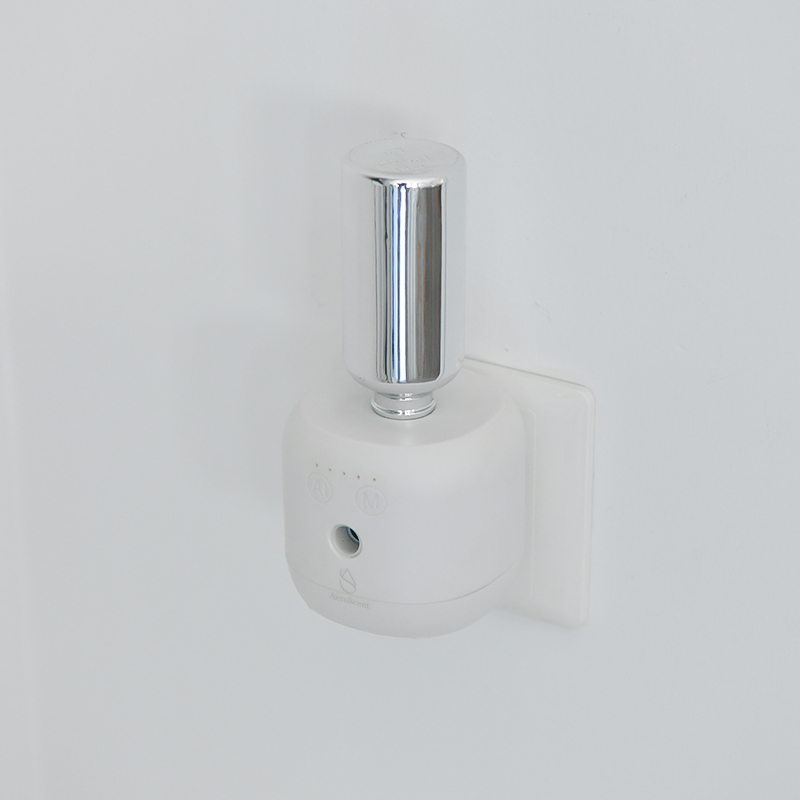
A battery-operated fragrance diffuser offers ultimate placement flexibility. You can move them easily from room to room without worrying about outlet proximity or tripping over power cords. Many modern units utilize rechargeable lithium-ion batteries and waterless nebulizing technology, allowing you to screw an essential oil bottle directly into the device.
Best use cases include hospitality settings like short-term rentals, guest bathrooms, or outdoor covered patios. When evaluating these models, consider battery life and physical footprint. For hospitality hosts, creating a memorable, premium stay often yields high guest satisfaction and better reviews. However, you must balance this against the risk of alienating scent-sensitive visitors. Always utilize adjustable intensity settings to keep the fragrance subtle, welcoming, and never overpowering. A strong, aggressive scent can trigger migraines or allergic reactions in sensitive guests.
For massive spaces, standalone units simply cannot keep up. You need a robust infrastructure to handle high square footage and complex airflow patterns. Relying on multiple tabletop units in a large facility creates uneven scent zones and a logistical nightmare for refilling and maintenance.
Best use cases involve whole-home scenting, expansive retail spaces, and commercial lobbies. Technical integration involves connecting a cold-air diffusion system directly to your existing ductwork. You mount the unit near the air handler and drill a small access hole into the supply plenum. A Teflon tube connects the device to the duct. The centralized scent system utilizes the building's fan to push micro-droplets of oil through the vents, bypassing the air filter. This provides invisible, uniform scenting across multiple rooms simultaneously. It delivers superior ambient consistency and significantly lowers daily maintenance requirements, as the large oil reservoirs typically last for several months before needing a refill.
Understanding the scientific and environmental impacts of diffusing oils is crucial for maintaining a healthy space. We must strictly avoid exaggerated health claims while acknowledging the evidence-based benefits of proper ambient scenting. Diffusing oils changes the chemical composition of your indoor air, and you must manage this process responsibly.
Certain essential oil compounds actively interact with airborne odor molecules. Instead of simply covering up a bad smell with a stronger, synthetic fragrance, they bind to and neutralize the offending particles in the air. This molecular bonding alters the structure of the odor, rendering it undetectable to human olfactory receptors.
Research indicates that specific oils, such as tea tree, eucalyptus, and lemongrass, possess mild antimicrobial properties. When dispersed into the air in micro-droplet form, they can positively contribute to perceived indoor air quality by neutralizing stale odors at the molecular level. This makes them highly effective in kitchens, bathrooms, or areas prone to lingering pet odors. They break down the volatile sulfur compounds often responsible for bad smells, rather than just layering a heavy perfume over them.
It is important to clarify the limitations of these devices regarding climate control. An ultrasonic model adds trace amounts of moisture to the air. This is helpful for dry climates or heavily air-conditioned rooms, providing slight relief for dry skin. However, it is entirely insufficient to replace a dedicated whole-room humidifier. A standard diffuser might output 30 to 50 milliliters of water per hour, whereas a true humidifier outputs gallons of water per day to significantly alter the relative humidity (RH) percentage of a room.
You must also address the reality of Volatile Organic Compounds (VOCs). Natural essential oils still emit biogenic VOCs into the environment. While these are naturally occurring compounds, such as terpenes, rather than synthetic chemicals, they can still react with indoor ozone to create secondary pollutants in poorly ventilated spaces. Proper room ventilation remains necessary. Ensure your space has adequate fresh air exchange to maintain optimal air quality and prevent the air from feeling heavy or stagnant.
Scent plays a well-documented role in environmental psychology. The olfactory bulb connects directly to the brain's limbic system, the area that governs emotion, behavior, and long-term memory. This direct biological pathway explains why scents trigger such powerful emotional responses and can instantly alter the mood of a room.
Specific certified essential oils can lift mood, encourage relaxation, and help alleviate symptoms of stress. Lavender contains linalool, a compound widely recognized for anxiety reduction and promoting restful sleep. Peppermint stimulates the senses, increases alertness, and improves focus during long work hours. Citrus oils, like sweet orange or grapefruit, contain high levels of limonene. This compound creates a perception of cleanliness and injects vibrant, uplifting energy into a stagnant room. Utilizing these specific chemical profiles allows you to engineer the exact atmosphere you want in any given space.
Owning and operating these devices requires ongoing attention and strict adherence to safety protocols. Neglecting maintenance directly impacts device performance, ruins your oils, and can negatively affect your health. You must treat these devices as active mechanical systems that require routine servicing.
Water-based diffusers demand strict, non-negotiable cleaning protocols. Stagnant water and residual essential oil create an ideal breeding ground for bacterial and mold growth inside the dark tank. Dispersing mold spores into the room will severely degrade indoor air quality and trigger respiratory issues. Hard water also leaves calcium and magnesium deposits on the ultrasonic plate, which insulates the ceramic disc and stops it from vibrating effectively.
You must perform regular cleaning cycles to maintain optimal performance. Follow these steps for water-based units:
Nebulizers require a different approach. Because they do not use water, mold is less of a concern, but thick essential oil resins can easily clog the delicate glass micro-tubes. You should run rubbing alcohol flushes periodically. Pour a small amount of 90% isopropyl alcohol into the glass reservoir and run the unit for five to ten minutes. This dissolves the sticky resins and clears the capillary tubes, restoring the unit to full output capacity.
Always select certified, 100 percent pure essential oils over synthetic fragrance oils. Synthetic options lack therapeutic benefits, contain unknown chemical additives, and frequently cause headaches or respiratory irritation when diffused. Look for oils that provide GC/MS (Gas Chromatography/Mass Spectrometry) testing reports to verify their purity and chemical breakdown.
Safety parameters regarding pets and vulnerable populations are critical. Oils like tea tree, eucalyptus, pennyroyal, and wintergreen are highly toxic to cats and dogs. Felines, in particular, lack specific liver enzymes required to process these compounds, leading to severe toxic buildup. Infants, pregnant women, and asthmatics also possess high sensitivity to airborne particulates. Always consult veterinary and pediatric guidelines before introducing new, potent scents into a shared household environment. Ensure the room is well-ventilated and that pets always have an open door to leave the scented area if they feel uncomfortable.
Understanding how quickly a device consumes oil helps you manage your inventory and avoid running out unexpectedly. Consumption rates vary wildly based on the underlying technology, the viscosity of the oil, and your chosen intensity settings. Thicker oils, like vetiver or patchouli, consume slower but may require more frequent device cleaning.
| Device Type | Average Consumption Rate | 15mL Bottle Lifespan (Daily Use) |
|---|---|---|
| Ultrasonic (Water-based) | 0.2 - 0.5 mL per hour | 3 to 4 weeks |
| Nebulizing (Waterless) | 1.0 - 2.5 mL per hour | 5 to 7 days |
| HVAC-Integrated | 0.5 - 1.5 mL per hour | Requires large 500mL+ bulk bottles |
A nebulizer running continuously at maximum output will deplete a standard 15mL bottle in a matter of days, as it uses pure oil without water dilution. An ultrasonic model uses only five to ten drops per water tank, stretching that same 15mL bottle over several weeks of daily use. Calculate your ongoing usage based on the milliliter per hour consumption rate listed in the device manual and the specific efficiency of your chosen diffusion method.
An aroma essential oil diffuser serves as a highly effective tool for elevating indoor environments, neutralizing odors, and providing therapeutic benefits. Success depends entirely on matching the underlying technology to your spatial requirements and committing to regular maintenance. Ultrasonic models suit users seeking localized scent and slight humidity in dry rooms. Nebulizing or HVAC systems work best for users prioritizing potent, pure, and scalable fragrance across large areas.
Take the following steps to optimize your setup:
A: While some essential oils possess mild antimicrobial properties that can improve perceived air quality, diffusers do not physically filter particulates. They cannot remove dust, pollen, or dander from the environment. They are excellent for odor neutralization, but they are not a substitute for dedicated HEPA air purifiers.
A: A fragrance diffuser is primarily designed to disperse scent molecules into the air. While ultrasonic models use water and add a small amount of moisture, their output is minimal. A humidifier is specifically engineered with large water tanks to significantly raise the relative humidity of an entire room.
A: You should wipe out the water tank with a damp cloth after every use to prevent oil residue buildup. A deep clean using a mixture of water and white vinegar should be performed every one to two weeks. This prevents mold growth and keeps the ultrasonic plate functioning efficiently.
A: It is generally not recommended to run a unit continuously through the night. Continuous exposure can cause olfactory fatigue and potential respiratory irritation. Instead, utilize devices with programmable interval timers or auto-shutoff features to release scent intermittently while you sleep.
A: You are likely experiencing olfactory fatigue, also known as nose blindness. When your receptors are exposed to a constant scent, they adapt and stop registering it. To fix this, use an interval timer to cycle the device on and off, or switch to a completely different essential oil blend.
A: Many essential oils are highly toxic to pets. Cats lack specific liver enzymes to break down various compounds, making oils like eucalyptus, tea tree, and citrus particularly dangerous. Dogs are also sensitive to pine and wintergreen. Always consult your veterinarian before diffusing any scents around animals.


