
Views: 0 Author: Site Editor Publish Time: 2026-08-21 Origin: Site


Bathrooms present unique indoor air quality challenges. High humidity, rapid temperature shifts, and persistent odors make standard air fresheners highly ineffective. Aerosol sprays and synthetic plug-ins simply mask smells with heavy chemicals rather than eliminating them. Passive options like scented candles introduce fire hazards and fail to circulate scent properly in damp, actively ventilated spaces. Even a scrubbed, spotless bathroom feels sterile and uninviting without the right olfactory elements.
Implementing a dedicated essential oil diffuser bathroom setup provides a controlled, active method to neutralize odors at the molecular level. This strategy improves perceived air quality and builds a restorative, spa-like atmosphere. You cannot just plug in any device and expect good results. You must evaluate hardware specifications, follow strict electrical safety protocols for wet zones, and select specific oil profiles tailored to humid environments. This guide breaks down the mechanics, hardware choices, and maintenance routines needed to integrate diffusion technology into your bathroom.
Understanding how scent travels in a bathroom requires looking at the physical environment. Most living spaces feature porous materials like carpets, fabric sofas, and heavy drapery. These materials absorb and trap scent molecules, requiring higher output devices to maintain a noticeable aroma. Bathrooms present the exact opposite scenario. They are dominated by non-porous surfaces such as glazed ceramic tile, glass shower doors, mirrors, and porcelain fixtures.
These hard surfaces do not absorb essential oil particles. Instead, they act as acoustic reflectors for scent. When a device releases an aromatic mist, the molecules bounce off the walls and floors. This rapid reflection allows the aroma to fill the space much faster and more intensely than it would in a standard bedroom. The baseline success criteria for bathroom diffusion is achieving optimal scent density without overwhelming the small square footage. Because of this amplification effect, you rarely need a high-capacity device to achieve full-room coverage. A smaller output is often perfectly sufficient and prevents the air from feeling heavy or suffocating.
| Surface Material | Porosity Level | Scent Absorption Rate | Impact on Diffusion Output Needs |
|---|---|---|---|
| Glazed Ceramic Tile | Non-porous | Extremely Low | Requires minimal output; scent reflects easily. |
| Glass (Mirrors/Doors) | Non-porous | Zero | Amplifies scent travel across the room. |
| Painted Drywall | Low to Medium | Moderate | Absorbs slight amounts of oil over time. |
| Bath Mats / Towels | Highly porous | High | Traps scent locally; requires regular washing to prevent stale odors. |
Bathrooms are dynamic environments. Existing exhaust fans and HVAC vents drastically alter the dispersion path of diffused oils. When an exhaust fan runs, it creates negative pressure. This pulls the scented mist directly out of the room before it can circulate. To maximize efficacy, you must position your device away from direct exhaust drafts. Allow the scent to establish itself in the room before activating heavy ventilation.
Hot shower steam also interacts heavily with diffused essential oils. Steam is highly effective at carrying scent molecules upward, filling the upper half of the room with aroma. However, dense steam can also dilute water-based diffusion methods. The sheer volume of water vapor in the air can overpower a small ultrasonic mist. Despite this dilution, utilizing steam is a popular delivery method for inhalation therapy. Diffusing strong oils like eucalyptus during a hot shower opens the airways and mimics a steam room experience. You just need to ensure your device has enough output to compete with the heavy ambient humidity.
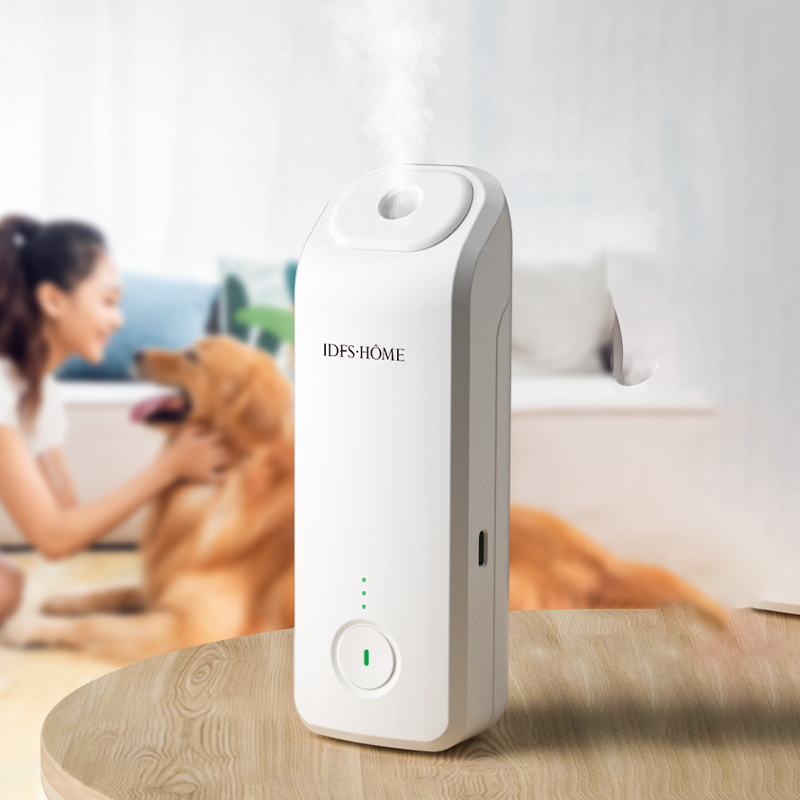
Ultrasonic technology is the most common method for home fragrance. These devices use a small piezo-ceramic plate that vibrates at ultrasonic frequencies. This rapid vibration breaks down a mixture of water and essential oils into a fine, cool mist. They are highly accessible and come in a massive variety of shapes, sizes, and lighting configurations.
Nebulizing technology operates entirely differently. A nebulizing aroma machine uses pressurized air and Bernoulli's principle to atomize pure essential oils directly from the bottle. It requires zero water and utilizes no heat. The result is a highly concentrated, pure micro-mist of essential oil that suspends in the air for hours.
Not all fragrance solutions require electricity. Passive options rely on natural evaporation to release scent into the air. Common examples include rattan reed sticks submerged in scented oil, unglazed ceramic stones, and porous terracotta discs.
Many consumers confuse humidifiers with diffusers. A humidifier is engineered to alter the overall humidity of a room. It holds large volumes of water and outputs heavy moisture. A bathroom diffuser holds very little water and is designed solely for scent delivery. Standard humidifiers are built with plastics that degrade when exposed to the corrosive nature of pure essential oils. If you want to sit in the bathroom and inhale eucalyptus oil for respiratory relief, a dedicated essential oil device is the only safe and effective delivery system. Putting oils into a standard humidifier will likely destroy the machine's internal components and void the warranty.
| Technology Type | Moisture Added | Ideal Room Size | Maintenance Level | Electrical Risk in Wet Zones |
|---|---|---|---|---|
| Ultrasonic | Low to Medium | Standard Bathrooms | High (Weekly cleaning required) | Moderate (Requires safe outlet placement) |
| Nebulizing | None | Large Master Ensuites | Medium (Occasional deep cleaning) | Moderate (Requires safe outlet placement) |
| Passive | None | Small Powder Rooms | Low (Refill oil/flip reeds) | Zero |
Matching your device's output capacity to the room's square footage prevents both underwhelming results and overpowering odors. For a small half-bath or powder room, a small 100ml ultrasonic tank is more than enough. Running a high-capacity device in a 30-square-foot space will quickly cause headaches and olfactory fatigue. Conversely, a large master ensuite with high ceilings and aggressive HVAC venting requires a more robust solution. In these larger spaces, a 300ml to 500ml ultrasonic unit or a dedicated waterless atomizing unit ensures the scent reaches every corner of the room without dissipating too quickly.
Bathrooms are classified as wet zones under the National Electrical Code (NEC), meaning electrical safety is paramount. You must never place a plugged-in device on the edge of a bathtub or directly next to a splashing sink. Always utilize GFCI (Ground Fault Circuit Interrupter) outlets, which immediately cut power if they detect a short circuit caused by water exposure. Route all power cords away from foot traffic and standing water.
If your bathroom lacks safe outlet placement, do not use extension cords. Instead, evaluate cordless, rechargeable, or battery-operated models. These alternatives completely mitigate the risk of electrocution. You can safely place a rechargeable unit on a floating shelf or a vanity counter away from the primary water sources, ensuring peace of mind while maintaining a fragrant environment.
The physical construction of your device matters greatly in a bathroom setting. Devices made from glass or glazed ceramic offer high aesthetic value. They look premium and blend well with high-end bathroom decor. However, they present a severe breakage risk. If a glass unit gets knocked off a counter onto a hard tile floor, it will shatter, creating a dangerous cleanup situation involving water, oil, and sharp shards.
For higher safety, prioritize devices constructed from medical-grade plastics, polypropylene (PP), or durable resins. These materials are shatterproof and highly resistant to the corrosive properties of essential oils. They easily survive accidental drops onto hard surfaces, making them the most practical choice for busy households or bathrooms used by children.
To effectively manage bathroom odors, you must select oils with specific chemical profiles. Look for essential oils containing high concentrations of terpenes and phenols. These compounds are scientifically known for neutralizing odors and improving perceived indoor air quality. Excellent choices include Tea Tree, Lemon, Sweet Orange, Lemongrass, and Pine.
There is a distinct difference between chemically neutralizing airborne odors and merely masking them. Synthetic air fresheners drop heavy fragrance molecules on top of foul odors, creating a confusing and often unpleasant mixed scent. High-quality citrus and herbaceous essential oils bind with odor molecules, effectively neutralizing them. Diffusing lemon or lemongrass after bathroom use leaves the space smelling genuinely clean rather than artificially perfumed.
| Essential Oil | Primary Chemical Component | Odor Neutralization Strength | Best Use Case |
|---|---|---|---|
| Lemon | Limonene | High | Post-bathroom use; cutting through heavy odors. |
| Tea Tree | Terpinen-4-ol | Very High | Combating damp, musty smells in poorly ventilated spaces. |
| Eucalyptus | Eucalyptol | Medium | Opening airways during hot showers; steam therapy. |
| Lavender | Linalool | Low | Evening baths; promoting relaxation and sleep preparation. |
A physically clean bathroom can sometimes feel sterile, smelling only of bleach or harsh surface cleaners. You can use scent to elevate this sterile environment into a restorative, high-end spa experience. This sensory upgrade is particularly effective during long baths or hot showers.
To achieve this, pivot away from sharp citrus oils and focus on relaxation profiles. Eucalyptus is the industry standard for recreating a steam-room atmosphere. Lavender promotes deep relaxation before bedtime. Cedarwood provides a grounding, earthy base note that warms up cold tile environments. Ylang Ylang offers a subtle floral richness. Blending these oils can completely transform the emotional resonance of the room.
You do not need to run your electronic device 24/7 to maintain a fresh bathroom. You can supplement your primary machine with manual methods for a quick-clean feel. Create a simple room spray by mixing distilled water, a splash of witch hazel, and 15 drops of your preferred essential oil in a glass spray bottle.
Keep this bottle on the vanity. Spritz the diluted mixture directly onto the shower walls or glass doors right before turning on the hot water. The sudden blast of steam will instantly activate the essential oils, filling the room with aroma even when the main device is powered off. This is a highly effective, low-effort tactic for daily maintenance.
If you have pets, you must exercise extreme caution. Many popular bathroom essential oils are highly toxic to cats and dogs. Eucalyptus, citrus oils, tea tree, peppermint, and pine can cause severe respiratory distress, liver damage, or neurological issues in pets if inhaled or ingested.
To mitigate these risks, ensure the bathroom door remains firmly closed during active diffusion. Allow the mist to settle completely before letting pets enter the space. Ensure the bathroom exhaust fan is utilized to clear residual airborne particles after your shower or bath. If pets frequently share the bathroom space, consult your veterinarian for a list of pet-safe alternatives, or stick to passive diffusion methods placed high out of reach.
Ultrasonic devices output a fine mist of water and oil. In a small, enclosed bathroom, this mist eventually settles onto surrounding surfaces. Over time, this can leave a slippery residue on tile floors, porcelain sinks, or vanity countertops. This condensation creates a legitimate slip-and-fall hazard in an already wet environment.
To mitigate this risk, never place an ultrasonic unit directly on the floor. Elevate the unit on a shelf or high counter to give the mist time to evaporate before hitting the ground. Place the device on an absorbent tray or a small ceramic plate to catch immediate fallout. Finally, utilize intermittent timer settings rather than continuous output to prevent oversaturating the room's air.
Olfactory fatigue, commonly known as "nose blindness," occurs rapidly in small, enclosed spaces. When exposed to a constant scent, your olfactory receptors quickly adapt and stop registering the aroma. You might think your device has stopped working, prompting you to add more oil, which then overpowers anyone newly entering the room.
To prevent nose blindness, leverage hardware features like interval timers. Set the device to run for 10 minutes on, followed by 20 minutes off. This pulsing delivery method gives your olfactory system time to reset. It ensures the scent remains perceptible and pleasant while significantly extending the lifespan of your essential oil supply.
Water-based units require strict maintenance schedules. The combination of standing water, organic essential oil matter, and ambient bathroom heat creates the perfect breeding ground for mold and bacterial growth. Mineral buildup from tap water can also calcify on the ultrasonic plate, destroying the machine's ability to produce mist.
Implement a weekly cleaning protocol. Empty any remaining water and wipe out the tank with a dry paper towel. Fill the tank halfway with clean water and add a teaspoon of white vinegar or citric acid powder. Let it run for five minutes to break down oil residue and mineral scale. Empty the tank again, gently wipe down the ultrasonic plate with a cotton swab, and let the unit air dry completely before its next use.
An essential oil diffuser bathroom setup serves as a highly effective, non-toxic alternative to synthetic air fresheners. It actively neutralizes stubborn odors while transforming a sterile, functional room into a restorative sanctuary. Success depends entirely on matching the right hardware and oil profiles to your specific environmental constraints, such as humidity levels, square footage, and ventilation capacity.
When selecting your equipment, follow a simple shortlisting logic based on your space. Choose a passive option for small, unventilated powder rooms where electricity is impractical. Choose a rechargeable ultrasonic model for standard bathrooms where outlet safety is a primary concern. Choose a waterless atomizing model for large master bathrooms to maximize scent throw without adding unnecessary moisture.
To upgrade your bathroom ambience today, execute these next steps:
A: A dedicated essential oil device is the correct delivery system. Standard humidifiers are designed for water only and will degrade if exposed to corrosive essential oils unless they feature a specific, separate oil tray. Diffusers are built with materials meant to handle pure oils safely.
A: Ultrasonic models do add minor moisture to the air. In poorly ventilated bathrooms that already trap shower steam, this extra moisture can contribute to mold growth. For very damp spaces, waterless nebulizers are a much safer choice.
A: Run the machine in short intervals of 15 to 30 minutes. Hard surfaces in bathrooms reflect scent rapidly, filling the room quickly. Short intervals prevent the aroma from becoming overwhelming and help you avoid olfactory fatigue.
A: Eucalyptus, lavender, and cedarwood are the industry standards for replicating a high-end spa environment. These profiles eliminate the sterile smell of cleaning chemicals and introduce a grounding, restorative atmosphere.
A: You should avoid leaving water-based electrical devices running unattended in wet zones. Always unplug them when not in use. If you must leave them plugged in, ensure you purchase a model with an automatic shutoff feature that triggers when the water level drops.
A: Elevate the device on a high shelf or counter. Reduce the mist output setting if your machine allows it. Alternatively, switch to a waterless atomizing model to completely prevent oil and water fallout from accumulating on your tile floors.


