
Views: 0 Author: Site Editor Publish Time: 2026-08-13 Origin: Site


Transitioning a space from synthetic fragrances to functional scenting requires precision hardware. You cannot just plug in a cheap plastic unit and expect therapeutic results. The core problem lies in selecting a device that effectively disperses volatile plant compounds without degrading their chemical properties. You have to balance spatial coverage, acoustic footprint, and maintenance demands. If you choose the wrong technology, you risk destroying the oil's integrity, under-scenting the room, or aerosolizing mold. This guide provides an evidence-based framework for evaluating scent dispersion technologies. We will map specific device capabilities to spatial requirements and mitigate common implementation risks. By matching the right hardware to your square footage and wellness goals, you ensure a safe, effective, and restorative environment.
Differentiating between basic humidification and true therapeutic dispersion is the first step in optimizing a wellness space. Basic humidifiers simply add moisture to the air using large water droplets. Therapeutic dispersion requires breaking down heavy essential oils into micro-particles, typically measuring between 1 and 5 microns in diameter. These microscopic droplets must remain suspended in the air for extended periods. They must do so without altering their delicate chemical structures. If the particles are too large, they fall to the floor immediately. This wastes the oil. It provides zero olfactory benefit and leaves a slippery residue on your flooring.
Heat degradation is a major failure point in amateur scenting setups. Traditional heating methods, such as candle warmers or heated ceramic plates, destroy the chemical constituents of essential oils. Heat alters the molecular structure of volatile organic compounds. It forces the lighter top notes to flash off rapidly while baking the heavier base notes into a sticky resin. This process renders the botanical extracts therapeutically inert. To preserve the integrity of the plant compounds, you must use cold-diffusion methods. A high-quality essential oil diffuser for aromatherapy relies entirely on cold-air atomization or ultrasonic frequencies to maintain the oil's original therapeutic profile.
Clinical perspectives ground these efficacy claims in reality. Institutions like the Cleveland Clinic and Johns Hopkins acknowledge the role of olfactory stimulation in holistic health. We focus on verifiable outcomes in the field. Olfactory receptors have direct neural pathways to the limbic system. This interaction supports mood regulation, stress reduction, and sleep hygiene. We avoid exaggerated medical cures. Instead, we utilize purpose-built devices to create environments that actively support subjective well-being and psychological comfort.
To achieve successful therapeutic dispersion, your hardware setup must meet specific mechanical criteria:
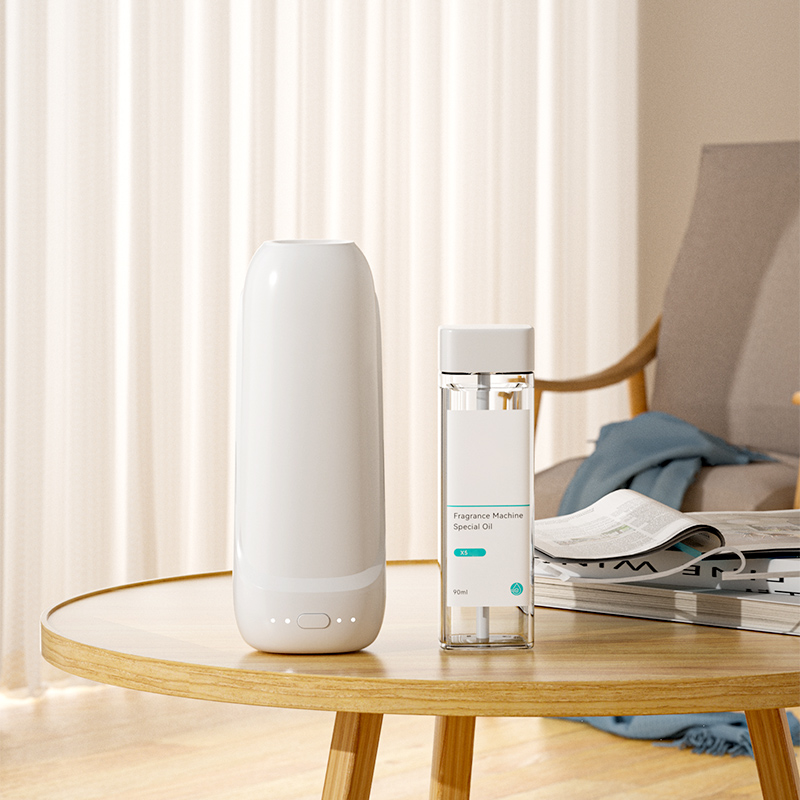
Understanding the mechanical differences between scenting technologies dictates the success of your installation. Each mechanism serves a distinct purpose and carries specific operational trade-offs. Selecting the wrong technology for your space will compromise the intended wellness outcome and increase your maintenance burden.
Nebulizing technology represents the gold standard for therapeutic delivery. This mechanism uses pressurized air and the Bernoulli principle to atomize undiluted essential oils. A high-velocity air stream forces the oil through a tiny glass or aluminum tube. This action shatters the oil into millions of micro-particles without using a single drop of water.
Ultrasonic units dominate the residential and light-commercial market. This mechanism uses a piezoelectric transducer to create rapid electronic frequencies, usually around 2.4 MHz. These vibrations agitate a small water reservoir mixed with a few drops of essential oil, producing a fine, cool mist.
Evaporative technology relies on basic airflow mechanics. This mechanism uses a small internal fan to blow ambient air through a filter or porous pad soaked in essential oils. The air absorbs the scent and carries it into the room.
Evaluating this technology reveals significant flaws for therapeutic use. It causes uneven dispersion due to fractional evaporation. Essential oils contain multiple chemical components with varying evaporation rates. The lighter components evaporate quickly, while the heavier components linger on the pad. Therefore, an evaporative aromatherapy machine is generally not recommended for consistent, balanced therapeutic use. They are best relegated to cars or small personal desk spaces.
For large-scale commercial or luxury residential applications, standalone units are often insufficient. An HVAC-integrated system utilizes advanced cold-air diffusion technology connected directly to a building's ventilation ductwork. The unit atomizes the oil and uses the existing static pressure of the HVAC system to distribute the scent evenly throughout the building.
Evaluating this approach requires acknowledging the high upfront installation requirements. It requires professional installation, precise calibration of the HVAC fan schedules, and careful monitoring of duct pressure. However, a centralized wellness scent system offers unparalleled, consistent coverage. It eliminates the need for multiple localized units, making it ideal for commercial spas, expansive yoga studios, or large luxury homes.
| Technology | Mechanism | Therapeutic Potency | Maintenance Level | Ideal Environment |
|---|---|---|---|---|
| Nebulizing | Pressurized cold air | Very High | High (Alcohol flushes) | Large studios, clinical rooms |
| Ultrasonic | Water vibration | Low to Medium | Medium (Daily water changes) | Bedrooms, small offices |
| Evaporative | Fan and scent pad | Low (Uneven) | Low (Pad replacements) | Cars, small personal desks |
| HVAC-Integrated | Cold-air via ductwork | High (Consistent) | Low (Periodic canister swaps) | Commercial spaces, luxury homes |
Deploying scent technology successfully requires precise spatial scaling. A standard desktop unit cannot effectively service a commercial studio. Matching dispersion rates to square footage prevents both under-scenting and olfactory fatigue. You must evaluate the physical dimensions and airflow characteristics of your space before purchasing hardware.
You must calculate the required output based on room volume. Standard ultrasonic units typically cover 100 to 300 square feet effectively. Pushing an ultrasonic unit beyond this range results in imperceptible scenting. The mist simply dissipates before reaching the other side of the room. Conversely, high-output nebulizing systems can saturate 1,000 to 3,000 square feet. Placing a powerful nebulizer in a small 150-square-foot bathroom will quickly cause olfactory fatigue and potential respiratory irritation. Always verify the manufacturer's maximum coverage area and adjust the output settings to match your specific square footage.
Align device placement with the intended utility of the room. A dynamic fitness studio benefits from a high-output nebulizer dispensing energizing citrus blends to match the high-energy environment. In contrast, a quiet massage room requires a different approach. Here, a gentle ultrasonic spa diffuser is ideal. It provides a subtle, continuous aroma of lavender or chamomile without overwhelming the client or disrupting the tranquil atmosphere. You must map the energy level of the space to the intensity of the scenting device.
Evaluate the noise footprint of your chosen hardware. Acoustic integration is often overlooked until the device is turned on and the noise becomes a distraction. Nebulizers utilize internal air pumps that generate a distinct hum or vibration, typically registering between 40 and 50 decibels. This noise will disrupt the tranquility of a meditation space or a sleep environment. In these highly acoustic-sensitive zones, a whisper-quiet ultrasonic unit remains the better choice. You accept a lower therapeutic output in exchange for absolute silence.
Essential oils are highly concentrated plant extracts. They contain volatile organic compounds like terpenes, which are naturally corrosive to cheap plastics. When evaluating a device, prioritize material integrity. Look for water reservoirs and atomizing nozzles constructed from medical-grade plastics like Polypropylene (PP) or Polyethylene Terephthalate (PET). Borosilicate glass and anodized aluminum are also excellent choices for nebulizing components. Devices made from standard Acrylonitrile Butadiene Styrene (ABS) plastic will degrade, crack, and eventually leak when exposed to resinous or citrus oils over time. Investing in proper materials prevents premature hardware failure.
Managing expectations is necessary when integrating scent technology into wellness spaces. We must separate verified physiological responses from marketing hyperbole. The benefits of botanical diffusion are significant, provided they are understood within a realistic, evidence-based framework. You are not curing diseases; you are optimizing the environmental psychology of the space.
The human olfactory system is directly wired to the brain's limbic system. This area governs emotion, memory, and behavior. When you inhale vaporized essential oils, olfactory receptors send immediate signals to the amygdala and hippocampus. This interaction influences perceived stress levels and anxiety reduction. Diffusing specific botanical profiles can actively shift the emotional baseline of a room. For example, introducing bergamot and ylang-ylang into a waiting room creates a tangible sense of calm, reducing the ambient tension of the occupants.
Scenting is a powerful tool for environmental design in workspaces. Utilizing specific botanical profiles in home offices or corporate wellness rooms can boost motivation and mental clarity. Peppermint and rosemary contain compounds like 1,8-cineole, which studies suggest may support cognitive performance and alertness. Citrus oils, rich in limonene, are frequently deployed to elevate mood and sustain focus during long work sessions. Deploying a nebulizer with a focus blend during the mid-afternoon slump provides a non-caffeinated cognitive reset.
We must address common claims about immunity carefully. Diffusing essential oils does not cure viral infections. However, diffusing specific botanical compounds supports seasonal wellness and subjective physical resilience. Oils like tea tree, clove, and eucalyptus contain natural constituents that promote a feeling of clear breathing and overall vitality. They create a supportive environment during challenging seasonal transitions. This provides occupants with a sense of physical comfort without crossing into unverified medical claims.
It is necessary to address the air purification myth. Many sources claim that essential oils purify indoor air. While certain oils possess antimicrobial properties in vitro, diffusers do not mechanically filter indoor air. They do not remove dust, dander, or particulate matter like a HEPA filtration system. Scenting devices enhance the olfactory quality of the air, but they should never replace proper mechanical ventilation and physical air purification. Treat scenting as an aesthetic and psychological upgrade, not an HVAC filtration substitute.
Scenting devices can offer subjective respiratory comfort. This is particularly true when using ultrasonic units in dry climates. The combination of light humidity and specific terpenes, such as eucalyptol found in eucalyptus and respiratory blends, helps soothe dry airways. This dual-action approach provides a comforting environment for individuals experiencing seasonal congestion or dry indoor heating systems. The moisture prevents the mucous membranes from drying out, while the oils provide a cooling sensation upon inhalation.
| Botanical Profile | Primary Chemical Constituent | Target Wellness Outcome | Recommended Technology |
|---|---|---|---|
| Lavender, Chamomile | Linalool, Esters | Deep relaxation, sleep support | Ultrasonic (Quiet operation) |
| Peppermint, Rosemary | 1,8-Cineole | Cognitive focus, alertness | Nebulizing (High potency) |
| Sweet Orange, Lemon | Limonene | Mood elevation, energy | HVAC or Nebulizing |
| Eucalyptus, Tea Tree | Eucalyptol, Terpinen-4-ol | Respiratory comfort, seasonal wellness | Ultrasonic (Adds moisture) |
Operating scenting hardware requires ongoing commitment. Neglecting maintenance protocols introduces significant risks to both the equipment and the occupants of the space. You cannot install these devices and forget about them. They require scheduled physical intervention.
The reality of ultrasonic maintenance is strict. Because these devices hold standing water, they are prime breeding grounds for bacteria and mold. Failure to clean the water reservoir daily can lead to the aerosolization of mold spores. You must empty the tank after every use, wipe it dry with a clean cloth, and perform a deep clean with white vinegar weekly. Ignoring this protocol transforms a wellness device into a respiratory hazard. If you notice a pink or black slimy film inside the water tank, biofilm has already formed, and the unit requires immediate sanitization.
Nebulizers face different mechanical challenges based on fluid dynamics. Heavy, resinous oils like vetiver, sandalwood, and patchouli have high viscosity. These thick oils easily clog the microscopic glass tubes inside nebulizing units. To maintain performance, you must run a dedicated cleaning cycle using high-proof rubbing alcohol (90% isopropyl or higher). This alcohol flush dissolves the sticky resin buildup and keeps the atomizing nozzles clear. You should perform this flush every two weeks, or immediately after diffusing a particularly heavy resin.
Safety considerations are non-negotiable, especially in shared commercial spaces or homes with animals. You must exercise extreme caution around pets. Cats and dogs lack certain liver enzymes required to process specific phenols and ketones found in essential oils. Oils like eucalyptus, tea tree, and citrus can be highly toxic to pets if inhaled in high concentrations. Furthermore, individuals with severe asthma, COPD, or multiple chemical sensitivities may experience adverse reactions to even pure botanical diffusions. Always ensure adequate ventilation, keep output levels moderate, and provide scent-free zones in commercial wellness facilities.
To ensure safe operation, follow this standard field maintenance protocol:
The optimal scenting device is not a one-size-fits-all product. It is a calculated match between your spatial dimensions, acoustic tolerance, and desired therapeutic intensity. Understanding the mechanics behind nebulizing, ultrasonic, and HVAC technologies empowers you to make an informed decision that elevates your environment safely.
When shortlisting devices, apply clear logic. Choose ultrasonic models for quiet, localized ambient enhancement and sleep support in bedrooms. Opt for nebulizing units when you require potent, waterless therapeutic delivery and cognitive focus in larger, open rooms. Finally, select an HVAC-integrated system for seamless, commercial-scale environmental design.
To successfully implement scenting in your wellness space, take these immediate next steps:
A: A humidifier is designed solely to increase indoor moisture levels by dispersing large amounts of water vapor. A diffuser is specifically engineered to break down highly concentrated essential oils into micro-particles for therapeutic inhalation. While ultrasonic diffusers add a tiny amount of moisture to the air, their primary function is scent dispersion, not climate control.
A: Yes. Nebulizers atomize pure, undiluted essential oils directly from the bottle. Because they do not use water to dilute the mixture, they consume oil at a significantly higher rate. However, this results in a much stronger, more therapeutically potent aroma in a fraction of the time.
A: For cognitive focus and mental clarity, utilize oils rich in monoterpenes and oxides, such as peppermint, rosemary, and lemon. To promote sleep and deep relaxation, choose oils high in linalool and esters, such as lavender, roman chamomile, and clary sage.
A: If you are using an ultrasonic model that requires water, you should empty and wipe out the reservoir daily. A deeper clean using a mixture of water and white vinegar should be performed once a week to dissolve mineral buildup and eliminate any potential bacterial biofilm.
A: No. While certain botanical extracts have antimicrobial properties, diffusing them does not mechanically filter the air. Scenting devices cannot remove dust, pollen, pet dander, or particulate matter. They improve the olfactory environment but should never replace true HEPA air purifiers.
A: Caution is required. Many essential oils, including tea tree, eucalyptus, and citrus, are toxic to cats and dogs. Children also have more sensitive respiratory systems. Always consult a veterinarian or pediatrician before diffusing oils, ensure the room is well-ventilated, and allow pets an open door to leave the space.


