
Views: 0 Author: Site Editor Publish Time: 2026-08-01 Origin: Site


Optimizing sleep architecture requires controlling multiple environmental variables simultaneously. Relying solely on mattress quality ignores air composition, ambient noise, and olfactory triggers that dictate how quickly your body transitions into restorative rest. Modern sleep environments frequently suffer from dry air pushed by HVAC systems, lingering daytime stressors, and a complete lack of physiological cues signaling the brain to power down. Addressing these invisible barriers reduces sleep latency and improves overall rest quality.
Implementing an essential oil diffuser for bedroom use serves as a dual-purpose tool for environmental conditioning. It provides localized micro-humidity while delivering targeted aromatherapy to influence the nervous system. Successful implementation requires moving beyond basic aesthetics. You must strictly evaluate device mechanics, acoustic profiles, safety protocols, and ongoing maintenance requirements to achieve tangible sleep benefits.
Establishing a sleep-conducive environment requires managing three baseline elements: optimal relative humidity, low physiological stress markers, and clean ambient air. When these factors fall out of alignment, the body struggles to initiate the sleep cycle. Dry air irritates the upper respiratory tract, causing micro-awakenings throughout the night. Simultaneously, elevated cortisol levels from daily stressors prevent your heart rate from dropping to the necessary resting baseline.
A common misconception surrounds the exact function of these devices. While a home scent diffuser vastly improves the sensory environment and neutralizes stale room odors, it does not function as an air purifier. These units do not contain HEPA filters and cannot physically remove particulate matter, dust mites, or dander from the room. Their primary mechanical function is additive. They introduce micro-humidity and aromatic compounds into the space rather than extracting pollutants.
Understanding the internal mechanics of your device dictates its effectiveness in a sleep setting. The market relies heavily on two distinct dispersion methods, each interacting with the bedroom environment differently. Selecting the wrong technology often leads to sleep disruption rather than enhancement.
Ultrasonic technology utilizes a small ceramic disc located at the base of the water reservoir. This disc vibrates at high frequencies, typically around 2.4 million times per second. The rapid vibration creates ultrasonic waves that break liquid water and essential oils into microscopic particles. A small internal fan then propels this fine mist into the air. Ultrasonic models offer the secondary benefit of slight room humidification and generally operate with a quieter acoustic profile, making them highly suitable for sleep environments.
Nebulizing technology operates without water or heat. These devices use pressurized air and Bernoulli's principle to atomize pure essential oils directly from the bottle into a highly concentrated vapor. While this delivers maximum scent potency and therapeutic value, nebulizers consume oil rapidly. They also tend to produce a noticeable mechanical humming noise from the air pump, which easily disrupts light sleepers.
| Feature | Ultrasonic Diffusers | Nebulizing Diffusers |
|---|---|---|
| Operation Method | High-frequency vibration with water | Pressurized air atomization (waterless) |
| Acoustic Profile | Very quiet (often <30dB) | Moderate mechanical hum (40dB+) |
| Output Potency | Diluted, subtle aroma | Highly concentrated, strong aroma |
| Humidification | Adds micro-humidity to the room | None |
| Maintenance Level | High (requires daily water changes) | Low (requires periodic nozzle cleaning) |
The biological mechanism behind aromatherapy relies on the direct anatomical connection between the olfactory bulb and the limbic system. When you inhale aromatic compounds, scent molecules bind to olfactory receptors in the nasal cavity. These receptors send immediate electrical signals to the amygdala and hippocampus. These specific brain regions are responsible for emotional regulation, memory processing, and stress response.
Specific botanical compounds trigger a physiological response that activates the parasympathetic nervous system. This activation acts as a biological brake pedal. It lowers the heart rate, reduces blood pressure, and slows the breathing rate. By actively down-regulating the body's stress response, olfactory stimulation facilitates a smoother, faster transition into the initial stages of non-REM sleep. You bypass the cognitive looping that often keeps people awake.
Not all devices are engineered for the bedroom. Many units designed for large living spaces or office environments fail miserably when placed on a nightstand due to poor acoustic engineering or aggressive lighting. Evaluating a unit for sleep requires strict adherence to specific operational thresholds. If a device fails any of these criteria, it will likely hinder your sleep architecture.
The acoustic threshold for sleep disruption is surprisingly low. The World Health Organization recommends keeping continuous background noise in bedrooms below 30 decibels (dB) to prevent sleep fragmentation. When selecting a device, verify that its operational noise falls below this 30dB mark. This level is often categorized as whisper-quiet, roughly equivalent to the sound of rustling leaves.
Avoid devices that produce loud water-trickling sounds or emit a mechanical whining noise from the internal fan. While some users appreciate steady white noise, the irregular gurgling of a poorly designed water reservoir pulls a sleeper out of deep restorative stages. Prioritize units with specialized noise-dampening covers over the internal water tank and high-quality brushless DC motors for the fan assembly.
Light exposure directly dictates melatonin production. A major flaw in many commercial diffusers is the inclusion of un-dimmable, color-changing LED lights. Exposure to blue or green light spectrums in the hours leading up to sleep actively suppresses the pineal gland's ability to secrete melatonin. This suppression delays sleep onset and reduces the overall time spent in deep sleep phases.
A viable device must feature a dedicated dark mode or a complete display shut-off function. The unit should operate at full misting capacity while emitting absolutely zero ambient light. Even small indicator lights showing power status should be covered, disabled, or taped over to maintain a pitch-black sleep environment.
Bedroom environments vary drastically in square footage and ventilation. A device that pumps out 50ml of mist per hour works well for a large master suite but quickly over-saturates a small guest room. Adjustable mist settings are mandatory for controlling the local micro-climate.
Operating a unit on a high-intensity setting in a small, enclosed bedroom causes the air to become damp. This excess moisture leaves condensation on wooden nightstands, damages electronics, and makes bedding feel clammy. Lower intensity settings provide a steady, subtle aromatic release without compromising the room's baseline humidity levels.
Water tank capacity dictates how long the unit operates before requiring a refill. You must match the tank capacity to your specific room size and usage habits to optimize performance.
Regardless of tank size, a waterless auto-shutoff mechanism is an absolute necessity. Once the reservoir depletes, the ultrasonic plate overheats if it continues to vibrate dry. The auto-shutoff feature prevents motor burnout, eliminates fire hazards, and ensures you fall asleep without worrying about manually powering down the device.
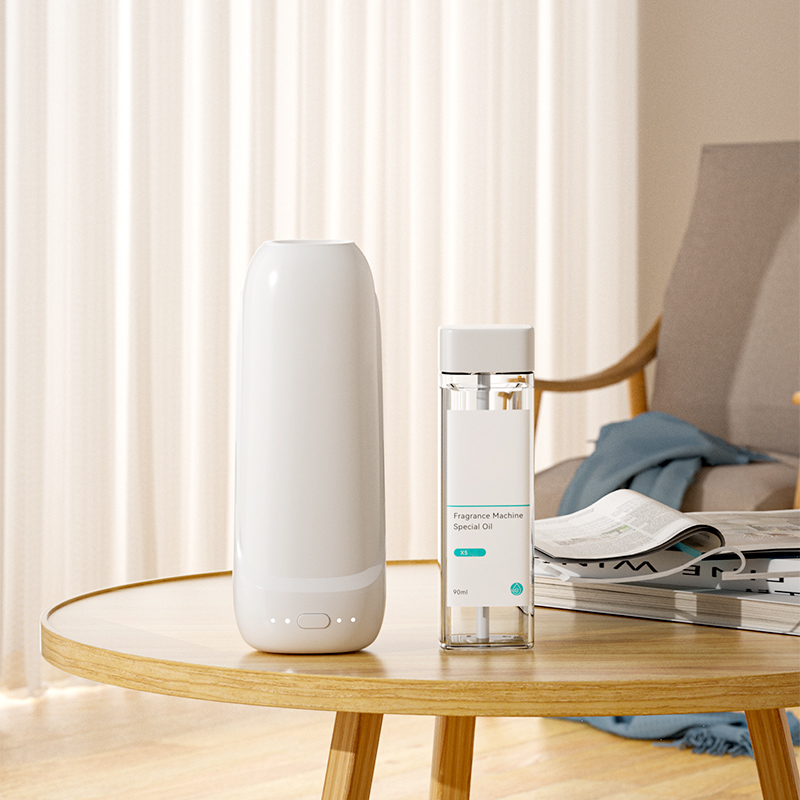
The efficacy of aromatherapy depends entirely on the chemical composition of the oils used. Differentiating between clinically studied botanicals and purely anecdotal claims ensures you actually impact your sleep architecture rather than just perfuming the room.
Certain essential oils possess distinct chemical constituents proven to induce relaxation. Lavandula angustifolia (Lavender) is the most heavily researched botanical in this space. It contains high levels of linalool and linalyl acetate. These specific compounds interact with GABA receptors in the brain, producing a mild sedative effect similar to certain anti-anxiety medications. Roman Chamomile and Cedarwood also demonstrate strong clinical backing for reducing sympathetic nervous system activity and promoting physical relaxation.
Timing dictates success when utilizing a sleep aroma diffuser. Turning the unit on just as you get into bed misses a critical window of opportunity. The most effective strategy involves powering the device on 30 to 45 minutes before your intended bedtime.
Pre-conditioning the room establishes a dense, aromatic environment. When you finally enter the bedroom, the sudden shift in olfactory input serves as a powerful psychological cue. It signals the brain that the transition to rest has begun. This Pavlovian response significantly reduces the time it takes to fall asleep.
The human olfactory system detects environmental changes, but it struggles to process continuous stimuli. When exposed to a constant scent, receptor adaptation occurs rapidly. This phenomenon is commonly known as olfactory fatigue. Within 15 to 30 minutes of continuous exposure, the brain simply stops registering the aroma. At this point, further diffusion becomes therapeutically useless and wastes your essential oils.
To combat olfactory fatigue, utilize the intermittent misting function found on high-quality devices. Setting the unit to operate in cycles prevents receptor adaptation. A common cycle is 10 minutes of active misting followed by 20 minutes of rest. The brain registers the scent anew with each cycle. This provides sustained parasympathetic stimulation throughout the night without overwhelming the senses.
Introducing aerosolized particles into your breathing zone carries inherent physical risks. Proper implementation requires acknowledging these variables and adjusting usage habits to protect respiratory health and household safety.
Essential oils are highly concentrated volatile organic compounds (VOCs). While natural, they still irritate sensitive airways. Individuals with asthma, chronic obstructive pulmonary disease (COPD), or severe seasonal allergies must exercise extreme caution. Over-diffusing in a poorly ventilated, enclosed bedroom triggers bronchospasms or allergic rhinitis.
Mitigate this risk by starting with a high dilution ratio. Use just two or three drops of oil in a 300ml tank for your first few nights. Always leave the bedroom door slightly ajar to allow for adequate air exchange. Immediately discontinue use if you experience coughing, wheezing, or throat irritation.
Mammalian livers process chemical compounds differently. Cats lack the liver enzyme (UGT) necessary to break down phenols and ketones found in many essential oils. Diffusing oils like eucalyptus, tea tree, peppermint, or citrus in a closed room with a cat leads to severe toxicosis, neurological issues, or liver failure. Dogs are generally more tolerant but possess highly sensitive olfactory systems that easily become overwhelmed by strong scents.
| Pet Type | Generally Safe Oils (Use High Dilution) | Highly Toxic Oils (Avoid Completely) |
|---|---|---|
| Cats | Frankincense, Copaiba, Helichrysum | Eucalyptus, Tea Tree, Citrus, Peppermint, Pine, Wintergreen |
| Dogs | Lavender, Chamomile, Myrrh, Ginger | Tea Tree, Pennyroyal, Wintergreen, Pine, Sweet Birch |
Always research the specific botanical before use if you have pets. Keep all devices and undiluted oil bottles on high dressers or shelves. They must remain completely out of reach of toddlers and young children to prevent accidental ingestion or chemical burns from spills.
The operational reality of owning a bedroom diffuser involves strict hygiene. Stagnant water left in a dark, room-temperature reservoir creates an ideal breeding ground for bacteria, mold, and mildew. If you turn the unit on without prior cleaning, these pathogens instantly aerosolize. You then inhale them directly into your lungs, risking respiratory infections.
Establish a non-negotiable baseline cleaning protocol. Dump any remaining water every single morning and wipe the reservoir dry with a clean microfiber cloth. Once a week, perform a deep clean. Run the unit for 15 minutes with a mixture of distilled water and a tablespoon of white vinegar. The acetic acid in the vinegar descales the ultrasonic plate, removes mineral buildup, and eliminates bacterial biofilm.
Navigating the market requires balancing aesthetic desires with functional durability. Construction materials and digital technology integration heavily influence the lifespan and reliability of the device.
The internal reservoir must consist of BPA-free, medical-grade plastics like Polypropylene (PP) to withstand the corrosive nature of essential oils. Cheap ABS plastics degrade, warp, or leach chemicals when exposed to high-limonene oils like lemon or sweet orange. Externally, devices clad in ceramic, glass, or real wood offer superior aesthetic integration into bedroom decor compared to standard plastic housings. However, these premium materials carry a higher risk of shattering if accidentally knocked off a nightstand in the dark.
Modern units frequently feature Wi-Fi connectivity, allowing for smartphone app scheduling and voice control integration. Assess whether these smart features genuinely improve your sleep hygiene routine. App scheduling allows you to automate the pre-sleep room conditioning. You can program the device to turn on exactly 30 minutes before bed without manual intervention.
However, smart features introduce complexity and potential connectivity failures. Simple, single-button analog devices offer unmatched reliability. If your goal involves minimizing screen time before bed, an analog device requires a simple physical button press. This tactile action proves far more conducive to a low-stress evening routine than navigating a bright smartphone app.
A: Yes, provided the device features a waterless auto-shutoff mechanism to prevent motor overheating. However, continuous overnight diffusion causes olfactory fatigue and wastes oil. Using an intermittent setting prevents sensory overload and sustains the therapeutic benefits throughout your entire sleep cycle.
A: Place the unit on a solid, elevated surface like a nightstand or dresser, roughly 3 to 5 feet away from your head. This distance allows the mist to disperse evenly into the ambient air without directly saturating your face or dampening your bedding.
A: Ultrasonic models add a small amount of micro-humidity to the immediate area, but they cannot replace a dedicated humidifier. Their moisture output typically ranges between 15ml and 30ml per hour, which remains insufficient for correcting severely dry air across an entire room.
A: You must empty stagnant water and wipe the reservoir dry daily to prevent bacterial growth. Perform a deep clean once a week by running a mixture of water and white vinegar through the unit for 15 minutes to remove mineral scale and biofilm.
A: Clinically backed options include Lavandula angustifolia (Lavender), Roman Chamomile, Bergamot, and Cedarwood. These botanicals contain specific compounds that actively down-regulate the nervous system. Always select scents you personally find pleasant, as disliked odors cause irritation rather than relaxation.
A: Yes. Essential oils contain volatile organic compounds that irritate sensitive airways, potentially triggering asthma or allergic rhinitis. To minimize risks, ensure the bedroom remains well-ventilated, use very low dilution ratios, and utilize adjustable low-mist settings to prevent air over-saturation.


