
Views: 0 Author: Site Editor Publish Time: 2026-08-07 Origin: Site


Modern interior design is shifting away from synthetic air fresheners toward controlled botanical scenting. Homeowners face a saturated market filled with exaggerated wellness claims. It becomes difficult to determine if a scenting device will actually improve your indoor environment or simply add maintenance overhead. An essential oil diffuser for home provides a practical solution when selected and used correctly. We will establish a clear framework for evaluating these devices based on verifiable environmental impacts, underlying dispersion technologies, and spatial requirements. Matching the hardware to your specific living space dictates the success of the installation. A unit sized for a small bedroom will fail in an open-concept living area. Understanding these technical elements prevents buyer's remorse. It maximizes the functional benefits of ambient scenting while minimizing the risks of surface damage or poor indoor air quality.
A high-quality room fragrance diffuser does more than mask bad smells. It fundamentally alters how you perceive your environment. The device breaks down essential oils into microscopic particles. These micro-particles disperse into the ambient air and interact with existing odor molecules. They bind to airborne particles from cooking, pets, and stale indoor air. For example, the chemical compounds in lemon or eucalyptus oil actively neutralize amines found in fish odors or mercaptans from garlic. This binding process eliminates the unpleasant smells rather than just layering perfume over them.
Consistent ambient scenting also alters spatial perception. You can use distinct scent profiles to create psychological boundaries in open-concept homes. A bright citrus scent in the kitchen separates the cooking area from a relaxing lavender-scented living room. This olfactory zoning makes large spaces feel organized and purposeful. When you walk from a peppermint-scented home office into a cedarwood-scented hallway, your brain registers a physical transition. This technique proves highly effective in modern homes lacking physical walls between living areas.
Olfactory stimulation triggers direct physiological responses. When you inhale botanical compounds, they travel through the olfactory nerve directly to the limbic system. This brain region controls emotions, memories, and arousal levels. Specific essential oils interact with these neural pathways to alter your ambient mood and reduce tension. We see strong evidence-based use cases for this mechanism in residential settings.
Linalool-rich oils, such as lavender and clary sage, actively lower heart rates. They provide excellent stress reduction when diffused in bedrooms before sleep. The chemical structure of linalool acts on the parasympathetic nervous system, signaling the body to wind down. Conversely, menthol and terpene-heavy profiles stimulate cognitive function. Peppermint, rosemary, and tea tree oils enhance focus and alertness. Deploying these specific profiles in home offices directly supports productivity and mental clarity. You can program your diffusion schedule to match your daily routine, using stimulating oils in the morning and relaxing profiles in the evening.
Water-based ultrasonic models provide a secondary environmental benefit. They release a continuous fine mist into the air. This mist carries the essential oil while marginally increasing localized humidity. Dry, climate-controlled rooms benefit from this slight moisture addition. It can soothe dry nasal passages and reduce static electricity near your desk or bed during winter months when indoor heating dries out the air.
However, you must understand the hardware limitations. A diffuser cannot replace a dedicated high-capacity humidifier. It lacks the water volume and output power required for whole-room climate control. A standard unit holds between 100ml and 500ml of water, whereas a true room humidifier holds over a gallon. The micro-humidification remains strictly localized to the immediate few feet surrounding the device. Do not rely on these units to protect hardwood floors or musical instruments from low humidity damage.
Many manufacturers make exaggerated claims regarding air purification. We must address this common misconception directly. Diffusers do not filter particulate matter from your air. They cannot remove PM2.5, pet dander, or dust mites. They also do not eliminate volatile organic compounds (VOCs) emitted by paints, carpets, or furniture. You still need a dedicated HEPA filter and activated carbon scrubber for actual air purification.
Certain essential oils do possess mild antimicrobial properties. When micro-particles of thyme, oregano, or clove oil settle on hard surfaces, they can inhibit localized bacterial growth. The high concentration of phenols in these oils disrupts bacterial cell walls. This provides a minor surface-level benefit, but it does not equate to purifying the breathable air in your home. Treat diffusion as an aesthetic and psychological enhancement, not a mechanical air filtration system.
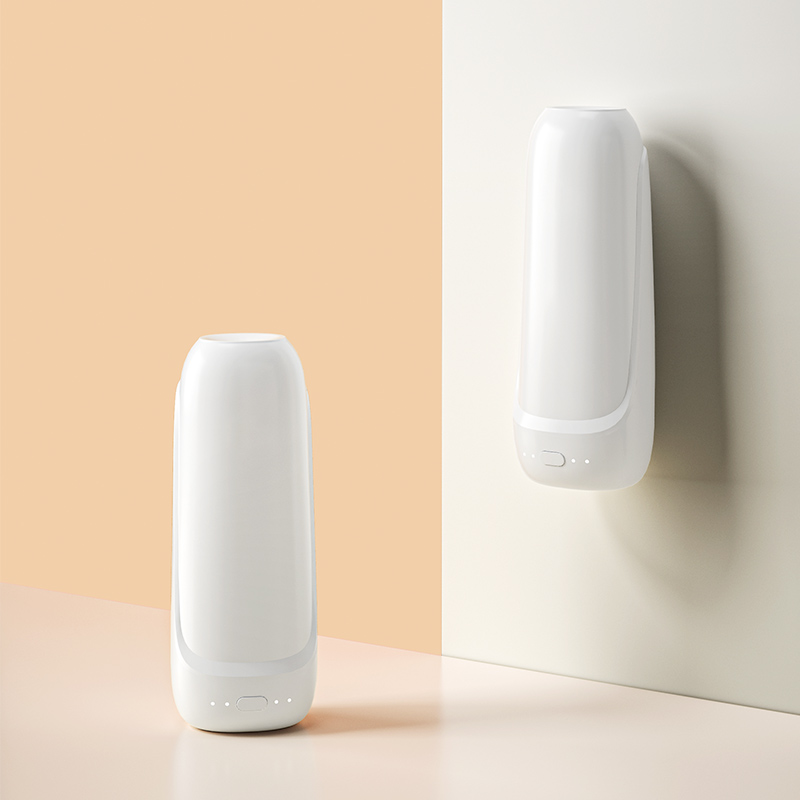
Ultrasonic technology dominates the consumer market. The mechanism relies on a small piezoelectric ceramic disc located at the base of the water tank. This disc produces high-frequency vibrations, typically around 2.4 million times per second. The rapid movement breaks down the water and essential oil mixture into a highly dispersible mist. This home scent machine is best for dry climates and bedrooms. Users seeking subtle scenting and low operational noise prefer this technology.
The trade-offs include a diluted scent profile. Because you mix a few drops of oil with a large volume of water, the fragrance remains light. You also face the requirement of daily water replacement to prevent stagnation. If you leave water in the tank for several days, biofilm develops rapidly. You must also use distilled water to prevent mineral buildup on the ceramic disc, which degrades performance over time.
Nebulizing units operate without water or heat. The mechanism uses pressurized air based on Bernoulli's principle. A small internal air pump forces air through a narrow glass tube, creating a vacuum that pulls the pure essential oil to the surface. The high-velocity air then atomizes the oil directly into the environment as a micro-fine vapor. This technology is best for large living rooms and open floor plans. Users requiring potent, therapeutic-grade scent concentration should choose nebulizers.
The trade-offs are significant. You will experience much higher essential oil consumption because the unit diffuses pure oil without water dilution. The internal air pump also results in slightly louder operation compared to ultrasonic models. You will hear a distinct humming or vibrating sound. Additionally, thick oils like vetiver or sandalwood can clog the delicate glass tubes, requiring frequent cleaning with high-proof isopropyl alcohol.
Passive diffusers offer the simplest mechanism. They rely on natural ambient airflow or low-grade heat to evaporate oils from a porous surface. Common materials include unglazed ceramic, terracotta, or rattan reed sticks. This technology is best for small, localized areas like desks, entryways, and guest bathrooms. They meet zero-noise requirements perfectly since they have no moving parts. Users prioritizing aesthetic home decor often select these models.
The trade-offs include a very weak scent throw. You also experience uneven dispersion. Essential oils contain different chemical constituents with varying molecular weights. Lighter scent notes, like citrus and peppermint, evaporate much faster than heavier base notes like patchouli or cedarwood. This means the scent profile changes over time, starting bright and ending heavy. You have no control over the output intensity other than adding or removing reed sticks.
For ultimate coverage, you can bypass standalone units entirely. The mechanism connects directly to the home’s central heating and cooling ductwork. These units use cold-air diffusion technology to turn liquid fragrance into a dry nano-mist. As the air handler pushes climate-controlled air through the supply vents, it distributes the scent uniformly across every room. An HVAC-integrated aroma system is best for whole-home scenting and luxury properties. It provides commercial-grade consistency without visible hardware in your living spaces.
The trade-offs involve complex logistics. You need professional installation to tap into the ductwork safely. The installer must drill into the supply plenum and ensure the unit's static pressure matches your HVAC system. These systems also require specialized, proprietary oil canisters rather than standard essential oil bottles. You must program the unit to run only when the HVAC fan operates, otherwise, the scent will accumulate inside the ductwork and potentially damage the sheet metal or flex duct lining.
| Technology Type | Mechanism | Best Room Size | Maintenance Level | Scent Potency |
|---|---|---|---|---|
| Ultrasonic | High-frequency vibration (water-based) | Small to Medium | High (Daily water changes) | Mild to Moderate |
| Nebulizing | Pressurized air atomization (waterless) | Medium to Large | Medium (Periodic alcohol flushes) | Very High |
| Passive / Ceramic | Natural evaporation | Micro (Desks, Bathrooms) | Low (Add oil as needed) | Low |
| HVAC-Integrated | Central ductwork distribution | Whole Home | Low (Replace canisters monthly) | Consistent / Controllable |
You must match the hardware capacity to your room's square footage. Failing to scale the device correctly results in either overwhelming fragrance or undetectable scent. We establish baseline metrics using milliliter (ml) tank capacity versus maximum coverage for ultrasonic models. Nebulizers do not use water tanks, so you must scale them based on their programmable output settings and pump strength.
For standard bedrooms and home offices, a 100ml to 200ml tank provides optimal output. It scents the space without saturating the air. For open-concept living spaces, kitchens, and large basements, you require a 300ml to 500ml capacity unit. If you place a 100ml unit in a 600-square-foot living room, the scent will dissipate before reaching the seating area. Conversely, placing a 500ml unit in a small bathroom will cause respiratory irritation and leave condensation on the mirrors.
| Tank Capacity (Ultrasonic) | Ideal Square Footage | Recommended Room Type |
|---|---|---|
| 50ml - 100ml | Up to 150 sq. ft. | Bathrooms, Small Offices, Entryways |
| 150ml - 250ml | 150 - 300 sq. ft. | Standard Bedrooms, Dining Rooms |
| 300ml - 500ml | 300 - 500 sq. ft. | Living Rooms, Open Kitchens, Basements |
| HVAC / Large Nebulizer | 500+ sq. ft. | Whole Home, Commercial Spaces |
Physical placement dictates operational efficiency. You must analyze how existing airflow impacts the scent throw. HVAC vent placement, active ceiling fans, and natural drafts from windows alter mist trajectories. Never place a unit directly under a return air vent. The HVAC system will suck the scent out of the room and trap it in your air filter. Place the unit near a supply vent so the incoming conditioned air pushes the scent across the room.
Follow strict guidelines for optimal physical placement. Keep the device at least two feet off the floor. This elevation allows the mist to disperse into the ambient air before gravity pulls the heavy water particles to the ground. Maintain a minimum distance of three feet from walls, fabrics, and sensitive electronics. If you place an ultrasonic unit too close to a wall, the continuous moisture will eventually peel the paint or encourage mildew growth on the drywall.
Hardware materials impact both durability and interior design. You must evaluate the construction of the unit before deployment. Most budget units use polypropylene (PP) plastic. PP offers excellent drop resistance and lightweight portability. However, standard plastics degrade over time when exposed to highly corrosive citrus essential oils. The d-limonene compound found in lemon, sweet orange, and grapefruit oils acts as a solvent. It will pit, cloud, and eventually crack cheap plastic reservoirs.
Premium materials like glass, carved wood, and glazed ceramic provide superior chemical resistance. They also blend seamlessly into high-end decor. Material choice directly impacts longevity. If you plan to diffuse heavy citrus or cinnamon oils daily, a glass or ceramic reservoir prevents the plastic pitting that ruins cheaper models. When selecting a unit, verify that any internal plastic components in contact with the oil are explicitly labeled as high-grade, BPA-free, and essential oil resistant.
Ambient scenting introduces biological risks to households with pets. You must understand essential oil toxicity, specifically in cats and dogs. Felines lack the specific liver enzyme (glucuronyl transferase) required to process and metabolize phenols and ketones. Inhaling certain vaporized oils causes severe liver toxicity, neurological damage, and respiratory distress in pets. Dogs possess slightly better metabolic pathways but remain highly sensitive to strong airborne compounds.
You must strictly avoid heavily restricted oils. Never diffuse tea tree, eucalyptus, citrus, pine, wintergreen, peppermint, or ylang-ylang around animals. Implement safe diffusion practices immediately. Use timed intervals rather than continuous operation. Run the unit for 30 minutes, then turn it off for an hour. Always ensure the room remains well-ventilated. Leave the door open so pets can exit the space freely if the scent becomes overwhelming. Store all oil bottles in locked cabinets out of reach of children, as accidental ingestion is highly toxic.
Ultrasonic units possess a significant primary failure point. Stagnant water tanks encourage rapid biofilm buildup and mold growth. If you leave water sitting in the reservoir for days, you will aerosolize bacteria directly into your breathing zone. This can trigger respiratory infections and severe allergy symptoms. You must outline and follow a non-negotiable weekly maintenance protocol to keep the hardware sanitary.
Heavy misting creates oil residue fallout. As the micro-particles settle out of the air, they land on surrounding surfaces. Over time, this creates a sticky film that traps dust and damages finishes. You must explain this risk to anyone operating the device. White dust is another common issue. If you use hard tap water in an ultrasonic unit, the high-frequency vibrations aerosolize the calcium and magnesium. These minerals settle on your furniture as a fine white powder.
Implement basic preventative measures to protect your property. Always use distilled or reverse-osmosis water to eliminate mineral dust. Place the unit on a dedicated protective tray made of glass, sealed ceramic, or metal. Avoid placing the device over unsealed wood furniture, antique veneers, or porous stone countertops. The oil fallout will stain these materials permanently. Keep the mist plume directed away from laptops, televisions, and other sensitive electronics to prevent internal circuit corrosion from the continuous moisture.
An essential oil diffuser serves as a highly effective tool for localized ambiance, mood enhancement, and odor management. The technology only succeeds when it perfectly aligns with your specific spatial requirements and maintenance tolerance. Ultrasonic units suit budget-conscious users in dry climates. Nebulizers serve scent purists requiring strong output in large rooms. Passive ceramic diffusers fit localized decor needs, while HVAC systems handle whole-home integration. To proceed effectively, execute the following next steps:
A: No. Diffusers do not purify indoor air. They cannot filter particulate matter like dust, pollen, or pet dander. They also do not remove volatile organic compounds (VOCs). While some essential oils have mild surface antimicrobial properties, you need a dedicated HEPA air purifier to actually clean breathable indoor air.
A: A standard humidifier holds gallons of water and uses powerful fans or heating elements to significantly raise a room's humidity. A diffuser holds very little water (usually under 500ml) and uses an ultrasonic disc to disperse scent. Diffusers only provide marginal, highly localized micro-humidification.
A: Oils rich in linalool and linalyl acetate show strong evidence for stress reduction. Lavender, clary sage, and bergamot interact with the limbic system to lower heart rates and reduce sympathetic nervous system arousal. Diffusing these profiles in bedrooms promotes relaxation and improves sleep latency.
A: You should not run a scent machine continuously. Olfactory fatigue sets in after 30 to 45 minutes, meaning you stop smelling the scent. Continuous diffusion also over-saturates the air, potentially causing headaches. Run the device in 30-minute intervals with equal resting periods for optimal safety and efficiency.
A: They pose significant risks if not managed carefully. Because whole-home systems distribute scent everywhere, pets cannot escape the vapor. Cats are highly susceptible to phenol toxicity. If you have pets, you must use heavily diluted, pet-safe oils and consult a veterinarian before installing an HVAC aroma system.
A: White dust occurs when you use hard tap water in an ultrasonic unit; the minerals aerosolize and settle on surfaces. Oily residue happens when heavy essential oil particles fall out of the mist plume. Using distilled water and placing the unit on a protective tray prevents this damage.
A: You should use distilled water. Tap water contains minerals like calcium and magnesium. These minerals build up on the ultrasonic vibrating disc, reducing its lifespan and mist output. Tap water also causes the white mineral dust fallout mentioned above. Distilled water ensures clean operation and hardware longevity.


