
Views: 0 Author: Site Editor Publish Time: 2026-08-14 Origin: Site


Scenting compact enclosed spaces like a 120-square-foot bedroom, home office, or guest bathroom presents a unique challenge. You want a pleasant atmosphere without triggering sensory overload or relying on synthetic aerosols. Alternative methods often fail in tight quarters. Passive reed diffusers lack the reach to cover the whole space, leaving corners smelling stale. DIY methods fade rapidly and require constant reapplication. Standard-sized humidifying diffusers pump out too much moisture for a confined area, causing excessive condensation on windows and creating an unbreathable scent concentration.
The targeted application of an essential oil diffuser for small room environments solves this problem entirely. It serves as a highly controllable, energy-efficient, and scalable solution for consistent and safe room fragrance. By matching the device's output capacity to the exact square footage of your space, you gain precise control over your indoor air quality and aromatic experience.
Understanding how different devices break down essential oils dictates how you manage scent in confined areas. Ultrasonic vibration relies on a small ceramic disc located at the base of the water tank. This transducer vibrates at high frequencies, typically around 2.4 million times per second. The rapid agitation breaks the essential oil and water mixture into micro-particles, creating a fine, cool mist. Because it uses water as a carrier, the output adds slight humidity to the room.
Nebulizing technology operates on a completely different physical principle. It uses pressurized air to force pure essential oils through a specialized glass nozzle, leveraging the Bernoulli principle. This atomizes the oil into particles as small as 1 to 5 microns without requiring any heat or water dilution. The particulate size generated by these technologies dictates how long the scent hangs in the air. Ultrasonic devices produce slightly larger, heavier droplets due to the water content. These droplets settle faster, making them ideal for subtle background scenting. Nebulizers create incredibly fine micro-particles that remain suspended in the air for much longer periods. In a confined space, an ultrasonic room fragrance diffuser provides a softer, easily managed aroma. A nebulizer delivers a potent, immediate aromatic impact that requires strict timer management to avoid overwhelming the room.
Scent throw behaves uniquely in rooms under 150 square feet. A standard 10-by-10-foot room with an 8-foot ceiling contains 800 cubic feet of air volume. The physics of dispersion rely entirely on air currents to carry micro-droplets through this volume before gravity pulls them to the floor. A mini diffuser interacts heavily with its immediate environment. In a room with completely static air, the fragrance will pool heavily around the device, leaving the opposite side of the room scentless.
To achieve uniform fragrance distribution, you must leverage the room's natural airflow paths. Placing the unit near active HVAC supply vents, a slightly cracked window, or an open doorway pulls the mist into the room's primary air currents. Avoid placing the device directly underneath a return air vent. Return vents pull air out of the room at high velocities, which will immediately suck the fragrance into your ductwork before you can enjoy it. Strategic placement transforms a localized scent cloud into a consistent, wall-to-wall aromatic experience.
Marketing claims frequently exaggerate the air purification capabilities of diffusers. You must separate fact from fiction. A diffuser does not filter particulate matter. It will not remove dust, pet dander, or pollen from the air like a dedicated HEPA purifier. However, diffusing specific essential oils provides tangible benefits for odor neutralization.
Oils rich in specific chemical compounds, such as phenols and aldehydes, possess proven antimicrobial properties. Essential oils like tea tree, eucalyptus, lemongrass, and clove interact directly with airborne odor molecules. Instead of merely masking a bad smell with a heavier floral scent, these oils help neutralize the underlying odor profile. This chemical interaction drastically improves the perceived freshness of a tight space. When you walk into a small bathroom or a closed-door office, the air feels cleaner and lighter.
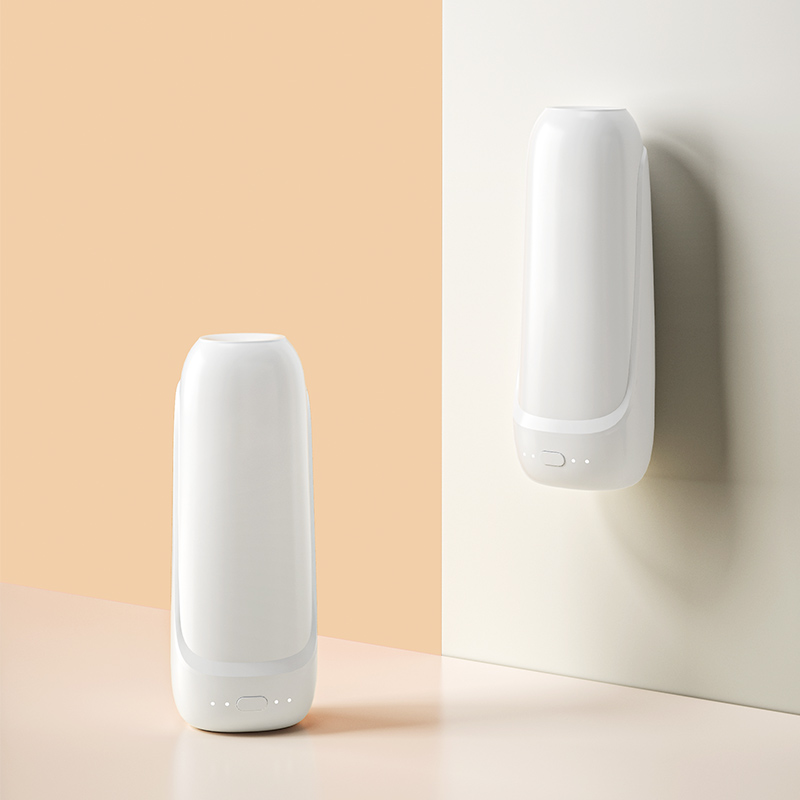
Olfactory fatigue, commonly known as nose blindness, occurs when your brain stops registering a constant smell to prevent sensory overload. If you run a diffuser continuously in a small room, your olfactory receptors will adapt, and you will stop smelling the oil within twenty minutes. Intermittent diffusion settings prevent this sensory saturation. Running a device on a cycle of 30 seconds on and 30 seconds off gives your receptors the necessary time to reset.
You also need strict baseline metrics for your oil-to-water ratios. Large living rooms might require 5 to 8 drops of oil. A compact space requires a much lighter touch. Establish a baseline of 2 to 3 drops per 100ml of water. Exceeding this ratio in a confined area often leads to headaches, eye irritation, and an overwhelmingly dense atmosphere. You can always add one more drop if the scent is too weak, but you cannot easily remove oil once it is in the water.
Different essential oil volatilities dictate the duration of your room's scent profile. Top notes consist of small, light molecules. They evaporate rapidly, providing a quick burst of scent that fades within an hour. Base notes consist of heavy, complex molecules that linger in the air for hours.
| Note Category | Common Essential Oils | Evaporation Rate | Hang-Time in Small Rooms |
|---|---|---|---|
| Top Notes | Sweet Orange, Lemon, Grapefruit, Peppermint | Fast (Highly Volatile) | 1 to 2 hours |
| Middle Notes | Lavender, Rosemary, Eucalyptus, Tea Tree | Moderate | 2 to 4 hours |
| Base Notes | Cedarwood, Sandalwood, Patchouli, Vetiver | Slow (Low Volatility) | 4 to 8+ hours |
Users frequently desire a weeks-long fragrance experience. You achieve this through realistic run-times and strategic layering. Utilize continuous mist capabilities only when actively trying to saturate the room prior to occupancy. To prolong the scent profile long after the device powers down, allow the mist to settle onto ambient room textiles. The micro-droplets embed into rugs, curtains, and bedding, acting as passive scent reservoirs that slowly release fragrance back into the room over several days.
Hospitality settings, such as Airbnb units or guest bedrooms, require careful scent management. You must select universally appealing, non-polarizing scents to enhance visitor perception without triggering sensitivities. Heavy florals like ylang-ylang or strong spices like cinnamon can cause allergic reactions or simply displease guests with sensitive noses.
Stick to clean, widely accepted aromatic profiles. Lavender promotes relaxation and signals a freshly cleaned space. Sweet orange provides an uplifting, cheerful atmosphere without being overly sweet. Bergamot offers a sophisticated, neutral citrus note. A subtle, clean background aroma signals care and attention to detail, elevating the guest experience without imposing a heavy fragrance footprint on their temporary living space.
Ultrasonic models dominate the compact diffuser market due to their versatility and ease of use. They agitate water to create a cool mist, carrying the oil into the air.
Cordless designs solve specific spatial problems in rooms where wall outlets are scarce or inconveniently located.
These devices rely entirely on natural evaporation without any electronic components.
| Diffuser Category | Primary Advantage | Main Drawback | Ideal Small Room Location |
|---|---|---|---|
| Ultrasonic Mini | Adds light moisture, operates quietly | Condensation risk on furniture | Bedrooms, dry home offices |
| Wireless / Battery | Ultimate placement flexibility, no cords | Weaker scent throw, requires charging | Bathrooms, entryways, shelves |
| Passive / Evaporative | Zero energy use, completely silent | Very limited range, slow diffusion | Closets, immediate desktop areas |
| Nebulizing | Potent, waterless scent concentration | Louder operation, uses oil quickly | Therapeutic spaces, living areas |
Water-based diffusers inherently introduce moisture into the air. In poorly ventilated small rooms, this creates a significant risk of localized condensation. If the mist output exceeds the air's capacity to hold moisture, water will pool on surrounding surfaces. This can cause permanent damage to wooden furniture, warp books, and short-circuit nearby electronics.
You must mitigate these risks actively. Utilize intermittent misting modes to slow down the moisture output, giving the room time to absorb the vapor. Monitor ambient humidity levels with a basic digital hygrometer. Aim to keep the room's relative humidity below 60 percent. If you notice condensation forming on the windows, turn the device off immediately and open a door to allow the trapped moisture to escape.
Smaller water tanks require exact and frequent cleaning protocols. Stagnant water and rancid essential oil residue quickly breed mold spores and bacteria. When you turn the device on, it will project these microbes directly into the air you breathe. This degrades the room fragrance, replacing your chosen scent with a musty odor, and harms your indoor air quality.
Clean the tank thoroughly every three to five uses. A standard cleaning procedure involves emptying any remaining water from the correct side of the tank to avoid flooding the air intake. Wipe the tank with a dry paper towel. Next, run a cleaning cycle by filling the tank halfway with water and adding a teaspoon of pure white vinegar. Let it run for five minutes to break down stubborn lipid barriers left by heavy oils. Dump the liquid, wipe the ultrasonic ceramic disc gently with a cotton swab dipped in 90 percent isopropyl alcohol, and let the unit air dry completely before its next use.
Unventilated rooms trap Volatile Organic Compounds (VOCs) emitted by essential oils. While natural, high concentrations of VOCs can irritate the respiratory tract, cause headaches, and trigger asthma symptoms. Always leave a door slightly open to ensure fresh air exchange when running a diffuser in a small space.
Pet safety represents a major constraint. Many popular essential oils, including tea tree, eucalyptus, peppermint, and citrus blends, are highly toxic to cats and dogs. Animals lack specific liver enzymes required to break down the phenols found in these oils. Never run a small room diffuser in a closed-door environment where a pet cannot easily escape the scent. Always consult a veterinarian before introducing new botanical fragrances into a home with animals.
The initial purchase of a compact diffuser is generally inexpensive, making it an accessible entry point for home fragrance. However, the true financial commitment lies in the ongoing consumables. High-quality, unadulterated essential oils require a steady budget.
You must weigh the low upfront hardware cost against the recurring expense of pure plant extracts. Cheap, adulterated oils often contain synthetic carriers that clog the ultrasonic mechanisms and produce artificial, headache-inducing smells. Investing in pure, therapeutic-grade oils ensures a superior olfactory experience and protects the internal components of your device from premature failure.
Mini diffusers boast a minimal electrical footprint. They run on low-voltage DC power adapters, often drawing less than 10 to 15 watts during active operation. This makes them highly energy-friendly home improvements.
Compare this minimal draw to plug-in wax warmers that use heat-generating incandescent bulbs, or large-scale HVAC scenting systems that require heavy power loads. A small diffuser delivers targeted aromatherapy and odor neutralization without making any noticeable impact on your monthly utility bills. Their low power consumption aligns perfectly with eco-conscious household management.
Hardware longevity varies wildly between budget models and premium devices. The ultrasonic ceramic disc is a consumable part that eventually degrades from mineral buildup and oil corrosion. Budget models typically last one to two years under daily use before the mist output weakens.
Premium models and high-end nebulizing pumps feature stronger internal components, thicker plastics resistant to corrosive citrus oils, and often carry longer manufacturer warranties. Proper daily maintenance, specifically keeping the ceramic disc free of oil residue, extends the realistic operational lifespan of any unit significantly, regardless of its initial price point.
An essential oil diffuser for small room applications proves highly effective only when properly matched to the space. You must align the output capacity with your exact square footage, existing airflow patterns, and specific scenting goals. Over-saturating a tiny room ruins the experience, while under-utilizing the device leaves the space smelling stale.
To simplify your hardware choice, rely on this rapid decision matrix: choose ultrasonic models for ambient background scenting and light moisture addition. Select nebulizing units for strong, waterless therapeutic bursts of pure aroma. Opt for passive diffusers for zero-energy, gradual release in micro-spaces like closets. Pick wireless devices for off-grid placement in bathrooms or entryways.
Take these actionable next steps to optimize your space today:
A: Use exactly 2 to 3 drops per 100ml of water. This prevents the scent from overpowering small spaces. You can adjust this slightly based on the specific oil's viscosity and natural strength, but always start low to avoid respiratory irritation.
A: Yes, provided it has an auto-shutoff feature. We highly recommend using intermittent settings (like 30 seconds on and off). This stretches a standard 100ml water tank safely over 6 to 8 hours without over-humidifying the room while you sleep.
A: Diffusers are built with specific plastics to handle corrosive essential oils and output minimal water. Humidifiers output high volumes of water to alter room climate and will quickly degrade or melt if exposed to pure essential oils.
A: Yes. Battery-operated units must conserve power, so they often use smaller internal fans and lower-power ultrasonic plates. This makes them strictly suitable for micro-spaces like bathrooms, cars, or immediate desktop areas rather than whole bedrooms.
A: Maintain routine tank cleaning for pure output. Use intermittent timer settings to pace the dispersion. Finally, diffuse base-note essential oils like cedarwood or patchouli. These heavier molecules linger on room textiles long after the device turns off.
A: No, diffusers do not remove dust, dander, or allergens like a HEPA filter. However, diffusing specific oils like eucalyptus or lemon can neutralize airborne odors and provide mild antimicrobial benefits to the immediate local air quality.


