
Views: 0 Author: Site Editor Publish Time: 2026-08-25 Origin: Site


Many assume running a device continuously is the most effective way to scent a space. This is a common misconception. Clinical and practical applications heavily favor controlled, intermittent dispersion. Continuous misting drains your essential oils rapidly. It causes olfactory fatigue, leaving you completely unable to smell the fragrance after a short period. Overexposure also increases the risk of respiratory sensitization and indoor air quality degradation. The primary solution to these issues lies in the technical mechanics of an essential oil diffuser intermittent mist function. This feature cycles power to optimize scent delivery while preserving your oil inventory. Understanding interval logic, motor reliability, and diffusion technology helps you select the right device for your specific spatial requirements. We will break down exactly how these systems operate, why they outperform continuous models, and how to evaluate the hardware before making a selection.
The printed circuit board acts as the brain of the device. It controls the timing relays responsible for the intermittent cycles. This board dictates exactly when electrical current flows to the active components. It cuts and restores power to the misting mechanism at factory-set or user-programmed intervals. You might see 30-second bursts or 60-minute cycles depending on the specific model. This electrical interruption process ensures precise control over scent distribution. Reliable PCBs prevent power surges from damaging the delicate internal sensors during these frequent switching phases.
The internal logic follows a strict sequence to execute these cycles without user intervention. When you select an intermittent mode, the microcontroller processes the command and initiates a repeating loop of electrical commands.
Water-based systems rely on a piezoelectric transducer. This ceramic disc sits at the base of the water reservoir. When powered, it vibrates at high ultrasonic speeds, typically 2.4 million times per second. These rapid vibrations create a cavitation effect in the water, breaking down the liquid and the floating essential oil into microscopic particles. The intermittent setting pauses these ultrasonic vibrations entirely. This temporary halt stops the atomization process immediately. It prevents the room from becoming oversaturated with heavy moisture and dense scent profiles.
The pause also allows the ceramic disc to cool down. Continuous ultrasonic vibration generates friction and localized heat, which degrades the ceramic material over time. By cycling the power, the transducer maintains a lower average operating temperature, extending the hardware's functional lifespan.
| Operating Mode | Transducer Temperature | Cavitation Stress | Expected Disc Lifespan |
|---|---|---|---|
| Continuous (High Output) | 40°C - 45°C | Constant | Approx. 3,000 Hours |
| Intermittent (30s On / 30s Off) | 25°C - 30°C | 50% Reduction | 6,000+ Hours |
Nebulizers use Bernoulli’s principle to draw oil into a fine mist. They do not require water or heat to function. A pressurized air pump forces compressed air through a small glass micro-tube. This high-velocity airflow creates a pressure differential, forming a vacuum that pulls the raw essential oil upward from the reservoir. The air stream then shears the oil into nanoparticles, projecting a micro-fine vapor into the room.
The intermittent timer directly controls this internal air pump. Stopping the pump halts the airflow instantly, which immediately breaks the vacuum siphon. This precise mechanical control prevents rapid oil consumption in high-output systems. Because nebulizers process pure, undiluted essential oil, running them continuously overwhelms a standard room in minutes. The intermittent function is a mandatory requirement for these waterless systems to maintain a balanced ambient scent.
Olfactory adaptation occurs when receptors in the nasal cavity become saturated. Odor molecules bind to these receptors, sending signals to the olfactory bulb in the brain. Once the receptors are fully occupied, they stop transmitting new signals. You stop noticing a scent even if it remains highly concentrated in the room. This biological phenomenon is commonly known as nose blindness.
Intermittent pauses allow your olfactory receptors time to reset. By cycling the scent off, the ambient odor concentration in the immediate vicinity drops slightly. The odor molecules unbind from the receptors. When the device cycles back on and releases a fresh plume of mist, your receptors detect the change in concentration and send new signals to the brain. You maintain the perceived intensity of the aroma without increasing the actual oil output. This biological reset allows you to enjoy subtle therapeutic blends throughout the day.
Oil consumption drops significantly when using an intermittent diffuser. A standard 15ml bottle of essential oil contains roughly 300 drops. A high-powered nebulizer running on a continuous mode depletes that bottle rapidly, often within a single workday. Switching to an intermittent cycle stretches that same bottle for several weeks. This provides a clear operational advantage and reduces the frequency of purchasing replacement oils.
Regular cooling periods also reduce thermal and mechanical stress on the internal hardware. The device's motor, air pump, or ultrasonic disc lasts much longer when it does not run constantly. The resting phase prevents the internal copper coils in the pump motor from overheating.
| Diffusion Mode | Average Output Rate | Total Operational Hours (15ml Bottle) |
|---|---|---|
| Continuous Nebulization | 2.0 ml/hr | 7.5 Hours |
| Intermittent (50% Duty Cycle) | 1.0 ml/hr | 15 Hours |
| Intermittent (20% Duty Cycle) | 0.4 ml/hr | 37.5 Hours |
Industry-standard safety guidelines recommend limiting active diffusion sessions. Running a device for 30 to 60 minutes is generally ideal. Essential oils contain volatile organic compounds (VOCs). While these are natural, high concentrations irritate the respiratory tract. Continuous exposure triggers headaches, nausea, or potential pet toxicity in poorly ventilated spaces.
The intermittent setting functions as an automated compliance feature. It ensures safe ambient scenting without requiring manual intervention. You do not have to remember to walk over and turn the machine off. You protect your indoor air quality while still enjoying the therapeutic benefits of essential oils. This automated safety net is highly recommended in households with children, sensitive animals, or individuals with asthma.
These devices are budget-friendly and double as mild room humidifiers. They offer a wide variety of pre-set intermittent timers, such as 30 seconds on and 30 seconds off. However, they dilute the essential oil with a large volume of water. The intermittent cycles can also leave stagnant water in the reservoir during the off phases. You must clean them regularly to prevent mold and bacterial growth. Mineral scale from tap water also interferes with the ultrasonic disc, requiring frequent descaling.
An aroma machine using nebulizing technology delivers an undiluted, therapeutically potent aroma. They offer highly customizable interval programming for precise control. Many connect directly to HVAC systems for efficient whole-home scenting. The upfront cost is higher than basic models. They also operate louder during the "on" cycle due to the internal pressurized air pump. Strict maintenance is required to prevent the delicate glass micro-tubes from clogging with thick, resinous oils.
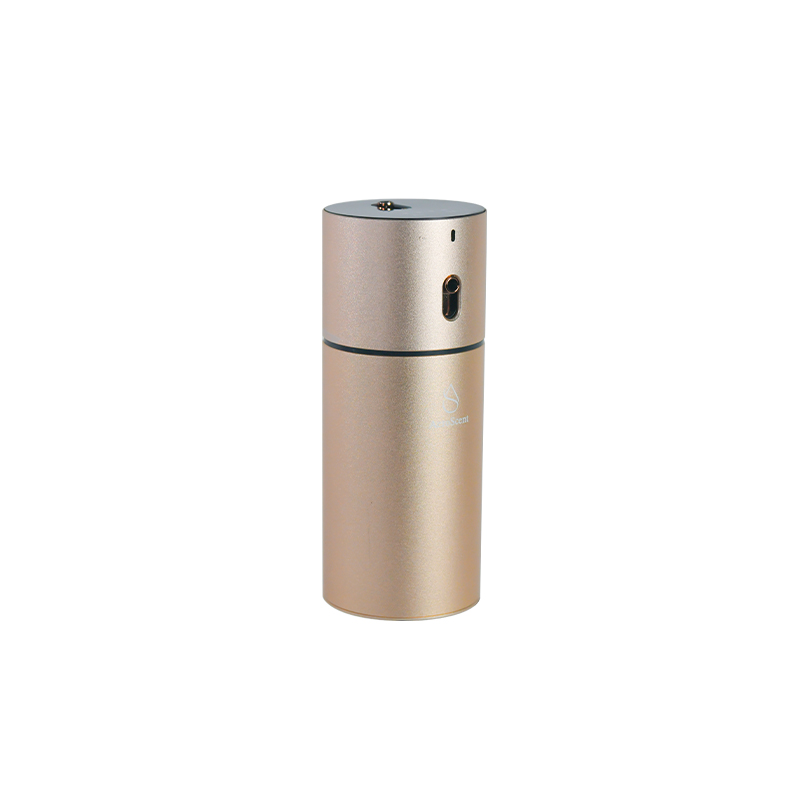
These compact units are battery-operated and highly portable. They utilize on-demand or strict 30-second intermittent streams. This programming conserves battery power and oil in small enclosed spaces like cars or hotel rooms. Their smaller reservoirs require much more frequent refilling. They feature limited interval customization compared to full-sized residential or commercial units. Despite these limitations, they provide excellent targeted scenting for users on the move.
Evaporation and heat dissemination are two of the four primary diffusion methods. However, these legacy technologies are generally excluded from modern intermittent standards. They lack precise mechanical start and stop capabilities. When an evaporative fan turns off, the saturated pad continues to off-gas scent into the room. Heat also alters the delicate chemical profile of the essential oil, degrading its therapeutic value. Modern ambient scenting relies entirely on cold-air atomization for safety, efficiency, and chemical preservation.
| Technology Type | Intermittent Precision | Maintenance Level | Output Purity |
|---|---|---|---|
| Ultrasonic | High (Electronic Relay) | Medium (Water changes) | Diluted with Water |
| Nebulizing | Very High (Mechanical Pump) | High (Solvent cleaning) | 100% Pure Oil |
| Portable | Medium (Pre-set Timers) | Low (Wipe down) | Varies by Model |
| Heat / Evaporative | Low (Residual Off-gassing) | Low (Pad replacement) | Altered / Degraded |
Buyers often confuse mist intensity with true intermittent modes. Intensity settings control the output volume, running continuously on high or low by adjusting the fan speed or pump pressure. True intermittent modes completely pause the misting mechanism based on time. Basic models offer fixed 30-second or 1-hour intervals. Advanced Bluetooth-enabled units allow exact minute-by-minute scheduling. You program specific active days, hours, and precise rest periods alongside intensity control. This level of customization ensures the scent profile matches your exact spatial needs and daily routine.
Intermittent settings dramatically stretch the operational time of any device. A standard 100ml tank running continuously on high mode depletes in roughly five to six hours. Using an intermittent setting scales that run time to ten hours or more. You refill the tank less frequently, reducing daily maintenance. This efficiency maximizes the utility of smaller reservoirs in compact, design-focused devices. It allows sleek units to perform like much larger machines.
You calculate the true run time of an intermittent device using a straightforward formula based on its duty cycle:
Constant power cycling demands high-quality internal hardware. Low-quality components degrade quickly under the stress of frequent on and off switching. Evaluate the warranty terms regarding the air pump or ultrasonic disc before purchasing. Reliable output consistency requires durable timing relays and robust transducers. Look for devices utilizing brushless DC motors in their air pumps, as these handle repetitive start-stop commands without burning out. Investing in solid hardware prevents premature device failure and ensures a steady scent throw over years of use.
Essential oils separate from water during the "off" cycles in ultrasonic models. This separation leaves a corrosive lipid residue on the delicate ultrasonic disc. Over time, this buildup impedes the vibration frequency, weakening the mist output. Empty the reservoir daily to mitigate this risk. Perform a weekly deep clean using isopropyl alcohol or white vinegar. These solvents effectively dissolve stubborn oil deposits and restore optimal performance.
Follow this strict protocol to maintain the hardware and prevent residue-related failures:
Technical failures occasionally interrupt the programmed intermittent cycles. Mineral scale from hard water blocks the internal water level sensor, forcing an auto-shutoff even when the tank is full. The PCB timer malfunctions due to electrical power surges. Nebulizer nozzles frequently clog if thick, resinous oils like vetiver or patchouli are used. If a mist diffuser stops working during its scheduled "on" interval, run a diagnostic check. Inspect the power supply, clean the nozzle thoroughly, and descale the reservoir.
| Symptom | Potential Cause | Corrective Action |
|---|---|---|
| Device powers on but produces no mist | Mineral scale on transducer | Perform vinegar soak and gently scrub the ceramic disc. |
| Mist output is very weak during "on" cycle | Clogged nebulizer nozzle | Flush the glass tube with 99% isopropyl alcohol. |
| Device shuts off prematurely | Dirty water level sensor | Wipe the sensor clean with an alcohol-soaked cotton swab. |
| Timer ignores programmed intervals | PCB logic error | Unplug the device for 60 seconds to perform a hard reset. |
A: It refers to an automated cycle where the device alternates between actively emitting mist and pausing. This is typically programmed in 30-second bursts or multi-minute intervals. The pause allows the room to absorb the scent without oversaturation.
A: Industry standards recommend 30 to 60 minutes of active diffusion followed by an equal or longer resting period. This prevents olfactory fatigue and ensures safe indoor air quality.
A: Yes. By pausing the atomization process, the device consumes significantly less oil over the same period. A bottle that lasts a few days on continuous mode can last weeks on an intermittent setting.
A: It is generally safe if the device has an auto-shutoff feature and is set to a low-frequency intermittent cycle. However, it is better to use a timer that shuts the unit off completely after a few hours to prevent overexposure.
A: The most common causes are a clogged nozzle, mineral scale on the water sensor, or a malfunctioning PCB timer. Deep cleaning the unit with white vinegar or isopropyl alcohol usually resolves the issue.
A: Nebulizers offer more precise control and deliver undiluted scent. They are superior for therapeutic applications and large spaces. Ultrasonic models are better for adding slight humidity alongside a milder scent profile.


