
Views: 0 Author: Site Editor Publish Time: 2026-08-28 Origin: Site


Home fragrance management is shifting from manual devices to integrated smart home ecosystems. Traditional diffusers introduce daily friction. You deal with manual operation, inconsistent scent dispersion, and frequent refilling. They fail to align with daily routines or specific therapeutic needs. You cannot easily program them for sleep hygiene, focus blocks, or stress reduction. Upgrading to an essential oil diffuser smart model solves these core issues. It shifts the user experience entirely. You move from reactive maintenance to proactive environmental control. Automation replaces manual button presses. This guide explores how these connected devices improve daily life. We define the exact criteria for a worthwhile upgrade, focusing on practical implementation and daily usability.
Understanding the upgrade path requires looking at baseline functionality. Traditional models operate on simple mechanics. You press a physical button to start the mist. You press it again to cycle through static LED colors. The device runs continuously until the water tank empties, at which point a basic float sensor cuts the power. This static operation creates severe limitations. You cannot control the exact output volume. You waste expensive oils when you leave the room. The scent often becomes overwhelming within the first hour because the output remains constant regardless of room size or airflow.
A connected device changes this dynamic completely. You replace physical buttons with app-based interfaces and voice commands. Static run-times transform into dynamic scheduling. You can program the device to run only when needed, adjusting the output based on the time of day. This level of control defines the modern aromatherapy experience. The hardware might look similar on the outside, but the internal logic board allows for complex environmental management.
Upgrading makes sense only if it solves specific problems in your daily routine. You must identify your personal friction points. Consider these success criteria before making a change to your home setup:
You should also establish baseline expectations for connectivity. A good device requires a stable network connection. The companion app must be intuitive and responsive. Poor software ruins the hardware experience, causing dropped connections and failed schedules. We will explore these technical realities and network requirements later in this guide.
| Feature Category | Traditional Diffuser | Smart Diffuser |
|---|---|---|
| Operation | Manual button press only | App, voice, and automation triggers |
| Scheduling | Basic countdown timers (1h, 3h, 6h) | Custom daily/weekly calendars |
| Output Control | Static High/Low settings | Granular percentage adjustments |
| Oil Efficiency | Low (runs continuously until empty) | High (interval diffusing saves oil) |
| Alerts | None (simply shuts off) | Push notifications for low water/cleaning |
Basic diffusers offer limited output options. You usually get a high or low setting. This lacks the nuance needed for proper aromatherapy. A smart diffuser provides granular control over the ultrasonic plate. You can adjust the mist output by exact percentages. This precision prevents the scent from overwhelming smaller rooms like bathrooms or home offices. You can set the output to 30% for a subtle background scent or 100% to quickly eliminate cooking odors in a large kitchen.
Interval diffusing is a major advantage for daily users. The human nose experiences olfactory fatigue quickly. You stop noticing a scent after twenty minutes of continuous exposure. Smart controls allow you to set specific intervals. You can program the device to run for ten minutes and pause for twenty. This maximizes the lifespan of your oils. It also ensures you actually smell the fragrance throughout the day. By pulsing the scent into the room, the air remains fresh without becoming heavy or saturated.
Automation removes the burden of daily operation. You can tie an automatic diffuser directly to your habits. Imagine your bedroom environment preparing itself for sleep. The lights dim automatically. The thermostat drops two degrees. Simultaneously, the diffuser begins emitting a calming lavender and cedarwood blend. You do not lift a finger. The environment reacts to the time of day automatically.
You can design specific wellness scenes within your smart home app. Consider a "Work Focus" mode for your home office. You trigger the scene at 9:00 AM. The device diffuses peppermint and rosemary to boost concentration. At 5:00 PM, an "Anxiety Alleviation" routine takes over. The scent switches to chamomile or bergamot to signal the end of the workday. This physical separation of scents helps establish boundaries when working from home.
Advanced users utilize "If This Then That" (IFTTT) protocols. These protocols use environmental triggers to control the device. You can set the unit to activate if a separate room sensor detects humidity dropping below forty percent. You can trigger it when a smart lock registers your arrival. You can even tie it to your phone's alarm clock, ensuring the mist starts exactly when you wake up, regardless of whether you sleep in on weekends.
Consistent diffusion helps maintain optimal indoor environments. Ultrasonic models add necessary moisture to dry air. This minimizes airborne dust and improves overall breathing conditions. Automated scheduling takes this a step further by ensuring the environment is conditioned before you even enter the room.
You can pre-schedule respiratory support during allergy season. Program the device to diffuse eucalyptus or tea tree oil an hour before you wake up. This clears your airways automatically. You start the day feeling refreshed rather than congested. You never have to remember to turn the device on while groggy. The smart schedule handles the therapeutic delivery.
Smart scheduling also facilitates continuous emotional well-being. Stress reduction requires a consistent environment. Automated intervals ensure a tranquil atmosphere remains constant. You avoid the sudden drop-off in scent that happens when a manual diffuser runs dry unexpectedly. By maintaining a steady baseline of calming aromas, you create a more stable home environment.
Remote access changes how you interact with your home environment. You can control a wifi aroma diffuser from anywhere. You might be stuck in traffic after a long day. You open the app on your phone. You activate the device in your living room. You arrive home to a welcoming, stress-free environment. This remote capability extends to checking the status of the device while on vacation, ensuring it is powered down.
Real-time status notifications offer immense practical value. The app alerts you when the water level is low. You never run the device dry. You receive reminders when it is time to clean the ultrasonic plate. These notifications protect the hardware and ensure consistent air quality. Without these alerts, users often forget to maintain their devices, leading to degraded performance and eventual motor failure.
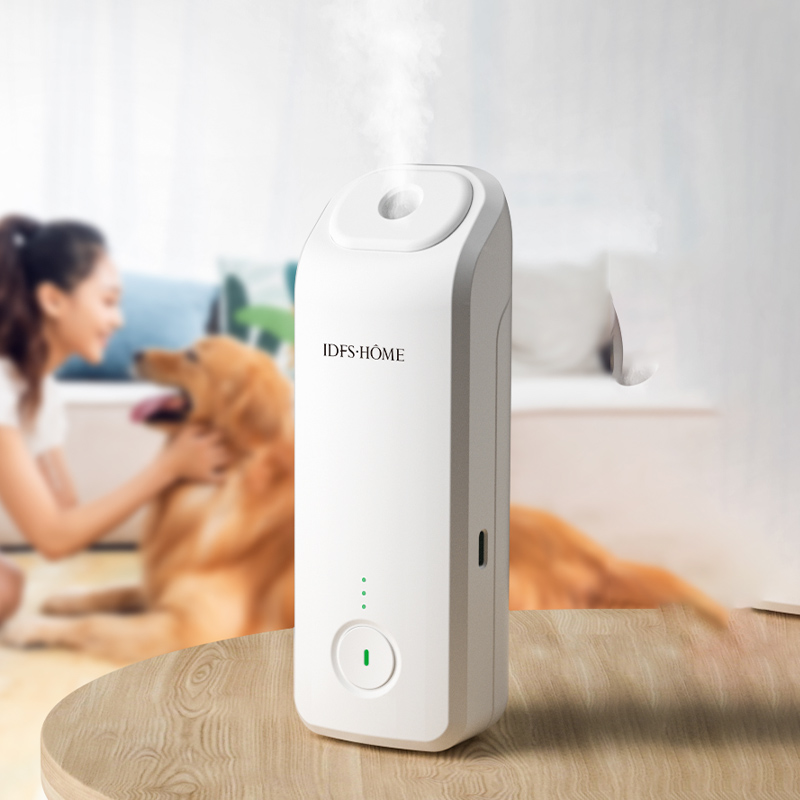
Voice control provides ultimate convenience. You can adjust settings without finding your phone. You can simply say, "Turn on the living room diffuser," while carrying groceries. However, ecosystem compatibility dictates this experience. You must verify integration with your preferred assistant. Alexa, Google Home, and Apple HomeKit handle devices differently, and not all diffusers support all three platforms.
Native integration is non-negotiable for a smooth experience. A device with native HomeKit support responds instantly to Siri commands. It appears directly in your Apple Home app alongside your lights and locks. Clunky third-party workarounds cause frustration. They often require you to use specific phrasing like, "Ask [App Name] to turn on the diffuser." They might drop off the network frequently. Always prioritize devices that officially support your chosen smart home platform out of the box.
You must choose between two primary diffusion technologies. Each offers distinct advantages for different use cases. Ultrasonic models use water and high-frequency vibrations to create a fine mist. Nebulizing models use pressurized air to atomize pure essential oils directly from the bottle.
Ultrasonic devices add humidity to the room. They operate quietly, making them perfect for bedrooms and nurseries. They dilute the oil, which is safer for continuous use around sensitive individuals. Nebulizing devices deliver a highly concentrated scent. They do not use water, meaning no humidity is added. They cover much larger square footage, making them ideal for open-concept living spaces. However, they consume oil faster and produce a slight humming noise from the air pump.
| Feature | Ultrasonic Smart Diffuser | Nebulizing Smart Diffuser |
|---|---|---|
| Operation Method | Water and ultrasonic vibrations | Pressurized air (waterless) |
| Scent Intensity | Moderate (diluted with water) | Very High (pure oil) |
| Noise Level | Whisper quiet | Noticeable hum from air pump |
| Room Size | Small to medium (bedrooms, offices) | Large (open living spaces, lobbies) |
| Maintenance | Requires frequent water tank cleaning | Requires nozzle cleaning with alcohol |
| Humidity Added | Yes | No |
Tank size dictates the true autonomy of your device. A small 150ml tank requires daily refilling. This defeats the purpose of automation. If you have to manually add water every morning, the smart scheduling features lose their value. A larger 500ml or 1000ml tank offers true set-and-forget functionality, allowing the device to run scheduled intervals for several days before requiring attention.
You must balance design with practicality. Sleek, compact devices look great on a nightstand. However, they demand frequent manual intervention. Larger tanks might look bulkier, but they run for days on interval settings. Choose a capacity that aligns with your tolerance for manual refilling. For a living room, prioritize a large tank. For a small office desk, a compact model might suffice.
Technical hurdles can ruin the user experience. Network connectivity is the most common failure point during installation. Most IoT devices require a 2.4GHz Wi-Fi network. Modern mesh routers often combine 2.4GHz and 5GHz bands into a single network name (SSID) using band steering. This causes setup failures because the diffuser's Wi-Fi chip cannot negotiate the connection properly.
You must ensure your phone is connected to the 2.4GHz band during initial setup. You may need to access your router settings to temporarily disable the 5GHz band or create a dedicated 2.4GHz guest network for your smart home devices. Once configured, the device will remain stable. You should also evaluate the companion app before purchasing. Read recent user reviews on the App Store. Poorly maintained proprietary apps crash frequently. Look for devices adopting standardized smart home protocols like Matter. These ensure long-term reliability regardless of the manufacturer's app updates.
A smart device is not a self-cleaning device. Physical maintenance remains your responsibility. Neglecting this duty leads to hardware failure and health risks. Stagnant water breeds mold and bacteria. Mineral deposits from tap water calcify on the ultrasonic plate, reducing mist output and eventually burning out the motor.
You must clean the water tank weekly. Unplug the unit, empty any remaining water, and wipe the interior with a damp microfiber cloth. Run a cycle with water and a tablespoon of white vinegar monthly to descale the internal components. Use a cotton swab dipped in vinegar to gently clean the ceramic ultrasonic disk at the bottom of the tank. For nebulizing models, you must clean the glass nozzle with rubbing alcohol to prevent thick essential oils from clogging the micro-tubes. Failure to maintain the unit degrades air quality and negates all therapeutic benefits.
You must consider what goes into the device. Some brands force you into proprietary "pod" systems. These limit your choices and increase long-term costs. Open-system diffusers accept any pure essential oil. This gives you freedom to source high-quality, organic oils independently from local suppliers or specialized apothecaries.
Safety is paramount when automating scent dispersion. Certain essential oils are toxic to pets. Peppermint, tea tree, and wintergreen oil can harm dogs. Eucalyptus, citrus, and ylang-ylang oils are dangerous for cats. Smart scheduling helps mitigate these risks. You can program the device to run only when pets are secured in another room or when you are actively monitoring the space. Always research oil safety if you have small children or animals in the house. Ensure the room has adequate ventilation when running strong concentrations.
Smart models cost more upfront than basic manual units. You are paying for Wi-Fi chips, app development, and better internal components. A standard manual diffuser might cost twenty dollars, while a smart model can exceed sixty dollars. However, this initial investment often pays for itself over time through resource management.
High-quality essential oils are expensive. Manual diffusers waste these oils by running continuously in empty rooms. A connected device uses oil efficiently. Interval diffusing and occupancy-based automation ensure you only use what you need. If the device only runs when you are home and pulses the scent rather than dumping it continuously, a single bottle of oil lasts significantly longer. The long-term savings on oil replacements offset the higher hardware price.
Avoid devices that trap you in a closed ecosystem. Some manufacturers sell the hardware cheaply but require expensive, proprietary scent cartridges. This razor-and-blades model drains your wallet over time. You lose the ability to shop around for better oil prices or experiment with different brands.
Choose open systems that allow bulk, third-party oil purchases. You maintain control over your ongoing expenses. You also retain the ability to mix custom blends directly in the water tank. An open system provides a better return on investment and a superior user experience, giving you total control over your home fragrance strategy.
Upgrading to a connected aromatherapy device offers a measurable return on investment. It benefits heavy daily users and smart-home enthusiasts alike. It provides immense value for anyone utilizing oils for sleep, focus, or respiratory routines. The shift from manual operation to automated environmental control removes daily friction. You gain precise scent management and seamless ecosystem integration.
A: Most models require Wi-Fi for remote app control and voice commands. However, if your internet goes down, previously saved schedules usually continue to run locally on the device's internal memory. You can also operate the device manually using physical buttons on the unit during an outage.
A: No. The vast majority of smart home devices require a 2.4GHz Wi-Fi network. The 2.4GHz band provides better range and penetrates walls more effectively than 5GHz. You may need to temporarily disable your 5GHz band or create a dedicated 2.4GHz guest network during initial setup.
A: Yes. Quality models feature automatic shut-off sensors. The device powers down immediately when the water level drops too low, preventing motor damage. Using interval settings overnight also prevents the scent from becoming overwhelming while you sleep.
A: Yes. Automated scheduling ensures consistent delivery of therapeutic oils. You can program eucalyptus to run before waking up to support breathing. You can schedule lavender to diffuse every evening to promote stress reduction without manual effort.
A: Initially, you must use the manufacturer's proprietary app for setup and firmware updates. Once connected, you can link the device to Google Home, Amazon Alexa, or Apple HomeKit. This allows you to control it via your preferred central smart home interface.
A: You should wipe out the water tank weekly to prevent bacterial growth. Perform a deep clean monthly using a water and white vinegar solution. This removes mineral buildup from the ultrasonic plate and ensures optimal mist output.
A: Yes. Built-in ultrasonic water sensors or physical float switches detect when the tank is empty. The device will automatically shut off the misting function to prevent motor damage. Many models will also send a push notification to your phone alerting you to refill the tank.


