
Views: 0 Author: Site Editor Publish Time: 2026-08-29 Origin: Site


Many users believe running an aromatherapy device continuously delivers the best therapeutic results. This misconception leads directly to wasted extracts and potential respiratory sensitization. Frequent users quickly face diminishing returns when operating devices without strategic pauses. You battle olfactory fatigue, watch premium liquids deplete rapidly, and consume unnecessary energy. Pumping constant mist into a closed room does not linearly increase the ambient benefits. Instead, it oversaturates the environment and strains the hardware.
Controlling diffusion cycles offers significant mechanical and biological advantages. Implementing structured pauses allows the human nervous system to reset while preventing indoor air quality degradation. Upgrading to an essential oil diffuser with intermittent timer is a necessary mechanical upgrade for optimizing therapeutic efficacy, safety, and resource efficiency. By automating dispersal intervals, users achieve a consistent ambient experience without the negative side effects of overexposure.
Defining efficiency in aromatherapy requires looking beyond simple output volume. True efficiency means maximizing biological absorption, air purification, and scent throw while actively minimizing waste and hardware strain. A device that empties its tank in two hours but leaves the room overwhelmingly pungent operates poorly. Optimal operation maintains a subtle, consistent aroma profile that the human nose detects over long periods without triggering sensory overload.
Olfactory fatigue acts as a hardwired neurological safeguard. When exposed to a continuous stimulus, the receptors in your nasal cavity stop sending signals to the brain. This receptor saturation typically occurs within 15 to 30 minutes of continuous exposure to a specific scent profile. Your nervous system filters out the aroma to remain alert to new environmental changes. Continuous diffusion wastes liquid because you can no longer detect the aroma in the room. Users often add more drops to the water tank, assuming the scent has faded. This action only exacerbates the oversaturation problem and wastes expensive botanical extracts.
To bypass this biological limitation, you must introduce resting phases. When the device shuts off, the ambient scent concentration drops slightly, allowing the olfactory receptors to clear. When the timer triggers the next active cycle, the fresh burst of aroma registers immediately. This cyclical approach maximizes the psychological and physiological benefits of the botanical extracts without requiring higher concentrations in the reservoir.
Industry-standard safety guidelines strongly recommend 30 to 60-minute diffusion intervals. Dispersing botanical extracts introduces antimicrobial properties into the environment, which can improve indoor air quality. However, these extracts consist entirely of Volatile Organic Compounds (VOCs). While naturally derived, excessive accumulation of any VOC degrades indoor air quality. Intermittent operation maintains a steady, safe concentration of these compounds. It provides the ambient benefits without crossing the threshold into VOC toxicity.
The physical risks of continuous diffusion are well-documented in indoor air quality assessments. Running a device without pauses leads to rapid VOC accumulation. In poorly ventilated spaces, this triggers respiratory irritation, coughing, or tension headaches. Vulnerable populations, including children and pets, possess lower tolerance thresholds for airborne particulates. Structured intervals mitigate these risks entirely by allowing the room's natural ventilation to clear excess compounds before the next cycle begins.
Furthermore, ultrasonic devices generate measurable particulate matter. If you use standard tap water instead of distilled water, the ultrasonic transducer shatters the dissolved minerals (calcium, magnesium) into microscopic dust. Continuous operation pumps this mineral dust into the air, which can trigger HEPA air purifiers and irritate lungs. Intermittent cycling reduces the total volume of aerosolized minerals released per hour.
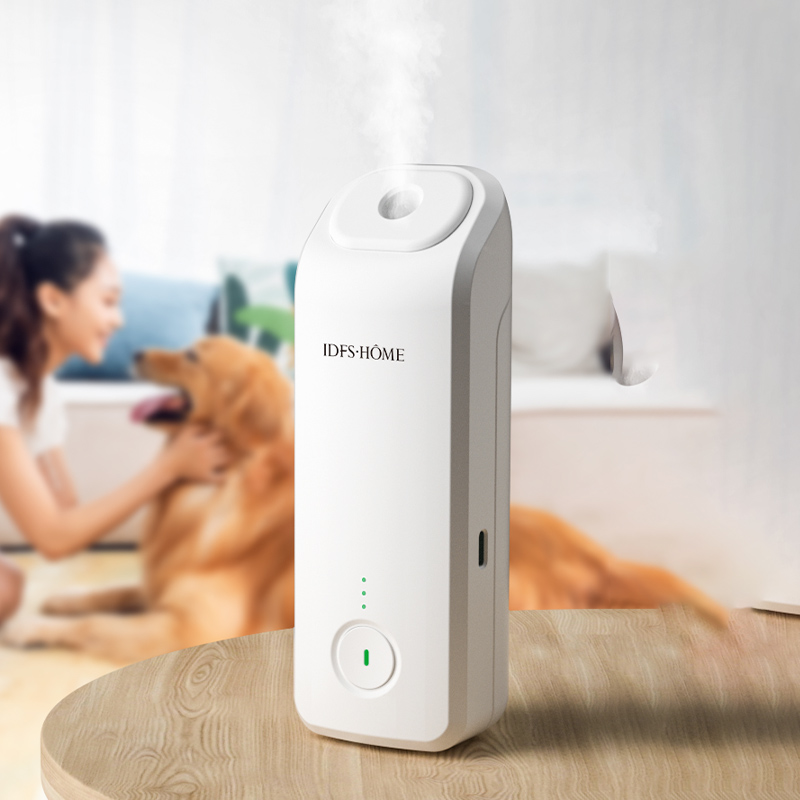
Upgrading to a timer diffuser fundamentally changes how you consume botanical extracts. The mechanical control over output translates directly into tangible resource conservation. You stretch the lifespan of your liquids and protect the internal components of the device from premature failure caused by thermal stress.
Analyzing the consumption rate reveals a stark contrast between operating modes. In continuous mode, a standard 200ml ultrasonic reservoir depletes in roughly 3 to 6 hours depending on the ambient humidity and the device's mist output rating. If you run the device throughout a standard workday, you must refill the tank and add more drops at least once. By switching to an intermittent mode, you stretch that exact same volume of water and extract to 8 to 12 hours. The device covers your entire shift or sleep cycle on a single fill.
This extension drastically reduces the volume of liquid required per day. You can calculate the exact conservation metrics based on standard bottle sizes:
Efficiency also applies to the electrical and mechanical demands placed on the hardware. Continuous operation draws constant power and generates sustained internal heat. While aromatherapy devices operate on low voltage (typically 24V DC), the continuous thermal load degrades components over time. Resting phases prevent the overheating of internal mechanisms.
The piezoelectric transducer in an ultrasonic unit vibrates at 2.4 million times per second (2.4 MHz). This intense friction generates heat. If run continuously, the water in the reservoir warms up, which can alter the chemical profile of the botanical extracts. Intermittent cycling allows the ceramic disc and the surrounding water to cool. Most ceramic transducers carry a lifespan rating of 3,000 to 5,000 hours. Running the unit continuously burns through this lifespan twice as fast as running it on a 50% duty cycle.
This thermal management applies to other technologies as well. Active fan blades in evaporative models accumulate dust faster and wear out their bearings under continuous strain. High-powered nebulizing pumps generate friction within the air compressor. Intermittent cycling allows the pump housing to cool, preventing premature motor burnout and maintaining the integrity of the pressurized airflow.
Not all diffusion mechanisms interact with timers in the same way. The underlying technology dictates how effectively the device utilizes intermittent scheduling. Understanding these mechanical differences ensures you select a unit that aligns with your specific spatial and therapeutic requirements.
| Technology Type | Primary Mechanism | Impact of Intermittent Timer | Ideal Use Case |
|---|---|---|---|
| Ultrasonic | Piezoelectric vibrations (2.4 MHz) create mist. | Prevents excessive room humidity; stretches tank life; prevents water heating. | Bedrooms, long-duration ambient scenting, dry climates. |
| Nebulizing | Pressurized air atomizes pure extract via Bernoulli's principle. | Mandatory for preventing rapid waste and severe olfactory oversaturation. | Large open spaces, clinical therapeutic delivery, HVAC integration. |
| Evaporative | Internal fans blow air across a saturated pad or filter. | Controls fan cycles for metered, steady scent release without drying the pad. | Targeted personal spaces, office desks, vehicles. |
| Heat Dissemination | PTC thermistors provide gentle warming for evaporation. | Prevents scorching and degradation of delicate chemical compounds. | Small rooms, thick resinous extracts (myrrh, vetiver). |
Ultrasonic models dominate the market due to their simplicity and low manufacturing costs. They use a small ceramic disc that vibrates at ultrasonic frequencies to agitate water and extract into a fine mist. The timer impact here is twofold. First, it prevents excessive indoor humidity buildup. Pumping continuous water vapor into a closed bedroom raises the relative humidity, which can encourage mold growth on windowsills and drywall. Second, it stretches a standard 100ml to 300ml tank across a full workday or sleep cycle. The trade-off is that ultrasonic technology inherently dilutes the botanical extract with water, and the tank requires regular cleaning to prevent bacterial growth during the off-cycles.
Nebulizing technology relies on fluid dynamics. A motorized air compressor forces pressurized air through a small glass capillary tube, creating a vacuum that pulls pure extract to the surface where it atomizes into micro-particles. Because they do not use water, the scent throw is incredibly potent and covers large square footage rapidly. For nebulizers, a timer is absolutely critical. They consume liquid rapidly. An intermittent timer set to micro-cycles (e.g., 2 minutes on, 10 minutes off) is mandatory to prevent massive waste and an overwhelming scent concentration. Without a timer, a nebulizer can empty a 10ml bottle in a matter of hours.
Evaporative units use internal fan blades to actively circulate air across a saturated pad or filter. This accelerates the natural evaporation process. Timers in these units control the active fan cycles. Instead of an initial overwhelming burst of scent that quickly fades as the pad dries out, the timer ensures a steady, metered release. By cycling the fan on and off, the device maintains a consistent ambient aroma and extends the lifespan of the saturated pad.
Heat disseminators use Positive Temperature Coefficient (PTC) heating elements to promote evaporation. While less common to have built-in digital timers, utilizing external smart plugs or integrated auto-off features is highly beneficial. Prolonged heat exposure damages the delicate chemical constituents of botanical extracts, altering their therapeutic properties and creating a burnt odor. Timed intervals protect the integrity of the liquid and prevent the heating element from failing prematurely.
When selecting an automatic diffuser, the specific features dictate the level of control you have over the environment. You must look beyond basic aesthetics and evaluate the internal logic board, the sensor array, and the timer granularity.
The granularity of the settings determines how precisely you can manage the output. Basic models offer macro-timers, such as 1-hour, 3-hour, or 6-hour continuous runs before an auto-off trigger. While helpful for safety, this does not prevent olfactory fatigue. True efficiency requires micro-cycling capabilities managed by the internal microcontroller (MCU). Look for devices that allow intervals like 30 seconds on and 30 seconds off, or 5 minutes on and 10 minutes off.
You must match this timer granularity to your room size and ventilation rates. A small, sealed room requires longer off-cycles to allow the scent to dissipate naturally. A large, drafty living room or a space with high HVAC air exchange rates benefits from shorter resting periods to maintain the ambient aroma.
Hardware protection relies on reliable automatic shut-off mechanics. In ultrasonic models, assess the water-level sensors. Capacitive sensors detect when the water drops below a critical threshold and immediately cut power to the ultrasonic piezoelectric disc. This prevents dry-burn damage. If the ceramic disc operates without water, it overheats and shatters, rendering the unit useless. Avoid models with exposed metal conductive probes, as the botanical extracts and water minerals will corrode the metal over time, causing the sensor to fail. Reliable shut-off mechanics ensure the device fails safely.
Integrating a smart diffuser takes automation a step further. These devices feature app-controlled scheduling via Wi-Fi or Bluetooth protocols. Users can align diffusion cycles with specific daily routines without manual intervention. You can program the device to run intermittently for an hour before you wake up, remain off during the day, and cycle back on right before you return from work.
Evaluate the scalability of these smart ecosystems. Voice control integration offers hands-free adjustments. However, you must weigh this connectivity against the reliability of tactile, onboard hardware timers. Physical buttons and internal logic boards never drop offline, never require firmware updates, and function perfectly during internet outages.
While intermittent cycling maximizes efficiency, it introduces specific maintenance variables. Pausing the diffusion process means water and botanical extracts sit stagnant inside the reservoir or micro-tubes. Understanding these risks ensures the hardware remains functional and sanitary over the long term.
The primary risk of intermittent resting periods in ultrasonic devices is residue buildup. When the water sits stagnant, the lipid-soluble compounds separate and cling to the plastic walls and the ceramic transducer. Over time, this accelerates biofilm formation. Bacteria like Pseudomonas aeruginosa thrive in stagnant, room-temperature water. Additionally, the residue hardens, blocking the ultrasonic vibrations and drastically reducing the mist output. In nebulizing models, stagnant pure extract can oxidize and clog the delicate glass micro-tubes during long off-cycles, especially if you use thick, resinous extracts like vetiver or patchouli.
To counteract these risks, you must establish a strict cleaning protocol. Regular maintenance preserves the efficiency of the internal components and ensures the mist remains sanitary.
Evaluate the maintenance time required for complex models. Devices with intricate internal baffling or fragile glass components demand more careful, time-consuming cleaning routines than simple, wide-mouth ultrasonic tanks. Factor this physical labor into your purchasing decision.
Take the following steps to optimize your current setup and maximize the efficiency of your aromatherapy hardware:
A: Clinical guidelines recommend diffusing for 30 to 60 minutes, followed by an equal off-period. This intermittent schedule prevents olfactory fatigue, mitigates the risk of respiratory irritation, and stops the over-accumulation of volatile organic compounds in enclosed indoor spaces.
A: Yes. By cycling the device on and off, you stretch the lifespan of a single reservoir fill from 3 hours to up to 12 hours. This drastically reduces the daily volume of drops required to maintain an ambient scent, preserving your supply and reducing replacement frequency.
A: Yes, provided the device has an intermittent timer and a low-water auto shut-off feature. Setting the unit to cycle on and off throughout the night ensures safe exposure levels while you sleep, and the shut-off sensor prevents the motor from dry-burning once the tank empties.
A: An auto shut-off feature simply cuts power when the water level drops too low or after a set macro-duration. A timer diffuser actively cycles the misting function on and off while the tank still contains liquid, managing the ambient scent concentration actively.
A: Nebulizers atomize pure, undiluted extracts without water. Because the output is highly concentrated, continuous operation will rapidly deplete expensive liquids and quickly oversaturate the room air. Micro-timers are mandatory to control this intense output and prevent waste.
A: The human nervous system stops registering continuous scents after 15 to 30 minutes to remain alert to new stimuli. Intermittent diffusion provides resting phases that allow your olfactory receptors to clear. When the scent returns, your brain registers it as fresh.


