
Views: 0 Author: Site Editor Publish Time: 2026-08-10 Origin: Site


Facility managers and workspace planners constantly look for ways to optimize office environments. Beyond ergonomic chairs and proper lighting, scent plays a massive role in how a workspace functions. Offices often deal with stale air, shifting humidity levels, and high-stress atmospheres that kill focus and productivity. Bringing scents into a shared floor plan comes with real risks, including employee allergies, human resources complaints, and hardware maintenance headaches. This guide breaks down the measurable impacts of an office essential oil diffuser. We look at different hardware categories for various room sizes and provide a clear framework for setting up scent technology. You will learn how to match diffusion mechanisms to your square footage and establish technical protocols that maximize benefits while respecting shared-air boundaries.
The olfactory bulb has a direct neural link to the brain's limbic system, which governs emotion and memory. Introducing specific botanical profiles into a workspace yields measurable improvements in sustained attention and mental clarity. Peppermint and eucalyptus are widely recognized for their stimulating properties. They help reduce mental fatigue during long deep-work blocks by triggering the reticular activating system, which controls wakefulness. Rosemary improves memory retention, while lemon and sweet orange reduce typing errors and elevate alertness. When deployed correctly, these scents act as invisible productivity tools. They subtly keep teams engaged without the crash associated with excessive caffeine consumption. You can strategically time these scents for the mid-afternoon slump to maintain steady output across the floor.
High-pressure corporate environments and isolated home offices generate elevated cortisol levels. Introducing familiar, calming aromas serves as a passive environmental intervention to lower perceived stress. Lavender, bergamot, and ylang-ylang contain compounds like linalool. Research shows linalool modulates the nervous system and promotes physical relaxation without causing drowsiness. In a fast-paced office, a subtle background scent of chamomile or cedarwood grounds the atmosphere. It prevents the collective mood from spiraling during tight deadlines or intense client negotiations. This psychological comfort translates directly to better employee retention and a more collaborative daily environment. Workers feel more at ease in a space that smells intentional and cared for.
Scent branding is no longer reserved for luxury retail and hospitality. Workspaces increasingly utilize complex, premium oil blends to create a luxury hotel atmosphere. This strategy elevates the perceived value of the workspace for both daily employees and visiting clients. A signature scent in a reception area communicates cleanliness, attention to detail, and professional sophistication before a single word is spoken. Blends featuring sandalwood, vetiver, and white tea create an upscale, welcoming environment. They distinguish a standard office from a thoughtfully curated corporate headquarters. When clients walk through the doors, the immediate olfactory impression sets the tone for the entire meeting.
You must understand the functional limits of scent technology. An ultrasonic diffuser adds a minor amount of humidity to the air, but it is only effective for localized relief against dry, air-conditioned environments. A standard unit might output 30 to 50 milliliters of water per hour. This volume will not replace a dedicated room humidifier or alter the ambient humidity of a 1,000-square-foot room. Furthermore, while certain essential oils like tea tree and clove possess natural antimicrobial properties in their liquid state, diffusing them does not sterilize room air. Exaggerated claims suggesting that diffusers replace dedicated HEPA air purifiers are scientifically unfounded. Diffusers function strictly as environmental enhancers, not medical-grade air sanitation devices.
| Botanical Profile | Primary Active Compounds | Cognitive & Environmental Impact | Ideal Office Zone |
|---|---|---|---|
| Peppermint & Eucalyptus | Menthol, Eucalyptol | Stimulates alertness, clears respiratory passages, combats afternoon fatigue. | High-focus work areas, developer bullpens. |
| Lavender & Bergamot | Linalool, Linalyl Acetate | Lowers heart rate, reduces perceived stress, mitigates anxiety. | Break rooms, high-stress call centers. |
| Rosemary & Lemon | 1,8-Cineole, Limonene | Improves memory retention, reduces clerical errors, brightens mood. | Training rooms, data entry departments. |
| Sandalwood & White Tea | Santalol, Antioxidants | Creates a sophisticated, grounding, and luxurious atmosphere. | Executive suites, client reception lobbies. |
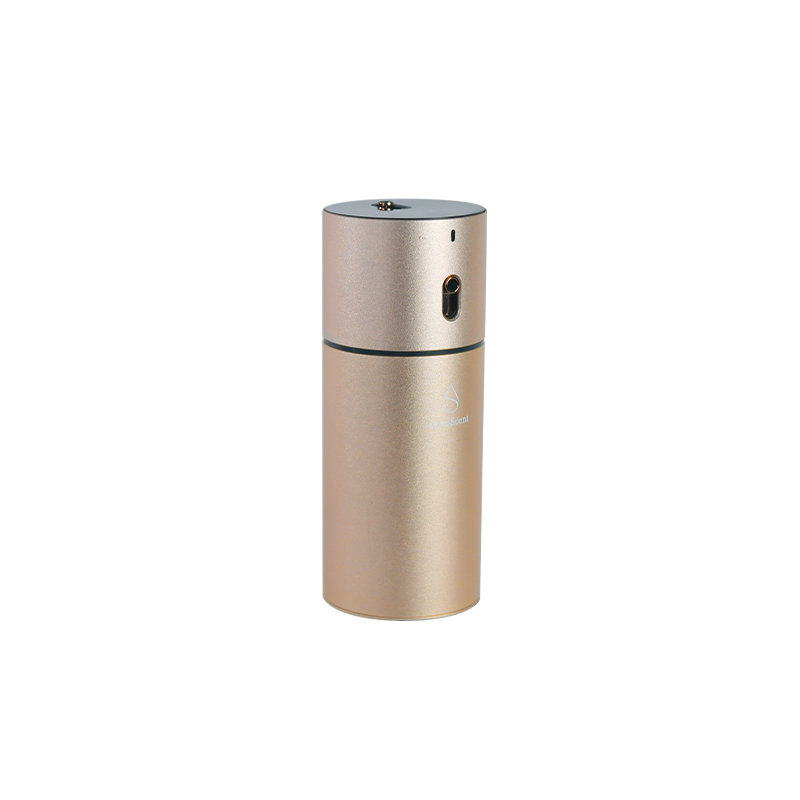
For localized scenting, a desk diffuser is the most practical entry point. These units typically rely on ultrasonic technology. They use a piezoelectric ceramic plate vibrating at ultrasonic frequencies (often 2.4 MHz) to agitate a mixture of water and essential oil into a fine, cool mist. Alternatively, evaporative models use a small internal fan to blow air across an oil-soaked pad, releasing the volatile compounds into the immediate vicinity.
When scenting large, open-plan spaces, ultrasonic models fail completely. A commercial diffuser utilizes cold-air nebulizing technology. This process forces pressurized air through a small tube of pure essential oil, utilizing the Venturi effect to break the liquid down into dry nanoparticles. Because no water or heat is involved, the chemical integrity of the oil remains perfectly intact, and the particles are light enough to stay suspended in the air for hours.
| Feature | Personal Desk Diffuser | Commercial Nebulizing Diffuser |
|---|---|---|
| Primary Mechanism | Ultrasonic vibration with water | Cold-air pressurization (waterless) |
| Coverage Area | 100 - 300 sq. ft. | 1,000 - 5,000+ sq. ft. |
| Maintenance Frequency | Daily (refilling and wiping) | Monthly (replacing oil bottles) |
| Residue Risk | High (water condensation on tech) | None (dry nanoparticles) |
| Ideal Environment | Private offices, home desks | Lobbies, open-plan floors, HVAC |
Calculating the necessary square footage capacity is the first step in hardware selection. Manufacturers list maximum coverage areas, but these figures assume optimal airflow, standard eight-foot ceilings, and open floor plans. If your office has high ceilings or heavy compartmentalization, you must calculate the cubic footage instead. Always select a unit with a capacity slightly larger than your actual room size. This ensures the motor does not have to run constantly at maximum output, which burns out the compressor prematurely. Prioritize devices with variable intensity settings. Dialing down the output prevents olfactory fatigue—a phenomenon where the nose becomes blind to a scent—and avoids overwhelming smaller spaces.
Establishing proper dosage and concentration limits separates a professional environment from an overpowering one. Continuous diffusion is highly ineffective. It wastes expensive oil and quickly leads to sensory adaptation, rendering the scent unnoticeable to employees while still loading the air with volatile organic compounds. Utilize interval timers to maximize benefits. A standard technical protocol for office environments is 30 minutes of active diffusion followed by 60 minutes of rest. This intermittent approach keeps the scent fresh to the human brain, extends the lifespan of the oil supply, and minimizes the total volume of particles introduced into the HVAC system.
The acoustic footprint of a device frequently disrupts a quiet workspace if ignored during the purchasing phase. Evaluate the decibel (dB) output of different models before deployment. A noisy air compressor in a nebulizing unit or a loud, continuous water-trickle sound in an ultrasonic model easily negates the productivity benefits of the scent itself. For desk use, look for ultrasonic models rated under 30 dB. For larger nebulizing units, ensure they feature sound-dampening enclosures. If you use a heavy-duty commercial unit, install it inside a utility closet or server room where its operational hum will not distract employees during focused work.
Assess the labor required to maintain the hardware to ensure the scenting program remains viable long-term. Water-based ultrasonic models demand daily attention. You must empty them, wipe them dry, and refill them with fresh water to prevent the buildup of mineral scale and bacterial biofilm in the reservoir. Neglecting this leads to the aerosolization of mold spores. Waterless nebulizing units offer superior operational scalability. They draw directly from large aluminum or glass bottles of pure oil, requiring replenishment only once every 30 to 60 days. Maintenance for nebulizers involves running a small amount of isopropyl alcohol through the system quarterly to clear the micro-tubes of sticky resin.
Essential oils are highly concentrated plant extracts that act as powerful natural solvents. Citrus oils, such as lemon and grapefruit, contain high levels of limonene, which rapidly degrades and melts cheap plastics like polystyrene. When evaluating hardware, inspect the material of the reservoir and internal components. High-quality units utilize medical-grade polypropylene (PP), tempered glass, or anodized aluminum. Investing in robust build quality ensures the device will not leak, crack, or leach plastic chemicals into the air over years of continuous operation. Never compromise on the internal tubing material for commercial units.
Introducing scents into open-plan offices is a common source of workplace friction. Scent is highly subjective. An aroma that one employee finds relaxing triggers a migraine or nausea in another. Real-world etiquette conflicts frequently arise when individuals deploy unapproved devices at their workstations, forcing their immediate neighbors to inhale unwanted fragrances. Unilateral scenting—where one person dictates the olfactory environment for a shared space—almost always fails and leads to formal HR complaints. Respecting the shared air boundary is the foundation of any successful deployment. You cannot force an entire floor to smell like patchouli just because one manager prefers it.
Before introducing any botanical extracts into the HVAC system or open floor plan, you must account for respiratory sensitivities. Implement a framework for surveying employees anonymously prior to implementation. Ask specifically about asthma, migraines, and known botanical allergies. Once you collect the data, identify hypoallergenic oil blends that avoid common triggers like heavy florals or strong spices. Establish strict scent-free zones within the building. Designate specific meeting rooms or quiet zones where no diffusers operate. This ensures that sensitive staff always have a comfortable, neutral environment available to them if they experience a reaction.
To maintain order and safety, management must establish a formal policy regarding the use of any office scent diffuser. Best practices include creating opt-in protocols for smaller shared spaces and standardizing a pre-approved list of pure essential oil blends. This prevents employees from bringing in cheap, unregulated synthetic fragrances from home. Synthetic plug-ins and cheap oils are notorious for containing phthalates and headache-inducing chemicals. The policy must mandate the use of timer functions for intermittent diffusion and explicitly ban the continuous running of any scent device during operating hours. Put these rules in the employee handbook.
Implementing scent technology is a highly effective strategy for improving workspace ambiance, combating dry air, and boosting perceived well-being. Success dictates that the hardware must perfectly match the spatial requirements and respect the boundaries of shared air. By moving away from continuous diffusion and embracing interval timing, workspaces reap the cognitive benefits of botanical extracts without overwhelming the environment.
To move forward with optimizing your workspace environment, execute the following steps:
A: Yes, they are safe when managed correctly. You must use pure essential oils instead of synthetic fragrances and stick to strict intermittent diffusion schedules. Always survey your employees for asthma or allergies before introducing any scent. Maintain well-ventilated spaces to stop volatile organic compounds from building up and causing headaches.
A: A standard humidifier is designed to significantly increase room moisture levels, often holding gallons of water. An ultrasonic scent diffuser holds a very small amount of water strictly as a carrier to disperse essential oils. While it emits a light mist, it will not effectively raise the overall humidity of a large office.
A: For cognitive performance, blends containing peppermint, rosemary, and eucalyptus are highly effective at stimulating alertness and reducing mental fatigue. Citrus oils like lemon and sweet orange are excellent for elevating mood and maintaining sustained attention during long periods of deep work.
A: To achieve a luxury ambiance, avoid single-note oils. Use complex blends featuring base notes of sandalwood, cedar, or vetiver, combined with mid-notes of white tea or fig. Deploying these blends through a waterless cold-air nebulizer ensures the scent remains crisp, consistent, and evenly distributed across the lobby.
A: No. While some essential oils have natural antimicrobial properties in their liquid state, diffusing them into the air does not sterilize a room or kill airborne viruses. Diffusers provide psychological comfort, cognitive support, and ambiance. They do not replace proper ventilation or HEPA air purifiers.
A: Management requires strict policies. Establish a pre-approved list of mild, pure essential oils and ban synthetic fragrances. Mandate that desk devices run on low-output interval timers. Create designated scent-free zones and ensure that any employee can anonymously request the cessation of a scent if it triggers a sensitivity.


