
Views: 0 Author: Site Editor Publish Time: 2026-08-23 Origin: Site


The wellness market is flooded with aesthetic home fragrance devices. However, a distinct scientific gap exists between making a room smell pleasant and achieving measurable therapeutic outcomes. Consumers often struggle to differentiate between basic humidifiers and precision-engineered devices designed to disperse essential oils without degrading their delicate chemical profiles. To achieve genuine physiological and psychological benefits—such as improved sleep architecture, emotional balance, or acute stress reduction—buyers must evaluate the underlying technology, material safety, and output metrics of an aromatherapy machine. We will examine how specific dispersion methods interact with human biology. You will learn what technical specifications matter most for respiratory absorption and material integrity. Finally, we will outline how to select the exact device for your specific health goals based on room size, maintenance tolerance, and desired therapeutic yield.
When you inhale botanical compounds, olfactory receptors in the nasal cavity send immediate electrical signals to the olfactory bulb. This anatomical structure connects directly to the limbic system, which houses the amygdala and hippocampus. These specific brain centers govern emotion, memory formation, and autonomic nervous system responses. This direct biological pathway explains how inhaled compounds can rapidly reduce anxiety and alter acute stress responses. The reaction happens in milliseconds, bypassing the digestive system entirely for immediate physiological shifts.
The biological sequence of therapeutic inhalation follows a precise pathway:
Simply masking odors with synthetic fragrances provides zero physiological benefit. Synthetic room sprays only coat the olfactory receptors with artificial chemicals. Utilizing a precision device delivers intact, therapeutic-grade botanical compounds into the bloodstream via the lungs. The human lungs feature a massive surface area and a highly permeable blood supply. This biological reality allows micro-particles to enter systemic circulation rapidly. True therapeutic dispersion supports overall well-being by delivering active chemical constituents like linalool, menthol, or alpha-pinene directly to your cellular network.
Traditional heat-based diffusers, such as candle warmers or plug-in heated plates, destroy the therapeutic value of plant extracts. Heat aggressively alters the delicate molecular structure of essential oils through oxidation. It causes lighter, highly volatile compounds to flash off quickly while heavier molecules burn and polymerize. This renders the oil therapeutically inert. Heating essential oils can produce potentially harmful byproducts, negating any intended wellness benefits and actively compromising your indoor air quality.
Understanding the mechanical engineering behind different diffusion methods dictates how you match a device to your wellness goals. Each technology handles the viscosity and volatility of essential oils differently. This directly impacts the final therapeutic yield you inhale.
Ultrasonic diffusers operate using a piezoelectric transducer. This small ceramic disc sits at the bottom of the water tank and vibrates at ultrasonic frequencies, typically around 2.4 million times per second. These intense vibrations create capillary waves in the water, atomizing the liquid and the floating essential oil into a micro-fine mist. They operate quietly and double as a micro-humidifier, making them highly accessible for daily use in dry climates. However, this method dilutes the essential oil significantly. It requires regular water refills and offers a lower therapeutic potency per breath compared to waterless systems.
Nebulizing diffusers rely on fluid dynamics, specifically the Bernoulli principle. Pressurized air forces the pure essential oil through a narrow glass or metal tube. As the air velocity increases, the pressure drops, creating a vacuum that pulls the oil upward. A baffle then breaks the oil into microscopic droplets, dispersing them into the room. This delivers the highest concentration of undiluted oil. It remains the standard for acute therapeutic needs and clinical aromatherapy. The trade-off includes a higher upfront cost, rapid oil consumption, and a louder acoustic profile due to the internal air pump.
Evaporative diffusers use a simple fan mechanism to blow ambient air through a filter or porous pad soaked in essential oil. We generally exclude this method from top-tier wellness applications due to uneven dispersion physics. Lighter molecules, known as top notes (like citrus or mint), evaporate much faster than heavier base notes (like vetiver or cedarwood). This fractional evaporation leads to an unbalanced therapeutic profile in the air, preventing you from receiving the full synergistic benefit of the whole oil.
| Technology Type | Mechanical Process | Therapeutic Potency | Maintenance Level | Primary Use Case |
|---|---|---|---|---|
| Ultrasonic | Piezoelectric vibration (Water + Oil) | Moderate (Diluted) | High (Daily water changes, weekly descaling) | Overnight sleep support, ambient scenting, dry environments |
| Nebulizing | Pressurized air atomization (Pure Oil) | Maximum (Undiluted) | Medium (Periodic isopropyl alcohol flush) | Clinical aromatherapy, acute symptom relief, large open spaces |
| Evaporative | Fan-assisted airflow over saturated pad | Low (Fractional evaporation) | Low (Routine pad replacement) | Small personal desks, vehicle interiors, travel |
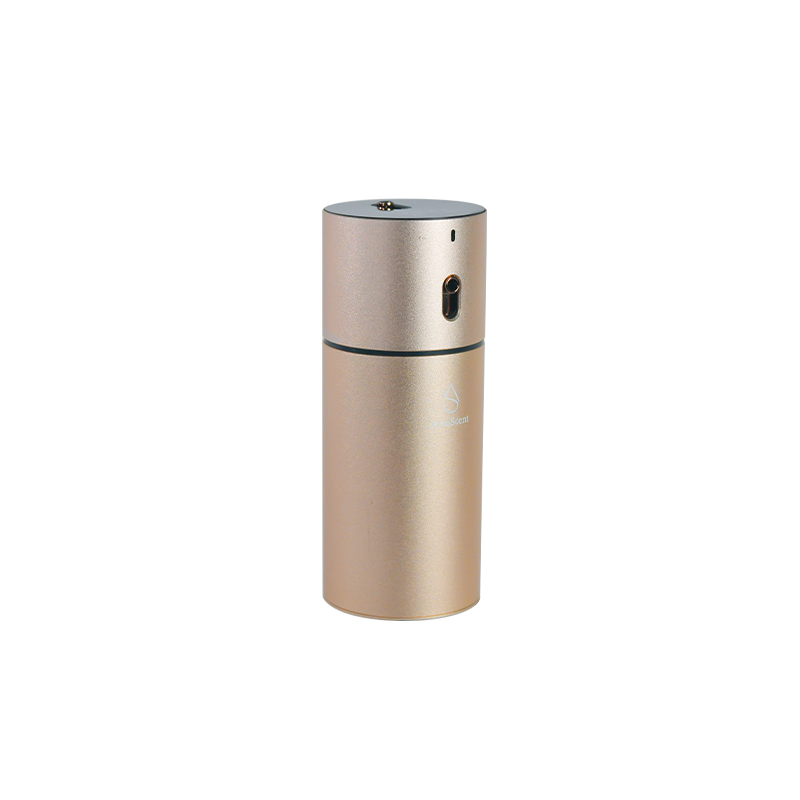
Tank capacity and run time dictate your daily interaction with the hardware. You must map continuous versus intermittent misting features to your specific use cases. Setting an 8-hour intermittent cycle (e.g., 30 seconds on, 30 seconds off) works perfectly for overnight sleep support. This prevents overwhelming the olfactory system and avoids sensory adaptation. Conversely, a 1-hour continuous burst suits deep work focus or immediate odor elimination. Devices equipped with customizable interval timers offer the exact flexibility required for targeted wellness protocols.
The best aromatherapy essential oil diffuser must break liquid particles down to a specific micron size, strictly under 5 microns. This engineering metric ensures optimal lung absorption and even room saturation. Heavy particles larger than 10 microns fall to the floor rapidly, leaving an oily residue on your furniture. Micro-fine mist stays suspended in the ambient air currents for hours. Always verify the manufacturer's benchmarks for square footage coverage. A device rated for 150 square feet will completely fail to provide therapeutic benefits in a 500-square-foot open-concept living room.
Essential oils are highly concentrated and naturally corrosive. Citrus varieties containing high levels of d-limonene will degrade cheap ABS plastics within weeks. High-quality internal components made from medical-grade polypropylene (PP), tempered glass, or ceramic are mandatory. These materials prevent plastic leaching and toxic off-gassing. Material safety directly impacts the chemical purity of the mist you inhale. Compromising on material integrity introduces microplastics and degraded chemical byproducts straight into your respiratory system.
Decibel levels matter significantly for bedroom or meditation applications. Look for ultrasonic devices operating under 30 decibels to prevent auditory distraction during sleep cycles. Nebulizers will naturally run louder, often around 40 to 50 decibels, due to the air pump. Smart controls elevate the user experience by allowing programmable timers. You can schedule diffusion for immediate symptom relief upon waking or pre-condition the air before returning home from work.
A high-quality wellness diffuser can rapidly mitigate anxiety and restore emotional equilibrium. Dispersing specific botanical profiles like bergamot, ylang-ylang, or clary sage triggers immediate relaxation responses in the central nervous system. These oils contain high percentages of esters and linalool, compounds clinically shown to reduce serum cortisol levels. When inhaled through a precision device, these molecules reach the limbic system in seconds. This provides acute stress relief during high-pressure situations without the latency of oral supplements.
Pairing a premium device with oils like lavender or Roman chamomile lowers heart rate and improves sleep latency. Consistent nighttime diffusion helps establish a strong olfactory association with rest. This environmental cue signals the brain to initiate sleep cycles naturally. Utilizing an intermittent setting ensures the scent remains effective throughout the night without causing olfactory fatigue. This sustained, low-dose exposure supports deeper, more restorative sleep architecture and reduces midnight awakenings.
Clinical aromatherapy naturally supports immunity and helps alleviate minor physical symptoms. Targeted dispersion of oils like peppermint or ginger relieves tension headaches or nausea. Peppermint contains high levels of menthol. Menthol acts as a natural vasodilator when inhaled, easing vascular constriction associated with tension headaches. Ginger oil inhalation settles gastric distress rapidly. A powerful nebulizer delivers these active compounds efficiently for fast, non-pharmacological symptom management.
Workspace environments benefit heavily from rosemary, lemon, or eucalyptus dispersion. These specific oils combat afternoon fatigue and support sustained concentration. Rosemary contains 1,8-cineole, a chemical compound linked directly to improved cognitive performance and memory retention. Diffusing these oils provides mental clarity without the jitters or adrenal crashes associated with heavy caffeine consumption. It creates an optimized, stimulating environment for deep work and productivity.
We must clarify the realistic boundaries of these devices regarding indoor air quality. They do not purify air like a mechanical HEPA filter. They will not remove particulate matter like dust, pollen, or pet dander. However, dispersing antimicrobial oils like tea tree, oregano, or thyme supports respiratory health. These oils possess natural antibacterial and antiviral properties. When suspended in the air, they help reduce airborne pathogens, creating a cleaner breathing environment during peak cold and flu seasons.
Water-based ultrasonic diffusers require strict, non-negotiable cleaning protocols. Stagnant water breeds mold spores, bacteria, and biofilms rapidly. If you neglect maintenance, the device will atomize these harmful pathogens and disperse them directly into your lungs, causing severe respiratory distress. You must empty the tank daily and wipe it dry with a clean microfiber cloth. Perform a deep clean with white vinegar or rubbing alcohol weekly to dissolve mineral scale and eliminate bacterial growth. Maintenance is critical for safe, long-term respiratory health.
Safe diffusion requires strict boundaries around vulnerable household members, particularly pets. Feline livers lack a specific enzyme called glucuronyl transferase. This deficiency makes them unable to metabolize certain phenolic compounds. Highly toxic oils for cats and dogs include tea tree, eucalyptus, pennyroyal, wintergreen, and citrus. Establish safe time limits for diffusion around children, keeping sessions strictly under 30 minutes. Always ensure the room is well-ventilated and that pets have an open door to leave the area immediately if the scent becomes overwhelming.
Even the most advanced hardware will fail to deliver wellness benefits if paired with synthetic fragrance oils or adulterated extracts. Synthetic fragrances only provide a pleasant smell. They contain zero therapeutic compounds and often include phthalates, which act as known endocrine disruptors. You must use 100% pure, third-party tested essential oils. Look for brands that provide Gas Chromatography/Mass Spectrometry (GC/MS) reports. The oil quality dependency means your wellness outcomes rely entirely on the botanical purity of the liquid you put into your essential oil diffuser.
Selecting the right hardware ensures the active compounds in your oils reach your respiratory system effectively. The ideal device hinges on prioritizing either maximum therapeutic potency through nebulizing technology or ambient, long-lasting diffusion via ultrasonic models. You must filter your options based on exact room size, tolerance for maintenance, material safety certifications, and primary wellness goals.
A: You should run your device for 30 to 60 minutes at a time. Continuous exposure leads to olfactory fatigue, where your nervous system stops responding to the scent. Taking breaks prevents sensitization and maximizes the therapeutic response.
A: Yes. Inhaling specific botanical compounds like linalool from lavender interacts directly with the limbic system. This rapidly lowers heart rate, reduces cortisol levels, and calms the autonomic nervous system, providing measurable stress relief.
A: Yes, nebulizers consume oil much faster because they do not use water to dilute the mist. This trade-off provides a significantly higher therapeutic potency per breath, making them ideal for acute clinical applications.
A: No, it cannot remove particulate matter like a HEPA filter. However, dispersing specific antimicrobial oils like tea tree or thyme can help neutralize airborne bacteria and support overall respiratory health.
A: Humidifiers are designed solely for high-volume moisture output and often use standard plastics that degrade when exposed to corrosive essential oils. Aromatherapy machines use specialized, medical-grade materials designed specifically to handle and disperse botanical extracts safely.
A: You should empty the water and wipe the tank dry daily. Perform a deep clean once a week by running a mixture of water and white vinegar through the device to remove residual oil buildup and prevent mold.
A: Use extreme caution. Cats lack a liver enzyme required to process many essential oils, making oils like tea tree and eucalyptus highly toxic to them. Always diffuse in well-ventilated areas for short durations and ensure pets can leave the room.


