
Views: 0 Author: Site Editor Publish Time: 2026-08-18 Origin: Site


Creating a consistently pleasant home environment often clashes with the frustrating reality of traditional scenting methods. Homeowners frequently rely on fading candles that leave soot, smoky incense that triggers allergies, or synthetic plug-ins that saturate small spaces. Manual diffusers offer a slight upgrade but inevitably run dry, demanding constant refilling. These analog solutions fail to deliver a balanced olfactory experience, oscillating between overwhelming fragrance and complete absence of scent.
Achieving a consistent, safe, and customizable environment requires precise control over dispersion rates, scheduling, and intensity. Analog devices cannot provide this granular control. Without the ability to regulate how and when fragrance enters the air, you experience olfactory fatigue, wasted essential oils, and potential indoor air quality issues.
Transitioning to automated scent management fundamentally changes how a space feels. By integrating the best smart essential oil diffuser into your daily routine, you gain the ability to curate atmospheric conditions with precision. Evaluating technical capabilities and software integrations is necessary for long-term satisfaction and maintaining pristine indoor air quality.
Traditional home fragrancing methods suffer from inherent operational flaws that compromise comfort and safety. Synthetic plug-ins utilize continuous resistive heating elements to evaporate fragrance gels or liquids. Because they lack physical adjustability beyond rudimentary plastic vents, they remain active constantly. This continuous operation overpowers small spaces, saturating fabrics and creating an artificial, heavy atmosphere. The heat can also bake the synthetic oils, altering their chemical structure and leaving a sticky residue on nearby walls and outlets.
Candles and incense introduce distinct physical hazards. They release particulate matter (PM2.5), soot, and volatile organic compounds directly into the breathing zone. When burned frequently, this soot gets pulled into your HVAC return vents, prematurely clogging MERV filters and distributing fine particulates throughout the entire house. Basic water-based diffusers avoid the fire hazard but require constant manual intervention. You must physically measure water, count oil drops, and manually activate the device. When the reservoir depletes, the scent vanishes until you repeat the chore.
Continuous unregulated scent dispersion leads directly to olfactory fatigue, commonly known as nose blindness. The human olfactory system naturally adapts to constant stimuli. You stop noticing a fragrance after a short period of continuous exposure. To compensate, people often add more oil or plug in additional warmers. This degrades indoor air quality without actually improving the perceived scent of the room.
Upgrading to a modern scenting system requires establishing strict baseline requirements. A successful implementation must include remote accessibility, allowing you to adjust settings without physically interacting with the hardware. Precision intensity control is equally necessary. The system must scale its output to match the specific volume of the room, rather than operating on a simple on/off binary.
Automated scheduling capabilities ensure the device operates only when needed. This conserves essential oils and prevents sensory overload. Safe dispersion mechanisms form the foundation of these criteria. The hardware must atomize oils efficiently without relying on open flames or degrading the therapeutic properties of the botanicals through excessive heat.
By deploying a wifi diffuser, the user experience shifts entirely. Instead of reacting to a stale room by manually starting a device, you proactively program your environment. You ensure the space always smells exactly as intended upon entry, utilizing duty cycles to pulse the scent into the room at specific intervals.
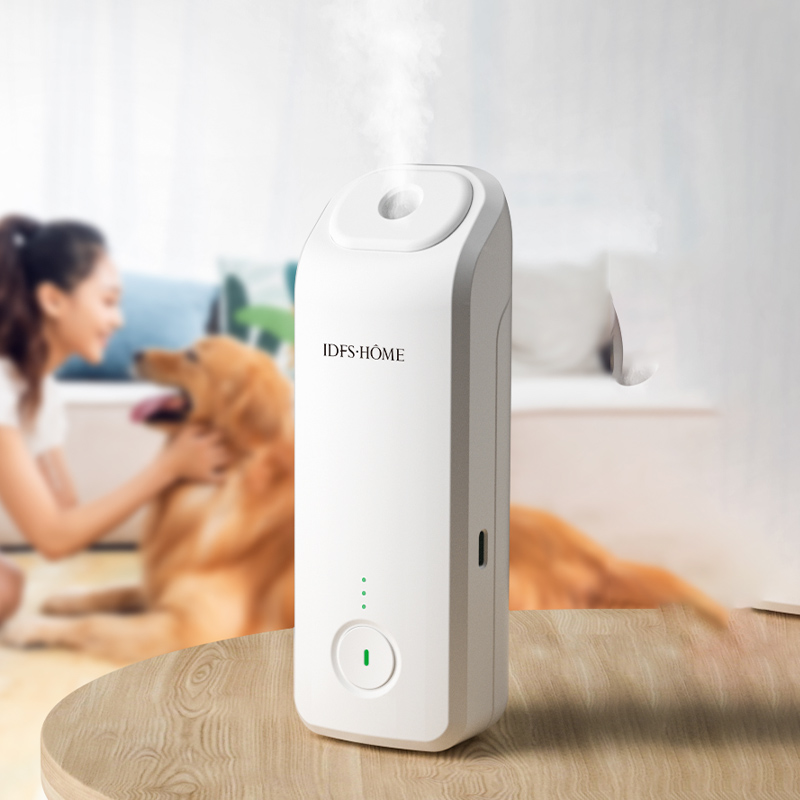
Ultrasonic technology relies on a small piezoelectric transducer located at the base of a water reservoir. This ceramic disc vibrates at ultrasonic frequencies—typically around 2.4 million times per second. This intense mechanical agitation breaks down both the water and the added essential oils into microscopic droplets. A small internal fan then propels this fine, cool mist up and out of the device into the surrounding air. Because it utilizes water as a carrier, the output is highly visible and adds a slight amount of moisture to the immediate vicinity.
The primary advantages of this mechanism include a generally accessible entry point and dual functionality as a mild humidifier. This benefits dry indoor climates, especially during winter months when heating systems strip moisture from the air. These units operate with minimal noise, producing only a faint water trickling sound and a low fan hum. The market offers a massive variety of aesthetic designs, allowing the hardware to blend seamlessly into residential decor.
However, the reliance on water introduces distinct mechanical drawbacks. The water dilutes the essential oil, significantly reducing the overall scent strength and longevity compared to pure dispersion methods. You must frequently refill the reservoir, which disrupts the fully automated experience. If you use hard tap water, calcium and magnesium deposits will quickly form a scale on the piezoelectric disc. This scale acts as an insulator, dampening the vibrations and drastically reducing mist output. Furthermore, if the water tank is not emptied and dried regularly, the stagnant moisture creates an ideal breeding ground for biofilm and bacteria. The mist is also heavier than air, meaning it falls quickly, limiting the effective coverage area to single, moderately sized rooms.
Cold-air nebulizing technology operates on an entirely different physical principle known as the Venturi effect. These devices utilize a pressurized air pump to force ambient air through a small capillary tube containing pure essential oil. The high velocity of the air creates a pressure drop, pulling the oil upward and shearing it against a baffle. This atomizes the liquid into ultrafine nanoparticles, typically under 5 microns in size. This process requires absolutely no water and no heat, ensuring the botanical compounds remain structurally intact during dispersion.
Preserving the therapeutic integrity of the oil stands as the primary advantage of nebulization. The resulting nanoparticles are incredibly lightweight. They remain suspended in the air for hours rather than minutes, riding the natural convection currents of the room. This mechanism leaves zero damp residue on surrounding furniture or hardwood floors. Nebulizers deliver maximum scent strength and can cover massive square footage.
Advanced nebulizing models integrate directly into residential HVAC ductwork. By injecting the nanoparticles downstream of the air handler, the system utilizes the home's central blower fan to distribute a uniform fragrance across thousands of square feet simultaneously. The complete elimination of water maintenance drastically reduces daily upkeep.
The trade-offs involve advanced engineering requirements and operational characteristics. Pushing pure oil through an atomizer consumes the liquid faster when operated at high continuous settings. The internal air compressor also produces a noticeable humming or vibrating sound. If you place a standalone nebulizer on a hard wooden table, the vibrations will amplify. You must use rubber isolation pads or place the unit strategically away from immediate sleeping zones to prevent auditory distraction.
| Feature | Ultrasonic Smart Diffusers | Cold-Air Nebulizing Smart Diffusers |
|---|---|---|
| Dispersion Method | Water and ultrasonic vibration | Pressurized air and pure oil (Venturi effect) |
| Scent Strength | Moderate (diluted by water) | Maximum (pure concentrated oil) |
| Coverage Area | Small to medium rooms (up to 500 sq ft) | Large spaces to whole-home (1000+ sq ft) |
| HVAC Integration | Not possible | Highly compatible (downstream injection) |
| Maintenance Needs | Frequent water refills, regular descaling | Periodic nozzle cleaning with alcohol |
| Residue Risk | Potential moisture accumulation nearby | Zero residue (dry nanoparticles) |
The software architecture powering an app diffuser dictates its daily utility. Evaluating the user interface stability is critical. A poorly coded application that frequently disconnects from the local network renders the smart features useless. Most IoT devices, including smart diffusers, utilize 2.4GHz Wi-Fi connections because this frequency penetrates walls better than 5GHz. Modern mesh routers often use band steering, which can force devices onto the 5GHz band and cause pairing failures. You may need to temporarily disable the 5GHz band on your router during the initial setup process to ensure a stable handshake.
True smart home integration elevates the hardware from a standalone appliance to a component of a broader environmental system. Compatibility with platforms like Amazon Alexa, Google Home, or Apple HomeKit enables voice commands for instant adjustments. More importantly, it allows for complex routine building through API integrations. You can program your smart home hub to trigger a specific scent profile simultaneously with other actions. For example, you can configure a routine that activates a bright citrus blend when the home office lights turn on, or initiates a calming lavender dispersion when the security system is set to night mode.
Variable intensity settings are non-negotiable for proper scent management. A device operating at maximum output in a small bathroom will cause headaches, while the same setting in a vaulted living room might barely register. The hardware must offer granular control over the fan speed or pump pressure to accommodate different room sizes and personal olfactory sensitivities.
Micro-scheduling, or duty cycling, represents the most powerful feature of automated scenting. Instead of running continuously, the system can be programmed to run for 30 seconds and pause for 120 seconds. This intermittent dispersion maintains a consistent ambient scent throughout the day while entirely preventing olfactory fatigue. The space always smells fresh because the nose is given time to reset during the pause intervals. When integrating with an HVAC system, you must synchronize the diffuser's duty cycle with the blower fan's schedule to ensure the scent actually moves through the ductwork rather than pooling in the plenum.
Use-case specific scheduling allows the environment to adapt to the time of day. Morning routines can feature invigorating aromas like peppermint or sweet orange to stimulate mental clarity. As evening approaches, the schedule can automatically transition the output to relaxing blends like chamomile or cedarwood, signaling to the body that it is time to wind down.
Matching device output capacity to the physical space requires looking beyond basic square footage. Airborne particles fill a three-dimensional space, meaning cubic footage provides a much more accurate metric. You calculate this by multiplying the room's length, width, and ceiling height. A 500-square-foot room with standard eight-foot ceilings (4,000 cubic feet) requires significantly less output than a 500-square-foot loft with twenty-foot vaulted ceilings (10,000 cubic feet).
Evaluating the airflow dynamics also impacts how effectively the scent travels. Placing a standalone diffuser directly beneath an HVAC return vent will simply suck the atomized oil into the filter, wasting the product. You must position the unit near supply registers so the natural air currents push the scent into the center of the room.
Scalability determines whether you need single-room standalone units or a multi-zone system. Standalone units offer localized control, perfect for tailoring specific scents to individual bedrooms. Conversely, whole-home HVAC-integrated systems centralize maintenance. You only have to refill one large oil canister every few months, but you eliminate the ability to have different scents in different rooms.
Introducing any foreign particulate matter into the air requires careful consideration of respiratory health. Strict warnings from health authorities advise against the continuous, unregulated use of vaporized essential oils. Continuous exposure can irritate the respiratory tract, presenting specific risks to individuals diagnosed with asthma, chronic obstructive pulmonary disease (COPD), or other reactive airway conditions. Essential oils contain volatile organic compounds (VOCs). While natural, high concentrations of VOCs can still degrade indoor air quality.
Smart scheduling acts as a critical mitigation strategy against these risks. By programming intermittent diffusion, you ensure that the concentration of VOCs never reaches irritating levels. Proper ventilation intervals allow the HVAC system to cycle fresh air through the space, maintaining safe indoor air quality while still providing the desired olfactory benefits. Responsible usage relies entirely on moderation and precise control.
Homes with animals require an elevated level of caution regarding airborne botanicals. Dogs and cats metabolize compounds differently than humans. Cats lack a specific liver enzyme (glucuronyl transferase) necessary to break down certain phenols and terpenes found in essential oils. Consequently, common oils like eucalyptus, tea tree, citrus, peppermint, and ylang-ylang are highly toxic to pets. They can cause severe neurological and hepatic distress if inhaled or ingested.
Precise control over the dispersion schedule helps manage exposure, ensuring the device only operates when pets are out of the room or in well-ventilated areas. However, technological control does not negate biological toxicity. Veterinary consultation is an absolute necessity before introducing any airborne oils to a pet-friendly home. You must audit your oil collection and strictly utilize only those botanicals deemed safe by qualified veterinary professionals.
Evaluating the physical build quality of scenting hardware reveals distinct differences in longevity. Entry-level ultrasonic devices often utilize basic plastic transducers and thin ABS plastic housings. These materials degrade over time due to constant exposure to highly acidic essential oils (like lemon or grapefruit) and mineral buildup from tap water. These units typically exhibit higher failure rates within the first year of continuous use.
Premium nebulizing systems require advanced engineering. They utilize medical-grade glass, aluminum, or high-density polymer atomizers designed to withstand pure, undiluted oils for years without degrading. The internal air compressors feature brushless motors rated for thousands of hours of continuous operation.
Implementation strategy also involves choosing between open and closed systems. Open-system diffusers allow you to pour any brand of pure essential oil into the reservoir. This provides maximum flexibility and independence from specific manufacturers. Closed-system devices utilize proprietary cartridges or pods. While these offer a mess-free, plug-and-play experience, they restrict you to a specific ecosystem of fragrances and rely entirely on the manufacturer's supply chain for ongoing operation. If the manufacturer discontinues your favorite scent or goes out of business, the hardware becomes obsolete.
Consistent maintenance directly dictates the lifespan of any dispersion hardware. Water-based ultrasonic systems demand rigorous cleaning protocols. You must wipe down the reservoir every few days. Weekly, you need to perform a deep clean with white vinegar to dissolve mineral scale off the piezoelectric disc and prevent bacterial biofilm growth. Neglecting this routine leads to clogged ultrasonic plates, permanently reducing mist output and creating unsanitary air conditions.
Nebulizing nozzles require different maintenance realities. Because they handle pure oil, the microscopic capillary tubes can become sticky or clogged if heavy, resinous oils (like vetiver, sandalwood, or myrrh) are left stagnant inside the device. Routine maintenance involves pouring a small amount of high-proof isopropyl alcohol (90% or higher) into the reservoir and running the machine for fifteen minutes. The alcohol acts as a solvent, dissolving residual botanical waxes and clearing the atomizer. Understanding these maintenance requirements ensures the hardware reaches its full expected lifespan and operates efficiently.
A: A regular diffuser requires manual operation to turn on, adjust settings, and turn off. A smart aroma diffuser features Wi-Fi connectivity, allowing for app-based scheduling, precise intensity control, remote monitoring, and seamless integration with smart home ecosystems like Alexa or Google Home for automated routines.
A: It depends on the system architecture. Open-system devices accept any brand of pure essential oil. Closed-system devices require proprietary pods or cartridges manufactured specifically for that unit. Always avoid using thick carrier oils like coconut or jojoba in any diffuser, as they will permanently clog the atomizing mechanisms.
A: A single standalone unit cannot effectively cover an entire multi-room house due to walls and airflow restrictions. For true whole-home coverage, you need a commercial-grade cold-air nebulizer that integrates directly into your HVAC ductwork, utilizing the central blower fan to distribute the scent.
A: Medical professionals advise against continuous, all-day operation to prevent respiratory irritation and olfactory fatigue. The primary advantage of smart devices is the ability to program intermittent scheduling, such as running for ten minutes every hour. This maintains a pleasant ambient scent while preserving safe indoor air quality.
A: Most smart units feature physical buttons for basic manual fallback control if the internet drops. Additionally, once a schedule is saved to the device's internal memory via the app, it will typically continue to execute those pre-set routines even during a temporary Wi-Fi outage.
A: To prevent mineral buildup and mold, you should empty and wipe down the water reservoir every two to three days. A deep cleaning using water and white vinegar should be performed monthly to ensure the ultrasonic plate remains free of scale and operates at maximum efficiency.


