
Views: 0 Author: Site Editor Publish Time: 2026-09-21 Origin: Site


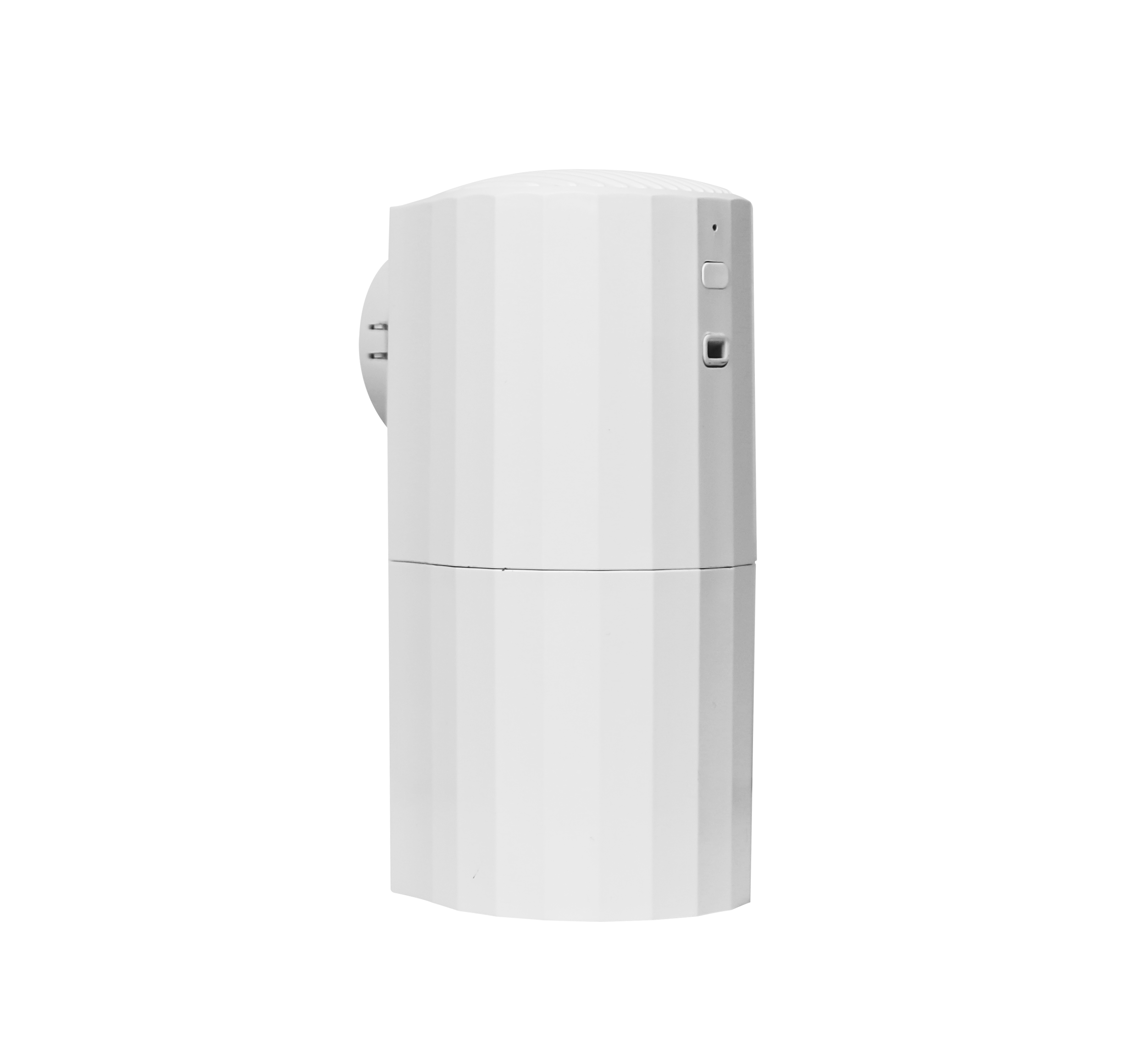
The success of a commercial scenting strategy relies heavily on installation physics. Improper mounting immediately degrades performance and wastes resources. Incorrect placement introduces severe operational risks, including wasted fragrance oil, uneven scent distribution, and localized scent saturation that overpowers guests. You also face unsightly cable management and oil residue damage to flooring or nearby architectural surfaces. This guide provides a technical framework for determining the exact mounting height and placement strategy for scenting systems. We factor in airflow dynamics, machine type, facility architecture, and power accessibility to ensure optimal dispersion and protect your interior assets. We will walk through the exact measurements required for wall-mounted units, the static pressure considerations for HVAC integration, and the clearance rules necessary to prevent property damage. Whether you are outfitting a sprawling hotel lobby or a narrow retail corridor, getting the elevation right on the first try saves you from costly rework and ruined inventory.
Standalone wall-mounted units require a standard mounting height of 6 to 8 feet above the floor to leverage natural air currents and prevent oil fallout.
HVAC-integrated systems prioritize proximity to the ductwork (typically the supply plenum) rather than floor height, requiring specific static pressure considerations.
A minimum clearance of 3 to 4 feet above the diffuser is mandatory to prevent ceiling damage and ensure proper cold-air nanoparticle dispersion.
Security (tamper-proofing), maintenance accessibility (refill logistics), and smart connectivity (Wi-Fi/Bluetooth range) must be balanced when finalizing the installation height in public-facing environments.
Units must be mounted perfectly level; even slight angles can cause concentrated oils to leak into the internal pump or motherboard.
Modern commercial scenting relies entirely on sub-micron nanoparticle technology. Cold-air diffusion forces pressurized ambient air through liquid fragrance oil, utilizing the Venturi effect to break the liquid down into a dry mist. These particles are incredibly light, typically measuring between 0.5 and 2.0 microns in diameter. Because of their microscopic mass, they behave fundamentally differently than traditional aerosol sprays. They suspend in the ambient air, riding micro-currents rather than falling immediately to the ground.
Gravity still exerts a constant downward force on these particles. The starting height of the dispersion plume dictates both the total coverage area and the hang-time of the fragrance. If released too low, the particles settle onto the floor before they can catch ambient air currents. This creates a slippery residue on hard surfaces and wastes the product. If released too high, they remain trapped near the ceiling, never reaching the olfactory receptors of the occupants below. Finding the exact vertical starting point dictates the efficiency of the entire system.
When you mount a unit at 4 feet, the heavy fragrance molecules hit the ground within seconds. When you elevate that same unit to 7 feet, the particles have enough vertical drop time to catch the horizontal cross-breezes generated by your building's ventilation system. This lateral movement is what actually fills a room with scent.
Room circulation is driven by thermal drafts, HVAC airflow patterns, and the physical movement of people through a space. Warm air naturally rises, and cold air sinks, creating continuous convection currents. The relationship between ceiling height and these thermal drafts dictates how scent moves through a commercial environment.
A common installation error is assuming that higher ceilings automatically require higher mounting points. This is physically incorrect. The objective is to introduce the scent directly into the room's active air circulation zone, which perfectly overlaps with the human breathing zone. Placing the unit significantly higher simply wastes expensive fragrance oil in the unoccupied upper strata of the room, where thermal stratification traps the scent above the heads of your guests.
Before drilling any holes, you must map the room's airflow. You can do this by following a few basic site survey steps:
Identify all supply registers and return vents in the target area.
Note the location of exterior doors and the direction of prevailing drafts when they open.
Use a smoke pen or a simple piece of tissue paper to observe the natural air currents at the 6-foot mark.
Locate dead zones where air stagnates, typically in deep corners or behind large architectural columns.
For a standalone large area aroma diffuser, the optimal mounting zone is strictly between 6 to 8 feet (1.8 to 2.4 meters) from the floor. This specific height captures the natural human breathing zone, which generally ranges from 4 to 6 feet depending on whether occupants are seated or standing. Releasing the scent slightly above this zone allows the sub-micron particles enough time to disperse laterally across the room before gravity pulls them downward.
Mounting within this 6 to 8-foot window ensures the fragrance plume expands outward, catching the natural cross-breeze generated by walking traffic and ambient ventilation. It prevents the scent from blowing directly into the faces of passersby, which causes olfactory fatigue or irritation, while still maintaining a strong, noticeable presence in the environment.
When securing the bracket, always anchor directly into a wall stud. If a stud is unavailable at the optimal location, use heavy-duty toggle bolts rather than standard plastic drywall anchors. These machines vibrate slightly during operation, and standard anchors will eventually pull loose from the drywall, altering the leveling of the machine.
HVAC units operate under entirely different physical constraints and are completely exempt from standard room-height rules. When installing a commercial scent machine directly into the ductwork, the priority shifts from floor height to duct proximity and static pressure management. The unit must be mounted as close to the injection point—usually the supply plenum directly after the air handler—as physically possible.
Minimizing the length of the PTFE (Teflon) delivery tube is mandatory for system performance. Long delivery tubes increase the risk of oil condensation inside the line, where the mist reverts to a liquid state before reaching the duct. Keep the tube under 3 feet in length. Furthermore, short tube runs maintain the air pressure integrity required to push the scent into a high-velocity air stream without the duct's static pressure pushing back into the scent machine.
You must drill the injection hole on the supply side of the HVAC system, never the return side. Injecting scent into the return duct forces the oil through the system's air filters and cooling coils, which strips the fragrance from the air and coats your expensive HVAC components in a sticky residue.
Placing a large area diffuser directly on the floor introduces several severe operational limitations. Floor placement often leads to localized saturation, where the immediate area becomes overwhelmingly strong while the rest of the room remains unfragranced. Physical obstructions like reception desks, retail displays, and lounge furniture block the lateral dispersion path.
There is also a high risk of tipping from heavy foot traffic, luggage carts, or commercial cleaning equipment. Floor-standing is only acceptable under specific, controlled criteria. You should only consider floor placement when the unit features built-in, high-velocity directional fans that actively push the scent upward into the breathing zone. It is also acceptable during temporary event setups or pop-up retail locations where drilling into walls is strictly prohibited by the lease agreement. Finally, floor placement works when the unit is structurally integrated into custom floor columns or millwork that protects it from physical impact.
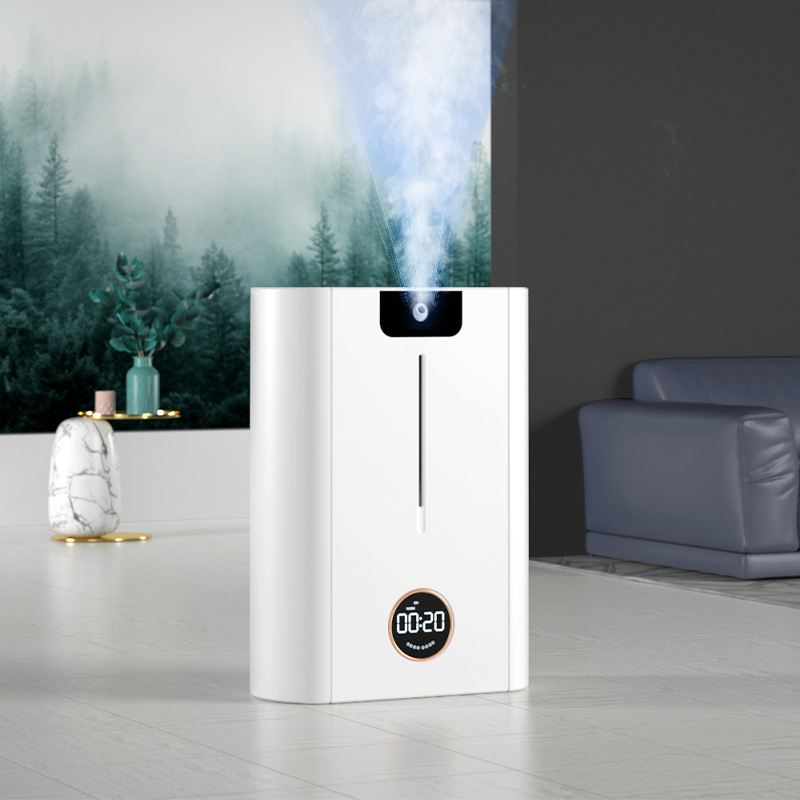
A mandatory vertical clearance of at least 36 to 48 inches is required directly above the dispersion nozzle. Cold-air diffusion creates a highly concentrated, upward-moving plume that needs physical space to expand and mix with the ambient air. Mounting the unit too close to the ceiling, directly under retail shelving, or beneath architectural overhangs abruptly blocks this expansion.
This restricted airflow causes the heavy nanoparticles to collide with the surface above, leading to rapid oil accumulation. Over time, this concentrated residue acts as a solvent. It will peel commercial paint, stain acoustic ceiling tiles yellow, and degrade drywall. Ensuring proper top clearance allows the plume to arc naturally into the room without damaging your facility's infrastructure. If you are mounting in a room with an 8-foot ceiling, you must mount the unit no higher than 5 feet off the ground to maintain this 36-inch clearance.
Mounting a unit at the optimal 8-foot mark introduces immediate logistical challenges for power delivery. Standard power cords rarely reach floor-level outlets from that height, and draping cables down a wall is unacceptable in a professional environment. You must plan for strategic cable management.
Utilize paintable cable raceways or wiremold to conceal cords running down to existing outlets. For a cleaner installation, route low-voltage wiring behind the drywall directly to the mounting bracket. You can also tap into nearby drop-ceiling power sources if the local building code permits. Always ensure the power adapter is securely mounted and not hanging by its wires, which creates a fire hazard.
Most modern scent systems rely on mobile applications for scheduling, intensity control, and fluid level monitoring. The installation location must fall within a stable Wi-Fi or Bluetooth range. A perfectly positioned unit is useless if the control app cannot connect to it due to thick concrete pillars, elevator shafts, or heavy signal interference. Test the 2.4GHz Wi-Fi signal strength at the exact mounting height using your smartphone before you drill the first hole.
In public-facing environments like retail stores, fitness centers, or hospitality venues, you must balance optimal airflow with physical security. Units mounted too low are highly susceptible to tampering, theft, or accidental damage from guests. The 6 to 8-foot mounting height serves a dual purpose: it optimizes scent dispersion while naturally keeping the equipment out of reach of children and unauthorized personnel.
For exceptionally high-traffic areas, utilize lockable mounting brackets secured with tamper-resistant Torx screws. Conceal the power source entirely to prevent individuals from unplugging the machine to charge their mobile devices. This is a frequent issue in hotel lobbies, airport lounges, and waiting rooms. If the machine loses power, your entire scenting schedule is disrupted.
Routine maintenance is an unavoidable operational reality. Fragrance oil reservoirs require refilling on a monthly or quarterly basis, depending on the machine's capacity and your operating schedule. While high placement deters tampering, extreme heights create logistical nightmares for your facility maintenance staff.
Avoid mounting heights that require specialized lift equipment, scaffolding, or excessively tall ladders for a simple oil swap. If a unit is too difficult to reach, routine maintenance will inevitably be neglected, leading to empty machines and a failed scenting strategy. Keep the units accessible via a standard step stool. If you mount a unit at 10 feet, OSHA regulations in many commercial spaces require a spotter and a specific A-frame ladder, turning a five-minute refill job into a massive operational headache.
Equipment Type | Optimal Height from Floor | Minimum Top Clearance | Primary Installation Environment |
|---|---|---|---|
Standalone Wall-Mounted Unit | 6 to 8 feet (1.8 - 2.4m) | 36 to 48 inches | Retail stores, hotel corridors, fitness centers |
HVAC-Integrated System | N/A (Dictated by ductwork) | N/A (Direct injection) | Large casinos, entire office buildings, theaters |
Floor-Standing Tower (with fan) | Floor level (0 feet) | 60 inches above nozzle | Event spaces, temporary pop-ups, open lobbies |
Spaces with massive 15 to 30-foot ceilings and complex architectural layouts require strict adherence to the breathing zone rule. Facility managers often make the aesthetic mistake of mounting units at 10 or 12 feet to hide them among architectural features, lighting tracks, or structural beams. This approach fails because the scent becomes trapped in the upper thermal layers, far above the guests.
Stick to the 6 to 8-foot rule even in cavernous spaces. To maximize coverage in these environments, utilize the directional airflow from main entryways, revolving doors, and vestibules. Placing units near these ingress points allows the mechanical movement of the doors and the influx of outside air to help push the scent plume deeper into the lobby. The positive pressure from the exterior doors naturally distributes the fragrance across the floor plan without requiring additional fans.
Narrow spaces require specific placement modifications to prevent the creation of scent walls. A scent wall is a localized area of overwhelming fragrance concentration that assaults the senses as guests walk through. In long corridors, do not rely on a single high-output machine running at maximum intensity.
Stagger multiple smaller units at standard heights along the length of the hallway. Ensure these units do not face each other directly across the hall. If plumes collide in a narrow space, the heavy particles fall out of suspension rapidly, creating oily floors and uneven scenting. Staggering the units in a zig-zag pattern creates a consistent, gentle olfactory experience as guests move through the transition space. Space them at least 40 to 50 feet apart depending on the ambient airflow.
Mounting a unit too close to an exhaust or return air vent is a critical installation error. These vents will immediately extract the fragrance from the room before it has a chance to circulate, sending your expensive fragrance oil directly outside or into the building's filtration system. You will burn through oil at double the normal rate while achieving zero ambient scenting.
As a strict rule of thumb, keep standalone diffusers at least 10 feet away from open exterior doors, exhaust fans, and return vents. Similarly, avoid placing units directly in the path of high-velocity supply registers that might blow the scent directly into a nearby wall. This causes immediate oil fallout and surface damage. You want the supply air to carry the scent gently, not blast it into the drywall.
Concentrated essential and fragrance oils are inherently corrosive to certain materials due to their high terpene and solvent content. Prolonged exposure to concentrated mist plumes can degrade polycarbonates, damage fine art, short-circuit sensitive electronics, and strip the finish off untreated wood or leather furniture.
Maintain a safe lateral distance of at least 4 feet from sensitive commercial assets. Never position a nozzle where the prevailing air currents will push the raw mist directly onto a painted wall, delicate fabric, or digital signage displays. Always angle the nozzle toward the open center of the room. If you are mounting near a security camera or a smoke detector, ensure the plume blows away from the sensor to prevent false alarms or clouded lenses.
A Commercial Aroma Diffuser must be mounted perfectly plumb and level. This is not merely an aesthetic requirement; it is a strict mechanical constraint. The internal atomizers rely on precise fluid dynamics and capillary action to draw oil up from the reservoir into the diffusion head.
Mounting the unit at even a slight angle alters the fluid level inside the bottle. This causes raw liquid fragrance oil to bypass the atomizer tube entirely. When this happens, the oil leaks directly into the internal air pump or across the electronic motherboard. This causes catastrophic equipment failure and immediately voids the manufacturer's warranty. Always use a torpedo level during installation to verify the mounting bracket is perfectly horizontal before hanging the machine.
Conduct a 48-hour temporary placement test using a ladder or temporary stand to observe real-world airflow before drilling into walls.
Verify 2.4GHz Wi-Fi connectivity and mobile app control from the exact proposed mounting location using your smartphone.
Use a torpedo level to ensure the mounting bracket is perfectly horizontal to prevent internal oil leaks and pump failure.
Establish a clear 4-foot safe lateral distance from all return air vents, fine art, and sensitive electronics.
Confirm that your maintenance staff can safely reach the unit with a standard step stool for monthly oil refills.
A: Placing a standard unit on the floor risks poor scent dispersion, localized saturation, and potential oil damage to the flooring. It also creates a tripping hazard. However, specific floor-standing models designed with upward-facing, high-velocity fans are acceptable for event spaces or areas where wall mounting is impossible.
A: You must maintain a minimum clearance of 3 to 4 feet (36 to 48 inches) directly above the dispersion nozzle. This space allows the cold-air plume to expand naturally. Without it, heavy oil particles will collide with the ceiling or shelving, causing corrosive residue buildup and peeling paint.
A: It depends on the vent type. Placing a unit near a gentle supply vent can help push the scent into the room. However, you must strictly avoid placing diffusers near return or exhaust vents, as they will immediately suck the fragrance out of the room, wasting the oil.
A: No. Mounting height remains relatively static at 6 to 8 feet regardless of how high the ceilings are. The goal is to target the human breathing zone. Mounting units higher in rooms with tall ceilings simply traps the fragrance in the upper thermal layers, wasting the product.
A: You can conceal the power cord by using paintable cable raceways (wiremold) adhered to the wall. For a cleaner look, route low-voltage wiring directly behind the drywall to the mounting bracket, or utilize nearby drop-ceiling power sources if local building codes permit.
A: Mounting a diffuser too high results in a severe loss of scent intensity at the human level. The fragrance oil becomes trapped in the warmer upper thermal layers of the room. Additionally, extreme heights make routine maintenance dangerous and can disrupt Bluetooth or Wi-Fi app connectivity.
A: No. You must strictly avoid mounting diffusers at any angle. The internal atomizers require the unit to be perfectly level. Tilting the machine will cause raw, concentrated fragrance oil to bypass the nozzle and leak directly into the internal air pump and motherboard, destroying the unit.


