
Views: 0 Author: Site Editor Publish Time: 2026-09-10 Origin: Site


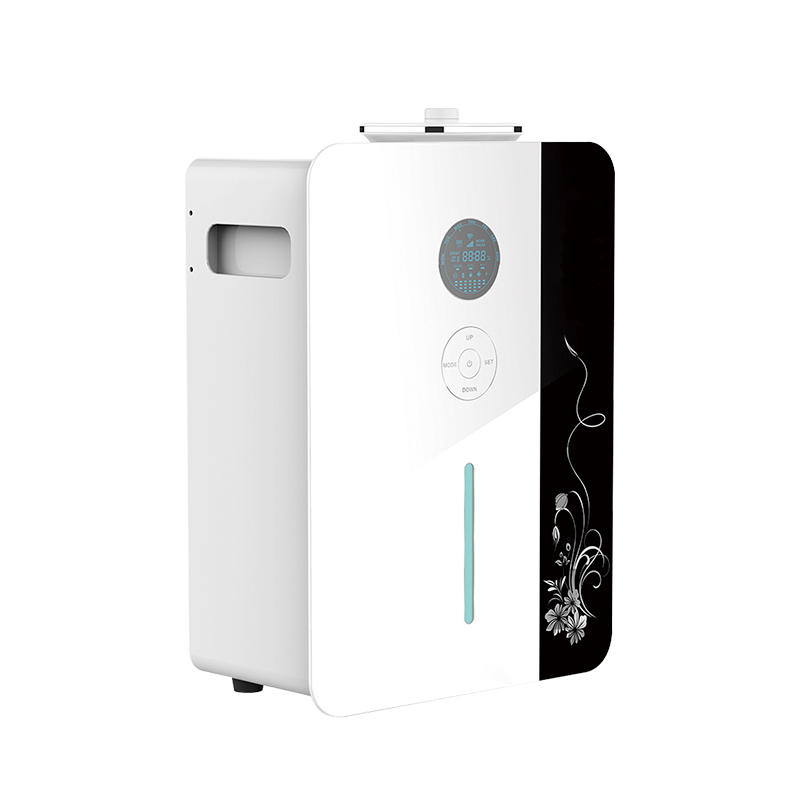
Deciding how often a scenting system needs refilling depends entirely on reservoir capacity, duty cycles, and environmental factors. Facility managers and operations directors often underestimate the maintenance cadence of scenting systems. This oversight leads to unpredictable labor hours, empty diffusers, and inconsistent brand experiences across your properties. We need a systematic approach to calculate exact refill frequencies. You can base this on machine capacity, environmental variables, and consumption rates. This enables accurate maintenance scheduling and ensures your spaces remain consistently fragranced without overburdening your staff. By understanding the mechanics of cold-air diffusion and tracking fluid depletion rates, you eliminate the guesswork from your daily operations. You will stop wasting time checking half-full bottles and prevent the embarrassment of a dry machine running during peak foot traffic. Let's break down the exact metrics you need to manage your scenting infrastructure efficiently.
Baseline Consumption: A standard 100ml to 120ml fragrance bottle in a cold-air diffuser typically lasts 3 to 6 weeks under moderate operating schedules, while enterprise-grade systems utilize 500ml to 1000ml+ reservoirs for extended autonomy.
Variable Dependency: Refill frequency is heavily dictated by duty cycles (run-time vs. pause-time), HVAC airflow, ceiling height, and desired scent intensity.
Labor Efficiency: Upgrading to higher-capacity hotel scenting equipment or IoT-enabled diffusers reduces manual refill checks and minimizes maintenance-related downtime.
Cost Predictability: Calculating the exact milliliter-per-hour (ml/hr) consumption rate is a mandatory step for projecting annual consumable budgets.
Establishing realistic expectations for how long different reservoir sizes last before requiring staff intervention keeps your operations running smoothly. Maintenance teams need predictable schedules. Without a clear understanding of depletion rates, your staff either wastes time checking half-full machines or you suffer lapses in ambient scenting when reservoirs run dry unexpectedly. You need to know exactly what your hardware can handle before you deploy it across a facility.
Reservoir size directly dictates your maintenance schedule. A standard 100ml to 120ml reservoir typically suits small lobbies, boutique retail shops, or localized waiting areas. When programmed to operate eight hours a day at a moderate intensity, this capacity generally lasts three to four weeks. Your staff must schedule monthly interventions to swap bottles or top off fluids. If you install these smaller units in hard-to-reach places, you will burn through labor hours just setting up ladders to check fluid levels.
Enterprise facilities require a robust Commercial Aroma Diffuser equipped with 500ml to 1000ml reservoirs. These larger capacities dramatically reduce touchpoints. Depending on the programmed settings and output requirements, a 1000ml system operates autonomously for one to three months. This extended run time frees up your facility management team to focus on core building operations rather than constant consumable management. You load the machine once a quarter and let it run.
Reservoir Size | Typical Application | Daily Run Time | Expected Refill Interval |
|---|---|---|---|
120ml | Small Retail, Restrooms, Elevators | 8 - 10 Hours | 3 - 4 Weeks |
500ml | Medium Lobbies, Corridors, Lounges | 10 - 12 Hours | 6 - 8 Weeks |
1000ml+ | Casinos, Atriums, HVAC Integration | 12 - 24 Hours | 8 - 12 Weeks |
Modern commercial systems rely on nebulization, commonly known as cold-air diffusion. This process forces pressurized air through a specialized nozzle, atomizing the heavy essential oils into dry nanoparticles. The internal air pump generates pressurized air that rushes past the top of a small dip tube submerged in the fragrance oil. The resulting pressure drop pulls the oil up the tube. As the oil hits the pressurized air stream, it shatters into microscopic droplets. A baffle inside the atomizer head catches the larger, heavier droplets and directs them back down into the reservoir. Only the lightest nanoparticles escape into the room. These microscopic particles float on ambient air currents rather than falling to the floor.
Cold-air systems consume pure fragrance oil. They require absolutely no water dilution. Because the oil remains undiluted, the milliliter-per-hour (ml/hr) consumption rate serves as the sole metric for calculating refill timing. You do not factor in water evaporation rates or mineral buildup. You simply track the raw oil depletion based on the pump's active running time. This mechanical efficiency explains why cold-air systems consume oil so slowly and predictably.
Analyzing the environmental and mechanical factors helps you understand what accelerates or decelerates oil consumption. A commercial scent diffuser does not consume oil at a flat rate. The physical environment and your specific programming dictate the necessary output.
Floor space only tells half the story. Ceiling height matters just as much when calculating scent requirements. You must calculate the total cubic volume of the space by multiplying length, width, and height. A 2,000-square-foot lobby with standard nine-foot ceilings equals 18,000 cubic feet. The exact same floor plan with thirty-foot ceilings equals 60,000 cubic feet. You have more than three times the volume of air to scent. Larger cubic volumes demand higher intensity settings to achieve the same olfactory impact. Pushing the machine to fill a massive vertical space drains the reservoir much faster, requiring more frequent refills.
The method of dispersal heavily influences consumption. A standalone large area air diffuser relies on localized dispersal. It pushes scent directly into the immediate vicinity, relying on natural room drafts to move the particles. Because it only scents a targeted zone, you can run it at a lower intensity.
HVAC-integrated systems inject atomized oil directly into the supply ductwork of your air handling unit. The forced-air distribution pushes the scent across multiple zones simultaneously. Because HVAC systems cover vastly more square footage and fight against the static pressure of the ductwork, they require significantly higher output. The machine works harder to push the scent through the registers. Consequently, HVAC systems utilize larger oil reservoirs to maintain consistent scenting without demanding weekly refills.
The duty cycle represents the ratio of active diffusion time to pause time. A common duty cycle is 30 seconds of active diffusion followed by 90 seconds of rest. The machine only pulls oil during those active 30 seconds. If you adjust the cycle to 60 seconds on and 60 seconds off, you double your oil consumption immediately.
Programming the machine to align strictly with business hours extends refill intervals drastically. Running a unit from 8 AM to 6 PM instead of 24/7 reduces oil consumption by up to 60%. Event spaces or venues operating only two to three days a week see exponentially longer refill intervals compared to daily retail environments. Smart scheduling remains the easiest way to stretch your consumable lifespan. Never run a machine in an empty building.
A direct, linear relationship exists between intensity output and oil depletion. Higher pump pressure forces more oil through the atomizer head per minute. If you turn the machine up to its maximum setting, you will drain the bottle rapidly.
Facility managers must guard against olfactory fatigue. Staff working in the scented environment quickly become nose-blind to the fragrance. Their brains filter out the scent as background noise. Believing the scent has faded, they unnecessarily increase the machine's intensity. This premature adjustment drains the diffuser rapidly and results in an overpowering, unpleasant experience for new guests entering the building. You must lock the control panel settings to prevent unauthorized adjustments by front desk staff.
Building dynamics play a massive role in scent retention. Air Changes per Hour (ACH) dictates how fast your building replaces indoor air with outside air. High-velocity HVAC environments constantly scrub the air, pulling scented particles into return vents and exhausting them outside. Open-door policies in retail shops create drafts that blow the fragrance directly onto the street. To maintain the target scent concentration in these high-loss environments, you must increase the machine's output. Higher output inevitably increases refill frequency.

Translating technical specifications into predictable operational metrics allows you to budget accurately. You must move away from guessing and start calculating exact consumption rates based on your programmed settings. This data allows you to order bulk oil on a precise schedule, preventing stockouts and avoiding excess inventory sitting in your mechanical rooms.
Manufacturers provide the baseline ml/hr consumption rate for their machines at various intensity levels. You use a straightforward formula to determine your exact monthly needs.
The standard calculation is: (ml/hr consumption rate at target intensity) × (hours of operation per day) × (days per month) = Total Monthly Consumption.
For example, if your machine consumes 0.5 ml/hr, runs for 10 hours a day, and operates 30 days a month, the math is simple: 0.5 × 10 × 30 = 150ml per month. If you have a 500ml reservoir, you can expect to refill the machine approximately every three months. Run this calculation for every machine on your property to build a master maintenance schedule.
Reservoir Size | Daily Run Time | Est. Consumption (ml/hr) | Monthly Usage | Estimated Refill Frequency |
|---|---|---|---|---|
120ml | 8 Hours | 0.4 ml/hr | 96 ml | Every 5 Weeks |
500ml | 12 Hours | 0.8 ml/hr | 288 ml | Every 7 Weeks |
1000ml | 14 Hours | 1.5 ml/hr | 630 ml | Every 6-7 Weeks |
You must evaluate the hidden cost of staff time spent checking, cleaning, and refilling units. Manual intervention requires a maintenance worker to fetch the oil from storage, locate the machine, open the housing, perform the refill, clean any spills, and secure the unit. This process takes time away from critical building repairs.
Compare the labor efficiency of different setups. Refilling one centralized 1000ml HVAC unit in a mechanical room every two months takes perhaps fifteen minutes. Refilling five scattered 120ml standalone units across a property every three weeks consumes significantly more labor hours. Consolidating your equipment reduces touchpoints and lowers your ongoing maintenance burden. Always opt for the largest reservoir your space can accommodate.
Addressing the practical challenges of managing commercial scenting equipment at scale ensures smooth operations. Poor maintenance practices lead to damaged equipment, stained floors, and inconsistent fragrance delivery. You must train your staff on proper handling procedures to protect your hardware investment.
Facility managers choose between pouring bulk oil into existing reservoirs or utilizing proprietary quick-swap cartridges. Manual pouring carries inherent spill risks. Essential oils are highly concentrated. If you spill pure fragrance oil on a waxed VCT floor, it strips the finish in seconds. It degrades plastic components and ruins painted surfaces if handled sloppily.
Proprietary cartridges eliminate the mess. Staff simply unscrew the empty bottle and attach the new one. However, bulk oil costs significantly less per milliliter. If you choose the bulk route, you must implement practical mitigation tactics. Do not pour directly from a gallon jug into a 120ml bottle. Instead, use the syringe method.
Put on nitrile gloves to protect your hands from concentrated oils.
Insert a clean 60ml feeding syringe into the bulk fragrance jug.
Draw exactly 60ml of fluid into the chamber.
Inject the oil directly into the machine's reservoir bottle.
Wipe the threads of the bottle with a dry cloth before screwing the atomizer head back on.
This process allows staff to execute precise, single-shot bulk refills without spilling a single drop. It keeps the mechanical room clean and protects the equipment housing from corrosive oil damage.
Routine maintenance prevents mechanical failure. Essential oils leave a slight, sticky residue. Over time, this gunk builds up inside the microscopic nozzle of the atomizer. If you ignore it, the pump works harder, overheats, and eventually fails. You must run rubbing alcohol through the system periodically.
Pour two ounces of high-grade isopropyl alcohol into an empty reservoir bottle. Run the machine for fifteen minutes. The alcohol dissolves the hardened oil and blows it out of the nozzle. Address scent transitions carefully. If you switch from a heavy sandalwood profile to a light citrus fragrance, a thorough alcohol cleaning cycle is mandatory. If you skip the cleaning, the previous scent lingers in the internal tubing. The old profile mixes with the new one for several days before the new fragrance fully takes over the space.
Modern equipment eliminates the guesswork of maintenance. Advanced units utilize Wi-Fi or Bluetooth applications to monitor fluid levels in real-time. Your staff no longer needs to physically open the machine or climb a ladder just to check the oil level.
IoT alerts notify facility managers exactly when a machine drops below a 10% threshold. This mitigates the risk of machines running completely dry. Allowing a cold-air diffuser to run empty forces the internal pump to work without lubrication, eventually burning out the motor. Smart monitoring protects your hardware and ensures your spaces never experience a lapse in fragrance.
Symptom | Root Cause | Field Solution |
|---|---|---|
Rapid Oil Depletion | Machine running 24/7 or intensity set too high. | Reprogram timer to match business hours. Lock control panel. |
Weak Scent Output | Clogged atomizer nozzle or empty reservoir. | Run a 15-minute isopropyl alcohol cleaning cycle. Refill oil. |
Loud Pump Noise | Machine running dry without oil lubrication. | Turn off immediately. Refill reservoir to prevent motor burnout. |
Aligning your equipment choices with your facility management capabilities guarantees long-term success. Do not purchase a system that your team lacks the bandwidth to maintain. Evaluate your staff's availability before selecting a dispersal method.
Retail spaces, independent hotel lobbies, or fitness centers often lack accessible HVAC supply ducts. In these scenarios, HVAC integration is not viable. However, you still require low maintenance. Upgrade to high-capacity standalone units featuring 500ml or larger reservoirs. These robust towers provide the necessary output for high-traffic areas while extending the refill interval to several months. This keeps maintenance demands low even without central integration. You simply place the unit in a secure corner and let it run.
Casinos, large resorts, and corporate campuses demand centralized control. Managing dozens of standalone units across a massive footprint is highly inefficient. Recommend multi-liter, HVAC-integrated hotel scenting equipment for these environments. Installing a 5000ml system directly onto the main supply plenum centralizes maintenance. The engineering team only needs to check one machine in the mechanical room every quarter, drastically minimizing refill frequency across the entire property.
Take the following steps to optimize your scenting strategy and reduce your maintenance burden:
Audit your exact cubic square footage, factoring in ceiling heights and open-air drafts before selecting a machine.
Determine your required operating hours and program strict duty cycles to prevent off-hours waste.
Request exact ml/hr consumption data from manufacturers before finalizing any equipment purchase.
Implement the 60ml syringe method for all bulk refills to eliminate spills and protect your facility finishes.
A: A standard 100ml to 120ml bottle typically lasts between 3 to 6 weeks. This estimate assumes the machine operates on a standard 8-hour daily duty cycle at a moderate intensity setting. Running the unit 24/7 or increasing the pump pressure will drain the bottle in under two weeks.
A: Using third-party oils often voids the manufacturer's warranty. Different oils possess varying viscosity levels. Thick, unapproved oils can quickly clog the microscopic atomizer nozzle and burn out the internal pump. Always verify compatibility before introducing outside fragrances.
A: Modern units feature app-based IoT alerts that send push notifications to your phone when fluid levels drop. Without smart features, you must rely on visual indicators through the reservoir window or listen for changes in the pump noise, which often sounds hollow when dry.
A: You do not need a deep clean for every routine top-off of the same oil. However, when changing scent profiles, you should run rubbing alcohol through the system. Skipping this step causes the previous scent to linger temporarily before the new profile takes over.
A: Rapid depletion usually stems from improper settings. The intensity may be set too high, pushing excess oil into the room. Alternatively, the machine might be running 24/7 instead of following a scheduled business-hour duty cycle. Check your programming first.
A: Buying bulk oil significantly lowers your cost per ounce compared to proprietary cartridges. However, manual pouring introduces spill risks and requires more labor. Using a 60ml feeding syringe allows for safe, precise bulk transfers, giving you the cost savings without the mess.


