
Views: 0 Author: Site Editor Publish Time: 2026-07-26 Origin: Site


The increasing adoption of natural plant extracts for environmental fragrancing, odor neutralization, and physical and emotional wellness has created a highly saturated market of diffusion methods. This makes it difficult to identify the most effective delivery system. Knowing how to properly diffuse essential oils requires matching the correct mechanical device to your specific spatial and therapeutic needs. Improper diffusion can alter the chemical composition of essential oils, diminish therapeutic benefits, or damage surrounding surfaces. Buyers often struggle to align device specifications with their specific environmental and operational requirements.
This guide provides an evidence-based framework for evaluating diffusion technologies. We compare mechanical output, maintenance realities, and commercial sourcing considerations to ensure an optimal return on investment. You will learn how to select the right hardware, maintain it properly, and understand the technical differences between various dispersion methods.
An effective aromatherapy diffuser must do more than just make a room smell pleasant. Evaluate how well a method supports physical wellness, inspires positive emotional states, and neutralizes odors rather than merely masking them. High-quality diffusion disperses the active botanical compounds into the air. This allows them to interact with the olfactory system and respiratory tract efficiently. When you walk into a properly scented room, the aroma should feel crisp and distinct, not heavy or synthetic.
Different oils require different dispersion rates to achieve these outcomes. Heavy base notes like vetiver or patchouli linger longer and require less aggressive diffusion. Lighter top notes like lemon or sweet orange dissipate quickly. A high-performing device will handle varying viscosities without clogging or sputtering, ensuring consistent delivery of the intended aromatherapeutic profile.
Altering the temperature of essential oils via heat degrades volatile organic compounds (VOCs). When essential oils are heated, their delicate chemical constituents break down. This alters both the scent profile and the intended therapeutic benefits. Cold diffusion stands as the industry standard for this exact reason. Cold-air methods ensure that the oil dispersed into the environment remains chemically identical to the oil in the bottle.
Heat-based units often burn the residual oil left at the bottom of the reservoir. This creates an acrid, unpleasant smell that ruins the ambient environment. By utilizing cold-air technology, you preserve the exact molecular structure of the plant extract. This guarantees that the user receives the full spectrum of benefits without inhaling degraded byproducts.
Essential oils are highly concentrated and can be corrosive to certain materials. You must use medical-grade or high-density plastics, such as polypropylene (PP), glass, or ceramic internals. These materials prevent caustic essential oils, particularly citrus and coniferous oils, from breaking down the device. Using incompatible plastics leads to device failure, leaks, and the aerosolization of microplastics into your environment.
When inspecting a unit, always check the reservoir material. Standard ABS plastic will warp and crack within weeks of exposure to pure lemon or grapefruit oil. High-density PP or specialized glass reservoirs offer the chemical resistance needed for long-term durability. This material compatibility directly impacts the lifespan of the hardware and the safety of the indoor air quality.
Dispersion efficiency relies on the creation of micron-sized particles. When a device breaks down water and oil into a micro-fine mist, these tiny particles have a longer hang-time in the air. This extended suspension improves overall respiratory absorption and ensures the scent travels further across the room before settling onto surfaces.
Larger droplets fall quickly to the ground. This results in localized oil pooling and a weak scent profile just a few feet away from the machine. Advanced atomization technology forces the liquid through microscopic nozzles or utilizes high-frequency vibrations to shatter the surface tension. The resulting dry mist integrates seamlessly with ambient air currents, providing uniform coverage throughout the target space.
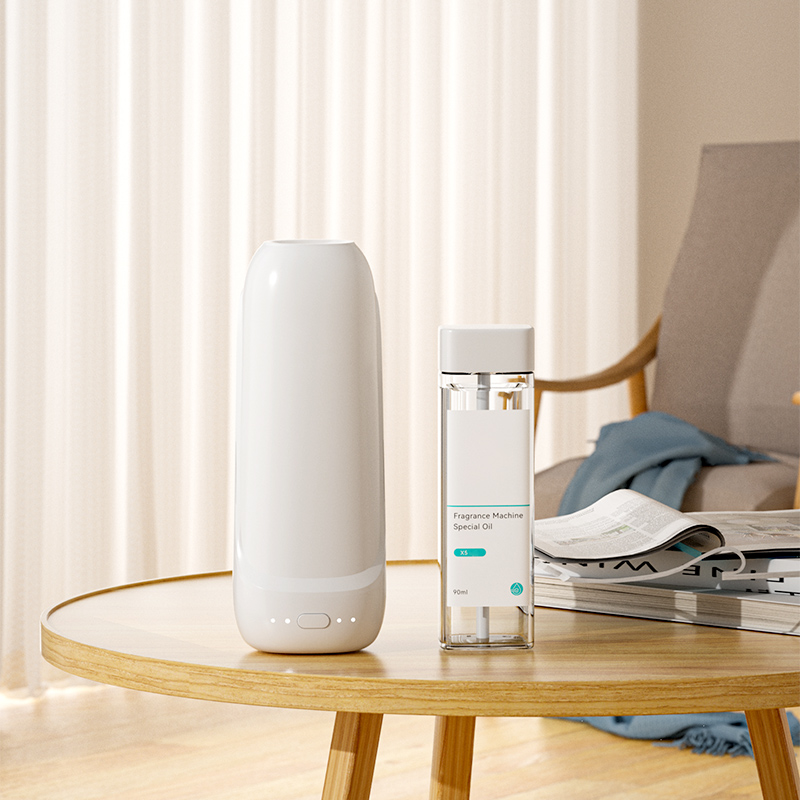
Ultrasonic models use high-frequency electronic frequencies to vibrate a small disk located under the water surface. This rapid vibration creates a fine mist of water and essential oil, which is then blown into the room by a small fan. This is the most common type of Essential Oil Diffuser found in residential settings.
These units are highly accessible and easy to operate. You simply fill the tank to the maximum fill line, add a few drops of oil, and turn it on. The internal fan pushes the mist up through the directional spout. However, because the oil sits on top of the water, the scent output is often strongest at the beginning of the cycle and fades as the oil is depleted before the water.
Nebulizers use pressurized air and the Bernoulli principle to atomize pure essential oil directly from the bottle. A stream of air blows across a small tube, creating a vacuum that pulls the oil upwards and shatters it into micro-particles without utilizing water or heat.
For pure therapeutic application, nebulizers are unmatched. They do not alter the humidity of the room and deliver a potent, undiluted aroma. Because they pull directly from the oil bottle, you avoid the mess of measuring drops into a water tank. The trade-off is the audible hum of the air compressor, which some users find distracting in quiet environments like bedrooms or massage rooms.
This category covers candle-flame warmers, electric heat plates, light bulb rings, boiling water/steam methods, and fan-based evaporative pads. They rely on either raising the temperature of the oil or blowing air across a saturated pad to encourage evaporation.
Evaporative pad models are useful for travel. You can place a few drops on a cotton pad and plug the small unit into a USB port. The internal fan blows across the pad, dispersing the scent. While convenient, the lighter top notes evaporate much faster than the heavier base notes, resulting in an unbalanced aroma profile over time.
Passive methods are low-tech, non-electrical alternatives that rely on natural evaporation and ambient air currents to disperse scent. Common mediums include reed diffusers, terracotta stones, wooden clothespins, pine cones, clay ornaments, direct inhalation from hands or the bottle, and personal aromatherapy inhaler sticks.
These methods are best used for personal, highly localized scenting. They work well on desks, in closets, inside cars, or within an immediate personal breathing zone where active dispersion is unnecessary or impractical. A terracotta stone placed in a linen closet will slowly release a mild lavender scent for weeks without any maintenance or power requirements.
| Technology Type | Mechanism | Water Required | Best Use Case |
|---|---|---|---|
| Ultrasonic | High-frequency vibration | Yes | Bedrooms, living rooms, mild humidification |
| Nebulizing | Pressurized air atomization | No | Large spaces, clinical therapy, strong scent |
| Evaporative/Heat | Airflow or temperature increase | No | Small areas, portable needs |
| Passive | Natural evaporation | No | Desks, closets, personal inhalation |
Providing adequate coverage requires matching the tank capacity and output rates to the room size. A 100ml tank is generally sufficient for small bedrooms or bathrooms. Open-concept living spaces or retail lobbies require 500ml tanks or high-output nebulizers. Understanding square footage metrics prevents you from selecting a device that under-performs in a large area.
For whole-building commercial scenting, HVAC-connected cold-air diffusers are the standard. These systems inject micro-mist directly into the ductwork. The building's existing air handler then distributes the scent evenly across thousands of square feet. For passive residential integration, you can apply essential oils directly to furnace filters to utilize existing HVAC airflow for whole-house scenting.
Continuous diffusion is less effective than intermittent diffusion due to olfactory fatigue, commonly known as nose blindness. When exposed to a constant scent, the olfactory receptors adapt and stop registering the aroma. Running a device on an intermittent setting, such as 10 minutes on and 20 minutes off, maintains scent perception and conserves oil.
Automation features enhance safety and usability. Auto-shutoff mechanisms power down the unit when water or oil runs low, preventing motor burnout. Programmable timers and smart-home integrations allow users to schedule diffusion cycles aligned with their daily routines. You can set the machine to run for an hour before bedtime and automatically shut off once you fall asleep.
Placing a diffuser in a well-ventilated area with proper air circulation prevents localized oil pooling and ensures uniform dispersion. Avoid placing units in dead corners where airflow is stagnant. Elevating active diffusers 3 to 5 feet off the ground allows the mist to fully evaporate before reaching surfaces, preventing moisture accumulation on floors or furniture.
Keep units away from direct sunlight and open windows. Drafts will blow the mist straight out of the room, wasting the oil. Direct sunlight can heat the reservoir, degrading the oil before it even atomizes. Position the hardware on a stable, level surface near the center of the room for optimal performance.
Routine maintenance dictates the lifespan of any active diffusion device. Standard cleaning procedures require using rubbing alcohol or white vinegar to remove lipid residue. Failing to clean an ultrasonic plate leads to mineral and oil buildup, which eventually causes the vibration mechanism to fail. Nebulizers require periodic flushing with alcohol to clear clogged micro-tubes.
Leaving stagnant water in ultrasonic models introduces significant risks. Mold and bacteria can rapidly multiply in the water tank. When the device is turned back on, these pathogens are aerosolized into the room, severely degrading indoor air quality and posing respiratory risks. Always empty the tank if the unit will sit unused for more than 24 hours.
Certain essential oils, including tea tree, eucalyptus, and wintergreen, are highly toxic to cats and dogs. When operating a device in a home with pets, use it in well-ventilated areas. Always ensure the animal has a clear exit path to leave the room if the scent becomes overwhelming. Monitor pets for signs of distress, such as drooling, lethargy, or breathing difficulties.
Falling mist can cause surface damage. Warn users against placing diffusers directly on unsealed wood, delicate finishes, or near electronics. The combination of water and concentrated oils can cause wood warping, finish staining, or electrical short circuits. Place a protective tray or mat under the unit to catch any accidental spills or heavy mist fallout.
When expanding a product line, brands must choose between purchasing off-the-shelf unbranded models and engineering custom molds and internals with an essential oil diffuser OEM. OEM partnerships allow for precise control over the internal components, ensuring compatibility with specific oil viscosities. You can dictate the exact specifications of the air pump or the frequency of the ultrasonic plate.
Material and aesthetic customization helps align the hardware with brand identity. Options include custom finishes like wood grain, hand-blown glass, ceramic shells, and custom LED arrays. Working directly with a manufacturer ensures these external materials do not compromise the internal functionality. A heavy ceramic shell, for example, requires a reinforced base to prevent cracking during shipping.
Global distribution requires adherence to strict regulatory standards. Necessary electrical and material safety certifications include FCC, CE, RoHS, and UL listings. These certifications guarantee that the device meets international safety and environmental directives. Selling uncertified electronics exposes your brand to massive liability and potential customs seizures.
Evaluating manufacturer reliability involves a strict vetting checklist. Buyers must assess Minimum Order Quantities (MOQs), request prototype testing to verify output rates, establish clear warranty terms, and review historical defect rates before committing to a production run. Always request a teardown sample to inspect the internal wiring and soldering quality firsthand.
The optimal method for dispersing botanical extracts depends entirely on your primary goal and your spatial requirements. Nebulizers remain the top choice for pure therapeutic use in large spaces. Ultrasonic models serve well for everyday home use and mild humidification. Passive methods are best reserved for localized, low-maintenance scenting.
A: Yes. Passive methods include direct inhalation from the bottle, rubbing oils on your hands, using personal inhaler sticks, applying drops to wooden clothespins or pine cones, and placing drops on a furnace filter or terracotta stone.
A: Standard ratios depend on water capacity. Typically, use 3 to 5 drops of essential oil per 100ml of water in an ultrasonic device. For passive surfaces, 2 to 5 drops applied directly are usually sufficient.
A: Distilled water is recommended. Tap water contains minerals that create buildup on the ultrasonic plate, reducing efficiency and lifespan. Always reference specific manufacturer instructions for water guidelines.
A: Run the device intermittently, typically 30 to 60 minutes at a time. This prevents olfactory fatigue, where you stop noticing the scent, and avoids overexposure to concentrated volatile organic compounds.
A: Exercise caution. Oils like tea tree, eucalyptus, and wintergreen are toxic to dogs and cats. Always use devices in well-ventilated areas and ensure the pet has a clear exit from the room.
A: Humidifiers have large tanks designed solely to add moisture to the air. Most standard humidifiers use plastics that will break down or corrode if essential oils are added directly to their tanks.


