
Views: 0 Author: Site Editor Publish Time: 2026-07-28 Origin: Site


While the consumer market often treats diffusers as simple lifestyle accessories, the underlying technology fundamentally dictates the efficiency, safety, and therapeutic yield of the essential oils used. Selecting an Essential Oil Diffuser based purely on aesthetics frequently leads to mismatched use-cases. This mismatch results in compromised oil chemistry due to heat exposure, inadequate room coverage, or premature device failure caused by poor material compatibility with potent plant extracts.
Understanding the exact mechanical processes behind different diffusion methods is necessary for buyers. Whether you are outfitting a clinical space, selecting a reliable home unit, or sourcing inventory directly from an essential oil diffuser factory, the internal mechanics matter. This guide breaks down the physics, operational realities, and technical evaluation criteria for the primary diffusion technologies available today, ensuring you make an informed, performance-based decision.
Effective diffusion is not merely about making a room smell pleasant. From a technical standpoint, success is measured by particle size, dispersion rate, and the preservation of volatile organic compounds (VOCs). The goal is to break down high-viscosity liquids into airborne micro-particles, ideally between 1 and 5 microns in diameter. Particles of this size remain suspended in the ambient air for longer periods and are small enough to be effectively absorbed through the respiratory system without settling immediately onto surfaces.
When evaluating performance in the field, you have to look at how the device handles different oil densities. A heavy vetiver oil behaves entirely differently than a light citrus oil. If the machine lacks the mechanical force to atomize heavier oils, you end up with a clogged unit and a sticky residue on the surrounding furniture. We measure success by the machine's ability to process these varying viscosities without requiring constant manual intervention or deep cleaning cycles.
Transforming a dense, viscous essential oil into a lightweight aerosol requires overcoming the liquid's surface tension. This physical barrier holds the oil molecules together. To disperse the oil, a device must apply enough energy to shatter these molecular bonds without applying so much energy—particularly thermal energy—that the molecular structure of the oil is destroyed. Preserving the chemical integrity of the oil is paramount, as altering the VOCs negates the intended therapeutic benefits.
In practical terms, this means avoiding heat at all costs. When you apply heat to an essential oil, you cause the lighter molecules to flash off rapidly, leaving behind a thick, oxidized sludge that smells burnt and offers zero therapeutic value. Mechanical force, whether through vibration or air pressure, is the only reliable way to break surface tension while keeping the oil's chemical profile intact.
Once the surface tension is broken, the liquid particles are suspended in the air. The transition from a liquid essential oil into an inhalable mist relies heavily on the specific technology used. Smaller particle sizes ensure broader olfactory stimulation and deeper respiratory absorption. If a device produces heavy, large droplets, the mist will simply fall to the floor, creating slick surfaces and failing to scent the room effectively. The mechanics of this transformation divide the market into distinct technological categories.
The industry relies on four primary technological approaches to achieve dispersion. These include Ultrasonic systems (using water and high-frequency vibrations), Nebulizing systems (using pressurized air and fluid dynamics), Evaporative systems (using localized airflow), and Heat systems (using thermal energy). Each approach serves a specific functional requirement and comes with unique operational trade-offs.
| Technology Type | Primary Mechanism | Water Required? | Therapeutic Potency | Best Use Case |
|---|---|---|---|---|
| Ultrasonic | High-frequency mechanical vibration | Yes | Moderate (Diluted) | Ambient scenting, dry climates |
| Nebulizing | Pressurized air / Bernoulli principle | No | High (Pure Oil) | Clinical aromatherapy, large spaces |
| Evaporative | Airflow over a saturated pad | No | Low to Moderate | Personal spaces, vehicles |
| Heat | Thermal evaporation | No | Low (Alters Chemistry) | Legacy aesthetic applications |
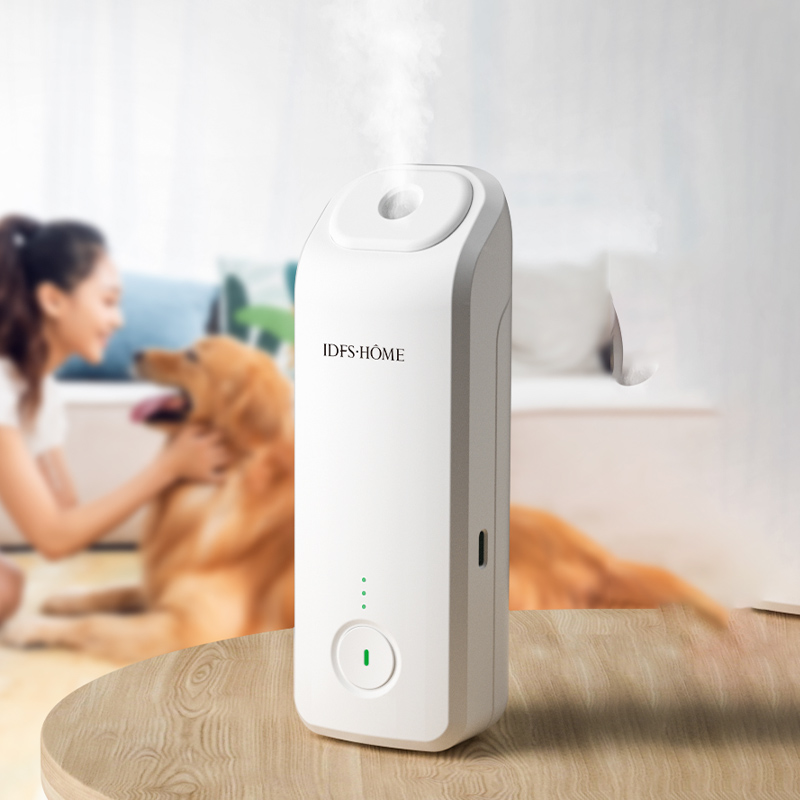
An ultrasonic essential oil diffuser operates using a piezoelectric transducer, which is a small ceramic disc located at the base of the water reservoir. When an electrical current is applied, this disc vibrates at ultrasonic frequencies, typically ranging from 1.7 to 2.4 million times per second (1.7 - 2.4 MHz). These rapid vibrations create cavitation waves in the water. The intense pressure changes cause the water and the essential oil floating on its surface to emulsify, shattering into microscopic droplets that are expelled into the room as a fine, cool mist.
From an engineering standpoint, the quality of that ceramic disc dictates the entire lifespan of the unit. Cheap discs degrade quickly, losing their ability to hit the required resonant frequency. When that happens, the unit might still turn on and light up, but it will produce weak, sputtering mist or no mist at all. High-grade transducers are coated to resist mineral buildup and can run for thousands of hours without a drop in performance.
Because this technology relies on a water reservoir, ultrasonic units inherently serve a dual function. They act as micro-humidifiers while dispersing scent. This makes them highly effective in dry climates or during winter months when indoor heating depletes ambient moisture. The addition of water also extends the lifespan of the essential oil, allowing a few drops to scent a room for several hours, making it a highly economical choice for daily consumers.
The primary trade-off of ultrasonic technology is the dilution of the oil. Because the mist is predominantly water vapor, the therapeutic concentration of the essential oil is lower compared to waterless methods. Furthermore, these devices require strict maintenance. Users must utilize clean, preferably distilled, water to prevent mineral scale buildup on the ceramic transducer, which severely degrades performance. Regular cleaning is absolutely mandatory; stagnant water left in the reservoir becomes a breeding ground for mold and bacteria, which the device will then aerosolize into the breathing environment.
To keep an ultrasonic unit running at peak efficiency, you need a strict maintenance protocol. Here is what we recommend for heavy users:
A nebulizing essential oil diffuser operates entirely without water, relying instead on fluid dynamics—specifically the Bernoulli principle. An internal air pump forces a stream of pressurized air through a narrow micro-tube. As the air velocity increases, it creates a localized vacuum at the top of a secondary tube submerged in the pure essential oil. This vacuum pulls the liquid oil upward. When the oil meets the high-speed air stream, it is blown forcefully against a glass baffle, shattering the oil into billions of micro-droplets that escape through the top of the glass reservoir.
This mechanical process is aggressive. It requires a robust air pump capable of sustaining high pressure over long periods. If the pump is underpowered, it won't create enough vacuum to pull heavier oils up the feed tube. This is why you often see cheap nebulizers fail when users try to diffuse thick oils like sandalwood or patchouli. The pump simply lacks the torque to move the viscous fluid.
Because nebulizers do not use water or heat, they deliver the highest possible concentration of unaltered essential oil components directly into the air. This makes them the gold standard for clinical aromatherapy and situations requiring robust, immediate olfactory impact. The particle size generated by a high-quality nebulizer is exceptionally fine, allowing the pure plant extracts to remain suspended in the air for hours, providing maximum therapeutic yield.
The operational realities of nebulizing technology require careful consideration. These units typically carry a higher upfront cost due to the complexity of the hand-blown glass components and the internal air pump. They also consume essential oils at a significantly faster rate than ultrasonic models, which impacts long-term operational budgets. Additionally, the mechanical air pump generates a distinct humming noise. While modern engineering has dampened this sound, it remains a factor for users requiring absolute silence in environments like bedrooms or meditation spaces.
Evaporative diffusers utilize a simple mechanical fan to direct ambient airflow across a pad or filter saturated with essential oil. As the air passes over the pad, it accelerates the natural evaporation process, carrying the scent into the room. While highly portable and inexpensive, this method presents a significant fractioning risk. Essential oils are complex blends of various chemical components. The lighter, more volatile molecules (top notes) evaporate rapidly, while the heavier molecules (base notes) evaporate much slower. This results in an inconsistent aromatic profile that changes drastically over the course of a few hours.
Heat diffusers use thermal energy to accelerate evaporation. This is commonly seen in traditional ceramic candle warmers or basic electric hot plates. While they are silent and often visually appealing, heat is the enemy of essential oil integrity. Applying thermal energy alters the delicate chemical composition of the oil, destroying its therapeutic properties and often degrading the scent into something synthetic or burnt. Furthermore, open-flame candle diffusers present inherent fire safety risks, making them unsuitable for unattended use, clinical settings, or homes with small children and pets.
Proper physical setup dictates the operational lifespan of any diffuser. For ultrasonic models, strict adherence to filling limitations is critical. Every reservoir features a maximum water line indicator. Exceeding this line places too much hydrostatic weight on the piezoelectric transducer at the base. If the water column is too heavy, the ceramic disc cannot vibrate at its required frequency, stalling the cavitation process and resulting in zero mist production. Always place the unit on a flat, stable surface to ensure the water level remains even across the transducer.
Achieving the correct oil-to-water ratio prevents overwhelming the olfactory senses and protects the device's internal components. A standard baseline for a 100ml ultrasonic reservoir is 3 to 5 drops of essential oil. However, oil density and viscosity heavily influence blending dynamics. Thick, resinous oils like Vetiver or Myrrh require more energy to disperse and can easily clog both ultrasonic transducers and nebulizing micro-tubes. When using highly viscous oils, blending them with lighter, more volatile oils like Lemon or Sweet Orange can improve overall dispersion rates and prevent mechanical fouling.
Where you place the unit directly impacts its efficiency. Elevate the device at least two to three feet off the floor. This height allows the mist to catch ambient air currents and distribute evenly throughout the space before gravity pulls the heavier particles downward. Avoid placing diffusers directly under low-hanging cabinets or immediately next to electronic equipment. The moisture and microscopic oil particles will eventually settle, and prolonged exposure can cause condensation damage to unsealed wood finishes and sensitive circuitry.
Matching the output capacity of the device to the square footage of the room prevents both under-scenting and overwhelming concentration. Output capacity is generally measured in milliliters per hour (ml/hour). Standard ultrasonic units producing 20-30 ml/hour are perfectly scaled for standard bedrooms or home offices (150-250 square feet). For large, open-concept living spaces, hotel lobbies, or commercial environments exceeding 500 square feet, high-output nebulizers or commercial HVAC-integrated diffusion systems are required to achieve adequate coverage.
| Room Size (Sq. Ft.) | Recommended Technology | Minimum Output Capacity | Placement Strategy |
|---|---|---|---|
| Under 150 | Small Ultrasonic | 15-20 ml/hour | Desk or bedside table, away from direct drafts. |
| 150 - 300 | Standard Ultrasonic | 25-35 ml/hour | Centralized location, elevated 3 feet off the floor. |
| 300 - 500 | Large Ultrasonic / Small Nebulizer | 40-50 ml/hour | Near intake vents or areas with natural cross-ventilation. |
| 500+ | High-Output Nebulizer | Continuous Atomization | Central open area, utilizing HVAC airflow if possible. |
Essential oils, particularly citrus oils containing high levels of d-limonene, are highly corrosive solvents. They will rapidly degrade, melt, or crack standard plastics like polystyrene. Evaluating the material composition of the reservoir is non-negotiable. High-quality units utilize medical-grade glass, ceramic, or high-density Polypropylene (PP) and Acrylonitrile Butadiene Styrene (ABS) plastics. These materials offer high chemical resistance, ensuring the device remains structurally sound and preventing toxic plastic compounds from leaching into the water and being aerosolized into the air.
Beyond basic diffusion, operational features significantly enhance daily utility. Intermittent timers (e.g., 30 seconds on, 30 seconds off) prevent olfactory fatigue, allowing occupants to continuously perceive the scent without becoming nose-blind. Auto-shutoff mechanisms linked to water-level sensors are critical safety features that prevent the ultrasonic transducer from overheating and burning out when the reservoir runs dry. Directional mist nozzles allow users to guide the output away from walls, fabrics, or sensitive areas, optimizing airflow integration.
The gap between premium devices and cheap, white-label commodities lies entirely in the manufacturing standards. A reputable factory prioritizes the lifespan of internal components. The ultrasonic ceramic disc is the heart of the machine; premium discs are rated for 3,000 to 5,000 hours of continuous operation, whereas budget alternatives often fail before 1,000 hours. Similarly, the durability of the internal air pump in nebulizers and the thermal stability of the Printed Circuit Board (PCB) dictate whether a unit will survive years of daily use or fail within months.
Rigorous factory-level testing separates reliable inventory from high-liability products. Top-tier manufacturing facilities implement continuous run-time stress tests to evaluate thermal management and motor endurance. Drop tests ensure the outer housing and internal mounts can withstand standard shipping and handling abuse. Furthermore, verifiable material safety certifications—such as CE, RoHS, and FCC compliance—are mandatory to guarantee the electrical safety of the device and the chemical stability of the plastics used in the reservoir.
For commercial buyers and wholesale clients evaluating factory partners, the focus must extend beyond unit cost. A comprehensive evaluation checklist should prioritize warranty terms, historical defect rates, and supply chain transparency. Ensure the factory provides accessible replacement parts, particularly fragile components like glass nebulizer reservoirs or replacement ultrasonic transducers. Partnering with a manufacturer that stands behind their QC metrics drastically reduces return rates and protects brand reputation in the consumer market.
To move forward with your selection, take the following actions:
A: No. Ultrasonic diffusers use high-frequency mechanical vibrations to disperse oils, not heat. This method preserves the chemical integrity and volatile organic compounds of the essential oil, although it does dilute the overall concentration by mixing the oil with water.
A: While ultrasonic diffusers add a small amount of moisture to the air, they are specifically engineered with chemically resistant plastics to handle corrosive essential oils. Standard humidifiers use cheaper plastics that will rapidly degrade, melt, and crack if exposed to pure essential oils.
A: The most common cause is overfilling the water reservoir. If water is filled past the maximum fill line, the hydrostatic weight of the water column prevents the ultrasonic ceramic disc from vibrating at its resonant frequency, effectively stalling the cavitation process.
A: For a standard 100ml ultrasonic reservoir, the industry benchmark is 3 to 5 drops of pure essential oil. You should adjust this ratio based on the specific room ventilation, the inherent potency of the oil being used, and your personal olfactory sensitivity.
A: Nebulizers do not use water to dilute the oil. They rely on pressurized air to atomize pure essential oil directly into the environment. Because they are dispersing 100% pure oil continuously, the consumption rate is significantly higher than ultrasonic models.
A: While you can use tap water, it is highly recommended to use distilled or filtered water. Tap water contains natural minerals that will eventually calcify on the ultrasonic transducer, reducing its vibration efficiency and shortening the lifespan of the device.


