
Views: 0 Author: Site Editor Publish Time: 2026-07-24 Origin: Site


While the market is saturated with aesthetic aromatherapy devices, the underlying mechanical technology of an Essential Oil Diffuser dictates its performance, scent throw, and therapeutic integrity. Consumers and commercial buyers frequently select diffusers based on exterior design, ignoring the mechanical constraints that lead to poor scent dispersion, altered oil chemistry, or premature device failure. Understanding the physics of diffusion—specifically the differences between ultrasonic, nebulizing, evaporative, and heat technologies—is the only reliable framework for selecting the right device for a specific environment or vetting a reliable essential oil diffuser manufacturer for bulk sourcing. You need to look past the bamboo finishes and LED lights. The internal components, from the piezoelectric transducer to the micro-air pump, determine how well the device atomizes volatile plant compounds. A poorly engineered unit simply spits heavy water droplets onto your furniture. We will break down the exact mechanical operations of these devices so you can make an informed hardware decision based on fluid dynamics and material science.
The core mechanical objective of any diffuser is to transform a viscous, volatile liquid into airborne micro-particles without destroying its chemical constituents. Achieving this requires precise engineering to balance particle size, temperature stability, and material durability. When a device fails to meet these criteria, it either produces heavy droplets that fall immediately to the floor or alters the oil's molecular structure, negating any potential benefits. You cannot simply force a liquid into the air and expect it to stay there. Gravity and air pressure dictate that only particles of a specific mass will achieve true suspension.
Evaluating diffusion technology requires looking at specific features and their direct outcomes on performance. The primary dimensions include particle size, temperature stability, and material degradation. Smaller particles, specifically those under 5 microns, remain airborne longer. They distribute more evenly across a room and cover a larger square footage. Heavy particles simply create localized condensation, ruining wood finishes and leaving oily residues on countertops.
Essential oils possess low flash points. Introducing heat degrades delicate terpenes and fundamentally alters the scent profile. Cold diffusion maintains the original chemical structure. Citrus oils and high-phenol oils are highly corrosive to standard plastics. Devices must utilize specific build materials to prevent the reservoir from breaking down and leaching plastic compounds into the air. If you put pure lemon oil into a cheap ABS plastic container, the d-limonene will eat through the plastic within days.
| Particle Size (Microns) | Suspension Time in Still Air | Surface Condensation Risk | Inhalation Efficiency |
|---|---|---|---|
| 1 - 3 Microns | 2 to 4 Hours | Zero | Maximum |
| 4 - 10 Microns | 30 to 60 Minutes | Low | High |
| 11 - 20 Microns | 5 to 10 Minutes | Moderate | Low |
| 50+ Microns | Under 1 Minute | Severe (Puddling) | None |
Biological interaction relies heavily on these mechanics. When airborne micro-particles are properly atomized, they interact efficiently with the environment and human olfactory receptors upon inhalation. Heavy droplets fail to reach the olfactory bulb effectively, reducing the sensory impact. It is also necessary to distinguish between cold aerosolized mist and thermal steam. Modern devices produce a cold mist through mechanical agitation or pressurized air, ensuring the oil remains intact. Legacy vaporizers produce thermal steam by boiling water, which destroys the therapeutic properties of the oils through excessive heat.
The mechanics of an ultrasonic essential oil diffuser rely on a piezoelectric transducer, which is a small ceramic disc located at the base of the water reservoir. When powered, this disc vibrates at high frequencies, typically between 1.7 and 2.4 MHz. These rapid vibrations create cavitation in the water. The intense mechanical action breaks both the floating essential oil and the water into a fine, cool mist that is then blown out of the device by a small internal fan. The frequency of the transducer directly correlates to the fineness of the mist. A 2.4 MHz plate produces a noticeably finer vapor than a 1.7 MHz plate.
This technology offers distinct performance outcomes and trade-offs. On the positive side, these devices double as micro-humidifiers, adding slight moisture to dry air. They operate almost silently, making them ideal for quiet environments. They also use less essential oil per hour compared to other methods and generally sit at a lower price point. However, the drawbacks include diluting the scent profile with water. They require a nearby water source for continuous operation and introduce unwanted moisture into environments that may already be humid. Furthermore, there is a strict risk of mold and bacterial growth if the water tank is not cleaned and dried properly between uses.
Operational requirements dictate specific water-to-oil ratios to maintain transducer longevity. The standard guideline is 3 to 10 drops of oil per 100ml of water. Mineral content heavily impacts the device. Hard water leaves calcium and magnesium deposits on the ceramic disc, insulating it and reducing mist output. Using distilled or purified water extends the lifespan of the ultrasonic plate significantly. If you notice a drop in vapor production, the ceramic plate is likely coated in mineral scale or polymerized essential oil resin.
The best use cases for ultrasonic models include residential bedrooms, dry climates, and budget-conscious commercial spaces. They excel in environments where ambient, subtle scenting is preferred over intense therapeutic potency. Because they rely on water, they are not suitable for areas where humidity control is strictly managed, such as server rooms, libraries, or archival storage facilities.
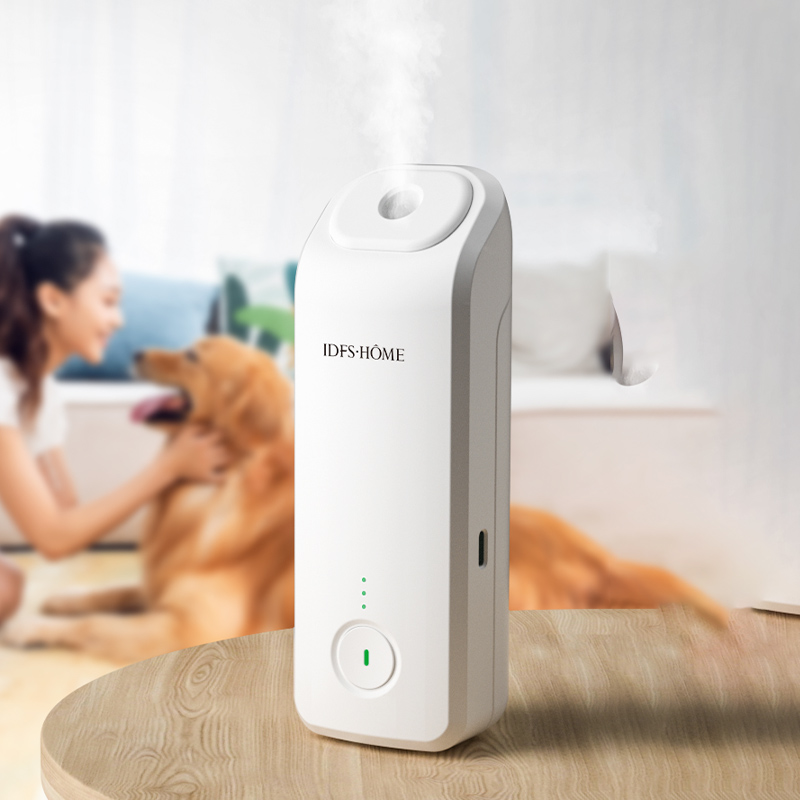
A nebulizing essential oil diffuser operates on the Bernoulli principle. An internal air pump forces pressurized air through a small micro-tube. This high-velocity airflow creates a vacuum that pulls pure essential oil from a glass reservoir up through a secondary tube. The oil is then blown forcefully against a glass baffle, atomizing it into a micro-fine vapor. This process requires zero water and zero heat. The engineering tolerances inside the glass blowing process must be exact; if the distance between the air tube and the oil tube is off by a fraction of a millimeter, the vacuum fails and the device will not atomize the liquid.
The performance outcomes heavily favor therapeutic applications. Nebulizers deliver 100% pure oil, ensuring maximum therapeutic benefit and the strongest, fastest scent throw available. They add zero humidity to the room and eliminate the risk of waterborne bacteria. The trade-offs are notable, however. They consume essential oil rapidly due to the lack of dilution. The internal air pump generates a noticeable humming noise that some find disruptive. They carry a higher upfront cost and require meticulous cleaning routines, usually involving running rubbing alcohol through the system, to prevent the micro-tubes from clogging with thick resinous oils.
| Feature | Ultrasonic Technology | Nebulizing Technology |
|---|---|---|
| Water Required | Yes (100ml - 500ml typical) | No (Pure oil only) |
| Scent Throw Intensity | Mild to Moderate | Extremely High |
| Noise Level | Near Silent (Fan whisper) | Noticeable (Air pump hum) |
| Oil Consumption Rate | Low (3-10 drops per session) | High (1-3 ml per hour) |
| Maintenance Focus | Descaling mineral buildup | Clearing resin clogs |
These devices are best suited for large open-concept spaces, clinical aromatherapy settings, spas, and premium commercial environments that require rapid and dense scent saturation without added moisture. When deploying a nebulizer in a commercial space, you must account for the HVAC airflow. Placing a high-output nebulizer directly under a return air vent will simply suck the atomized oil into the ductwork, wasting the product and potentially fouling the air filters.
Evaporative diffusers operate using a simple fan mechanism. The fan blows ambient air across a pad or filter soaked in essential oil. The primary drawback here is fractional evaporation. Essential oils are complex compounds made of lighter and heavier molecules. The lighter scent notes, known as top notes like citrus and peppermint, evaporate quickly. The heavier base notes, like cedarwood and patchouli, remain on the pad longer. This skews the aroma, meaning the scent you smell at minute ten is completely different from the scent at minute sixty. You lose the intended synergy of the blended oil.
Heat diffusers utilize thermal energy, typically via candles or electric hot plates, to increase the evaporation rate of the oil. While effective at dispersing scent quickly, the implementation risks are severe. Thermal degradation destroys the therapeutic properties of the essential oils, breaking down the delicate chemical bonds. Heating an essential oil past its flash point can cause oxidation, turning a pleasant aroma into a harsh, acrid smell. Additionally, candle-based heat diffusers present a clear fire hazard. Because of these severe trade-offs, modern aromatherapists and manufacturers have largely abandoned heat-based methods in favor of cold atomization.
You will still find evaporative systems in cheap car air fresheners or passive reed diffusers. While they require zero electricity and have no moving parts to break, their scent throw is entirely dependent on ambient room temperature and natural air currents. In a stagnant room, an evaporative diffuser will only scent a three-foot radius. They are entirely inadequate for active space scenting or therapeutic applications.
Proper device placement dictates how well the scent disperses. Position the device at an optimal height, typically 3 to 6 feet off the ground. This allows the micro-particles to catch ambient air currents and distribute evenly. Placing a diffuser directly on the floor limits dispersion, while placing it too close to the ceiling or under shelves can cause surface condensation and potential damage to finishes. Keep the unit away from direct sunlight, as UV rays degrade the essential oils sitting in the reservoir.
Blending essential oils requires attention to viscosity. Thick oils like vetiver, sandalwood, or patchouli can clog nebulizer nozzles and leave heavy residues on ultrasonic plates. When formulating blends, balance heavy resinous oils with lighter, thinner oils like citrus or eucalyptus to ensure smooth operation. Calculate ratios based on the run time and the specific capacity of the device to avoid overloading the transducer. If you run pure vetiver through a nebulizer, you will clog the micro-glass tubes within twenty minutes, requiring a deep solvent soak to clear the blockage.
Safety and inhalation controls are critical. Continuous diffusion leads to olfactory fatigue, where you no longer smell the oil, and can cause respiratory irritation. Implement intermittent diffusion schedules, such as 30 minutes on followed by 30 minutes off. Always adhere to critical pet and child safety warnings, as certain oils are highly toxic to cats and dogs when inhaled or absorbed. Tea tree, eucalyptus, and peppermint require extreme caution around animals. Ensure the room has adequate ventilation; you are introducing volatile organic compounds into the air, and even natural compounds require fresh air exchange.
Material compatibility is the first metric to check when evaluating hardware. Undiluted essential oils are powerful solvents. Devices must utilize medical-grade glass, ceramic, or high-grade, BPA-free Polypropylene (PP) plastics. Specifically, PP #5 is required to withstand the corrosive nature of citrus and high-phenol oils. Standard ABS plastics will melt, warp, and release toxic compounds into the mist. If a manufacturer cannot specify the exact grade of plastic used in the water reservoir, do not purchase the unit.
Transducer and motor lifespans dictate the true value of the device. The longevity of an ultrasonic model depends entirely on the quality of the ceramic piezoelectric plate, while a nebulizer relies on the durability of its internal air pump. Cheap components sourced from unverified suppliers typically lead to rapid mechanical failure within 3 to 6 months of daily use. A high-quality ultrasonic transducer should be rated for at least 3,000 to 5,000 hours of continuous operation before the ceramic begins to degrade and lose its vibrational amplitude.
Scalability and compliance are mandatory when partnering for commercial outfitting or white-labeling. Ensure the manufacturer provides necessary electrical certifications, including CE, RoHS, FCC, and UL. Request documentation on their QA testing protocols, specifically regarding continuous run-times and material stress tests, to guarantee the hardware can survive commercial deployment. You need to verify that the internal circuit boards are conformal coated to protect them from the inevitable moisture exposure that occurs inside a water-based diffuser.
A: No. Because they use cold-water cavitation driven by high-frequency vibrations rather than heat, they preserve the chemical integrity of the oil. They do dilute the concentration with water, but the molecular structure of the essential oil remains entirely intact during atomization.
A: Nebulizing diffusers cover the most square footage. They atomize pure essential oil without water weight, creating ultra-fine particles that remain airborne longer and travel further on ambient air currents, making them ideal for large or open-concept spaces.
A: The standard guideline is 3 to 5 drops of essential oil per 100ml of water. Adhering to this ratio prevents excessive oil buildup on the piezoelectric disc, ensures clean atomization, and prevents the device from sputtering or failing prematurely.
A: Reduced mist output is almost always caused by mineral buildup from hard water or sticky oil residue coating the piezoelectric disc at the bottom of the tank. Cleaning the disc gently with rubbing alcohol or a white vinegar solution usually restores full function.
A: While you can, it is not recommended. Tap water contains minerals like calcium and magnesium that create scale buildup on the internal components and disperse white mineral dust into the air. Distilled or purified water is highly recommended to extend device lifespan.
A: No. Heat alters the delicate molecular structure of essential oils, destroying their therapeutic benefits. Furthermore, excessive heat can degrade the compounds into potentially harmful substances, and open-flame heat diffusers present a significant fire hazard.
A: Prioritize manufacturers with verifiable ISO certifications and electrical safety ratings (UL, CE, FCC). Ensure they use corrosion-resistant PP #5 plastics or medical-grade glass. Review their warranty terms on internal pumps and transducers, and confirm their OEM/ODM capabilities for custom projects.


