
Views: 0 Author: Site Editor Publish Time: 2026-07-12 Origin: Site


Operating an unmaintained device compromises indoor air quality, alters scent profiles, and accelerates hardware failure. Residual essential oils contain volatile organic compounds (VOCs) and lipids that coagulate over time. Combined with hard water minerals, this buildup clogs ultrasonic plates, breeds mold, and frequently voids manufacturer warranties. When you ignore routine cleaning, the internal transducer works harder to aerosolize water through the dense lipid barrier. This extra mechanical strain overheats the motor and degrades the internal silicone seals, leading to leaks and electrical shorts. This guide provides evidence-based maintenance protocols, evaluates the efficacy of common cleaning agents, and outlines step-by-step procedures to maximize device lifespan and ensure safe operation. We cover exact dilution ratios, safe solvent applications, and mechanical troubleshooting steps to keep your equipment running at peak efficiency without risking respiratory health or hardware damage.
A properly maintained Essential Oil Diffuser exhibits zero residual odor, produces optimal mist output, and shows no visible scaling or biofilm inside the water basin. Achieving this baseline requires understanding exactly how water and oils interact with internal electronic components over time. The core mechanism relies on a piezoelectric transducer, a small ceramic disc that vibrates at ultrasonic frequencies (typically around 2.4 MHz). These rapid vibrations create capillary waves in the water, breaking the liquid into a fine mist. Any physical barrier on this disc dampens the vibration, directly reducing the mist output.
Heavy, resinous oils like vetiver, patchouli, and sandalwood leave sticky lipid residues that harden rapidly upon exposure to air. This polymerization process creates a dense, insulating layer over the ultrasonic transducer. When coated in thick oil resin, the transducer must draw more current to achieve the necessary vibration amplitude. This leads to motor strain, excess heat generation, and diminished output. Lighter citrus oils do not polymerize as quickly, but they contain terpenes that can degrade low-quality plastics if left sitting in the reservoir for extended periods.
Mineral scaling presents another significant mechanical threat. Using standard tap water instead of distilled water introduces dissolved solids, primarily calcium and magnesium, into the reservoir. As the water aerosolizes, these heavy minerals are left behind. They calcify directly on the oscillating plate and internal water level sensors. Over time, this hard white scale blocks the ultrasonic vibrations entirely. It also causes the device to misread water levels, leading to unexpected shut-offs or dry-running, which can burn out the motor.
Beyond mechanical failure, neglected reservoirs pose serious biological risks. Stagnant, warm water creates an ideal breeding ground for bacteria, fungi, and mold spores. Biofilm, a slimy matrix of microorganisms, forms on the plastic walls within 48 hours of water stagnation. When the device is turned on, these pathogens are aerosolized directly into your breathing space. Regular maintenance protects the hardware, but more importantly, it protects your respiratory health by preventing the inhalation of aerosolized mold spores.
| Oil Viscosity Profile | Common Examples | Residue Characteristics | Impact on Transducer |
|---|---|---|---|
| High Viscosity (Base Notes) | Vetiver, Sandalwood, Patchouli | Thick, sticky, polymerizes rapidly | Severe dampening of ultrasonic vibrations; requires solvent cleaning. |
| Medium Viscosity (Middle Notes) | Lavender, Rosemary, Peppermint | Moderate film, builds up over weeks | Gradual reduction in mist output; easily managed with routine wiping. |
| Low Viscosity (Top Notes) | Lemon, Sweet Orange, Bergamot | Thin film, high terpene content | Minimal vibration dampening, but can degrade cheap plastics over time. |
Selecting the right cleaning agent dictates the success of your maintenance routine. Distilled white vinegar, primarily composed of 5% acetic acid, is a highly effective, mild acid that dissolves mineral deposits and neutralizes alkaline odors. It breaks down the calcium carbonate bonds found in hard water scale. However, it requires careful application. Running active cycles with heavy vinegar concentrations releases strong acidic odors into the workspace, which irritates the eyes and mucous membranes. Static soaking is generally preferred over active misting when using vinegar.
Isopropyl alcohol (70% to 99% concentration) serves as a potent solvent for breaking down stubborn essential oil lipids and resins. It is best utilized for targeted cleaning of the delicate internal plates via a cotton swab. Because it evaporates rapidly at room temperature, it leaves no moisture or residue behind, making it ideal for cleaning near electronic components. Higher concentrations (90%+) are more effective at cutting through heavy resins like myrrh or frankincense.
Mild, unscented dishwashing liquid utilizes surfactants to emulsify oils and break down greasy films left on non-electrical, removable parts like outer shells and lids. The surfactant molecules bind to the oil on one end and water on the other, allowing the grease to be rinsed away. The primary trade-off is the strict rinsing requirement. If the soap is not completely rinsed away, it causes excessive foaming during subsequent operation. This foam can breach the internal air vents and force moisture into the printed circuit board (PCB).
For commercial environments or users requiring a standardized solution, a dedicated essential oil diffuser cleaner offers a balanced, warranty-compliant formula. While household solvents are cost-effective, pre-formulated cleaners take the guesswork out of dilution ratios. They are specifically engineered to dissolve lipids and scale without degrading the polypropylene (PP) or acrylonitrile butadiene styrene (ABS) plastics commonly used in diffuser construction.
Certain agents must be strictly avoided. Chemicals like bleach, ammonia, high-acid citrus concentrates, and abrasive scouring pads rapidly degrade medical-grade plastics and silicone gaskets. Bleach causes the plastic to become brittle and crack, while abrasive pads scratch the ceramic ultrasonic disc, permanently altering its vibration frequency. Using these harsh chemicals instantly voids manufacturer warranties and causes irreversible damage to the unit.
| Cleaning Agent | Primary Mechanism | Best Use Case | Safety Warning |
|---|---|---|---|
| Distilled White Vinegar | Acidic dissolution of minerals | Removing hard water scale and neutralizing odors | Do not aerosolize in poorly ventilated areas. |
| Isopropyl Alcohol (90%+) | Solvent breakdown of lipids | Spot-cleaning the ultrasonic transducer plate | Highly flammable; ensure device is unplugged. |
| Mild Dish Soap | Surfactant emulsification | Washing removable plastic lids and covers | Must be rinsed completely to prevent foaming. |
| Abrasive Powders/Pads | Mechanical scraping | NEVER USE | Permanently scratches the ceramic transducer. |
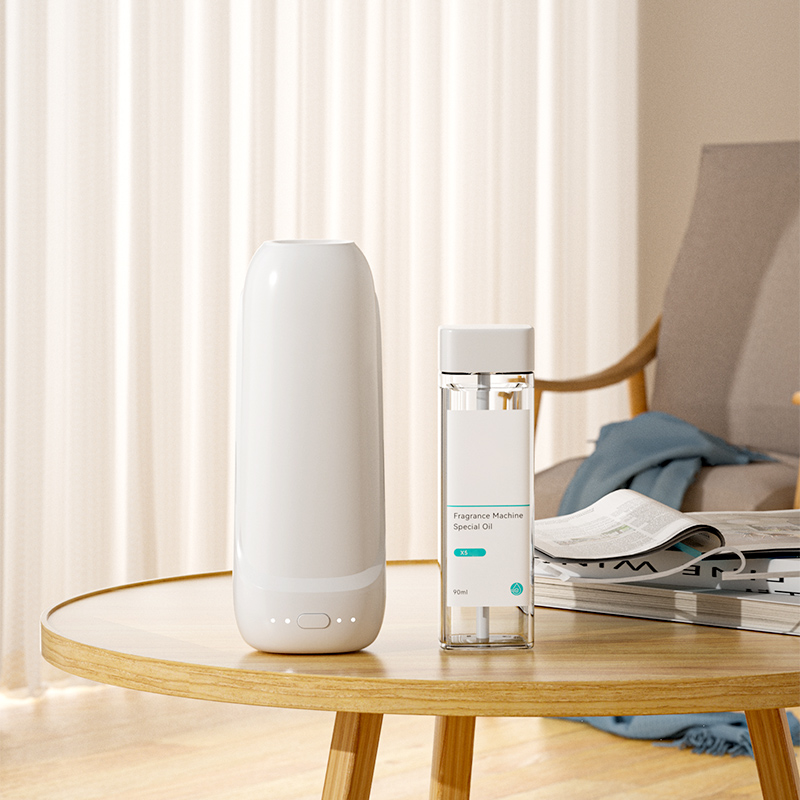
Always unplug the device from the wall outlet before performing any maintenance to ensure electrical safety. Discard residual water immediately after use. Do not let water sit in the basin overnight. Always pour the water away from the air intake vent. Most units have a designated drainage side marked by an arrow; pouring water into the air vent floods the internal circuitry and destroys the motherboard.
Wipe out the reservoir with a damp cotton cloth to lift any lingering oil film. Follow this immediately with a dry, lint-free microfiber cloth. Removing all standing moisture prevents lipid polymerization and stops bacteria from colonizing between uses. Inspect the ultrasonic plate visually to ensure no thick oil droplets remain on the ceramic surface.
Unplug the device and detach any removable plastic components, including lids, vapor caps, and decorative covers. Submerge these non-electrical parts in a sink filled with hot water and a few drops of mild dishwashing liquid. This emulsifies external grease, dust, and airborne particulates that settle on the outer housing. Use a soft sponge to wipe them down, then rinse them completely under clean water and dry thoroughly with a towel.
For standard internal maintenance, fill the water reservoir half full with clean tap water. Add exactly 10 drops (roughly 1/2 teaspoon) of white vinegar. Place the unit in a well-ventilated room, plug it in, and run the ultrasonic essential oil diffuser for 5 to 10 minutes. This active cycle forces the mildly acidic solution through the internal misting pathways, clearing out minor scale and neutralizing odors. Unplug the unit and discard the solution immediately after the cycle completes.
If scaling is severe and thick white deposits are visible, opt for a static soak instead of an active run. Fill the reservoir with a 50/50 mixture of warm water and white vinegar. Let it sit static overnight without running the device. The extended contact time allows the acetic acid to dissolve hard mineral scale safely without aerosolizing harsh vinegar fumes into your environment. The next morning, pour out the solution and rinse the basin with fresh water.
Next, dip a precision cotton swab in 90% isopropyl alcohol. Gently clean the delicate ultrasonic plate at the bottom of the basin. Use light, circular motions to lift away stubborn resins. Never use metal tools, tweezers, or apply harsh downward pressure, as the ceramic plate is highly sensitive and easily cracked. Finally, wipe the entire unit clean with a dry cloth and let it air-dry completely for at least two hours before reassembling or placing it into storage.
Sometimes, a standard cleaning cycle does not immediately resolve performance issues. If you experience weak or sputtering mist output after cleaning, you must diagnose whether the issue is residual hard water scale or a failing ultrasonic transducer. Run your finger lightly over the transducer plate (while unplugged). If it feels rough, calcification remains, and repeated vinegar soaks are required. If the plate is perfectly smooth and clean but the mist remains weak, the transducer motor has likely reached the end of its lifecycle and the unit requires replacement.
Overheating or unusual grinding noises typically indicate blocked air intakes or fan motor failure rather than simple reservoir blockages. The internal fan pushes air up through the unit to carry the mist out of the vapor cap. Check the bottom vents for dust accumulation, pet hair, or debris. Clear these vents using a can of compressed air. If the fan continues to struggle or makes a high-pitched whining noise, the internal bearings are compromised, usually due to moisture ingress from improper pouring.
Persistent odor cross-contamination occurs when heavy base notes like patchouli or ylang-ylang seep into the micro-abrasions of the plastic housing. To mitigate this, run a short 15-minute cycle with plain water and 5 drops of lemon essential oil. Lemon contains high levels of limonene, which acts as a natural degreaser and odor neutralizer. It strips away dominant scents without damaging the hardware. Afterward, wipe the basin dry.
Water leaking from the bottom of the unit indicates a failure of the internal silicone gaskets. Over time, exposure to highly acidic oils or harsh cleaning chemicals causes these gaskets to dry rot, shrink, or crack. Once water breaches the electrical housing and leaks out the bottom vents, the unit poses a severe short-circuit and fire hazard. Do not attempt to seal it with external adhesives; retire the unit immediately.
| Symptom | Potential Cause | Diagnostic Step | Resolution |
|---|---|---|---|
| Weak or no mist output | Scale buildup on transducer | Inspect plate for white, chalky residue. | Perform an overnight 50/50 static vinegar soak. |
| Loud grinding noise | Blocked bottom air intake | Check bottom vents for dust or hair. | Blow out vents with compressed air. |
| Unit shuts off prematurely | Dirty water level sensor | Locate the sensor pin; check for oil film. | Swab the sensor pin with isopropyl alcohol. |
| Water leaking from base | Degraded silicone gaskets | Inspect the table surface for water pooling. | Retire the unit immediately; fire hazard. |
Hardware does not last forever, even with meticulous maintenance. Irreversible damage is evident when the ultrasonic plate becomes permanently etched or pitted from hard water. You will notice small physical craters on the ceramic disc. Additionally, if the internal silicone gaskets have dry-rotted and begin leaking water into the base, the device is compromised. Once water breaches the electrical housing, the unit must be retired immediately to prevent electrical shocks or fire hazards.
When selecting a replacement, evaluating an essential oil diffuser supplier is a critical step. Look for suppliers that utilize medical-grade, BPA-free plastics (like high-grade Polypropylene) that resist essential oil degradation. Ensure the design features an accessible, wide-basin ultrasonic plate for easy swabbing. Narrow, deep reservoirs make routine cleaning nearly impossible. Review their warranty documentation specifically regarding approved cleaning methods to ensure your maintenance routine does not void the coverage.
Consider the trade-offs between commercial and consumer-grade units. Commercial units offer higher durability, larger reservoirs, and stronger transducer motors capable of running continuously for 12+ hours. However, they require stricter maintenance schedules and carry higher upfront costs. Consumer models are cost-effective and suitable for intermittent home use, but they require more frequent replacement if subjected to heavy, daily use with thick, resinous oils.
A: Perform a quick wipe-down with a damp cloth daily or after each use. Execute a deep clean using vinegar or isopropyl alcohol every 1 to 2 weeks, or immediately after diffusing heavy, resinous oils like vetiver or sandalwood.
A: You can use mild, unscented dish soap to soak and cut grease on removable outer plastic parts. Avoid using dish soap inside the main reservoir during active run-cycles, as it causes excessive foaming and forces moisture into the internal circuitry.
A: Reduced mist output is directly correlated to mineral buildup or oil resin coating the oscillating ultrasonic plate. This insulating layer prevents the transducer from vibrating at the necessary frequency to properly aerosolize the water.
A: While commercial cleaners offer convenience and standardized, warranty-compliant formulas, they are not strictly necessary. A 50/50 mixture of distilled water and white vinegar is highly effective, industry-accepted, and safely removes scale and odors.
A: Yes. You can run a diluted solution of water and 10 drops of white vinegar for 5 to 10 minutes to clear internal misting pathways. Always perform this active cycle in a well-ventilated area to avoid inhaling strong acidic vapors.
A: Static soaking with a 50/50 vinegar and water solution overnight is the safest and most effective method for heavily neglected tanks. It dissolves stubborn mineral scale without aerosolizing harsh vinegar fumes into your breathing space.
A: Dip a soft cotton swab in high-concentration isopropyl alcohol and gently wipe the plate using light, circular motions. Never apply hard downward pressure or use metal scraping tools, as the ceramic plate is highly sensitive and easily scratched.


