
Views: 0 Author: Site Editor Publish Time: 2026-07-19 Origin: Site


Operating an essential oil diffuser requires more than just adding water and pressing a button; improper use frequently leads to unit degradation, poor scent dispersion, or indoor air quality issues. Users often face diminished mist output, internal mold growth, or compromised device longevity due to incorrect water types, improper oil ratios, and neglected maintenance protocols. You cannot expect optimal performance without understanding the mechanics of your specific device. This guide provides an evidence-based framework for operating, maintaining, and evaluating an aroma diffuser to maximize therapeutic yield and hardware lifespan. We will outline actionable steps, from selecting the right water to troubleshooting common hardware failures, ensuring your equipment runs efficiently for years.
Ultrasonic units utilize high-frequency vibrations to break down water and oil into a fine, cool mist. A small ceramic disc at the bottom of the reservoir vibrates rapidly, creating ultrasonic waves that agitate the water. This action forces the water and oil mixture into microscopic particles that disperse into the room. They offer mild humidifying properties and operate cost-effectively. You will experience lower overall oil consumption compared to other methods because the water acts as a carrier. However, the scent profile remains diluted. You must perform frequent water refills and adhere to strict cleaning protocols to prevent mold growth inside the damp reservoir.
Nebulizing models use an atomizer to create a vacuum. This vacuum pulls pure oil to the surface and blows it into the air as a micro-fine vapor. They deliver a highly concentrated aroma without requiring water, which preserves the complete chemical integrity of the oil. Because there is no water to dilute the scent, nebulizers are highly effective for large spaces or clinical aromatherapy applications. Trade-offs include a higher initial cost and rapid oil consumption. You may also notice operational noise from the internal pressurized air pump, which can be distracting in quiet environments like bedrooms or offices.
Glass units frequently pair with ultrasonic or nebulizing bases, utilizing a hand-blown glass cover or internal reservoir. Glass is a highly aesthetic and chemically inert material. It does not degrade when exposed to acidic citrus oils, unlike some cheaper plastics. You can easily visually inspect the unit for purity and cleanliness, spotting lipid buildup immediately. Conversely, glass remains fragile. It is prone to thermal shock if washed with hot water immediately after operating in a cool room. Oil residue and water spots also show up quickly on clear surfaces, requiring more frequent exterior wiping to maintain a clean appearance.
These devices utilize gentle heat or fan-blown air across a pad or filter to evaporate the oil. They provide a simple, low-tech dispersion method often used in cars or small personal spaces. However, heat can alter the therapeutic properties of essential oils, breaking down delicate volatile compounds. Evaporative models often offer uneven scent distribution. Lighter molecules evaporate first, leaving heavier base notes trapped in the filter pad, which eventually requires replacement.
| Diffuser Type | Mechanism of Action | Primary Advantage | Main Drawback | Ideal Use Case |
|---|---|---|---|---|
| Ultrasonic | High-frequency water vibration | Adds humidity, uses less oil | Requires frequent cleaning | Bedrooms, dry climates |
| Nebulizing | Pressurized air vacuum | Strongest scent, no water | Consumes oil rapidly, noisy | Large living areas, clinics |
| Glass | Various bases with glass housing | Chemically inert, aesthetic | Fragile, shows residue | Living rooms, spas |
| Evaporative | Fan or gentle heat | Simple operation, portable | Uneven scent distribution | Desks, small bathrooms |
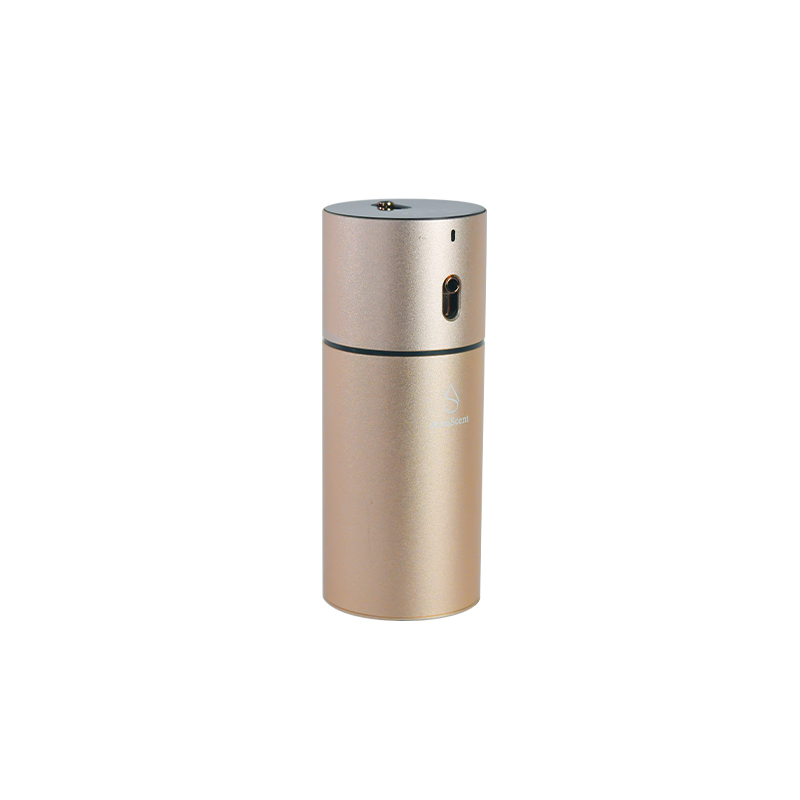
Placement dictates how effectively the scent fills your room. You must place the unit on a solid, flat, water-resistant surface. A dedicated tray on a nightstand, kitchen counter, or side table works perfectly. Maintain a minimum clearance of two feet off the ground. This height allows the mist to mix with room air before settling on the floor, preventing moisture accumulation on carpets or hardwood. Avoid placing your Essential Oil Diffuser in direct sunlight, which can heat the unit and degrade the oils. Keep it away from high-velocity fans, return air vents, and open windows that disrupt the vapor plume and pull the scent out of the room.
Water quality directly impacts hardware longevity. Distilled or filtered water is highly recommended. Tap water contains minerals like calcium and magnesium that create hard scale buildup on the oscillating plate. This scale eventually stops the unit from misting and requires aggressive cleaning to remove. Never exceed the maximum fill line inside the reservoir. Overfilling suppresses the ultrasonic vibrations. If the water volume is too heavy, the ceramic plate cannot oscillate at the required frequency, resulting in zero mist output and potential strain on the internal motor.
The standard baseline requires 3 to 5 drops per 100ml of water. Aromatherapists recommend layering different notes for a balanced profile. You can mix top notes like citrus or peppermint, middle notes like lavender or chamomile, and base notes like cedarwood or frankincense. Do not overload the reservoir. The "more is better" myth is dangerous. Excessive oil causes lipid pooling, damages the transducer, and can trigger respiratory irritation or headaches. Always verify you are using 100% pure essential oils. Synthetic fragrance oils contain carrier lipids and artificial additives that permanently clog internal components and leave a sticky residue.
You do not always need electronic hardware to enjoy aromatherapy. Passive methods work well for small spaces, travel, or situations where power is unavailable. These techniques rely on natural evaporation rather than forced dispersion.
You must map the reservoir size to your square footage to achieve the desired scent density. A 100ml unit adequately covers up to 150 square feet, making it suitable for bathrooms or small offices. For open-concept spaces or large living rooms, you need a 300ml to 500ml capacity. Evaluate the mist output rates, usually measured in milliliters per hour (ml/h). Higher output rates generate denser scent profiles but drain the reservoir faster, requiring more frequent refills.
Intermittent diffusion is a physiological necessity. Running a unit continuously can lead to olfactory fatigue, where your nose becomes blind to the scent. Operating on a cycle of 30 minutes on and 30 minutes off prevents this and protects you from overexposure to volatile organic compounds. Hardware safety relies heavily on waterless auto-shutoff features. This mechanism uses a sensor to detect when the reservoir empties, automatically cutting power to the transducer to prevent overheating, component melting, and electrical hazards.
Construction materials dictate chemical compatibility and device lifespan. Look for medical-grade, BPA-free plastics like Polypropylene (PP) for the internal reservoir. High-borosilicate glass or ceramic options are also excellent for outer housings. Citrus oils contain compounds like d-limonene that actively degrade low-grade plastics over time. Using cheap materials leads to micro-cracking, leaking, and potential chemical leaching into your air supply.
Stagnant water poses a severe health risk. Leaving water in the reservoir for more than 24 hours compromises indoor air quality. Bacteria and mold spores multiply rapidly in damp, dark environments, and the device will aerosolize these pathogens into your breathing space the next time you turn it on. Implement strict drying protocols. Empty any residual water, wipe down the basin with a clean microfiber cloth, and leave the lid off to air dry after daily use.
Pets process airborne compounds differently than humans. Cats and dogs lack specific liver enzymes required to metabolize certain essential oils, leading to toxic buildup in their systems. Tea tree, eucalyptus, pennyroyal, wintergreen, and citrus oils are highly toxic to them. Mitigate this risk by diffusing only in well-ventilated, pet-free zones. Keep the device out of reach to prevent accidental spills or ingestion. Always monitor animal behavior for signs of respiratory distress, drooling, or lethargy when introducing a new scent.
Consistent maintenance prevents irreversible hardware damage and ensures pure scent output. Daily maintenance involves emptying residual water and wiping the basin with a microfiber cloth to remove loose oil droplets. Perform deep cleaning bi-weekly to tackle stubborn buildup. Use a vinegar-and-water cycle to dissolve mineral scale and oxidized oil residue. For glass-specific maintenance, utilize rubbing alcohol rinses. Alcohol dissolves stubborn lipid films quickly without risking glass breakage from abrasive scrubbers or stiff brushes.
Diminished mist output usually has a simple fix. Before assuming the unit is broken, follow this diagnostic checklist:
| Symptom | Potential Cause | Actionable Solution |
|---|---|---|
| Zero mist, lights on | Water level above max fill line | Pour out water until it sits below the indicator line. |
| Weak mist output | Mineral scale on ultrasonic plate | Clean the ceramic disc gently with a cotton swab and rubbing alcohol. |
| Device won't turn on | Power supply issue | Verify the adapter is fully plugged into both the wall and the base of the unit. |
| Sputtering sound | Air intake blocked | Ensure the bottom of the unit is sitting on a hard, flat surface, not a towel or carpet. |
Commercial procurement requires strict vetting to ensure product safety and reliability. When evaluating an essential oil diffuser exporter, verify international safety certifications first. Look for CE, RoHS, FCC, and UL marks, which indicate compliance with electrical and material safety standards. Assess their manufacturing quality control processes. Ask about defect rates in ultrasonic plates and review warranty terms for bulk orders. Supply chain transparency is critical. Ensure the exporter uses high-grade, essential-oil-resistant polymers and high-durability glass during mass production to prevent high return rates from end-users experiencing cracked reservoirs.
Proper essential oil diffuser usage hinges on strict adherence to water limits, precise oil ratios, and rigorous maintenance schedules. When evaluating a new unit, prioritize medical-grade materials and intermittent timer settings. Ensure the output capacity matches your specific room dimensions to avoid overwhelming the space or under-scenting it. To guarantee hardware longevity and optimal scent dispersion, follow these next steps:
A: The standard recommendation is 3 to 5 drops per 100ml of water. You can adjust this slightly based on oil viscosity and your desired scent strength. Avoid exceeding 10 drops total to prevent hardware clogging and respiratory irritation.
A: While some manufacturers allow it, tap water contains minerals that create scale buildup on the ultrasonic plate. This scale eventually blocks mist output. Distilled or filtered water is strongly recommended for hardware longevity.
A: Alternative methods include applying drops to a cotton ball or using a passive reed diffuser. You can also add oils to a spray bottle mixed with water and witch hazel. Wool dryer balls and stovetop simmer pots are also effective.
A: Common causes include filling water past the maximum line, a dirty ultrasonic plate, or a failing power adapter. Empty the unit completely. Clean the small oscillating plate with rubbing alcohol, and refill the water strictly below the max line.
A: Continuous exposure can cause olfactory fatigue and mild respiratory irritation. It is safer to use a unit with intermittent timer settings. Ensure the device has a waterless auto-shutoff feature to prevent overheating while you sleep.


