
Views: 0 Author: Site Editor Publish Time: 2026-07-29 Origin: Site


The therapeutic and aromatic benefits of essential oils depend heavily on the mechanical efficiency and correct operation of the diffusion device. Improper setup, incorrect oil-to-water ratios, and neglected maintenance lead to wasted essential oils, compromised indoor air quality, damaged surfaces, and premature hardware failure. Operating these devices requires more than just adding water and pressing a button; it demands an understanding of fluid dynamics, material compatibility, and routine hardware care. When you fail to maintain the internal components, mineral scale and heavy oil resins quickly degrade the ultrasonic transducer, rendering the unit useless. This guide provides a technical breakdown of how to operate, optimize, and maintain an essential oil diffuser, alongside evaluation criteria for upgrading your hardware or selecting a reliable supplier for commercial applications.
Users frequently operate diffusers without understanding the underlying technology. Operating a device blindly leads to incompatible oil usage, poor scent throw, and eventual mechanical failure. Knowing exactly how your hardware processes water and oil allows you to troubleshoot issues instantly and maximize the lifespan of the internal components.
Different diffusion systems process essential oils using distinct mechanical methods. You must select the right technology based on your specific environmental needs and the types of oils you plan to diffuse.
Ultrasonic diffusers utilize water and high-frequency vibrations to create a fine mist. They remain the safest and most common option for home use because they dilute the oil and add a slight amount of moisture to the air. Nebulizing diffusers rely entirely on pressurized air and require no water. They consume significantly more oil but yield a pure, highly concentrated scent throw ideal for large, open spaces or clinical aromatherapy. Evaporative and heat diffusers use fans or thermal elements to disperse the scent. We generally avoid heat-based systems because thermal degradation alters the chemical composition of the oil, drastically reducing its therapeutic efficacy.
| Diffuser Type | Mechanism of Action | Pros | Cons |
|---|---|---|---|
| Ultrasonic | High-frequency vibration in water | Quiet, doubles as a mild humidifier, economical oil usage | Requires regular cleaning to prevent mineral scale |
| Nebulizing | Pressurized air (Bernoulli's principle) | Strongest scent throw, no water required, pure oil dispersion | Loud operation, high oil consumption, harder to clean |
| Evaporative | Fan blowing across a saturated pad | Simple operation, highly portable, inexpensive | Uneven scent dispersion (lighter notes evaporate first) |
| Heat | Thermal element warming the oil | Silent, very cheap hardware | Alters oil chemistry, fire hazard if left unattended |
An electric aroma diffuser relies on a piezoelectric transducer, commonly known as an ultrasonic plate, located at the base of the water reservoir. This small ceramic disk vibrates at extremely high frequencies when an electrical current is applied. The rapid vibration creates ultrasonic waves that travel through the water, breaking down the water and essential oil mixture into micro-particles. These particles are then pushed to the surface and dispersed into the air as a cool mist by a small internal fan.
When evaluating a diffuser, you must check its vibration frequency. A frequency of 2.4 MHz is typically the industry standard for producing the optimal mist size. If the frequency is too low, the water droplets will be too heavy and will immediately fall to the surface, causing condensation and potential water damage to your furniture.
The structural materials of your diffuser impact both aesthetics and chemical durability. Essential oils are highly concentrated and contain natural solvents that can easily eat through cheap plastics. Many ultrasonic diffusers feature decorative glass sleeves over a medical-grade polypropylene (PP) plastic interior. The PP plastic safely contains the water and essential oils without degrading or leaching chemicals into the mist.
When handling diffusers with glass covers, you must exercise caution during refills. Improper handling often leads to fracturing the glass or misaligning the motor housing. Always remove the glass sleeve with two hands, place it on a soft surface, and ensure the inner plastic cap is securely seated before replacing the glass exterior. Failure to align these components will block the mist output and force moisture back into the motor housing, short-circuiting the motherboard.
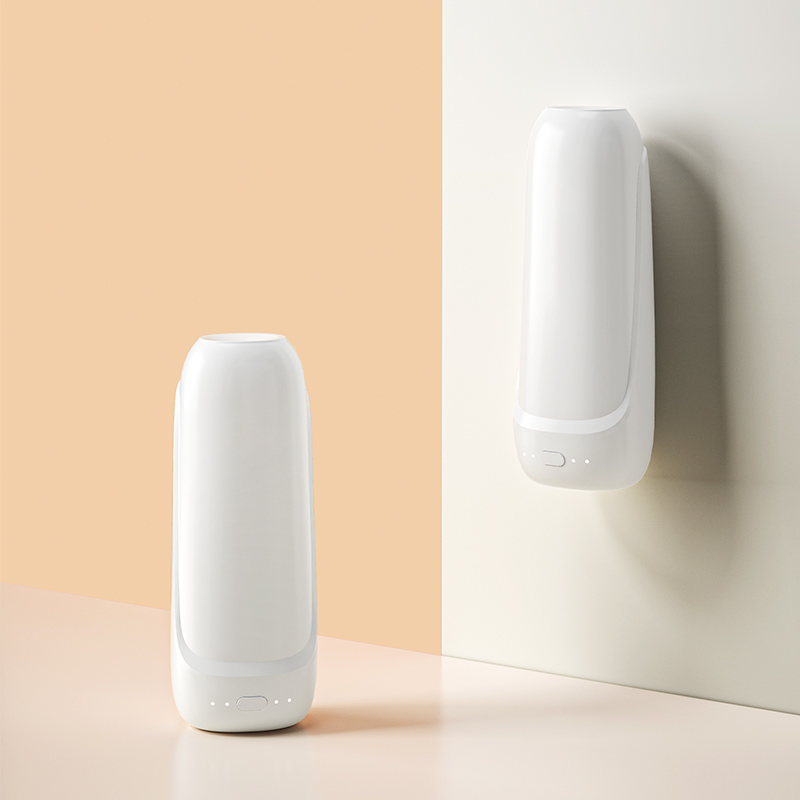
Implementing a strict, step-by-step framework for daily operation prioritizes safety, efficiency, and hardware longevity. Correct usage ensures you get the maximum scent throw from your essential oils while protecting your physical environment from moisture damage.
Elevating the unit at least two feet off the ground on a flat, stable surface is known in the industry as the "two-foot rule." This height prevents floor condensation and allows the mist to catch the natural air currents in the room. Secure power cords away from walkways to avoid tripping hazards. Ensure the unit is placed far away from electrical splash hazards, which is especially critical when operating units in bathrooms or kitchens.
Place the unit near the center of the room, but keep it away from direct HVAC vents, drafty windows, or active exhaust fans. Strong drafts will blow the mist directly into walls or dissipate it before it can circulate. Always use a waterproof tray to protect wood furniture from condensation and accidental oil drips. In small spaces like bathrooms or closets, you must manage limited outlet access and high humidity carefully. A compact unit is better suited for these areas than a high-capacity model that will quickly oversaturate a confined space.
Always identify and respect the maximum fill line inside the reservoir. Overfilling floods the ultrasonic plate, preventing it from vibrating at the necessary frequency, which results in zero mist output. Use room-temperature, filtered, or distilled water rather than hard tap water. Filtered water prevents calcium and magnesium mineral scale from crusting on the ultrasonic plate.
Start with a baseline measurement of 3–5 drops of essential oil per 100ml of water. You can scale this amount based on the room's square footage and ventilation levels. Do not dump unmeasured amounts of oil into the reservoir; this will clog the transducer and create an overpowering, nauseating scent profile.
Continuous diffusion poses significant risks, including olfactory fatigue, indoor air quality degradation, and headaches. Your olfactory receptors adapt to scents quickly; running a diffuser non-stop means you will stop smelling the oil after 15 minutes, leading you to waste oil by adding more. Implement intermittent settings to maximize therapeutic benefits while conserving your supply. A standard best practice is setting the diffuser to run for 30 minutes on, followed by 30 minutes off. Most modern units have built-in timers that handle this cycling automatically.
Maximizing the utility of your diffuser involves advanced techniques, understanding fluid viscosity, and knowing alternative diffusion methods for different environments. Tailoring your approach improves the overall aromatic experience and prevents hardware strain.
Essential oils vary drastically in weight and viscosity. Top notes, like sweet orange, lemon, and grapefruit, are light, highly volatile, and diffuse quickly without leaving much residue. Base notes, such as vetiver, patchouli, and sandalwood, are thick, heavy, and resinous. Heavy oils can leave stubborn, sticky residues on ultrasonic plates that harden if not cleaned immediately.
If you frequently use heavy, undiluted blends, you must increase your cleaning frequency. Alternatively, a nebulizing diffuser may be a more compatible choice for heavy resins, as the pressurized air system handles thick fluids better than an ultrasonic plate submerged in water.
Correlate the mist output volume, measured in milliliters per hour (ml/hour), with the square footage of the room. Use low-mist settings (typically 15-20 ml/hour) for small bedrooms, offices, or powder rooms to prevent overpowering the space and causing condensation on windows. High-mist settings (30-50 ml/hour) are strictly necessary for open-concept living areas to ensure adequate scent dispersion across large square footage.
If your hardware fails or you are in an environment where electric diffusion is impractical, alternative methods exist. For steam inhalation, add two drops of eucalyptus or peppermint oil to a bowl of steaming hot water, cover your head with a towel, and inhale deeply for five minutes. Passive dry evaporation involves applying oils directly to cotton balls, unglazed clay ornaments, or thick felt pads. Place these in small, enclosed areas like car vents, toilets, or wardrobes. You can also create DIY room sprays by combining 20 drops of essential oil with two ounces of distilled water and one ounce of high-proof grain alcohol in a glass spray bottle for quick odor neutralization.
Improper diffuser use introduces safety and environmental hazards. Mitigating these risks ensures a safe environment for everyone in the household and prevents costly damage to your property.
Excessive ultrasonic diffusion in damp or unventilated climates actively increases indoor humidity levels. Pumping moisture into an already humid room will cause condensation on walls and windows, eventually leading to black mold and mildew growth. You must monitor indoor humidity using a basic hygrometer. Keep indoor humidity between 30% and 50%. Ensure adequate cross-ventilation by cracking a window or running an HVAC fan during extended operational cycles.
Certain essential oils are highly toxic to dogs and cats. Animals lack specific liver enzymes required to metabolize compounds found in tea tree, eucalyptus, pennyroyal, wintergreen, and citrus oils. Exposure can lead to neurological issues, liver failure, or respiratory distress. Implement safe placement strategies to prevent accidental physical contact, tipping, or ingestion by toddlers and pets. Keep diffusers on high shelves and store all oil bottles in locked cabinets. Always leave the room door open so pets can exit if the scent becomes overwhelming to their sensitive olfactory systems.
Establishing strict maintenance frameworks extends the lifecycle of your investment. Regular cleaning prevents hardware failures, maintains mist quality, and stops the buildup of harmful bacteria in the water reservoir.
Daily maintenance involves emptying residual water, rinsing the chamber with warm tap water, and wiping the reservoir completely dry with a clean microfiber cloth. Leaving stagnant water in the tank overnight guarantees microbial buildup and pink mold. Perform a bi-weekly deep cleaning by running a cycle with plain water and one tablespoon of white vinegar for 15 minutes. Dump the vinegar water, unplug the unit, and use a cotton swab dipped in rubbing alcohol to gently clean the ceramic ultrasonic transducer at the bottom of the tank. This process dissolves mineral scale and stubborn oil residues.
When your unit stops working, follow a systematic diagnostic process before throwing it away.
| Symptom | Potential Cause | Diagnostic Step / Solution |
|---|---|---|
| No Mist Output | Overfilled reservoir | Pour out water until it sits below the max fill line. |
| Weak Mist Output | Mineral scale on transducer | Clean the ultrasonic plate with rubbing alcohol and a cotton swab. |
| Unit Won't Turn On | Power adapter failure | Check the DC plug connection; test with a compatible replacement adapter. |
| Loud Grinding Noise | Failing internal fan | Unplug immediately. The fan bearings are shot; the unit requires replacement. |
| Water Leaking from Base | Cracked reservoir or loose cap | Inspect the plastic tank for hairline cracks. Ensure the inner cap is seated properly. |
Knowing when to replace your equipment ensures consistent performance. Evaluate your current hardware against modern standards to determine if an upgrade is necessary for your home or commercial space.
A permanently decreased mist output, even after completing a rigorous deep cleaning cycle with vinegar and alcohol, indicates that the piezoelectric transducer has reached the end of its lifecycle. Inspect the unit for cracked reservoirs, degraded plastics, or chemical leaching caused by prolonged exposure to acidic citrus oils. If the plastic feels sticky or looks cloudy, the structural integrity is compromised, and it is time to replace the unit.
When seeking commercial-grade units for large spaces, spas, or retail environments, you must carefully vet your essential oil diffuser supplier. Look for hardware that features custom intermittent timers, high-capacity chambers (500ml or larger), and durable materials. Ensure the supplier provides CE, FCC, or RoHS certified devices, which guarantees the electrical components meet international safety standards. Verify material transparency; the units must use medical-grade PP plastics or borosilicate glass to prevent chemical erosion from pure essential oils.
Effective use of an essential oil diffuser requires a balance of proper placement, precise oil-to-water ratios, and strict adherence to maintenance schedules. When current hardware fails to produce consistent mist or shows signs of material degradation, prioritize upgrading to units with adjustable intermittent timers and high-quality ultrasonic plates.
A: For a standard 100ml reservoir, use 3 to 5 drops. For a 300ml reservoir, use 9 to 12 drops. For a 500ml reservoir, use 15 to 20 drops. Adjust these baseline numbers based on the specific oil's strength and the room's square footage.
A: Yes. Ultrasonic diffusers often use decorative glass covers over medical-grade plastic reservoirs. Passive glass reed or pipette models also work well. Ensure the internal reservoir handling the oil and water is made of safe, non-reactive materials like PP plastic.
A: Filtered or distilled water is best. These options prevent the buildup of calcium and magnesium mineral scale on the ultrasonic plate, which commonly occurs when using hard tap water and leads to hardware failure.
A: You can use steam bowls by adding oils to hot water and inhaling deeply. Alternatively, apply oils to cotton balls for passive evaporation in small spaces, or mix them with distilled water and grain alcohol to create a DIY room spray.
A: The most common causes are overfilling the water reservoir past the maximum line, mineral crusting on the ultrasonic plate, or a faulty power adapter. Empty the unit, clean the plate with rubbing alcohol, and check the power connection.


