
Views: 0 Author: Site Editor Publish Time: 2026-07-24 Origin: Site


Determining exactly how many drops of oil to put in a diffuser is a common operational hurdle users face immediately after purchase. The lack of standardized guidance on oil-to-water ratios often leads to wasted product, weak scent dispersion, or accidental hardware damage. Users frequently guess the amount, which compromises the intended atmospheric effect and risks the integrity of the device.
Incorrect dosing does more than impact aroma quality. It accelerates hardware degradation, causes olfactory fatigue, and diminishes the return on investment for high-quality botanical extracts. For commercial operators managing multiple spaces, inefficient ratios drastically inflate operational costs over time. A precise approach to scent management is necessary to maintain both the equipment and the environment.
Implementing a technical framework for calculating exact drop ratios based on tank capacity, hardware type, and room dimensions ensures optimal performance. Understanding the differences between ultrasonic and nebulizing systems, alongside environmental factors, allows users to maximize hardware longevity while achieving the perfect scent concentration.
The standard baseline for ultrasonic diffusion is 3 to 5 drops of oil per 100ml of water. This range provides a subtle, continuous scent profile suitable for most indoor environments. For stronger dispersion or odor masking, users can increase the concentration up to 8 drops per 100ml. Exceeding this limit often leads to diminishing returns and potential hardware issues. When you operate an essential oil diffuser, maintaining this baseline prevents the ultrasonic plate from becoming insulated by heavy lipid layers.
Understanding physical dropper metrics helps contextualize these ratios. A standard commercial euro-dropper orifice reducer dispenses approximately 0.05ml per drop. This means it takes roughly 20 drops to equal 1ml of liquid. Knowing this volume allows users to calculate exactly how much product they consume daily. If you run a unit for eight hours, tracking the milliliter consumption ensures you do not burn through expensive extracts unnecessarily.
While some general guidelines recommend a broad 5 to 10 drops for multi-use spaces, these rules of thumb fail to account for strict milliliter capacities. Applying 10 drops to a small 100ml tank creates an overpowering aroma and leaves heavy residue, whereas 10 drops in a 300ml tank provide a balanced, mild scent. Precision matters when dealing with concentrated plant extracts. You must measure based on the water volume, not just the room size.
Furthermore, the viscosity of the oil changes the drop size slightly. Thicker oils like vetiver or sandalwood form larger drops and fall slower than thin oils like lemon or sweet orange. When calibrating your device, account for these slight variations. A thick oil might only require 3 drops to achieve the same mass as 5 drops of a thin citrus oil.
Consistency in measurement extends the life of the hardware. When you establish a strict protocol for filling the tank, you eliminate the variable of human error. This is especially important in commercial settings where multiple staff members might be responsible for maintaining the equipment. Standardizing the drop count ensures the scent profile remains identical day after day.
The sequence of loading a device directly impacts its functionality. Incorrect loading sequences account for a large percentage of hardware failures in the field. Follow a strict order of operations to protect the internal components.
Always fill the water tank first, then add the oil drops to the surface of the water. Adding oil into an empty tank can cause concentrated lipids to enter the internal ultrasonic transducer pathway before the water dilutes them, risking permanent sensor damage. The oil must float on the water to be properly atomized by the ultrasonic vibrations.
Never exceed the physical maximum fill line indicated inside the tank. Overfilling eliminates the necessary airspace required for ultrasonic oscillation. Without this space, the device cannot agitate the water effectively, resulting in weak or non-existent mist output regardless of how many drops were added. The transducer needs room to push the water upward into a fine mist.
Water selection also plays a role in diffusion efficiency. Clean, room-temperature tap water or mineral water is generally recommended to facilitate proper ionization. While distilled water seems cleaner, it lacks the minerals that some modern sensors rely on to detect water levels, potentially causing the unit to shut off prematurely. Hard water, however, can leave mineral deposits, so monitor the tank for white scale buildup and clean it regularly.
Adjusting the drop count based on the specific tank size is necessary for consistent results. You cannot use the same drop count for a desktop unit as you would for a large room unit. Below is a baseline matrix for standard tank capacities:
| Tank Capacity | Recommended Drops | Ideal Application | Maintenance Frequency |
|---|---|---|---|
| 100ml | 3–5 drops | Desktops, small offices, compact bedrooms | Weekly wipe down |
| 200ml | 6–10 drops | Standard living spaces, medium bedrooms | Weekly wipe down |
| 300ml | 9–15 drops | Open-concept areas, large master suites | Bi-weekly deep clean |
| 500ml+ | 15–20+ drops | Large commercial spaces, lobbies | Daily inspection, weekly deep clean |
Always start at the lower end of the recommended spectrum. Test the specific potency of the extract before scaling up, as different botanical sources yield vastly different aromatic strengths. Peppermint, for example, is highly pungent and requires fewer drops than a softer scent like chamomile. Adjust the ratio based on observation and atmospheric feedback.
When scaling up to 500ml tanks, monitor the surface tension of the water. Too much oil can create a thick slick that prevents the ultrasonic plate from breaking the surface tension, effectively trapping the mist underwater. If you notice the mist output dropping despite a full tank, you have likely oversaturated the water with oil.
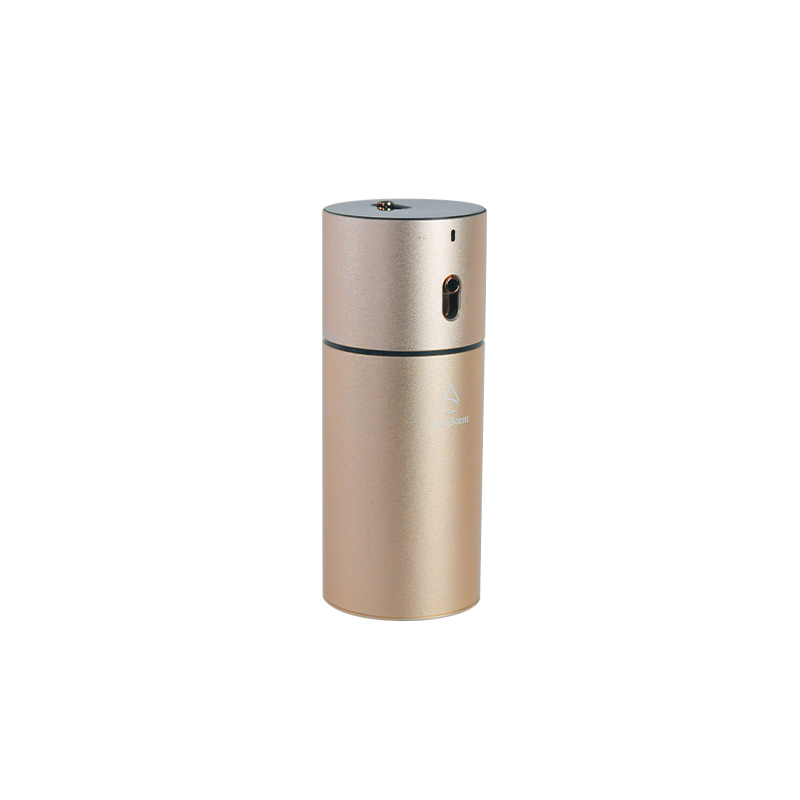
Ultrasonic devices operate by utilizing a small ceramic plate that vibrates at high frequencies, typically around 2.4 million times per second. These vibrations agitate the water and oil mixture, breaking it down into microscopic particles that disperse into the air as a fine, cool mist. Water acts as the primary carrier mechanism for the scent, allowing the heavy oil molecules to become airborne.
This method is highly economical for product conservation. Because the water dilutes the concentrated extract, users require significantly fewer drops per hour of operation compared to other methods. An aroma diffuser utilizing ultrasonic technology provides long-lasting ambient scenting with minimal resource consumption. A single 15ml bottle can last for months when used correctly in an ultrasonic unit.
However, ultrasonic technology has limitations when handling heavy, viscous extracts like vetiver or patchouli. These dense liquids tend to sink to the bottom of the tank rather than floating on the surface. When they sink, they coat the ultrasonic disc, dampening its vibrations. This requires slightly higher ratios to achieve the desired scent throw, or more frequent cleaning of the disc to prevent clogging and hardware failure.
To maintain an ultrasonic unit, you must keep the transducer plate clean. A simple wipe with a cotton swab dipped in rubbing alcohol removes the lipid buildup. If you neglect this maintenance, the unit will eventually stop producing mist, even if the motor is running and the lights are on. The physical mechanics of the vibrating plate demand a clean surface to function.
Nebulizing systems operate on the Bernoulli principle, utilizing pressurized air to atomize pure extract directly from the bottle without the use of heat or water. A small air pump forces air through a narrow tube, creating a vacuum that pulls the oil up through a separate glass tube. The oil is then blown against a glass surface, breaking it into an ultra-fine vapor that permeates large spaces rapidly.
Because nebulizers do not use water as a carrier, they do not rely on drops-per-ml ratios. Instead, they draw directly from the source bottle. This provides the strongest therapeutic concentration and the most robust scent throw available in ambient scenting hardware. The scent profile remains completely unaltered by water or heat, delivering the exact chemical composition of the plant extract into the air.
The primary trade-off is the consumption rate. Nebulizers consume liquid at a significantly higher rate than ultrasonic models, often utilizing 1 to 2ml per hour depending on the output settings. This makes them highly effective for large spaces or targeted therapeutic use, but more resource-intensive to operate continuously. You must monitor the bottle levels closely to prevent the pump from running dry.
Maintenance for nebulizers involves flushing the delicate glass tubes with rubbing alcohol. Because they process pure oil, they are highly susceptible to clogging, especially if you use thick base notes. Regular cleaning prevents the microscopic nozzles from becoming permanently blocked by dried resin.
Evaporative and heat-based systems represent passive diffusion methods. These units typically use a small fan to blow air through a scented pad, or a low-heat plate to gently warm the extract, accelerating evaporation into the surrounding air. They are mechanically simple and rarely suffer from the complex failures seen in ultrasonic or nebulizing units.
These devices typically require 5 to 15 drops applied directly to the internal pad or plate. While simple to operate, the scent throw is highly localized and degrades quickly. Lighter molecules evaporate first, leaving heavier molecules behind, which alters the scent profile over time and requires frequent reapplication. The initial burst of scent is strong, but it fades rapidly as the volatile compounds dissipate.
Heat diffusers also carry the risk of altering the chemical structure of the oil. High temperatures can destroy the delicate therapeutic compounds found in high-quality extracts. If you use a heat-based unit, ensure it operates at a very low temperature to preserve the integrity of the oil. Fan-based evaporative units avoid this issue but still suffer from uneven evaporation rates.
The intended use of the space dictates the required concentration. For light ambient scenting in workspaces, a conservative 3 to 5 drops per 100ml creates a subtle background aroma. This low concentration is ideal for maintaining focus and productivity during long-duration exposure without overwhelming the occupants. It provides a pleasant environment without becoming a distraction.
Active aromatherapy or targeted relief requires a higher concentration. Scaling up to 6 to 8 drops per 100ml for short, 30-minute intervals delivers a more potent effect. This is commonly used with eucalyptus for respiratory support or chamomile for sleep preparation. The goal here is a physiological response, which requires a denser concentration of airborne molecules.
Odor neutralization demands the highest standard range. Using 8 to 10 drops per 100ml of high-potency extracts like citrus or lemongrass actively masks ambient odors in kitchens, bathrooms, or pet areas. This high concentration should be used intermittently to avoid saturating the environment. You are actively fighting existing odor molecules, which requires a strong counter-agent.
When dosing for specific purposes, always consider the occupants of the room. Pets, children, and individuals with respiratory sensitivities require much lower concentrations. What smells pleasant to one person might cause a headache for another. Start low and adjust based on the feedback from the people using the space.
Matching hardware output to room size prevents under-scenting or over-saturation. A standard 150-square-foot room typically requires a 100ml unit running with 4 drops. Conversely, a 500-square-foot open area necessitates a 300ml or larger unit running with 12 to 15 drops to achieve the same atmospheric density. You must calculate the cubic footage of the room, factoring in ceiling height, to accurately gauge the required output.
HVAC systems heavily impact scent retention. Active air conditioning, heating vents, or open windows disperse airborne particles much faster than stagnant air. In environments with high air exchange rates, users may need to increase the baseline drop ratio by 20% to maintain consistent coverage throughout the day. The HVAC system constantly pulls the scented air out of the room and replaces it with fresh air, diluting the concentration.
Placement of the unit also matters. Do not place the device directly under an air return vent, as the scent will be immediately sucked out of the room. Place it in a central location with good cross-ventilation to allow the mist to disperse evenly. Avoid placing it on the floor; elevate it on a table or counter to give the mist time to evaporate before hitting the ground.
The chemical composition of the extract alters how long it remains airborne. Top notes, such as peppermint, lemon, and sweet orange, are highly volatile and evaporate rapidly. When using these light molecules, an extra 1 to 2 drops may be necessary to maintain longevity in the tank. They provide a strong initial burst but fade quickly.
Middle notes, like lavender and tea tree, offer a balanced evaporation rate. They form the core of most scent profiles and dictate the standard 3 to 5 drop baseline. They linger in the air for a moderate amount of time and provide a consistent aroma throughout the diffusion cycle.
Base notes, including cedarwood, patchouli, and sandalwood, are highly viscous and long-lasting. These dense molecules linger in the air and stick to surfaces. Strict adherence to the minimum drop count is necessary when using base notes to avoid overpowering the space and leaving sticky residue inside the hardware. They anchor the scent profile but can easily dominate if overused.
Exceeding recommended drop limits leaves a thick lipid layer on the internal components. This residue builds up on the ultrasonic plate, insulating it and preventing it from vibrating at the correct frequency. Over time, this causes the unit to overheat or fail to produce mist entirely. The motor works harder to push through the sludge, leading to premature mechanical failure.
Highly concentrated citrus or spicy extracts pose a specific risk to plastic components. If the water-to-oil ratio is too low, or if the mixture is left sitting stagnant in the tank for days, the corrosive nature of these extracts can degrade the plastic water tanks of lower-tier devices. This leads to micro-cracks, leaks, and eventually, the complete destruction of the unit. Always empty the tank if you do not plan to use it for several days.
Regular maintenance mitigates these risks. Implement a strict cleaning schedule. Wipe out the tank with a dry cloth after every use, and perform a deep clean with rubbing alcohol or a water-and-vinegar solution weekly. This removes the corrosive oils and mineral deposits, ensuring the hardware operates at peak efficiency.
Olfactory fatigue, commonly known as nose blindness, occurs when the olfactory receptors become desensitized to a continuous stimulus. Your brain simply stops registering the scent to prevent sensory overload. Adding more drops to the tank when you stop smelling the aroma is a flawed strategy that only worsens the fatigue and wastes product. The scent is still in the air; you just cannot perceive it.
Exceeding safe diffusion limits carries health compliance risks. Over-exposure to highly concentrated airborne particles can trigger headaches, nausea, or respiratory irritation. The lungs can only process a certain amount of particulate matter before becoming irritated. Implementing intermittent diffusion schedules, such as 30 minutes on followed by 30 minutes off, prevents sensitization and maintains a safe indoor environment.
To combat olfactory fatigue, rotate your scent profiles regularly. Switch between different botanical families—from citrus to floral to woody—every few days. This keeps the olfactory receptors active and prevents them from becoming blind to a specific chemical compound. It also ensures you are not over-exposing yourself to one specific extract.
Commercial operators must analyze the labor cost associated with hardware maintenance. Constantly refilling multiple 100ml units in a hotel lobby or spa environment drains staff time and introduces the risk of spills. Investing in 500ml units or HVAC-integrated systems reduces daily maintenance requirements and ensures consistent scenting across large square footage. You want hardware that can run for an entire shift without requiring intervention.
Calculating the monthly consumption requires understanding the hardware output settings and daily operational hours. A high-capacity unit running 12 hours a day will consume significantly more product than a desktop unit running intermittently. Operators must balance the desired atmospheric effect against the recurring cost of bulk botanical extracts. Track the milliliter usage per machine to establish an accurate monthly baseline.
When evaluating hardware, look for units with adjustable output settings. The ability to dial down the mist intensity during low-traffic hours saves product and extends the life of the machine. Fixed-output machines offer no flexibility and often lead to over-saturation in commercial spaces during off-peak times.
Sourcing hardware at scale requires a reliable supply chain. Commercial buyers should evaluate an essential oil diffuser distributor based on their ability to provide commercial-grade nebulizers, robust hardware warranties, and replacement parts. You need a partner who understands the rigorous demands of continuous operational use, not just a vendor selling consumer-grade plastics.
Procuring programmable hardware adds significant value to commercial operations. Devices that allow precise control over mist intervals, operational hours, and output intensity mitigate the risk of user error in drop ratios. Programmable systems ensure the environment remains perfectly scented without relying on staff to manually measure liquids daily. You set the parameters once, and the machine executes the protocol flawlessly.
Furthermore, a strong distributor relationship ensures you have access to technical support when units fail in the field. Commercial environments are harsh on delicate electronics. Having a direct line to hardware experts who can troubleshoot transducer failures or pump blockages minimizes downtime and keeps your scenting program operational.
A: For a 300ml tank, use 9 to 15 drops of oil. Start with 9 drops for a subtle scent and increase to 15 if the room is large or if you are using lighter top notes that evaporate quickly.
A: Yes. Excess oil leaves a heavy lipid residue that clogs the ultrasonic mechanism, degrades plastic water tanks over time, and can cause respiratory irritation or headaches due to over-saturation in the air.
A: Run the device in intermittent intervals of 30 to 60 minutes. Continuous operation leads to olfactory fatigue, where you no longer perceive the scent, and wastes product unnecessarily.
A: This usually results from olfactory fatigue, a clogged ultrasonic plate requiring cleaning, exceeding the maximum water fill line, or using a device with a tank capacity too small for the room's square footage.
A: Yes. Nebulizers atomize pure extract directly from the bottle without diluting it in water. This results in a much stronger aroma but significantly higher consumption rates, often 1 to 2ml per hour.
A: Wipe down the inside of the tank and the ultrasonic plate with a cotton swab dipped in rubbing alcohol after every 5 to 6 uses, or whenever you switch to a different scent profile, to prevent cross-contamination and clogging.


