
Views: 0 Author: Site Editor Publish Time: 2026-07-01 Origin: Site


Pinpointing the exact amount of essential oil to use is the most common hurdle for new users, often resulting in overwhelming scents, wasted product, or underwhelming performance. Guessing oil ratios doesn't just impact the aromatic experience; chronic over-saturating can degrade hardware components, while under-dosing renders high-capacity units ineffective. Determining the correct dosage requires evaluating your specific hardware—specifically water tank capacity, output technology, and the square footage of the target environment. Many operators fail to realize that environmental factors like HVAC airflow and ceiling height drastically alter how mist disperses. You cannot rely on a single universal drop count for every situation. This guide breaks down exact measurements and helps buyers align their hardware choices with their consumption needs. We will look at the physical mechanics of mist production, the chemical impact of oils on plastics, and the spatial dynamics of scent distribution to give you a precise operational baseline.
Users need a reliable, scalable metric to avoid olfactory fatigue, prevent device clogging, and understand conversions between metric and imperial measurements. Establishing a baseline ensures you achieve the desired scent profile without damaging the internal components of your essential oil diffuser. When you operate these devices daily, precision matters. Pouring oil directly from the bottle without counting drops leads to inconsistent results and accelerated hardware failure.
The relationship between water volume and oil drops is linear, but it requires strict adherence to prevent oversaturation. Here is the standard baseline used across the industry for standard water-based units:
These numbers represent a starting point. You will adjust them based on the specific gravity and viscosity of the oil you select. Thicker oils require fewer drops because they linger longer in the air and on surfaces. Lighter citrus oils dissipate rapidly, sometimes requiring you to hit the higher end of these ranges to maintain a noticeable scent profile over an eight-hour run time.
Understanding the relationship between water volume and mist production dictates how well your device operates. Inside the water tank, a small ceramic disc vibrates at ultrasonic frequencies. These vibrations create cavitation in the water, breaking the liquid and the oil into microscopic droplets. If you fill the water above the manufacturer's physical max fill line, the weight of the water suppresses these vibrations. The transducer simply cannot generate enough force to move the excess mass.
This dampening effect results in weak or completely blocked mist output regardless of oil volume. Many users mistakenly add more oil when they see weak mist, thinking the scent is just too faint. In reality, the hardware is choking on too much water. Always keep the water level two to three millimeters below the max fill line. This gives the ultrasonic plate the optimal water depth to generate a strong, consistent plume of mist.
Adding too much oil carries severe physical risks to the unit. Essential oils are highly concentrated plant extracts containing volatile organic compounds. High concentrations cause rapid ultrasonic plate degradation. The oils coat the ceramic disc, baking onto the surface and insulating it from the water. This forces the transducer to work harder, eventually burning out the internal motor.
Furthermore, plastic corrosion is a major issue with high-terpene oils like lemon, sweet orange, and grapefruit. These compounds act as natural solvents. If you consistently overdose the water tank, the terpenes will eat into the plastic walls. You will notice cloudiness, micro-fractures, and eventually structural leaks. Over-saturating the water tank frequently voids manufacturer warranties and drastically reduces the lifespan of the device. Stick to the baseline formula to protect your hardware investment.
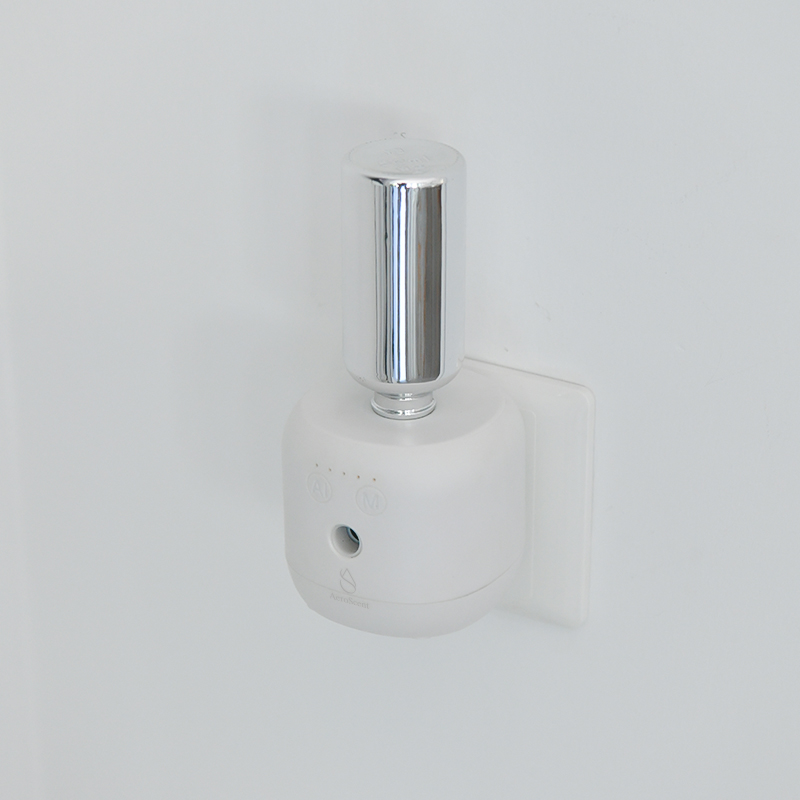
Different hardware technologies process and consume essential oils at varying rates. Understanding these mechanisms helps align your purchase with your long-term consumption expectations. You cannot treat a nebulizer the same way you treat a standard water-based unit. The physics of dispersion are entirely different.
An ultrasonic aroma diffuser uses water and high-frequency vibrations to create a fine mist. The consumption profile is low to moderate, making it highly efficient for daily residential and light commercial use. Because the oil is diluted in water, a single 15ml bottle of essential oil can last for months under normal operation.
This technology is best for users prioritizing lower ongoing oil costs, safety auto-shutoffs, and added ambient humidity. The mist output adds a slight amount of moisture to the air, which is beneficial in dry climates or heavily air-conditioned rooms. The internal sensors detect when the water level drops too low and automatically cut power to the transducer, preventing dry-burn damage.
Nebulizing units use pressurized air to atomize pure essential oil directly from the bottle. They rely on the Venturi effect, forcing air through a small tube to create a vacuum that pulls the oil upward and shatters it into a micro-fine vapor. The consumption profile is extremely high. They consume pure oil rapidly but deliver maximum therapeutic concentration without altering humidity levels.
These are ideal for clinical settings, spas, or large spaces where water-based mist is undesirable. However, the operational overhead is significantly higher. You will burn through a 15ml bottle of oil in a matter of days if you run the unit continuously. They also require more rigorous maintenance, as the tiny glass or plastic capillary tubes clog easily if you use thick, resinous oils like myrrh or vetiver.
These devices use fans or gentle heat to evaporate oil from a pad or reservoir. The consumption profile is variable. They lack precise delivery control and require frequent manual re-application to maintain scent levels. Heat alters the chemical composition of the essential oil, often degrading the therapeutic properties and changing the scent profile.
Fan-based evaporative units are safer but still inefficient. The lighter top notes evaporate quickly, leaving the heavier base notes trapped in the pad. You end up with an unbalanced scent and a sticky residue that requires constant pad replacements. We generally avoid these for serious aromatic applications due to their inconsistency and high maintenance requirements.
Aligning tank capacity, room dimensions, and drop counts with environmental square footage ensures effective scent distribution without overwhelming the space. You must match the hardware output to the cubic volume of the room. A small unit in a massive lobby will do nothing, while a high-capacity unit in a tiny bathroom will cause headaches.
| Room Size (sq ft) | Room Type | Recommended Tank Capacity | Baseline Oil Drops |
|---|---|---|---|
| Under 150 | Bathrooms, Closets, Desks | 100ml - 150ml | 3 - 5 drops |
| 150 - 300 | Bedrooms, Small Offices | 200ml - 300ml | 6 - 12 drops |
| 300 - 500 | Living Rooms, Kitchens | 400ml - 500ml | 12 - 15 drops |
| Over 500 | Lobbies, Open Concepts | 500ml+ or Multiple Units | 15 - 20+ drops |
For confined areas, you need strict control over the output. The hardware requirement is 100ml to 150ml diffusers. The oil requirement is 3 to 5 drops maximum. Using larger units in confined spaces causes rapid olfactory adaptation. Your nose simply stops registering the scent because the receptors are overloaded.
Furthermore, running a high-output unit in a small, unventilated bathroom leads to heavy condensation on mirrors, walls, and countertops. The excess moisture can damage drywall and encourage mold growth. Stick to small, low-output devices and keep the drop count minimal to prevent potential respiratory irritation.
This is the most common application size. The hardware requirement is 200ml to 300ml diffusers. The oil requirement is 6 to 12 drops. A target of 5 to 8 drops is highly effective for standard 15-30 m² setups to maintain a subtle, non-intrusive aroma. You want the scent to be noticeable when you walk into the room, but not so strong that it distracts you while working or sleeping.
Placement matters in medium rooms. Keep the unit elevated on a desk or nightstand, at least two feet off the ground. This gives the mist time to evaporate into the air before it hits the floor. Avoid placing it directly next to air return vents, which will just suck the vapor out of the room before it can circulate.
Large spaces require serious hardware. The requirement is 400ml to 500ml+ units, or commercial HVAC-integrated dry-mist systems. The oil requirement is 12 to 20+ drops. In open-concept homes with vaulted ceilings, a single 500ml unit might still struggle to fill the space. The cubic volume of air is simply too massive for one localized mist plume to cover effectively.
In these scenarios, deploying two 300ml units at opposite ends of the room often yields better results than one massive unit in the center. This creates cross-ventilation of the scent, ensuring even coverage without creating a heavy, overpowering zone right next to the device.
The baseline formula isn't absolute and requires operational adjustments based on specific environmental and material factors. You must read the room and understand the physical properties of the liquids you are handling.
Not all oils behave the same way in water. Thick base notes like Vetiver, Sandalwood, and Patchouli diffuse slower and can clog small ports. They tend to sink and stick to the ultrasonic plate. When using these heavy resins, you often need to reduce the drop count and increase your cleaning frequency to prevent hardware failure.
Highly volatile top notes like Lemon, Grapefruit, and Peppermint disperse rapidly. They flash off quickly, providing a strong initial burst of scent that fades after an hour or two. To maintain a consistent scent profile with top notes, you might need to add a few extra drops or blend them with a middle note like lavender to anchor the aroma and slow down the evaporation rate.
Airflow dictates where the scent goes. Active HVAC systems, open windows, and ceiling fans dilute vapor concentration rapidly. If you place a unit directly under a ceiling fan running on high, the mist will be smashed down to the floor and dispersed too thinly to smell. This necessitates strategic device placement or slightly higher drop counts to achieve the desired aromatic effect.
Always position the hardware upstream of the natural airflow in the room. Let the HVAC supply vents push the mist across the space. If you notice the scent disappearing quickly, check your air returns. You might be venting all your expensive oil directly into the ductwork.
You must adjust standard dilution rates downward when operating devices around sensitive groups. Halve the standard ratio to 1-2 drops per 100ml around pets, infants, or individuals with chronic respiratory issues like asthma. Cats and dogs lack specific liver enzymes needed to break down certain compounds found in essential oils, particularly phenols and ketones.
Oils like tea tree, eucalyptus, and wintergreen can be highly toxic to animals if diffused in heavy concentrations in unventilated spaces. Always leave a door open so pets can leave the room if the scent bothers them. Prioritize safety over scent intensity.
Businesses outfitting spas, hotels, or corporate offices require a structured operational framework to manage costs and maintain hardware longevity. When you scale up from one unit to fifty, minor inefficiencies turn into massive budget drains.
When evaluating an essential oil diffuser bulk purchase, scrutinize warranty terms, ultrasonic plate lifespan, and water tank plastic quality. You cannot rely on consumer-grade plastics for continuous commercial operation. Prioritize BPA-free medical-grade materials over cheap corrosive polymers. The plastics must withstand daily exposure to high-terpene oils without degrading.
Ensure wholesale replacement part availability. Power supplies and ceramic discs fail over time. If you cannot source replacement parts easily, you will end up throwing away entire units. Look for suppliers that offer modular designs where the transducer can be swapped out with a simple screwdriver.
Project monthly essential oil inventory costs by calculating consumption rates accurately. Factor in tank size, drop counts, and operating hours based on running multiple diffusers for extended shifts. A standard 15ml bottle contains roughly 250 to 300 drops. If a hotel lobby runs two 500ml units, requiring 20 drops each, twice a day, that is 80 drops per day.
At 80 drops a day, a 15ml bottle lasts less than four days. You must build these consumption metrics into your operational budget. Buying oil in larger aluminum liters rather than small glass bottles will significantly reduce your overhead costs in high-volume environments.
Establish Standard Operating Procedures for daily water replacement and weekly deep cleaning. This prevents biofilm, mold, and mineral scale buildup in commercial environments. Stagnant water left in tanks over the weekend breeds bacteria, which is then aerosolized into the air on Monday morning. This is a massive liability.
Strict adherence to these protocols ensures the hardware lasts through its expected lifecycle and maintains a safe environment for staff and guests.
Proper maintenance and troubleshooting keep your hardware running efficiently and prevent common operational failures. Most issues are user error, easily corrected with basic mechanical understanding.
If a unit is non-functional, verify the water level lines immediately. Pour off excess water to restore misting performance. Overfilling is the most common cause of weak output. The transducer simply cannot push through the weight of the water. If you accidentally overfill, pour the water out from the designated drainage side to avoid flooding the internal circuit board through the air intake vent.
Clean the ultrasonic plate regularly using rubbing alcohol (91% isopropyl) or white vinegar. This dissolves calcified mineral deposits and residual essential oil buildup that hinder performance. Dip a cotton swab in the alcohol and gently rub the ceramic disc at the bottom of the tank. Do not press hard, as the disc is fragile and can crack under pressure.
Tap water causes mineral buildup and white dust. The ultrasonic process aerosolizes everything in the water, including calcium and magnesium. When the water evaporates in the air, these minerals fall to the ground as a fine white powder, coating your furniture and electronics. Use distilled or purified water to improve diffusion efficiency, mist height, and transducer longevity. It eliminates the mineral variable entirely.
Recognize signs of over-exposure such as headaches, nausea, or watery eyes. If you experience these, turn the unit off and open a window. Utilize built-in interval timers to maximize olfactory response and conserve oil. Running a unit on a 30-minutes-on, 30-minutes-off cycle prevents olfactory fatigue and stretches your oil inventory twice as far without diminishing the aromatic experience.
A: The standard recommendation is 3 to 5 drops of essential oil per 100ml of water. This provides a balanced scent without overwhelming the space or damaging the hardware. Adjust slightly based on the viscosity of the oil.
A: Yes. Adding too much oil can cause headaches, olfactory fatigue, and respiratory irritation. It also degrades the ultrasonic plate and corrodes the plastic water tank over time, leading to leaks and hardware failure.
A: The most common reason is overfilling the water tank above the max fill line. Other causes include mineral buildup on the ultrasonic plate, using oils that are too thick, or a failing power supply.
A: Distilled or purified water is highly recommended. Tap water contains minerals that create scale buildup on the transducer and can produce a fine white dust around the device as the mist evaporates.
A: Empty and wipe out the water tank daily after use. Perform a deep clean using white vinegar or rubbing alcohol once a week to remove hard mineral deposits and sticky oil residue from the ceramic disc.
A: It is best to empty the tank if you are not running the device. Stagnant water can breed bacteria and mold, which will then be aerosolized into your room the next time you turn the unit on.


