
Views: 0 Author: Site Editor Publish Time: 2026-07-29 Origin: Site


The market for aromatherapy devices features an extreme variance in upfront expenses. Buyers often wonder what separates a discount marketplace find from a high-end wellness boutique centerpiece. When evaluating an essential oil diffuser, looking solely at the initial sticker tag often leads to poor purchasing decisions. Cheap units frequently fail within months or use low-grade plastics that degrade when exposed to potent citrus oils. Premium models may pack in unnecessary smart features that do nothing to improve actual diffusion quality.
Understanding the actual lifetime expense requires looking beyond the hardware. By evaluating alternative low-cost diffusion methods, underlying technology types, material quality, and ongoing maintenance requirements, you can determine the best investment for your specific space. This guide breaks down exactly what you get at every tier, helping you navigate the market and avoid both overpriced gimmicks and unreliable knockoffs.
Defining what a buyer should expect at different tiers is critical for setting realistic expectations regarding longevity, aesthetic appeal, and functional reliability. The market segments itself into distinct categories based on build quality, motor performance, and material integrity. Knowing these distinctions prevents you from overpaying for basic technology housed in a fancy exterior.
Before investing in electronic hardware, many users start with household DIY solutions. These include placing essential oil drops on cotton balls near air vents, adding oils to bowls of boiling water, or using simple clay and terracotta passive stones. These methods require virtually no initial hardware investment and utilize items already found in most homes.
This approach works best for budget-constrained users or individuals who need to test their sensitivity to specific botanical scents before buying an electric aroma diffuser. However, the trade-offs are significant. Passive methods offer extremely limited room coverage and suffer from rapid scent dissipation. You have absolutely zero control over the diffusion rate, and these makeshift setups lack the aesthetic appeal of a dedicated device.
Devices in this tier typically feature 100ml to 200ml water capacities and utilize basic ultrasonic technology. Construction relies heavily on standard plastics, often styled as simple white cylinders or featuring faux wood grain finishes. These units dominate large online marketplaces and are popularized by entry-level brands focusing on high-volume sales rather than long-term durability.
These models serve perfectly for small rooms, personal desktops, or first-time users testing the waters of electric aromatherapy. The compromises at this tier include a notably shorter lifespan and a smaller coverage area. The internal motors carry a higher risk of burnout with continuous use, the LED lighting is often basic, and the overall tactile feel remains undeniably cheap. The ultrasonic discs in these units often degrade quickly if not cleaned weekly.
Stepping up to the mid-range introduces devices with 300ml to 500ml capacities, refined ultrasonic mechanisms, or basic nebulizing technology. Manufacturers upgrade the exterior materials to include resin, basic ceramic, or higher-grade, durable polymers that resist oil corrosion much better than entry-level plastics. The internal fans are generally quieter, and the mist output is more consistent.
This tier represents the sweet spot for living rooms, master bedrooms, and daily continuous use. It successfully balances upfront expense with long-term durability. While you gain better build quality and more reliable mist output, these units may still lack advanced smart home integrations or the custom artisan designs found in luxury models. They are reliable workhorses for daily aromatherapy.
The premium category shifts focus toward waterless nebulizing technology, artisan glass reservoirs, hand-carved wood bases, solid stone exteriors, and smart-home connectivity via Wi-Fi or Bluetooth. These devices are engineered for maximum therapeutic output without diluting the oils in water. The internal components feature medical-grade materials and heavy-duty air pumps designed for years of continuous operation.
Professional spas, large open-concept living spaces, and users prioritizing interior design gravitate toward this tier. The trade-offs include a high upfront investment and potentially higher ongoing oil consumption, as nebulizers atomize pure oil. Additionally, the delicate glass components require careful, regular cleaning with high-proof alcohol to prevent thick essential oils from clogging the micro-tubes.
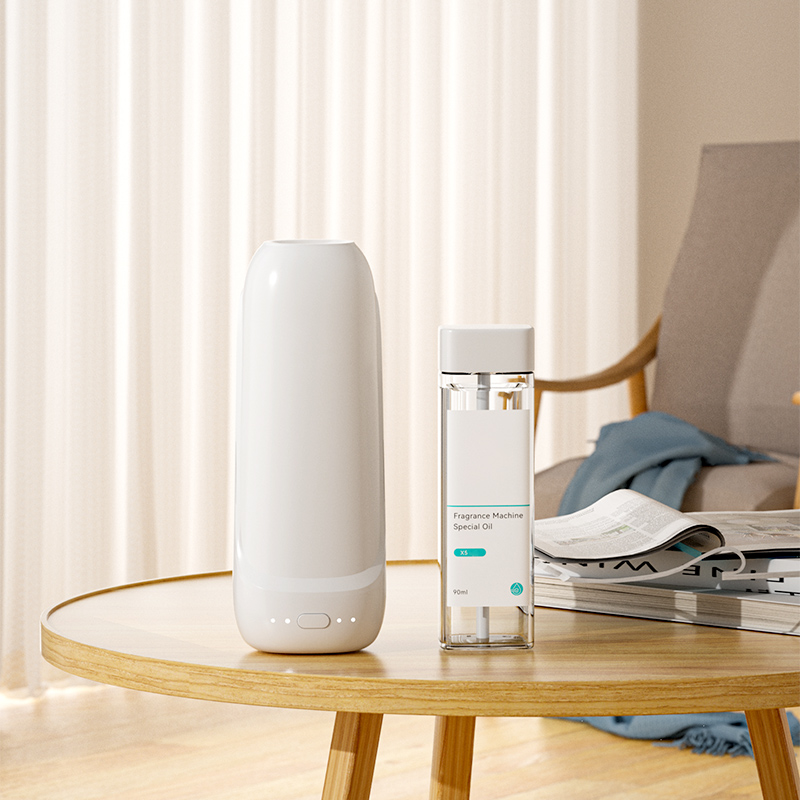
Understanding the specific components that justify price increases helps buyers separate valuable upgrades from mere marketing tactics. Several core evaluation dimensions dictate the final retail tag, from the internal mechanics to the exterior housing materials.
Ultrasonic models operate using water and high-frequency vibrations, typically around 2.4 MHz. A small ceramic disc at the bottom of the tank vibrates rapidly, creating ultrasonic waves that break the water and essential oil into a fine, cool mist. They are significantly cheaper to manufacture and double as cool mist humidifiers. Because the essential oil is heavily diluted in water, the ongoing fluid costs remain relatively low.
Nebulizing models operate entirely without water, utilizing the Bernoulli principle. They are more expensive to build because they use an internal air pump to pressurize and atomize pure essential oil into micro-particles through delicate glass tubes. This delivers a much stronger scent profile and higher therapeutic value, but the complex internal mechanics and fragile glass components drive up the manufacturing expense.
| Feature | Ultrasonic Technology | Nebulizing Technology |
|---|---|---|
| Operating Mechanism | Water and high-frequency vibration | Pressurized air and pure oil |
| Manufacturing Expense | Low to Moderate | High |
| Oil Consumption | Low (diluted in water) | High (undiluted) |
| Maintenance Needs | Weekly wiping to prevent mold | Regular alcohol soaks to prevent clogs |
The exterior housing heavily influences the retail tag. Cheap injection-molded plastics cost pennies to produce. Minimalist, durable cylinders use slightly better polymers, while premium materials like hand-blown glass, ceramic, bamboo, and concrete require specialized manufacturing processes and careful shipping logistics.
Beyond aesthetics, material quality impacts longevity. Cheap plastics suffer from essential oil corrosion over time, especially when exposed to acidic citrus oils like lemon or sweet orange. Medical-grade, BPA-free polypropylene (PP) resists this degradation, justifying a slight premium for the sake of safety and durability. If a unit feels flimsy or lightweight, it likely utilizes standard ABS plastic, which will eventually warp or crack under heavy oil exposure.
Water tank size directly correlates with motor strength, square footage coverage, and manufacturing scaling. A 100ml unit uses a small transducer suitable for a bathroom or desk, covering roughly 150 square feet. Scaling up to a 300ml or 500ml tank requires a more robust ultrasonic disc and a stronger internal fan to push the mist across larger living spaces, naturally increasing the production cost.
Buying an ultrasonic device that doubles as a personal cool-mist humidifier offers distinct economic value. Instead of purchasing two separate appliances for a bedroom, a high-capacity ultrasonic unit fulfills both roles. This dual-functionality often justifies spending slightly more on a single, high-quality device rather than buying two cheap, single-purpose machines that take up extra outlet space and require separate maintenance routines.
Manufacturers charge a premium for digital convenience. Intermittent timers, auto-shutoff safety sensors, customizable ambient lighting controls, and app-based scheduling require advanced internal circuit boards and wireless transmitters. While these features enhance user experience by allowing you to schedule diffusion before you wake up or arrive home, they add significant cost and introduce more electronic components that could potentially fail over time.
Shifting focus from the upfront hardware tag to the lifetime operating expenses reveals the true financial commitment of aromatherapy. The device itself is often just the entry ticket; the consumables and upkeep dictate the long-term viability of the investment.
To calculate ongoing fluid expenses, buyers must understand standard consumption rates relative to water capacity. Using high-quality, pure oils represents the largest ongoing expense in aromatherapy. A standard 15ml bottle of essential oil contains roughly 250 drops.
Running a water-based ultrasonic unit remains highly economical. Conversely, a waterless nebulizer consumes pure, undiluted oil at a significantly faster rate. An ultrasonic user might make a bottle last a month, while a heavy nebulizer user could deplete it in a week, drastically increasing the monthly operating budget.
Maintaining the unit requires labor and basic materials like rubbing alcohol or white vinegar. Regular cleaning prevents mold in ultrasonic tanks and stops resin buildup in nebulizers. Neglecting this maintenance leads to premature hardware failure.
Additionally, buyers must factor in replacement parts. Dropping a premium nebulizer often shatters the glass reservoir, requiring a costly replacement. Ultrasonic ceramic discs eventually wear out or corrode if left uncleaned, leading to complete unit failure if the manufacturer does not offer replacement parts. Always check if the brand sells replacement power cords, glass tubes, or water baffles.
For commercial buyers, spa owners, or bulk consumers, exploring alternative purchasing routes outside of standard retail channels offers massive savings and customization opportunities.
The standard retail markup chain involves the manufacturer, the brand, the distributor, and the final retail storefront. Each step adds a margin to cover overhead and profit. Purchasing directly from an essential oil diffuser factory eliminates these middlemen. However, factories typically enforce Minimum Order Quantities (MOQs), meaning this route is reserved for those willing to buy dozens or hundreds of units at once for commercial outfitting or resale.
Buying unbranded factory units yields the lowest possible per-unit cost while providing identical internal components to major retail brands. The trade-off involves sacrificing localized warranties, direct consumer customer support, and retail packaging. For commercial spaces outfitting multiple rooms, the bulk savings far outweigh the lack of retail branding. You must also account for international shipping times and customs clearance when sourcing directly from overseas manufacturers.
Navigating the market requires a critical eye to avoid bad investments. Many products use deceptive marketing to justify inflated tags or hide subpar manufacturing processes.
Beware of "wood-look" devices marketed at premium tiers. These are almost always cheap plastics wrapped in a vinyl wood-grain decal. If you are paying a premium for aesthetics, verify that the materials are genuine wood, ceramic, or glass. Furthermore, emphasize the necessity of medical-grade plastics for the internal water tank to prevent potent oils from eating through the structure and causing leaks.
Always check for at least a 1-year manufacturer warranty. Devices involving water, electricity, and corrosive oils face tough operating conditions. If you choose to buy an ultra-cheap model without a warranty, mitigate your risk by factoring the cost of a potential replacement within six months into your initial budget. Read reviews specifically looking for mentions of customer service responsiveness regarding defective units.
A: The standard recommendation is 11-15 drops for a 300ml tank, adjusting based on oil strength and personal scent sensitivity. Citrus and mint oils may require fewer drops, while thicker, earthier base notes might require slightly more to achieve the desired aroma.
A: Ultrasonic models are significantly cheaper to run. Because they rely on water to carry the scent, they only require a few drops of oil per session. Nebulizers use pure, undiluted oil, meaning you will purchase replacement bottles much more frequently.
A: Yes, if they do not use high-quality, BPA-free polypropylene (PP). Essential oils, particularly citrus varieties, are highly corrosive and can break down low-grade plastics, potentially releasing toxic chemicals into the air and causing the water tank to leak.
A: No. Most standard ultrasonic and nebulizing models are highly energy-efficient, typically drawing between 10 to 15 watts of power. Running one daily will have a negligible impact on your monthly household electricity bill.
A: While many models accept tap water, using distilled or filtered water is highly recommended. Tap water contains minerals that create scale buildup on the ultrasonic disc, which can reduce mist output and shorten the lifespan of the device.


