
Views: 0 Author: Site Editor Publish Time: 2026-08-07 Origin: Site


Maintaining wellness and sleep routines while traveling often feels impossible when standard aromatherapy solutions tie you to wall outlets. Traditional units fail travelers. They rely on international plug adapters, feature fragile water reservoirs, and cause messy leaks that ruin clothes inside luggage. You need a purpose-built solution to maintain your environment on the road. Evaluating the ideal cordless diffuser requires looking far beyond aesthetics. You must assess battery capacity, leak-proof engineering, atomization technology, and multi-environment versatility to ensure reliable performance away from home. A standard home unit retrofitted with a battery simply will not survive the rigors of transit. We will break down exactly what specifications matter, how to avoid ruined luggage, and which technologies actually work when you are miles away from a reliable power source.
A standard home unit retrofitted with a battery fails as a true travel diffuser. Manufacturers often take desktop models, slap a lithium-ion cell inside, and market them as portable. This approach ignores the physical realities of travel. True success criteria encompass portability, structural durability, and sustained output without a continuous power source. You need a device engineered specifically for movement. It must withstand the vibration of a car ride, the pressure changes of a flight, and the impact of being tossed into an overhead bin.
Portability and performance constantly compete in mobile device design. Compact size makes packing easy. However, smaller dimensions severely limit motor power, fan size, and battery space. You need enough output to effectively scent a standard hotel room or a rental cabin. Tiny, underpowered units might look great in a suitcase but fail to deliver noticeable aromatherapy once deployed. Finding the right balance means accepting a slightly larger footprint for a massive gain in scent dispersion capability. A unit that cannot push scent beyond a two-foot radius is essentially useless.
Multi-environment versatility defines top-tier travel gear. A well-designed unit transitions seamlessly from transit to destination. Look closely at the base diameter. The ideal device fits securely into standard car cup holders, which typically measure between 2.5 and 3 inches in diameter. It must also feature a low center of gravity to remain stable on a narrow hotel nightstand or a tray table. Devices with wide, sprawling bases work well on home desks but become useless during road trips. Cylindrical designs generally offer the best cross-environment adaptability.
Define your primary travel mode before evaluating specific models. Your itinerary dictates your hardware requirements:
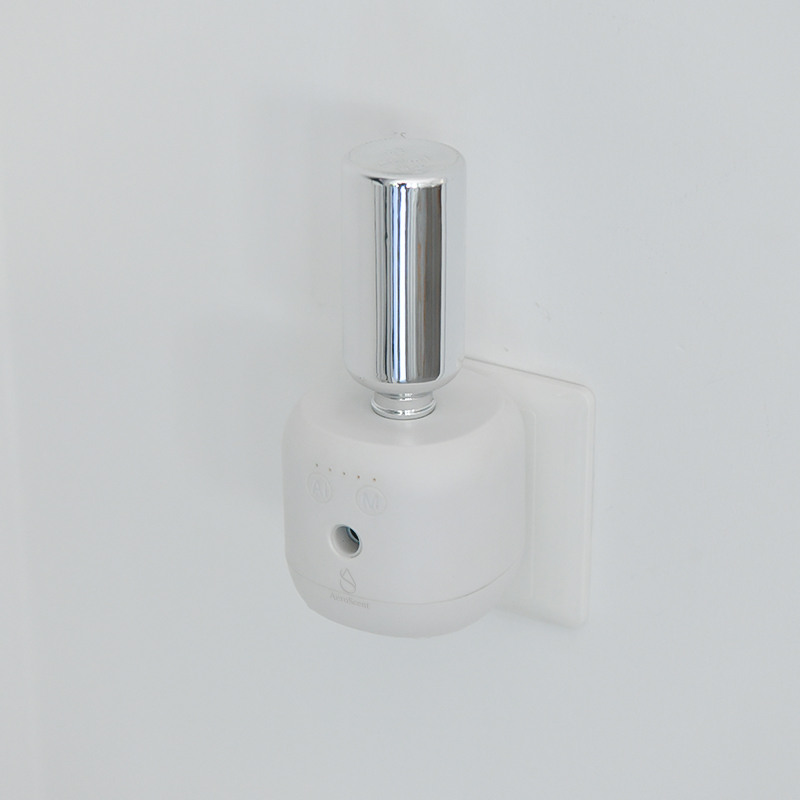
Nebulizing technology uses pressurized air to atomize pure essential oils. It operates entirely without water. An internal micro-pump forces air across a small tube containing the oil, utilizing the Bernoulli principle. This creates a vacuum that pulls the oil to the surface, blowing it into the air as a micro-fine mist. This mechanical process preserves the therapeutic properties of the oil without dilution, delivering the exact scent profile intended by the distiller.
The travel advantages of waterless systems are substantial. They eliminate water spills entirely. You never need to hunt for a clean water source in an airport terminal or a remote cabin. The scent dispersal is immediate and highly potent. Because there is no water vapor, these units leave zero condensation or residue on car windows, upholstery, or hotel furniture. They excel in small, enclosed spaces where humidity buildup causes foggy windows or damp fabrics.
However, waterless technology carries specific drawbacks. They consume essential oils at a much faster rate than water-based units. You will need to pack more oil for extended trips, which cuts into your liquid allowance for flights. Additionally, the internal air pump generates a faint humming or vibrating noise. While usually quiet, this mechanical sound might bother extremely light sleepers when placed directly on a bedside table. Thick oils like vetiver or patchouli can also clog the micro-tubes if not cleaned regularly.
Ultrasonic models use high-frequency vibrations to agitate water and essential oil. A small piezoelectric ceramic disc at the base of the reservoir vibrates rapidly, often at 2.4 million times per second (2.4 MHz). This intense action breaks the liquids down into microscopic particles, releasing them as a cool, fragrant mist. This technology dominates the home market but requires specific structural modifications for travel.
Standard 300ml home units waste valuable luggage space and create massive spill hazards. Travel-optimized capacities sit between 50ml and 100ml. This range provides the ideal balance. A 50ml reservoir offers enough run time for a few hours of continuous use while remaining compact enough to slip into a carry-on bag. Anything larger becomes cumbersome, heavy when filled, and increases the risk of major spills that can ruin electronics packed nearby.
Adding slight humidity serves as a massive travel advantage. Hotel rooms and airplane cabins are notoriously dry. The recycled air strips moisture from your skin and respiratory tract, often leading to travel fatigue and sinus irritation. An ultrasonic unit combats this by acting as a personal micro-humidifier. This dual-purpose benefit makes them highly desirable for dry climates, winter travel, or long stays in heavily air-conditioned environments.
The primary drawback is the inherent risk of water leakage. Water and electronics mix poorly in transit. You must rigorously empty and dry the unit before repacking it. Even a few drops of leftover water can seep into the charging port or internal circuitry if the device tips over in your bag. Furthermore, you must source clean, preferably distilled, water at your destination to prevent mineral buildup on the ceramic disc.
Understanding battery capacity requires looking at milliampere-hour (mAh) ratings. A 2000mAh battery provides significantly less run time than a 4000mAh battery. Higher capacity directly translates to extended continuous and intermittent use. Consistent usage enhances travel convenience by reducing how often you need to hunt for an outlet. A reliable battery diffuser balances this power capacity against the physical weight of the lithium-ion cells. Heavy batteries add unwanted ounces to your carry-on.
Charging standards dictate daily usability. USB-C charging is mandatory for modern travel gear. Reject any device using a proprietary DC adapter or an outdated Micro-USB port. Proprietary cables get lost easily and require packing extra bulky plugs. USB-C allows you to use your existing laptop charger, phone charger, portable power bank, or car port. This universal compatibility streamlines your packing list and ensures you can always find a way to recharge, even if you lose your primary cable.
Evaluate the charge time versus run time ratio. A device that takes six hours to charge but only runs for two hours offers terrible utility. Look for models supporting fast charging and pass-through charging. Pass-through charging allows the device to operate while plugged into a power source, meaning a dead battery won't stop you from using it if you have a power bank handy. The ideal ratio provides at least two hours of active diffusion for every one hour spent connected to a power source.
Reservoir security separates cheap gadgets from serious travel tools. For ultrasonic models, screw-top reservoirs are non-negotiable. Simple lift-off lids will spill the moment your bag shifts or your car hits a pothole. Look for heavy-duty, food-grade silicone gaskets sealing the water chamber. These gaskets compress when tightened, creating a watertight barrier that withstands turbulence, rough handling, and accidental knock-overs on a hotel nightstand.
Water resistance protects your investment. Look for "IPX-rated" specifications on the spec sheet. An IPX4 or IPX5 rating indicates the internal battery and circuitry are shielded against accidental internal spills or external splashes. If you fail to empty the reservoir completely before packing, this rating prevents a few stray drops of water from short-circuiting the entire motherboard. Unrated devices often die after their first minor spill.
Casing materials determine lifespan and chemical resistance. Essential oils, particularly citrus oils like lemon and sweet orange, are highly corrosive to cheap plastics. Compare BPA-free, high-impact plastics like Polypropylene (PP) against brushed aluminum or metal alloys. PP resists chemical degradation and keeps the overall weight low. Aluminum offers superior aesthetic appeal and crush resistance but dents easily and adds weight. Soft-touch rubberized coatings feel premium but often attract dust, lint, and pet hair inside a suitcase, becoming sticky over time.
Analyze the weight-to-output ratio. Heavier materials and larger batteries directly impact your luggage weight limits. A solid metal unit with a massive battery might feel luxurious but becomes a burden in a carry-on bag. Find the sweet spot. If you primarily check your baggage, weight matters less. If you travel strictly with a backpack, every ounce counts. Prioritize lightweight, durable PP plastics for maximum mobility without sacrificing chemical resistance.
| Material Type | Durability | Weight Impact | Chemical Resistance (Oils) | Best Travel Use Case |
|---|---|---|---|---|
| Polypropylene (PP) | High (Shatter-resistant) | Very Light | Excellent | Backpacking, Carry-on only |
| ABS Plastic | Moderate (Can crack) | Light | Poor (Citrus oils degrade it) | Budget travel, infrequent use |
| Aluminum Alloy | High (Crush-resistant) | Heavy | Excellent | Checked luggage, Car travel |
| Glass / Ceramic | Very Low (Fragile) | Very Heavy | Excellent | Not recommended for travel |
Programmable intermittent settings artificially extend battery life and improve the user experience. Modes that cycle on for 10 seconds and off for 50 seconds drastically reduce power consumption. More importantly, intermittent diffusion prevents olfactory fatigue. In small spaces like cars, train cabins, or tiny European hotel rooms, continuous output quickly overwhelms the senses. Intermittent bursts keep the environment fresh without causing headaches, wasting essential oils, or leaving a heavy scent residue on fabrics.
Set realistic expectations regarding scent coverage area. Compact cordless units excel in personal spaces. They perfectly scent a car interior, a bedside table area, or a small bathroom. They will not effectively scent a massive open-concept rental house or a large hotel suite. Understanding this limitation prevents disappointment. Position the unit within three to five feet of your resting area for optimal results. Relying on a travel unit to act as a whole-house system will only drain the battery and waste your oils.
Evaluate the long-term costs of oil delivery systems. Some waterless models require proprietary oil cartridges. These lock you into buying specific brands at inflated prices, severely limiting your options on the road. The smartest investments accept standard 10ml or 15ml essential oil bottles directly, utilizing standard DIN18 threads. You simply screw your favorite store-bought oil into the machine. This universal fit guarantees flexibility, allows you to source oils locally while traveling, and keeps ongoing operating costs low.
Bundled accessories significantly elevate out-of-the-box readiness. Look for packages including hard-shell EVA travel cases. A custom-fit case protects the device from impact, prevents accidental button presses in your bag, and keeps charging cables organized. Extra empty oil bottles allow you to mix custom blends before your trip. Finding the best battery operated essential oil diffuser means assessing the entire ecosystem provided by the manufacturer, not just the base unit.
Navigating TSA and liquid restrictions requires strict planning. The 3-1-1 liquids rule applies to essential oils. All oil bottles must fit inside a single quart-sized, clear, resealable bag. Each individual bottle must be 3.4 ounces (100ml) or less. Furthermore, your diffuser reservoir must be completely empty and dry before going through airport security. TSA agents will flag and potentially confiscate units containing unidentified liquids. Never pack a filled ultrasonic unit in your carry-on; the pressure changes will force the water out, ruining your bag.
Maintenance without a sink demands creative solutions. You will not always have access to hot water and dish soap. Pack a few cotton swabs and small specialized cleaning wipes. In a pinch, use 99% isopropyl alcohol to clear resin buildup from the ultrasonic disc or the nebulizer nozzle. A quick swab with alcohol dissolves hardened oil instantly. If you run thick oils like sandalwood, run a few drops of pure alcohol through the nebulizer cycle for five minutes to clear the micro-tubes before packing it away.
Climate and altitude effects impact performance. Extreme cabin pressure during flights can cause poorly sealed oil bottles to leak. Always store oils upright in leak-proof baggies. Freezing temperatures in the cargo hold degrade lithium-ion battery health over time. Cold environments also alter leftover oil viscosity, making it thick and difficult to atomize. Keep your device and your oils in your temperature-controlled carry-on whenever possible to preserve battery life and oil consistency.
Optimize your scent selection for the rigors of travel. Select oils strategically based on your itinerary. Use spa-like scents, such as eucalyptus or bergamot, to elevate a stale, heavily chemically cleaned hotel room environment. Deploy specific functional blends to combat physical travel friction. Lavender promotes sleep in unfamiliar beds. Peppermint or sweet orange combats jet lag, sharpens focus during long drives, and relieves travel fatigue. Avoid heavy, lingering scents like ylang-ylang in rental cars, as the next renter may complain.
The ideal unit aligns perfectly with your specific travel friction points. If you spend hours in a car, prioritize a waterless model that fits your cup holder and prevents window condensation. If you suffer from dry skin in heavily air-conditioned hotel rooms, an ultrasonic model provides the necessary micro-humidification. Let your itinerary dictate the technology.
A: Yes, you can take it on an airplane. Devices containing lithium-ion batteries must be packed in your carry-on luggage, not checked bags, due to fire safety regulations. The water reservoir must be completely empty before passing through TSA security. Essential oils must comply with the 3-1-1 liquids rule and be placed in a clear quart-sized bag.
A: Battery life varies significantly based on mAh capacity and usage modes. Most travel units last between 2 to 8 hours on a single charge. Using continuous mist drains the battery quickly, typically in 2 to 3 hours. Utilizing intermittent mist settings can extend the battery life up to 8 hours or more.
A: It depends on your needs. Waterless diffusers offer mess-free convenience, zero spill risk, and potent scent dispersal, making them perfect for cars and quick setups. Ultrasonic models require water, which introduces spill risks, but they provide valuable humidification for dry hotel rooms and airplane cabins.
A: Yes, many are designed specifically for car use. Ensure the base diameter fits standard cup holders (usually 2.5 to 3 inches). Use USB-C charging via your car's power ports. It is crucial to use intermittent settings in small cabins to avoid overwhelming the space with scent and to prevent oil residue buildup on windows.
A: Cleaning on the road requires minimal supplies. Empty any remaining water or oil. Use a cotton swab dipped in rubbing alcohol to gently wipe the ultrasonic disc or the nebulizer nozzle. This quickly dissolves sticky resin buildup. High-proof clear spirits like vodka can work in an emergency if rubbing alcohol is unavailable.
A: Set realistic expectations. Travel diffusers are compact and have smaller motors, meaning they will not scent a large suite or open-concept room. They are designed for personal proximity. Place them on a bedside table or a desk to create a localized, spa-like atmosphere within a three to five-foot radius.


