
Views: 0 Author: Site Editor Publish Time: 2026-08-10 Origin: Site


The physical constraints of small spaces amplify the effects of aromatherapy. In environments under 150 square feet—such as home offices, bathrooms, or tiny bedrooms—standard-sized diffusers become a functional liability. Deploying an overpowered or poorly regulated unit in a confined area leads to rapid olfactory fatigue. It also causes excessive surface condensation, invites potential mold growth, and wastes expensive essential oils.
To identify the optimal solution, buyers must move beyond basic functionality. You need to evaluate devices based on strict output controls, appropriate diffusion technology, acoustic profiles, and aesthetic integration. Long-term durability also plays a major role when selecting the best essential oil diffuser for small space applications. A unit designed for a sprawling living room will simply overwhelm a compact desk setup. Success requires matching the machine's capabilities directly to the room's limited airflow dynamics.
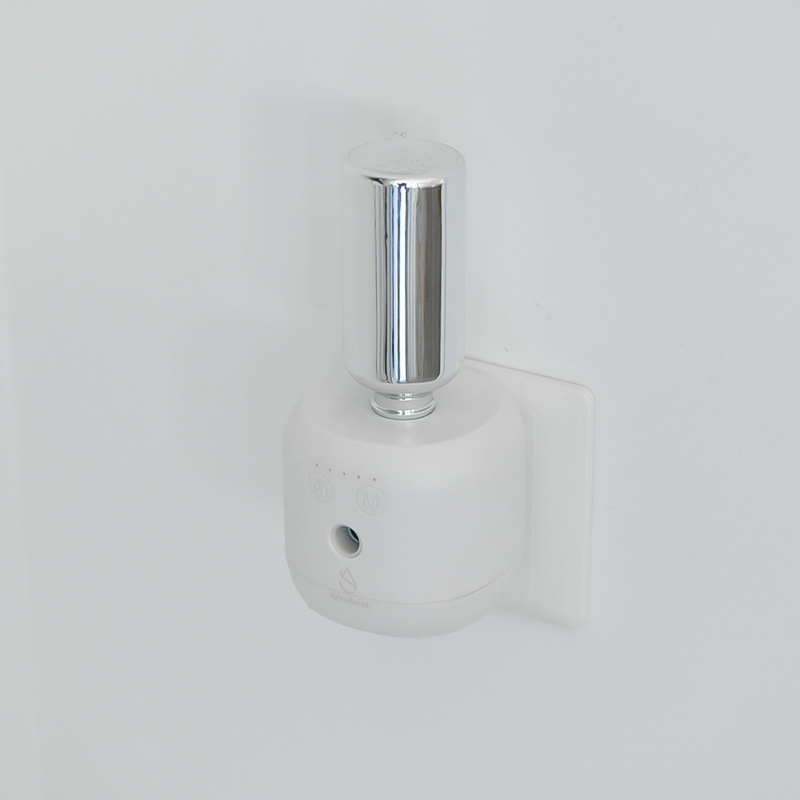
Stagnant air in closed rooms traps volatile organic compounds (VOCs) rapidly. When you shut the door to a home office or a small bedroom, natural ventilation drops significantly. Essential oils release potent VOCs into this trapped air. Without adequate airflow to disperse these particles, the concentration spikes. This rapid accumulation quickly transforms a pleasant aroma into an overwhelming, headache-inducing cloud.
Establishing proper baseline metrics prevents this issue. A confined space typically requires a coverage rating of 100 to 200 square feet. Devices rated for 500 square feet or more push too much vapor into the air too quickly. Using an oversized unit in a tiny room guarantees saturation long before the oil fully evaporates. You must match the device's output capacity to the actual square footage of your environment.
| Room Type | Average Square Footage | Recommended Reservoir Capacity | Maximum Run Time (Continuous) |
|---|---|---|---|
| Bathroom / Powder Room | 30 - 50 sq. ft. | Waterless (Nebulizer) or <50ml | 15 - 20 minutes |
| Home Office / Cubicle | 50 - 100 sq. ft. | 50ml - 100ml | 30 - 45 minutes |
| Small Bedroom | 100 - 150 sq. ft. | 100ml - 120ml | 60 minutes |
Different zones within a compact area demand distinct functional features. You cannot treat a bedside table the same way you treat a workstation. The physical environment dictates the hardware requirements.
Water-based diffusion introduces physical moisture into the air. In large rooms, this moisture disperses easily. In small volumes of air, the physics change entirely. The limited air capacity quickly reaches its dew point. Once the air cannot hold any more moisture, the excess vapor condenses back into liquid water on the nearest surfaces.
This localized condensation causes severe structural and material damage over time. Excess humidity warps wooden desks, ruins stacked paperwork, and degrades drywall. More critically, microscopic water droplets settle on sensitive electronics, risking short circuits in laptops and monitors. Controlling moisture output is just as important as controlling the scent profile.
Watch for these specific signs that your room is over-saturated:
Understanding the mechanical differences between diffusion methods helps you make an informed choice. Each technology interacts with indoor air differently, presenting unique advantages and drawbacks for tight quarters.
| Technology Type | Mechanism | Best For | Primary Drawback |
|---|---|---|---|
| Ultrasonic (Water-Based) | High-frequency vibrations atomize water and oil into mist. | Dry offices, bedrooms, focused work areas. | Can cause localized condensation if overused. |
| Nebulizing (Waterless) | Pressurized air atomizes pure oil directly from the bottle. | Damp bathrooms, short burst applications. | Motor noise; consumes oil very rapidly. |
| Evaporative / Heat (Passive) | Fan or gentle heat accelerates oil evaporation. | Personal desks, travel, highly localized zones. | Alters oil chemistry; scent dissipates quickly. |
Ultrasonic technology utilizes a small ceramic disc at the base of the water reservoir. This disc vibrates at ultrasonic frequencies—usually around 2.4 million times per second—breaking water and essential oils into microscopic particles. The device then blows this fine mist into the room using a small internal fan.
For small spaces, ultrasonics offer distinct advantages. They are generally the quietest option available, making them ideal for concentration or sleep. They also double as micro-humidifiers, adding a slight amount of moisture to combat dry winter air or aggressive office HVAC systems. The primary drawback remains the risk of dampness. If the output isn't strictly controlled, the mist will settle on surrounding surfaces.
The sterilized mist requirement cannot be ignored. You must use distilled water in small ultrasonic units. Tap water contains minerals that aerosolize into a fine "white dust" that coats furniture and electronics. Standing tap water breeds bacteria rapidly. Distilled water prevents mineral buildup and minimizes microbial risks.
Nebulizing devices operate without water. They use pressurized air to force pure essential oil through a micro-tube, atomizing it into a highly concentrated vapor based on the Bernoulli principle. This method delivers the oil in its most unadulterated form, preserving the exact chemical profile of the plant extract.
These units excel in damp spaces like bathrooms because they add zero humidity to the air. They completely eliminate the risk of water-borne bacteria. The scent delivery is incredibly potent and immediate. Nebulizers present challenges for compact rooms, though. The internal air pump often produces a noticeable mechanical hum. They also consume oil rapidly. Without strict interval timers, a nebulizer will quickly overpower a small room, making the air unbreathable.
Passive diffusers rely on natural evaporation, sometimes accelerated by a small internal fan or a gentle heating element. The oil sits on a pad or in a small dish, and air blows across it to disperse the scent.
These units provide an extremely localized scent throw. They are perfect for a personal desk where you only want to smell the oil within a two-foot radius. They require no water and create no mist, making them highly portable and safe around electronics. The downside is that heat alters the delicate chemical composition of essential oils, degrading their therapeutic properties. The lighter top notes evaporate immediately, while heavier base notes linger, creating an uneven scent profile over time.
Continuous operation is the enemy of small space aromatherapy. A viable small room diffuser mandates strict interval settings. Look for devices that offer cycles such as 30 seconds on, followed by 30 seconds off. This intermittent misting maintains a steady, non-intrusive aroma profile without overwhelming the limited air volume.
Auto-shutoff features must also be evaluated carefully. Basic models only shut off when the water reservoir empties. In a small room, waiting for a 100ml tank to run dry might take six hours, leading to severe over-saturation. Advanced units feature hard time limits, automatically powering down after one or two hours regardless of the remaining water level.
Operational noise impacts user experience significantly in close-proximity environments. When a device sits two feet from your head on a nightstand or desk, even minor sounds become amplified.
| Noise Source | Estimated Decibel (dB) Level | Impact on Small Space |
|---|---|---|
| Rustling Leaves / Breathing | 10 - 20 dB | Imperceptible; ideal for sleep. |
| Ultrasonic Diffuser | 20 - 30 dB | Soft water trickling; acts as soothing white noise. |
| Nebulizing Diffuser (Air Pump) | 35 - 45 dB | Noticeable mechanical hum; can disrupt light sleepers. |
| Standard Refrigerator | 40 - 50 dB | Too loud for close-proximity desk work. |
You must compare the acoustic signatures of different technologies. Ultrasonic models generally produce a soft, rhythmic water trickling sound, accompanied by a very faint fan hum. Many users find this white noise soothing for sleep or deep work. Nebulizers rely on air pumps. This creates a distinct mechanical vibration that can disrupt concentration or wake light sleepers. Always check the decibel rating; anything above 30 dB will likely prove distracting in a quiet, confined room.
A true compact unit must respect spatial limitations. It needs to fit on a crowded nightstand alongside lamps and books, or sit next to a computer monitor without risking a spill. A wide, bulky base is impractical. Look for vertical, cylindrical designs that maximize reservoir capacity while minimizing the surface area they occupy. Ideally, the base should measure no more than three to four inches in diameter.
Power source flexibility dictates where you can place the unit. Standard AC adapters limit you to wall outlets, which are often scarce in small rooms. USB-C powered units offer superior versatility, allowing you to plug them directly into laptops or desktop hubs. Battery-operated travel models provide the ultimate freedom, easily transitioning from a hotel room desk to a bathroom counter without cord management issues.
In a small room, every object acts as decor. A diffuser cannot hide in the corner; it sits in plain sight. Investing in premium materials elevates the device from a utilitarian appliance to an integrated design element. Cheap, glossy plastics often look like medical equipment and degrade quickly under the chemical stress of potent oils.
Premium materials like matte ceramic, carved stone, and heavy glass offer superior durability. They resist the corrosive nature of citrus oils and maintain their finish for years. The added weight of stone or ceramic also provides stability, preventing accidental tip-overs on a busy desk. While high-grade plastics offer drop-resistance for travel, stationary home units benefit immensely from the aesthetic and structural longevity of natural materials.
Small spaces inherently use less oil, but the type of device dictates your long-term consumption. A compact diffuser utilizing ultrasonic technology stretches a few drops of oil over several hours. Nebulizers burn through pure oil rapidly.
| Oil Type | Examples | Viscosity | Diffuser Compatibility |
|---|---|---|---|
| Citrus / Floral | Lemon, Sweet Orange, Lavender | Thin / Light | Excellent for both Ultrasonic and Nebulizing. |
| Herbaceous | Peppermint, Rosemary, Eucalyptus | Medium | Works well in all types; monitor nebulizer tubes. |
| Resinous / Wood | Vetiver, Sandalwood, Patchouli | Thick / Heavy | Best in Ultrasonic. Will clog Nebulizers quickly. |
Viscosity plays a major role here. Compact nebulizers are highly sensitive to thick, resinous oils. These heavy oils easily clog the delicate micro-tubes inside the device, requiring intense cleaning or replacement parts. Ultrasonics handle thick oils much better since the oil floats on water. Balancing the upfront investment of a premium BIFL device with the ongoing consumption rate of your preferred oils is vital for long-term satisfaction.
Maintenance is the hidden reality of aromatherapy. Smaller reservoirs are notoriously difficult to clean because you cannot easily fit your hand inside to scrub the corners. Biofilm—a slimy buildup of bacteria and residual oil—forms rapidly in standing water.
Ultrasonic units require regular, meticulous attention. Follow this field-tested protocol to maintain your device:
If you live in a hard-water area and fail to use distilled water, mineral scaling will permanently damage the ultrasonic disc. Nebulizers avoid water-borne mold but require a different protocol. You must periodically flush them with high-proof rubbing alcohol to dissolve hardened oil resins and keep the micro-tubes clear.
Essential oils pose severe toxicity risks to household pets. Cats and dogs lack the specific liver enzymes required to metabolize many common VOCs. Oils like eucalyptus, tea tree, peppermint, and citrus are highly toxic to them.
In a small, poorly ventilated room, this risk grows exponentially. The concentrated vapor settles on their fur, which they later ingest during grooming. It also enters their respiratory system directly. If you operate a device in a confined space, you must ensure pets cannot enter the room. Active ventilation—such as cracking a window or running an exhaust fan—is mandatory to clear the air after a diffusion session.
The human olfactory system adapts to continuous smells rapidly. This phenomenon, known as "nose blindness" or olfactory fatigue, occurs when receptor cells in the nose stop responding to a constant stimulus. In a small space, this happens within 15 to 30 minutes.
When users experience olfactory fatigue, they often mistakenly believe the device has stopped working. This prompts them to dangerously increase the oil concentration or run the machine continuously. Doing so heavily pollutes the indoor air quality and can trigger headaches, nausea, and respiratory irritation. Understanding this biological limit reinforces the absolute necessity of using intermittent timers.
The ideal solution for confined environments is never the most powerful machine on the market. Instead, it is the most controllable and aesthetically integrated device. Success depends entirely on matching the output capacity to the limited airflow of the room while respecting the acoustic and physical boundaries of the space.
Before purchasing your next device, take the following actionable steps:
A: A capacity of 50ml to 120ml is optimal for small spaces, providing 3 to 6 hours of intermittent use without risking stagnant water. This capacity ensures the mist disperses effectively without overwhelming the room's humidity levels or leaving water sitting long enough to breed bacteria.
A: Yes, but only if it features a low-output setting and an intermittent timer. Nebulizers deliver highly concentrated, pure oil that can quickly overwhelm a small room. Without strict interval controls, the potent vapor will cause respiratory irritation and olfactory fatigue within minutes.
A: Choose an ultrasonic unit with an intermittent mist setting, keep it away from walls and electronics, or opt for a waterless nebulizing diffuser. Monitoring the room with a basic hygrometer also helps ensure the localized humidity stays within a safe, comfortable range.
A: A travel-friendly diffuser should feature a spill-proof locking mechanism, a durable exterior to withstand transit, and flexible power options like a USB-C port or rechargeable battery. It must also have a minimal footprint to fit easily into luggage and vehicle cup holders.
A: Ultrasonic diffusers are generally the quietest, producing only a faint fan hum and water trickling sound, making them ideal for focused work environments. Nebulizers, by contrast, rely on internal air pumps that generate a noticeable mechanical vibration that can be distracting.
A: Aromatherapy best practices recommend running a diffuser for 30 to 60 minutes at a time to prevent olfactory fatigue and indoor air pollution. Utilizing intermittent settings extends this timeframe safely without saturating the environment.
A: Yes. Bathrooms already suffer from high ambient humidity due to showers and sinks. Adding an ultrasonic water-based unit exacerbates moisture issues and promotes mold growth. Waterless nebulizers deliver pure scent instantly without contributing any additional water vapor to the damp environment.


