
Views: 0 Author: Site Editor Publish Time: 2026-08-04 Origin: Site


Most entry-level diffusers hit the trash bin within six months. You buy one, it works for a season, and then the motor burns out, the ultrasonic plate calcifies, or the plastic housing cracks from chemical degradation. The market floods shelves with units that look great but fail mechanically. You end up stuck in a replacement cycle, wasting money and risking safety with compromised internal materials. Finding a unit capable of daily operation over multiple years requires looking past the outer shell. You need to evaluate the core diffusion technology, the chemical resistance of the reservoir, and the acoustic engineering of the internal motor. This guide breaks down the mechanical differences, material requirements, and maintenance realities you must know. We will show you exactly how to identify the best rated essential oil diffuser for long-term reliability.
Essential oils are highly concentrated volatile organic compounds (VOCs). When these compounds come into direct contact with low-grade plastics, they act as powerful natural solvents. Citrus oils contain high levels of d-limonene, a chemical compound that aggressively attacks standard ABS plastics and weak rubber seals. The chemical interaction breaks down the polymer chains in the plastic. Over time, this causes the water reservoir to become cloudy, brittle, and eventually crack under normal handling.
As the internal seals harden and fail, moisture seeps into the base of the unit. This moisture inevitably reaches the printed circuit board (PCB), causing electrical shorts and permanent hardware failure. Long-term reliability requires materials specifically engineered to withstand constant exposure to these corrosive compounds. If the reservoir material cannot handle high-phenol oils like clove or oregano, the unit will not survive daily use.
The operational heart of any ultrasonic unit is a small ceramic oscillating disc located at the bottom of the water reservoir. This disc uses the piezoelectric effect, vibrating at millions of times per second to agitate the water and oil mixture into a fine mist. When users operate the device using standard tap water, dissolved minerals such as calcium and magnesium remain in the basin during the atomization process.
These minerals form a hard, white scale directly on the ceramic disc. This calcification severely restricts the vibration amplitude, permanently reducing the mist output. The restricted movement forces the internal electronics and fan to work harder to achieve the same output. This generates excess heat and accelerates component degradation across the entire circuit board.
Continuous, daily operation places immense strain on the low-grade DC motors typically found in standard units. As the internal cooling fan pulls in air from the surrounding room, it simultaneously draws in microscopic dust particles. When this dust mixes with the aerosolized oil residue that naturally settles around the base of the machine, it forms a thick, sticky sludge.
This sludge accumulates over the air intake vents and coats the fan blades. The clogged intakes suffocate the fan, preventing adequate airflow and causing the internal motor to overheat. Thermal failure is a primary reason why visually pristine units suddenly stop functioning after a few months of heavy use. Proper airflow management and regular exterior wipe-downs are mandatory to prevent this specific failure mode.
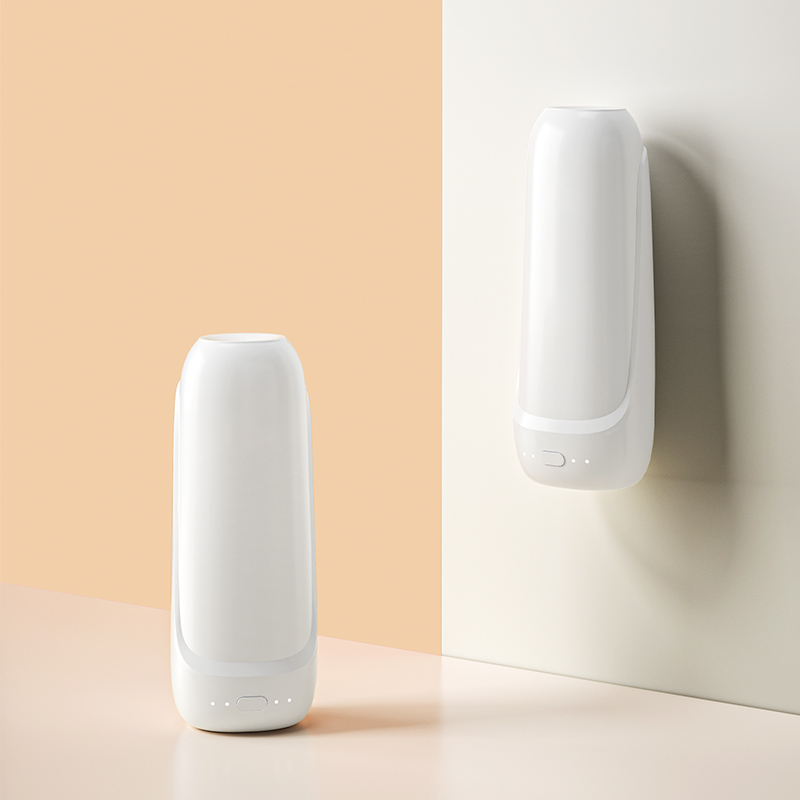
Nebulizing technology operates entirely without water or heat. It utilizes pressurized air and the Bernoulli principle to atomize pure essential oils. A high-powered air pump forces air through a micro-tube, creating a pressure differential that draws the oil upward. The oil shatters into microscopic nanoparticles against a specialized glass baffle and disperses into the room.
Because this process eliminates water, there is zero risk of mold growth, humidity damage, or mineral calcification. This makes nebulizers exceptionally durable and ideal for large spaces or therapeutic-grade applications requiring high scent concentration. The primary drawbacks include a higher baseline noise level due to the vibration of the air pump and a significantly faster rate of oil consumption compared to water-based models.
Ultrasonic technology utilizes high-frequency electronic vibrations to agitate a small ceramic disk submerged under the water surface. This rapid vibration breaks the essential oil and water into micro-particles, releasing them into the air as a cool, fine mist. The long-term viability of an ultrasonic unit is highly dependent on water quality and strict cleaning frequencies.
Users must utilize distilled water to prevent the mineral scaling that destroys the oscillating disk. While ultrasonic models are generally quieter and consume less oil than nebulizers, they introduce additional humidity into the environment. This poses a potential mold risk in damp climates. They also rely on moving parts and water sensors that are highly susceptible to mineral scaling and resin buildup.
Evaporative systems use simple airflow from a fan to blow across an oil-soaked pad, while heat models use low-level thermal elements to warm the oil and accelerate evaporation. While mechanically simple, these technologies possess significant functional flaws.
Heat fundamentally alters the delicate chemical composition of the essential oils, destroying their therapeutic properties and degrading the scent profile. Evaporative models rely on proprietary replacement pads, creating ongoing operational costs and generating uneven scent distribution as the lighter top notes evaporate faster than the heavier base notes. Due to these limitations, heat and evaporative technologies are generally not recommended for a long-term, high-performance setup.
| Technology Type | Core Mechanism | Primary Longevity Factors | Ideal Application Environment |
|---|---|---|---|
| Nebulizing (Cold-Air) | Pressurized air via Bernoulli principle | High durability; zero water prevents calcification and mold growth. | Large open spaces, maximum scent concentration needs. |
| Ultrasonic | High-frequency ceramic disk vibration | Highly dependent on distilled water usage and frequent cleaning. | Small to medium rooms, adding slight ambient humidity. |
| Evaporative | Fan airflow over saturated pads | Mechanically simple but requires constant pad replacement. | Personal desk spaces, short-term use. |
| Heat | Thermal warming elements | Degrades oil quality over time; alters chemical composition. | Not recommended for premium setups. |
The internal reservoir material is the most critical factor in preventing chemical degradation. High-density Polypropylene (PP) or Polyethylene terephthalate (PET) is the absolute minimum standard for any plastic components exposed to essential oils. These plastics possess the necessary chemical resistance to withstand d-limonene and other harsh VOCs.
A true premium diffuser often bypasses plastic entirely for its external housing, utilizing structural materials like hand-blown glass, glazed ceramic, or treated wood. These materials provide superior stability and acoustic dampening compared to injection-molded plastics. Furthermore, you must evaluate the internal seal integrity. High-grade silicone O-rings and heavy-duty gaskets are required to protect the internal circuitry from moisture ingress and oil leakage.
Manufacturer claims regarding square footage coverage are frequently exaggerated. Calculating actual coverage needs requires understanding the relationship between tank capacity, mist output rates, and room airflow. A standard 100ml tank is entirely insufficient for a 500-square-foot open-concept living space; it will dissipate quickly and fail to provide adequate scent density.
Users must match the reservoir size and output capacity to the specific dimensions of the target room. A high quality diffuser must also feature variable mist output controls. The ability to switch between intermittent and continuous misting is necessary to manage olfactory fatigue. This phenomenon occurs when the human nose becomes blind to a constant scent. Intermittent settings also prolong the operational life of the internal motor by providing necessary cooling periods.
Acoustic engineering plays a massive role in the daily usability of the device. Evaluating the decibel (dB) rating is a mandatory step. Nebulizing models produce a distinct, low-frequency hum from the internal air pump, which can be disruptive in quiet environments like bedrooms or home offices. Ultrasonic models generally operate much quieter, producing only a faint fan whir and the gentle sound of trickling water.
Beyond acoustics, light management is critical for devices used in sleeping areas. A properly engineered unit must feature a dedicated dark mode or sleep setting that completely disables all LED indicator lights, illuminated buttons, and ambient glows. Even minor light pollution from a power indicator can cause severe circadian rhythm disruption and degrade sleep quality.
Internal safety fail-safes are non-negotiable requirements. The device must feature a highly responsive waterless auto-shutoff sensor. This mechanism instantly cuts power to the ultrasonic plate and motor the moment the water level drops below a critical threshold. This prevents electrical fires, melted reservoirs, and catastrophic motor burnout.
Tip-over protection is an additional safety layer that disables the unit if it is knocked off balance, preventing water from spilling into the air intake vents. Power delivery also impacts longevity. Standard AC adapters provide consistent, reliable power for stationary units. Models utilizing internal lithium-ion batteries for cordless operation offer portability but introduce a fixed lifespan to the unit, as the battery capacity will inevitably degrade after several hundred charge cycles.
The integration of wireless technology offers significant automation benefits. Wi-Fi connectivity, app-based scheduling, and integration with whole-home HVAC systems allow users to customize scent profiles based on time of day or occupancy. You can set the device to run right before you arrive home or shut off automatically after you fall asleep.
However, a smart diffuser introduces distinct reliability risks. Moisture naturally interacts poorly with complex printed circuit boards. The addition of Wi-Fi antennas, Bluetooth modules, and digital displays creates new potential points of failure in a high-humidity environment. Users must carefully assess whether the convenience of voice control and smartphone scheduling outweighs the inherent risks of software obsolescence, connectivity hardware failure, or app discontinuation by the manufacturer.
Evaluating the true cost of an aroma device requires analyzing the upfront investment against the expected replacement frequency. Purchasing a heavily engineered unit with medical-grade components represents a higher initial outlay, but this cost is quickly amortized when the device operates flawlessly for five years. Conversely, relying on entry-level models often results in purchasing replacement units multiple times per year due to motor failure or plastic degradation, ultimately costing more over a multi-year period.
Operational costs must also be factored into the analysis. Ultrasonic models require a constant supply of distilled water to prevent calcification, while nebulizing models consume essential oils at a significantly faster rate. Replacement parts, such as glass reservoirs or atomizing nozzles, should be readily available from the manufacturer to extend the life of the base unit.
Verifying manufacturer claims is a critical step in the evaluation process. Look for third-party safety certifications such as UL, CE, or FCC markings on the power supply and the device itself. These certifications validate that the internal wiring and build quality meet strict international safety standards. Finally, the warranty serves as a direct indicator of manufacturer confidence. A one-year minimum warranty, backed by accessible customer service and a clear pathway for sourcing replacement parts, is a mandatory criterion. Devices sold with minimal or non-existent warranties typically utilize inferior internal components designed for planned obsolescence.
Thick, viscous essential oils present a significant operational hazard. Oils extracted from roots and woods, such as Vetiver, Sandalwood, Patchouli, and Cedarwood, contain heavy molecular structures that do not atomize easily. When used frequently, these heavy oils leave behind a sticky, resinous residue.
In a nebulizing unit, this resin will quickly clog the microscopic glass atomizing tubes, completely halting scent output. In an ultrasonic unit, the resin coats the ceramic oscillating plate, hardening into a shell that restricts vibration and strains the motor. Users must balance the use of heavy base notes with lighter, thinner oils like citrus or eucalyptus to maintain clear internal pathways.
Consistent maintenance is the single most important factor in extending the lifespan of the device. Daily or weekly maintenance should involve emptying any remaining water, wiping down the internal reservoir with a soft microfiber cloth, and allowing the unit to air dry completely to prevent bacterial growth. Deep cleaning protocols vary by technology.
The physical placement of the device heavily influences both its performance and its longevity. Units must be placed away from direct sunlight, as prolonged UV exposure degrades exterior plastics and rapidly oxidizes the essential oils stored in the reservoir. Diffusers should never be placed directly on unsealed wood furniture, antiques, or sensitive electronics.
The micro-mist carries aerosolized oils that will eventually settle on surrounding surfaces, potentially stripping wood finishes or causing electrical shorts in nearby devices. Furthermore, placing the unit too close to HVAC return vents will simply suck the dispersed scent into the home's ductwork, drastically reducing the ambient scent concentration in the target room.
Implementing a strict testing protocol during the first 48 hours of ownership ensures the unit is free from manufacturing defects. First, verify the mist output consistency by running the device on its maximum continuous setting for a full cycle. The mist plume should be steady, vertical, and free from sputtering.
Second, test the waterless auto-shutoff mechanism by allowing the reservoir to run completely dry. The unit must power down immediately without generating a burning odor or excessive heat. Finally, inspect the exterior base and the surface beneath the unit for micro-leaks. Even the smallest amount of moisture pooling around the silicone seals indicates a compromised gasket that will inevitably lead to internal water damage.
A: With proper maintenance and distilled water for ultrasonic models, a premium unit should last 3 to 5 years. Nebulizing diffusers can last longer due to the lack of water-induced degradation.
A: Look for the recycling code "5" (Polypropylene/PP) or "1" (PET) on the bottom of the water reservoir. For maximum safety, opt for a nebulizing diffuser that uses only medical-grade glass.
A: Most smart diffusers require Wi-Fi for initial scheduling and app control, but retain manual buttons for basic continuous or intermittent operation if the network goes down.
A: The most common cause is mineral buildup or essential oil resin hardening on the ceramic ultrasonic plate. A deep clean with white vinegar or rubbing alcohol usually restores function.
A: For pure scent concentration and mechanical longevity, nebulizing diffusers are superior. However, ultrasonic diffusers are better for users who want to add slight humidity to the air and prefer a quieter motor.
A: Yes. Citrus oils contain d-limonene, a natural solvent that will degrade cheap plastics. Always ensure your diffuser uses high-quality, BPA-free polypropylene (PP) or glass reservoirs.
A: Only use units equipped with a reliable waterless auto-shutoff sensor. This mechanism cuts power to the motor the moment the reservoir empties, preventing overheating and potential fire hazards while you sleep.


