
Views: 0 Author: Site Editor Publish Time: 2026-08-27 Origin: Site


Scenting a confined space like a bedroom or a personal office presents a unique challenge. You want to achieve a pleasant ambient aroma without overwhelming the senses, causing olfactory fatigue, or creating environmental disruptions. Standard-sized diffusers are engineered for open floor plans. When deployed in small spaces, they often lead to excessive humidity, intense scent saturation, and distracting motor noise. They also monopolize premium nightstand or desk real estate.
While many seek to replicate a luxury hotel or spa ambiance in their personal space, relying on traditional candles or incense introduces fire hazards and soot. A small essential oil diffuser provides a safer, smoke-free alternative, provided the hardware matches the room's constraints. Selecting the right unit requires moving beyond aesthetic preferences. This guide provides a technical evaluation framework for choosing a unit based on dispersion technology, acoustic profiles, spatial constraints, and shared-environment compliance.
Baseline metrics for bedrooms and personal offices usually fall between 100 and 150 square feet. Room volume dictates how much scent a space can hold. You must calculate cubic footage by multiplying length, width, and ceiling height. A standard 10-by-12-foot bedroom with an 8-foot ceiling contains 960 cubic feet of air. This volume requires significantly less scent output than an open living room with vaulted ceilings.
Airflow and ventilation directly impact scent dispersion and linger time. Closed doors trap volatile organic compounds (VOCs) from essential oils. HVAC return vents pull localized scents into shared ductwork. A mini aroma diffuser operates differently than whole-home fragrance systems. Whole-home systems push scent via forced air through large ducts. Compact units rely on ambient air currents and thermal dynamics within a single room. Setting realistic expectations regarding scent throw prevents overworking the machine and saturating the room.
To properly map your space for a scent device, follow these steps:
Olfactory fatigue happens quickly in enclosed rooms. Your brain stops registering a constant scent after approximately 15 to 30 minutes. This biological adaptation is known as nose blindness. Users often mistakenly turn up the device intensity when they stop smelling the fragrance. This leads directly to severe over-scenting.
Negative outcomes of over-scenting include headaches, respiratory irritation, and nausea. Heavy misting leaves lingering oily residue on hard surfaces, which can damage keyboard switches or cloud monitor screens over time. Essential oils are highly concentrated plant extracts. Pumping high concentrations into poorly ventilated spaces degrades indoor air quality. You must control the output to maintain a subtle, background ambiance rather than a heavy, thick perfume.
Ultrasonic units use electronic frequencies to vibrate a small piezoelectric disk beneath a water reservoir. This rapid vibration, typically operating between 1.7 MHz and 2.4 MHz, creates a fine mist of water and essential oil. A small internal fan then pushes this mist into the room. The technology relies entirely on water as the carrier mechanism for the fragrance.
These units are exceptionally quiet. They produce a soft water trickling sound that many find soothing for sleep. They also double as micro-humidifiers. This added moisture benefits dry bedroom environments, especially during winter months when heating systems strip moisture from the air. However, they require daily water refills. Introducing continuous moisture may damage sensitive office electronics or paper documents. You must clean the reservoir frequently to prevent mold and bacterial growth.
Nebulizing diffusers use pressurized air to atomize pure essential oil directly from the bottle. They utilize the Bernoulli principle. High-speed air forces the oil through a glass or plastic micro-tube, breaking it into nanoparticles. This process requires zero water and zero heat, preserving the exact chemical profile of the botanical extract.
The primary advantage is a pure, undiluted scent profile. There is no water mess to clean up. They are safe for use directly next to laptops as a desktop diffuser. However, the internal air pump often generates a noticeable mechanical humming noise. This sound profile disrupts light sleepers. They also consume essential oils at a much higher rate than ultrasonic models, requiring you to monitor the bottle levels closely.
Passive diffusers rely on natural evaporation without heat or electricity. Reed diffusers draw oil up through porous wooden sticks via capillary action. Ceramic stones absorb oil into their unglazed surface and release it slowly into the ambient air. These methods provide a highly localized scent radius ideal for shared workspaces or tight cubicles.
They have zero acoustic footprint. They require no power cords, freeing up limited desk outlets and eliminating cable clutter. The main limitation is the lack of dynamic control. You cannot turn them off or adjust the intensity instantly. Their throw distance is heavily restricted to the immediate few feet surrounding the object.
Personal wearable diffusers act as the ultimate fail-safe for strict office environments. Terracotta pendants or lava rock bracelets hold a few drops of oil. They ensure zero HR conflicts. You receive aromatherapy benefits without projecting any scent into a colleague's workspace.
| Technology Type | Mechanism | Optimal Environment | Primary Advantage | Main Limitation |
|---|---|---|---|---|
| Ultrasonic | High-frequency water vibration | Bedrooms, Dry Climates | Whisper-quiet operation | Requires daily water refills and cleaning |
| Nebulizing (Waterless) | Pressurized air atomization | Private Offices, Large Rooms | Pure, undiluted scent profile | Noticeable motor hum; high oil usage |
| Passive (Ceramic/Reed) | Natural ambient evaporation | Shared Cubicles, Desks | Zero noise; no electricity needed | Limited scent throw; no intensity control |
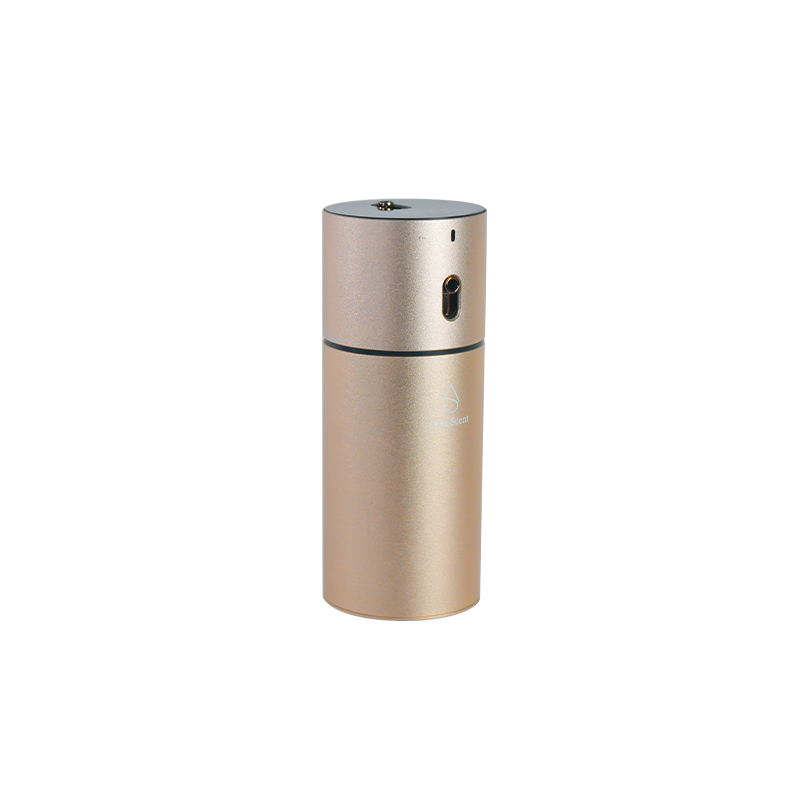
Sleep environments and professional calls demand strict acoustic control. Aim for a sub-30 dB rating for any bedroom deployment. This decibel level equates to a quiet rural area or a soft whisper. Anything louder will disrupt sleep architecture or distract you during focused work sessions and video conferences.
Differentiate between motor hum and water trickling sounds. Nebulizers produce a mechanical vibration from the air pump. Ultrasonics generate a soft water bubbling noise accompanied by a very faint fan whir. Place the unit on a solid, dense surface to minimize sympathetic vibrations. A hollow nightstand or a thin particleboard desk amplifies motor noise significantly. Using a high-density foam isolation pad under the unit can eliminate this structural resonance.
Assess base diameter requirements before purchasing. Cluttered desks or small nightstands cannot accommodate wide, bulky units. A footprint under four inches in diameter is ideal for tight spaces. Evaluate cord management. USB-powered capabilities allow you to plug the device directly into a computer monitor, docking station, or a low-profile wall adapter.
Battery-operated options provide excellent portability. You can move them from the desk to a reading chair effortlessly without re-routing cables. Analyze the refill mechanics carefully. Top-fill designs prevent accidental water or oil spills. Removing a wet, dripping plastic cover over sensitive desktop electronics or wooden furniture invites disaster. Look for units where you can pour water directly into a wide top opening.
Continuous output is detrimental in small rooms. It leads directly to olfactory fatigue and wastes expensive oils. Programmable intervals are mandatory for confined spaces. Look for 1-hour timers or specific cycling modes, such as 30 seconds on and 30 seconds off. This duty cycle allows the scent to disperse and settle, keeping your olfactory receptors sensitive to the aroma.
Reliable water-level auto-shutoff sensors guarantee safety. The unit must power down immediately when the reservoir empties. Running an ultrasonic transducer dry will burn out the piezoelectric disk in a matter of minutes. Verify that the auto-shutoff mechanism operates silently. Many poorly designed units emit loud, disruptive beeps when they run out of water, which will wake you up in the middle of the night.
Shared HVAC systems distribute localized scents across open floor plans. Your desk may feel private, but the air return vent pulls your fragrance into neighboring cubicles. Proximity to coworkers dictates your hardware choices. Always evaluate HR guidelines regarding fragrance-free zones before bringing oils to work. Many modern office buildings adhere to strict indoor air quality standards that prohibit aerosolized particulates.
Certain essential oils act as severe allergen triggers. Strong florals like ylang-ylang or heavy spices like cinnamon can cause migraines or respiratory distress for sensitive colleagues. Stick to universally tolerated, light scents like sweet orange or bergamot if you must diffuse. Obtain explicit consent from immediate desk neighbors before turning on any active scent device.
Compare the scent throw of a low-output compact diffuser against personal wearable diffusers. Wearables guarantee zero disruption to colleagues. If using an active desktop unit, keep it on the lowest intermittent setting. Position the device so the vapor trail does not cross into adjacent workspaces. Direct the mist nozzle precisely toward your own seating area, utilizing the natural airflow of your desk fan or computer exhaust to keep the scent contained.
Analyze the build quality of internal components. Cheap ultrasonic units often suffer from high failure rates due to degraded transducers. The vibrating disk wears out after a few months of continuous use, resulting in weak mist output. Premium nebulizers offer long-term durability but require strict maintenance of their internal glass micro-tubes to prevent clogging from thick, resinous oils like vetiver or myrrh.
Select a unit engineered for daily operation. Look for models with easily replaceable parts. A device with a removable and washable reservoir extends the operational lifespan significantly. Avoid units with complex, inaccessible internal water channels where mold can hide and degrade the internal seals.
Pure essential oils degrade cheap plastics over time. Citrus oils, containing high levels of d-limonene, are particularly corrosive. They will melt or cloud standard polycarbonate (PC) plastics within weeks. This degradation compromises the water seal, causes leaks, and ruins the aesthetic finish of the device.
Advocate for medical-grade, BPA-free plastics like high-density polypropylene (PP) for the water tank. Glass or ceramic reservoirs provide superior long-term reliability. These materials resist chemical breakdown entirely. They also prevent microscopic plastic particles from entering the vapor stream and degrading your indoor air quality.
| Material Type | Chemical Resistance | Durability Profile | Best Use Case |
|---|---|---|---|
| Polycarbonate (PC) | Low (Melts with citrus oils) | Prone to cracking over time | Avoid for pure essential oils |
| Polypropylene (PP) | High (Resists most terpenes) | Flexible, impact-resistant | Standard ultrasonic water tanks |
| Borosilicate Glass | Maximum (Completely inert) | Fragile, requires careful handling | Premium nebulizing diffusers |
| Glazed Ceramic | Maximum (Completely inert) | Heavy, stable on desks | High-end aesthetic covers and passive units |
Eliminating open flames removes immediate fire hazards. Scented candles and incense produce smoke, soot, and particulate matter (PM2.5). Poorly ventilated rooms trap these harmful particulates, coating walls and lungs. A well-maintained electronic unit preserves indoor air quality while delivering the desired fragrance without combustion byproducts.
Do not place the misting unit directly under smoke detectors. Dense water vapor from an ultrasonic device can trigger false alarms in small bedrooms. Keep the mist stream away from walls, curtains, and upholstered fabrics to prevent dampness and localized mold growth. Maintain at least two feet of vertical clearance above the mist nozzle.
Ultrasonic units require strict maintenance. Using distilled water prevents mineral scaling on the oscillating disk. Tap water contains calcium and magnesium, which create a fine white dust that settles on your furniture and electronics. This dust also clogs the internal mechanisms and reduces the lifespan of the internal fan.
Implement a strict cleaning protocol to prevent biofilm formation:
Diffusing certain oils in closed bedrooms poses critical risks to pets. Cats lack specific liver enzymes (glucuronosyltransferase) required to break down many essential oils. Eucalyptus, tea tree, peppermint, pine, and citrus are highly toxic to cats and dogs. Inhalation or micro-droplet ingestion causes severe neurological and respiratory distress.
Always leave the room door open when operating a scent device. Pets must have an unobstructed exit to leave the scented environment if they feel distressed. Observe your pets for signs of lethargy, drooling, or uncoordinated movement. Consult a veterinarian before introducing any new botanical fragrances into a home with small animals.
The optimal choice hinges on the primary environment. Bedrooms benefit most from the quiet, low-intensity output of an ultrasonic unit with intermittent timers. Offices require the localized, water-free, and highly controlled nature of passive or small nebulizing units.
When evaluating options, filter first by dispersion technology. Decide between water-based or waterless systems based on your proximity to electronics. Second, assess the physical footprint and noise level. Finally, verify the granularity of the timer settings to ensure you can prevent scent saturation.
Take these actionable steps to optimize your setup:
A: Most compact units effectively cover 100 to 150 square feet. Exceeding this range dilutes the scent profile. Operating them in smaller, unventilated spaces requires intermittent timer settings to prevent overwhelming fragrance concentration and olfactory fatigue.
A: Yes. Electronic diffusers eliminate open flames, smoke, and soot. This prevents indoor air quality degradation and removes fire hazards. You must clean the water reservoir regularly to maintain this safety advantage and prevent mold aerosolization.
A: Directing moisture vapor at electronics poses risks. Place ultrasonic units at least three feet away from laptops and monitors. Point the mist nozzle away from sensitive hardware. Waterless nebulizers offer a safer alternative for dense desktop setups.
A: Empty residual water daily. Perform a deep clean weekly using white vinegar or rubbing alcohol. Wipe down the oscillating disk gently with a cotton swab. This prevents mineral scaling and bacterial growth inside the reservoir.
A: Continuous operation causes olfactory fatigue and wastes essential oils. Utilize units with intermittent settings, such as 30 minutes on and 30 minutes off. Always ensure the device features an automatic shutoff mechanism triggered by low water levels.
A: Exercise extreme caution with pets. Avoid eucalyptus, tea tree, citrus, pine, and peppermint, as they are toxic to cats and dogs. Always leave the room door open. Pets must have the ability to exit the scented area freely.


