
Views: 0 Author: Site Editor Publish Time: 2026-07-22 Origin: Site


Consumer demand for non-toxic, customizable home fragrances has driven massive interest in homemade diffusion methods. People want to control their indoor air quality and avoid synthetic chemicals. However, achieving consistent scent dispersion requires more than just mixing raw oils in a glass jar. Many DIY diffusers suffer from weak scent throw, rapid oil oxidation, and inconsistent evaporation rates. This leaves users frustrated with wasted, expensive essential oils and a room that smells like nothing.
A poorly formulated mixture results in clogged reeds, rancid carrier oils, or a scent that disappears entirely after the first few days. Understanding the physical science behind evaporation and capillary action is mandatory for creating a system that actually works. This guide breaks down the exact ratios, material science, and assembly steps needed to build a functional DIY setup. We will also objectively evaluate its performance limitations against commercial electric alternatives to help you determine the most efficient solution for your specific square footage and fragrance goals.
Defining what makes an effective diffuser involves evaluating three primary factors: a consistent evaporation rate, preservation of oil therapeutic properties, and adequate room coverage. A successful diffusion method disperses scent evenly without altering the chemical structure of the raw plant extracts. Understanding how different systems achieve this helps set realistic expectations for homemade projects and commercial installations.
Passive diffusion, commonly seen in DIY setups, relies entirely on natural thermodynamic processes. In reed diffusers, capillary action draws the liquid up the porous sticks, where it evaporates into the surrounding air. Methods using baking soda depend on ambient evaporation from a solid surface. Both approaches are heavily influenced by room temperature, ambient humidity, and natural HVAC airflow. If you place a passive diffuser in a stagnant, cold corner, the evaporation rate drops to near zero. Performance is highly variable and strictly localized to a few square feet.
Contrast passive methods with mechanical dispersion used in an electric essential oil diffuser. Active diffusion utilizes ultrasonic vibrations or nebulizing pressurized air to break essential oils down into micro-particles. Ultrasonic plates typically vibrate at 2.4 million times per second, creating a fine cold mist. This mechanical action suspends the scent in the air for longer periods and pushes it across much larger square footage. It provides a level of control, consistency, and atmospheric saturation impossible to achieve with passive capillary action.
| Diffusion Type | Mechanism | Coverage Area | Environmental Dependency |
|---|---|---|---|
| Passive (Reed) | Capillary action & ambient evaporation | 50 - 100 sq. ft. | High (needs warmth and airflow) |
| Passive (Baking Soda) | Surface evaporation | 10 - 20 sq. ft. | High (highly localized) |
| Active (Ultrasonic) | High-frequency vibration (cold mist) | 300 - 500 sq. ft. | Low (mechanically forced dispersion) |
| Active (Nebulizing) | Pressurized air atomization | 400 - 800 sq. ft. | Low (mechanically forced dispersion) |
Cleaning the container with hot, soapy water, rinsing thoroughly, and drying completely is a critical first step. Any residual moisture or old product left in a repurposed jar will immediately compromise your new mixture. Proper sterilization ensures the base materials remain stable and prevents premature degradation of the essential oils. Water is the enemy of oil-based formulations.
Moisture or leftover residues inside a repurposed jar can introduce bacteria and compromise the shelf-life of the carrier oil. Contamination prevents the oil and solvents from blending properly, leading to separation and ineffective wicking. A completely dry, sterile vessel is non-negotiable for a successful DIY aromatherapy diffuser. Use a lint-free cloth or a quick wipe with 99% isopropyl alcohol to guarantee the interior is bone dry before pouring any expensive oils.
Hardware selection directly impacts performance. You need a narrow-necked glass or ceramic container to minimize premature evaporation from the main liquid body. A wide-mouth mason jar will allow the alcohol and top notes to flash off directly from the surface, bypassing the reeds entirely. Natural rattan reeds are essential. Bamboo skewers do not wick effectively because their internal channels are blocked by nodes, preventing the liquid from traveling upward.
The base medium debate usually comes down to oil-based versus water-and-alcohol-based formulas. Lightweight carrier oils like fractionated coconut oil, sweet almond oil, or safflower oil provide slow, stable, and long-lasting evaporation. Fractionated coconut oil is often preferred because it remains liquid at room temperature and has an exceptionally long shelf life without going rancid.
Conversely, hot water mixed with rubbing alcohol or high-proof vodka is cheaper and wicks faster initially. However, water-based mixtures cause natural rattan reeds to swell, clog, or rot. This results in rapid evaporation with poor long-term fragrance throw. Adding high-proof alcohol (ethanol or 91%+ isopropyl alcohol) to an oil base is critical to thin the carrier oil and assist capillary action up the reeds. The solvent breaks down the surface tension of the heavier oils, allowing the mixture to travel smoothly through the microscopic channels in the rattan.
| Carrier Oil Type | Viscosity | Shelf Life | Scent Interference |
|---|---|---|---|
| Fractionated Coconut Oil | Low (Thin) | 2+ Years | None (Odorless) |
| Sweet Almond Oil | Medium | 1 Year | Slightly Nutty |
| Safflower Oil | Medium | 6-12 Months | Very Mild |
| Mineral Oil | High (Thick) | Indefinite | None (Petroleum based, often avoided in natural DIY) |
The industry-standard DIY recipe requires 30% essential oil to 70% base mixture (carrier oil plus alcohol). This concentration is significantly higher than what is used for topical application, as ambient evaporation requires a massive scent load to be noticeable in a room. Skimping on the essential oil will result in a jar of oily sticks that produce zero fragrance.
A concrete measurement example looks like this: combine 1/4 cup carrier oil, 1 tablespoon high-proof alcohol, and 25-30 drops of essential oil. This volume is suitable for a small 4-ounce jar and provides enough liquid to saturate standard-length reeds while leaving enough reserve in the vessel for continuous wicking over a month.
Heavier base notes like vetiver, patchouli, or sandalwood require more solvent to travel up the reeds compared to lighter top notes like citrus or peppermint. Adjusting the alcohol content slightly can help optimize the viscosity for thicker oils. Utilizing functional oils, such as tea tree oil for its natural antimicrobial and air-cleansing properties, can add practical value to your homemade setup.
Establish a regular flipping schedule. Flip the reeds every 3-4 days to expose the saturated ends to the air and refresh the scent throw. Use a paper towel when handling the wet ends to avoid getting concentrated oils on your skin or dripping them onto wood furniture, which will strip the varnish.
Never place the diffuser in direct sunlight or near heat sources like radiators. Heat and UV light accelerate oil degradation, oxidation, and premature evaporation, ruining the scent profile and depleting your mixture rapidly. Keep it in a shaded area with decent ambient airflow.
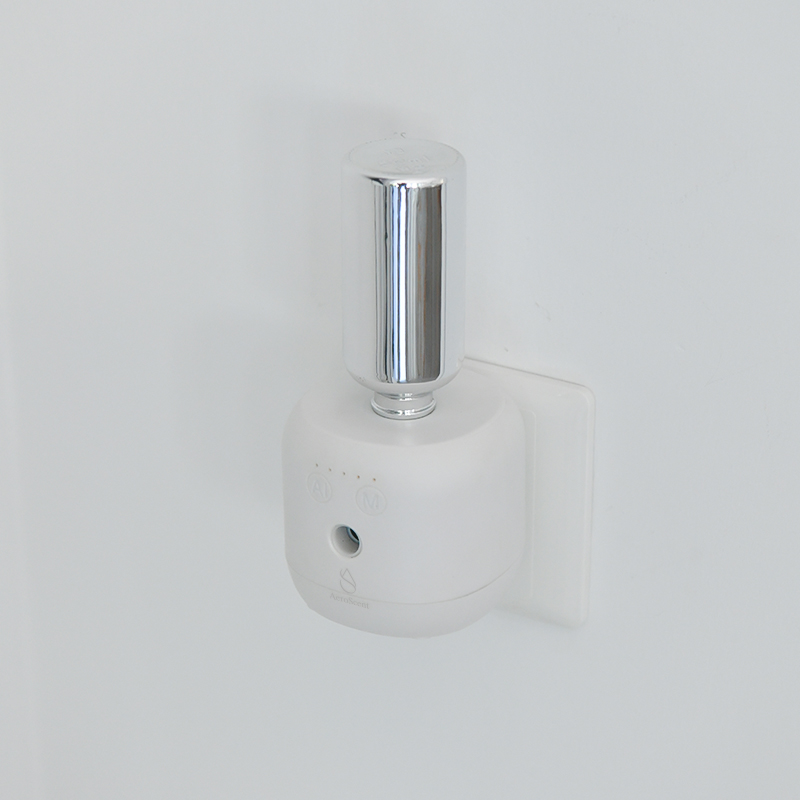
Baking soda absorbs ambient odors while slowly releasing dry-diffused essential oils as air passes over it. This dual-action approach makes it highly practical for utility spaces where odor neutralization is as important as adding fragrance. The sodium bicarbonate structure traps volatile odor molecules while the essential oil sits on the surface and slowly off-gasses.
A baseline recipe consists of 1 cup baking soda, 1/3 cup distilled water, and 25 drops of essential oil mixed into a paste or formed into solid disks using a silicone mold. Once dried for 24-48 hours, these disks can be placed in small dishes around the house.
This method offers the weakest scent throw. It is suitable only for localized odor absorption, such as inside refrigerators, trash cans, gym bags, or small drawers, and will not effectively scent a whole room. The scent usually dissipates within a week, requiring you to crush the disk and add more oil.
Oil and water do not naturally mix. Simply dropping essential oils into a spray bottle filled with water results in the oils floating on top, leading to inconsistent dispensing and potential safety hazards. The first few sprays will be pure water, and the last few will be highly concentrated essential oil.
Adding an emulsifier like witch hazel, a commercial solubilizer (like Polysorbate 20), or a small amount of high-proof alcohol is necessary. These agents prevent the essential oils from pooling at the top of the spray bottle, which can cause skin irritation or uneven spraying when the nozzle draws purely from the concentrated oil layer. Always shake the bottle vigorously before every single use, even with an emulsifier present.
Putting a few drops of essential oil on a cotton ball and placing it near air vents or clipping it to a car vent acts as a temporary, localized passive diffuser. The forced air pushes the scent into the space, though it evaporates very quickly and requires constant reapplication. It is a quick fix, not a long-term solution.
Using porous clay ornaments or raw wood blocks allows the material to absorb essential oils and slowly release them via ambient evaporation. This requires no water or electricity and serves well in small spaces like closets or car interiors. The porous nature of unglazed terracotta traps the oil deep within its structure, releasing it slowly over several days.
DIY reed diffusers max out at 50-100 square feet of coverage under optimal conditions. They rely entirely on the natural movement of air in the room. In contrast, a standard ultrasonic Essential Oil Diffuser can cover 300-500 square feet efficiently, actively pushing the scent throughout the entire space rather than relying on passive air currents. The internal fan of an electric unit forces the micro-mist upward, allowing it to catch the room's HVAC circulation and spread evenly.
DIY methods consume high volumes of essential oils—often 30% of the vessel volume—that evaporate continuously, whether you are in the room or not. This continuous drain makes passive diffusion surprisingly expensive to maintain. You are burning through expensive raw materials 24/7.
Electric models use only 5-10 drops of oil per water tank and operate on demand. You turn it on when you are in the room and turn it off when you leave. This controlled usage yields a significantly higher return on investment for expensive pure essential oils, making active diffusion much more resource-efficient over a 12-month period.
DIY setups carry risks such as spilled carrier oils damaging furniture finishes or pet toxicity from open oil containers left accessible on tables. A knocked-over reed diffuser will instantly ruin hardwood floors or electronics. Electric models require routine cleaning to prevent mold in the water tank and carry standard electrical component failure risks, but they generally enclose the oils safely during operation. Most modern electric units also feature auto-shutoff mechanisms when the water level drops, preventing overheating.
Small businesses or hospitality managers considering making their own diffusers must weigh the labor costs, liability, and inconsistent batching associated with scaling DIY methods. Hand-pouring hundreds of reed diffusers introduces significant quality control challenges, material waste, and massive labor hours. The liability of a customer spilling a poorly sealed DIY bottle is also a major concern.
Buying wholesale from an essential oil diffuser supplier eliminates these operational bottlenecks. Professional suppliers provide consistent, tested products that meet safety standards, freeing up business owners to focus on sales rather than manufacturing. Factory-sealed units guarantee performance and protect your brand reputation.
When selecting a reputable supplier, look for ISO 9001 certifications, CE marks, and RoHS compliance. Ensure they use BPA-free medical-grade plastics (like Polypropylene) for ultrasonic models, as cheap plastics will melt or degrade when exposed to highly corrosive citrus essential oils. Clear warranty terms are also mandatory.
Sourcing units with automatic shut-off features and customizable intermittent timers is critical for commercial environments. These safety mechanisms prevent overheating and allow businesses to manage scent intensity automatically throughout the day, ensuring the lobby or retail space is never overpowered by fragrance.
A: The standard ratio is 30% essential oil to 70% carrier oil. Adding a splash of high-proof alcohol (about 10% of the total volume) helps thin the mixture so it travels up the reeds more effectively.
A: Weak scent throw is usually caused by using the wrong type of reeds (bamboo instead of rattan), a carrier oil that is too thick, or failing to flip the reeds regularly. Ensure your vessel has a narrow neck to direct the scent upward.
A: Water is not recommended for reed diffusers. It causes natural rattan reeds to swell, clog, and eventually rot, which stops the wicking process and ruins the scent throw very quickly.
A: You should flip the reeds every 3 to 4 days. This exposes the saturated ends to the air, refreshing the fragrance in the room and keeping the capillary action moving.
A: Open containers of concentrated essential oils pose a significant toxicity risk to pets if knocked over or ingested. Always place passive diffusers well out of reach of animals and research which specific oils are toxic to your pets.
A: A glass or ceramic container with a narrow neck is best. The narrow opening minimizes the surface area of the liquid exposed to the air, preventing the base mixture from evaporating prematurely before it travels up the reeds.


