
Views: 0 Author: Site Editor Publish Time: 2026-07-17 Origin: Site


While operating an essential oil diffuser appears as simple as adding water and pressing a button, achieving consistent, safe, and effective aromatherapy requires a technical understanding of hardware mechanics, fluid dynamics, and correct usage protocols. Improper usage, incorrect oil-to-water ratios, and poor placement frequently lead to hardware failure, such as ultrasonic plate degradation. You might also experience inadequate scent throw, localized moisture damage on furniture, or uneven mist dispersion across your living space. Furthermore, buyers often struggle to match diffuser specifications with their actual environmental and spatial requirements, leading to underperforming units in large rooms or overwhelming scents in confined areas.
This guide breaks down the operational realities of using a diffuser. We provide a comprehensive framework for proper setup, routine maintenance, and safe oil blending. You will learn how to evaluate hardware quality to ensure long-term reliability. By following these steps, you can maximize the lifespan of your unit, prevent common mechanical failures, and enjoy optimal aromatherapy benefits without compromising indoor air quality.
To use a diffuser effectively, you must first understand how different technologies disperse oil particles into the air. The primary goal is to release these particles without destroying their chemical composition through heat. Choosing the right technology ensures you get the desired therapeutic benefits and scent coverage for your specific room dimensions.
Ultrasonic models utilize high-frequency electronic frequencies, typically around 2.4 MHz, to vibrate a small ceramic disk located under the water. This rapid vibration creates a fine mist of water and essential oils. The mist is then released into the air, providing both scent and a slight humidifying effect. This technology is highly popular for general home use because it operates quietly and uses a relatively small amount of oil per session. The added moisture can also benefit dry indoor environments during winter months.
Nebulizing units use pressurized air and a jet nozzle to break down raw essential oils into micro-particles. They do this entirely without water. This method offers much higher potency and a stronger scent throw. It is ideal for clinical-level aromatherapy in large spaces, though it consumes oil much faster. Because they do not dilute the oil, nebulizers deliver the purest aromatic experience, but they require more frequent cleaning to prevent the micro-tubes from clogging with thick resins.
These are older technologies that rely on airflow or direct heat to disperse scents. Heat can alter the oil's therapeutic properties and degrade its chemical structure. Because of this, heat diffusers are generally not recommended for premium oils. Evaporative models use a fan to blow air through a filter pad, which can separate the lighter and heavier oil components, resulting in an uneven scent profile over time.
| Diffuser Type | Mechanism | Water Required | Maintenance Level | Best Use Case |
|---|---|---|---|---|
| Ultrasonic | High-frequency vibration disk | Yes | Medium (Descaling needed) | General home use, subtle scent, added humidity |
| Nebulizing | Pressurized air and jet nozzle | No | High (Tube cleaning needed) | Large spaces, high-potency clinical aromatherapy |
| Evaporative | Fan blowing through a scented pad | No | Low (Pad replacement) | Small personal spaces, quick scent dispersion |
| Heat | Direct thermal element | No | Low | Basic scenting (alters oil chemistry) |
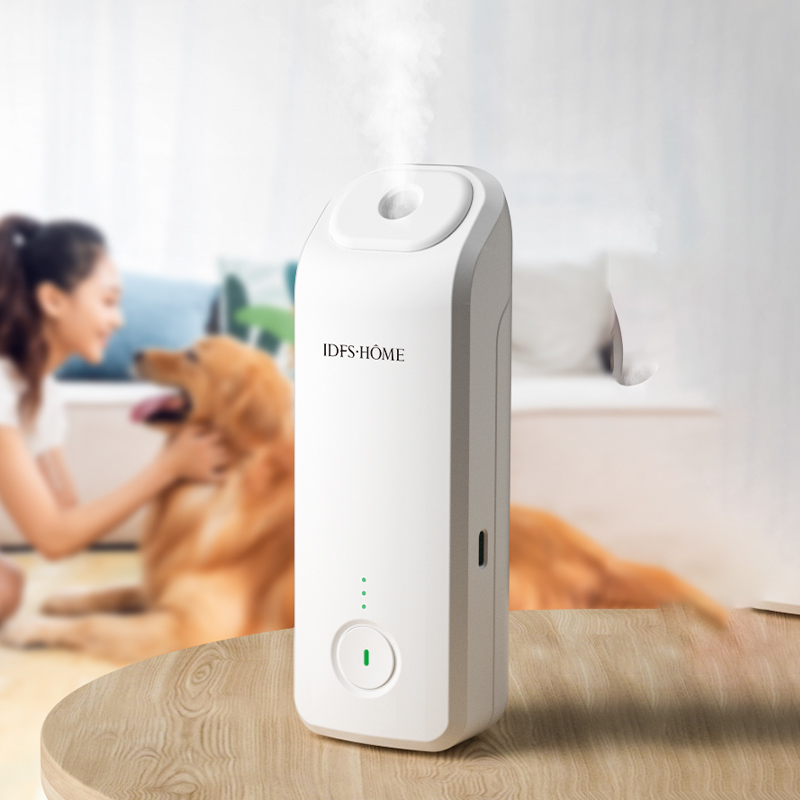
Establishing a standardized protocol for daily operation maximizes output and protects internal hardware components. Following these exact steps ensures your Essential Oil Diffuser functions perfectly every time you turn it on. Skipping these steps often leads to premature hardware failure or poor scent distribution.
Position the unit on a flat, stable, and water-resistant surface. A tray on a nightstand or side table works perfectly. Maintain a minimum height of two feet from the floor. This height allows the mist to evaporate before settling on your flooring, preventing slip hazards or warped wood. Avoid placing the unit in direct sunlight, near open windows, or under high-velocity fans that disrupt the mist plume. Keep it away from electronics and unsealed wood surfaces to prevent accidental moisture damage.
The debate between tap water and distilled water is common. Tap water contains minerals that actually aid ultrasonic vibration, but it may cause scale buildup over time. Distilled water keeps the unit clean but might slightly reduce mist output in certain models. Always use lukewarm or room-temperature water instead of freezing cold water. Cold water hinders optimal ultrasonic vibration and efficient oil dispersion.
Strictly adhere to the maximum fill line inside the reservoir. Overfilling floods the transducer and causes immediate mist output failure. If you overfill, pour out the excess water carefully, avoiding the air intake vent usually located on the side or bottom of the unit. Water entering the air intake will fry the internal circuit board.
Precision is key when adding oils. A standard baseline is 3 to 5 drops of essential oil per 100ml of water. For larger reservoirs ranging from 300ml to 500ml, adjust up to 10 to 15 drops. You must also adjust ratios based on oil viscosity. Thick base oils like vetiver or patchouli behave differently than thin top-note oils like lemon or sweet orange. Thick oils can stick to the ultrasonic plate, requiring more frequent cleaning.
Secure the internal splash guard and the outer decorative cover properly. Ensure the mist spout aligns perfectly with the outer lid opening. This alignment prevents internal condensation and subsequent water leakage down the sides of the unit. Finally, select your initial timer or choose a continuous runtime setting based on your preference. Most modern units offer 1-hour, 3-hour, or 6-hour timer settings.
Neglected diffusers quickly become breeding grounds for mold, bacteria, and mineral scale. These contaminants are then aerosolized directly into your breathing environment. Proper maintenance of your aroma diffuser mitigates these severe implementation risks and extends the hardware's operational life.
Daily maintenance is non-negotiable for clean air. Empty any residual water after every use. Wipe the reservoir completely dry with a clean microfiber cloth. Leaving stagnant water in the tank encourages bacterial growth within 24 hours. For deep cleaning, follow a strict protocol every 10 to 15 uses to descale the ultrasonic plate and remove stubborn oil residues.
Highly corrosive oils, such as citrus, clove, or cinnamon, interact poorly with low-grade plastics. Over time, these oils can melt or crack inferior reservoirs, leading to leaks and electrical hazards. Verify that your unit utilizes high-density, BPA-free polypropylene (PP) or features ceramic and glass components. Medical-grade plastics ensure long-term material safety and structural integrity, even when exposed to acidic essential oils.
Always ensure adequate room ventilation when diffusing. Allow pets an easy, open path to exit the room if the scent becomes overwhelming. Identify oils that are highly toxic to cats and dogs. Common toxic oils include tea tree, eucalyptus, pennyroyal, pine, and peppermint. Adjust your usage strictly to keep your household pets safe. If you notice your pet coughing, sneezing, or showing signs of lethargy, turn off the unit immediately and ventilate the area.
Transitioning from daily usage to purchasing criteria helps buyers looking to upgrade or purchase at scale. Knowing what hardware specifications matter most prevents buyer's remorse and ensures adequate room coverage. You must evaluate the internal components, not just the exterior design.
Match the reservoir capacity to your room's square footage. A 100ml to 150ml unit is highly suitable for personal spaces, office desks, and small bedrooms up to 150 square feet. Conversely, a 300ml to 500ml unit is required for open-concept living areas or commercial spaces exceeding 300 square feet. Using a small unit in a large room results in an undetectable scent, while using a large unit in a small room can cause headaches and excessive moisture buildup on walls.
| Reservoir Capacity | Ideal Room Size | Average Run Time | Recommended Oil Drops |
|---|---|---|---|
| 100ml - 150ml | Up to 150 sq. ft. | 3 - 5 hours | 3 - 5 drops |
| 200ml - 250ml | 150 - 250 sq. ft. | 6 - 8 hours | 6 - 8 drops |
| 300ml - 500ml | 250 - 400 sq. ft. | 10 - 14 hours | 10 - 15 drops |
| 500ml+ | 400+ sq. ft. | 15+ hours | 15 - 20 drops |
Intermittent diffusion settings are incredibly important. A setting that runs for 30 seconds on and 30 seconds off prevents olfactory fatigue and conserves your expensive oils. Additionally, auto-shutoff mechanisms serve as a non-negotiable safety feature. The unit must power down automatically when the water reservoir is depleted to prevent the ultrasonic plate from overheating and burning out.
Vetting the source is critical for white-labelers or high-end consumers. A reputable essential oil diffuser manufacturer will hold recognized certifications like CE, RoHS, and FCC. These guarantee electrical and material safety. Furthermore, evaluate their warranty terms, the availability of replacement parts like power cords and reservoir lids, and their historical defect rates. A manufacturer that uses cheap ABS plastic instead of high-grade PP will produce units that degrade rapidly under normal use.
Recognize scenarios where an electronic diffuser is impractical, restricted, or prohibited. Shared office spaces, travel situations, or highly sensitive environments often require alternative scenting methods to avoid disturbing others or violating building policies.
The facial steam bowl method is highly effective for respiratory support. Place hot water in a heat-safe bowl and add 1 to 2 drops of essential oil. Cover your head with a towel canopy and deeply inhale the steam. For a quicker method, practice direct inhalation by smelling the scent directly from the bottle or placing a single drop on a clean tissue. This provides immediate personal benefits without affecting the surrounding room.
Passive diffusion offers localized, low-impact scenting without electricity or water. You can use plain cotton balls, terracotta stones, clay pendants, or active reed diffusers. Place a few drops on the material and let natural airflow disperse the aroma slowly. This method is perfect for closets, car interiors, or small bathroom spaces where an electronic unit is unsafe or impractical.
Create custom room and linen sprays easily. Mix distilled water, high-proof alcohol or witch hazel as an emulsifier, and essential oils in a glass spray bottle. For safe topical application, always dilute essential oils using carrier oils. Jojoba, sweet almond, or fractionated coconut oil work perfectly when target skin absorption is preferred. Never apply undiluted essential oils directly to the skin, as this can cause severe sensitization and chemical burns.
Proper usage of an essential oil diffuser extends far beyond basic operation. It requires a synthesis of correct placement, precise water-to-oil ratios, structural lid alignment, and rigorous maintenance. When selecting or upgrading a unit, prioritize models with intermittent timers, medical-grade plastics, and a capacity that matches your room's square footage.
A: For a standard 100ml diffuser, use 3 to 5 drops of essential oil. For larger 300ml to 500ml diffusers, use 10 to 15 drops. Always start with fewer drops and increase based on room size and scent preference.
A: It is not recommended to run a diffuser continuously all night. Instead, use a diffuser with an intermittent timer setting or an auto-shutoff feature to prevent olfactory fatigue and over-saturation of the air.
A: A lack of mist is typically caused by overfilling the water reservoir past the max line, mineral buildup on the ultrasonic plate, or a blocked air intake vent at the bottom of the unit.
A: While many ultrasonic diffusers operate well with tap water—as the natural minerals help conduct the ultrasonic frequencies—distilled water is recommended to prevent white mineral dust and hard water scale buildup inside the reservoir.
A: You should empty and wipe out the water reservoir after every use. A deep clean using a mixture of water and white vinegar should be performed every 10 to 15 uses to remove oil residue and mineral deposits.
A: Diffusers can pose risks to pets if used in unventilated spaces or with toxic oils. Oils like tea tree, eucalyptus, and citrus are highly toxic to cats and dogs. Always consult a veterinarian before diffusing oils around pets.


