
Views: 0 Author: Site Editor Publish Time: 2026-07-10 Origin: Site


Operating an essential oil diffuser seems simple. You add water, press a button, and walk away. However, improper usage remains the leading cause of hardware failure, weak scent throw, and environmental damage. Consumers and commercial buyers frequently experience diminished aromatic returns. They deal with clogged ultrasonic plates or complete unit breakdowns. These issues stem directly from incorrect placement, poor maintenance, or investing in substandard manufacturing. Understanding the mechanical requirements of your specific unit prevents these common pitfalls. This guide breaks down the technical mechanics of aromatic dispersion. We cover evidence-based setup protocols and the hardware evaluation criteria required to maximize the lifespan and efficacy of your device. By applying these operational standards, you ensure consistent scent distribution while protecting internal components from premature degradation.
Failing to understand how a specific aroma diffuser operates leads to incorrect oil-to-water ratios and rapid device degradation. Different technologies require completely different operational protocols. Pouring water into a nebulizer destroys the motor. Running an ultrasonic unit without water triggers thermal overload. Recognizing the physical mechanics inside the chassis dictates how you prepare, run, and maintain the equipment.
The market relies on two distinct technologies for aromatic dispersion, alongside older evaporative methods. Each serves a specific spatial requirement and utilizes different physical principles. You must match the technology to your environmental needs.
| Technology Type | Operating Principle | Water Required? | Best Application |
|---|---|---|---|
| Ultrasonic | High-frequency vibration | Yes | Bedrooms, standard living areas, adding slight humidity |
| Nebulizing | Pressurized air / Vacuum | No | Large open spaces, high-concentration requirements |
| Evaporative | Airflow or low heat | No | Small, localized areas like desks or vehicles |
Evaluating the medical and therapeutic efficacy of automated ambient misting compared to manual methods reveals distinct advantages. Direct bottle inhalation or dilution in topical carrier oils provides immediate, localized exposure. Ambient dispersion alters the environmental baseline of an entire room. A high-quality physical diffuser provides a safer, more consistent, and measurable concentration of micro-particles in residential and commercial spaces. It prevents the localized skin sensitization risks associated with topical application. The aromatic molecules remain suspended in the air for extended periods, providing continuous exposure without manual intervention.
The internal components of your device dictate its longevity. Assessing the durability of these parts is a primary step in hardware evaluation. Ultrasonic plates manufactured from high-grade ceramic resist mineral scaling better than cheap metal alternatives. The external and internal chassis materials matter immensely. Highly concentrated citrus oils, such as lemon or bergamot, contain naturally caustic compounds. These compounds degrade standard plastics over time. You must prioritize corrosion-resistant materials. Medical-grade PP/ABS plastics, tempered glass, or treated wood offer necessary protection when exposing the unit to pure essential oils daily.
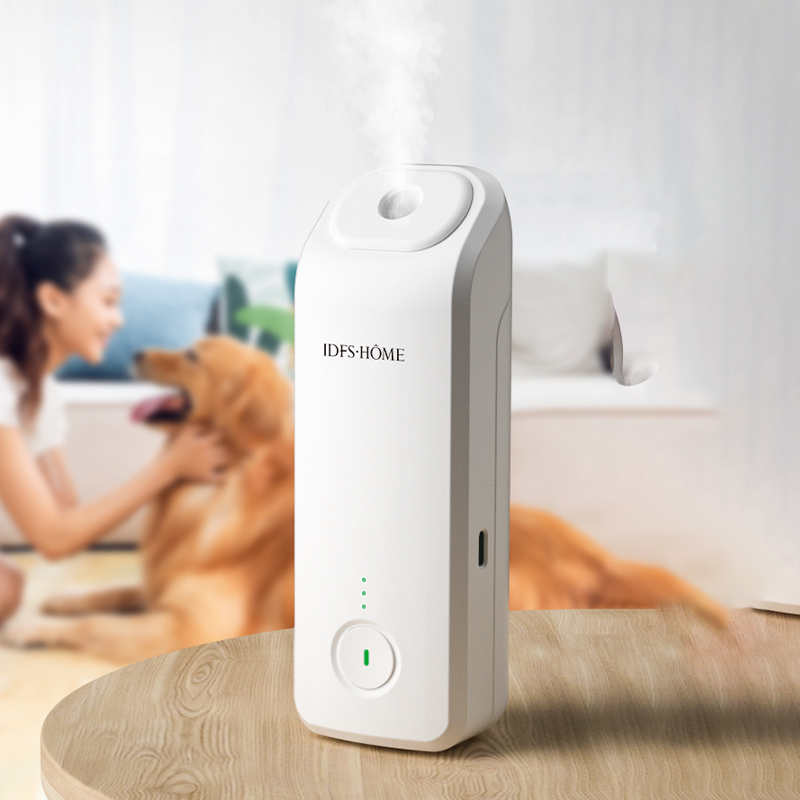
Strategic placement dictates the efficiency of the scent throw and protects the surrounding environment from moisture damage. Simply plugging the unit into the nearest outlet often results in localized condensation. You might damage furniture or notice a scent that fails to reach the opposite side of the room. Implementation realities require a calculated approach to spatial dynamics.
Effective dispersion relies on room physics. The mist needs time and space to evaporate into the ambient air before gravity pulls the heavier water particles to the ground. Poor placement guarantees poor performance.
Managing the physical footprint of the device ensures operational safety. Proximity to power sources must be handled carefully. Ensure cords are untangled, completely dry, and routed to prevent accidental tripping or tipping of the water-filled reservoir. Keep the unit away from HVAC vents, open windows, and direct sunlight. Drafts blow the mist directly out of the room. UV rays from direct sunlight rapidly degrade the chemical integrity of the essential oils floating in the reservoir. Maintain a strict perimeter. Keep units away from sensitive electronics, unsealed wood furniture, and entirely out of reach of pets and children to prevent accidental spills or ingestion.
Executing the setup process correctly ensures consistent aromatic output and prevents hardware malfunctions. The interaction between water temperature, fluid levels, and oil viscosity directly impacts the performance of the ultrasonic oscillator. You must control these variables.
The temperature of the water poured into the reservoir changes the initial misting output. Using room-temperature or lukewarm water is highly recommended over cold water. Lukewarm water allows for more efficient ultrasonic vibration and immediate mist generation. Overly cold water forces the ceramic disk to work harder. This often delays vaporization until the ambient temperature warms the reservoir.
When choosing between tap water and distilled water, always evaluate the specific manufacturer guidelines. Many modern ultrasonic models require the natural minerals found in standard tap water to trigger their internal water-level sensors. Conversely, other units demand distilled water to prevent hard mineral scale buildup on the oscillation plate. Regardless of the water type, strict adherence to the maximum fill line is mandatory. Overfilling drowns the ultrasonic plate. It leaves the plate without the necessary spatial clearance to agitate the water into a mist.
Dumping unmeasured amounts of oil into the water reservoir leads to overpowering scents, headaches, and clogged hardware. Precision is required for optimal performance. Different oils behave differently in water.
| Oil Viscosity Type | Examples | Recommended Drops (per 100ml) | Hardware Impact Risk |
|---|---|---|---|
| Low (Thin) | Lemon, Sweet Orange, Peppermint | 4 to 6 drops | Low risk of clogging; evaporates quickly |
| Medium | Lavender, Rosemary, Tea Tree | 3 to 5 drops | Standard operation; moderate residue |
| High (Thick/Resinous) | Vetiver, Sandalwood, Patchouli | 1 to 2 drops | High risk of clogging ultrasonic plates |
Modify your drop counts for thicker, resinous oils. These dense liquids easily clog standard ultrasonic units if overused. Reduce the drop count by half when utilizing high-viscosity oils. When layering top, middle, and base notes in the reservoir, add the heaviest base notes first. Follow this with the lighter citrus or floral top notes. This prevents physical separation in the water and ensures an even draw across the oscillator.
Neglecting maintenance is the primary cause of premature device failure and compromised indoor air quality. Stagnant water breeds bacteria. Residual oil hardens into a corrosive sludge that permanently binds to the ultrasonic chip. You must implement strict cleaning routines.
Establishing a rigid cleaning protocol extends the hardware lifecycle significantly. Daily maintenance requires minimal effort but yields maximum protection. After shutting off the unit, empty any residual water immediately. Wipe the inside of the reservoir with a clean microfiber cloth. Leave the lid off to allow it to air dry, effectively preventing microbial growth.
Deep cleaning should occur bi-weekly. Follow these exact steps to protect the hardware:
When the unit stops functioning correctly, systematic troubleshooting isolates the mechanical fault. Do not immediately discard the unit. Most issues are easily resolved through basic maintenance.
Understanding how to assess the market is necessary when upgrading a personal unit or sourcing at scale for retail distribution. The internal components and factory quality control dictate the end-user experience. You must look beyond exterior aesthetics.
Basic continuous misting is no longer the industry standard. Modern hardware incorporates specific features designed to optimize oil usage and enhance safety. Look for intermittent mist settings, such as cycles that run 30 seconds on and 30 seconds off. This prevents olfactory fatigue and conserves expensive essential oils. Auto-shutoff mechanisms, driven by waterless detection sensors, are mandatory for fire and electrical safety. Adjustable LED lighting and programmable timer functionalities offer necessary environmental control for nighttime operation.
For commercial purchasers, private labelers, and bulk buyers, vetting an essential oil diffuser factory requires strict due diligence. Do not rely solely on aesthetic prototypes. Verify their OEM/ODM engineering capabilities and demand proof of ISO 9001 compliance. Rigorous QA/QC testing documentation for continuous run-times and electrical load balancing separates premium manufacturers from low-tier assemblers. Assess their supply chain transparency, the origin of their plastics, and the structural warranty support they provide for bulk orders. Request detailed specification sheets for the ultrasonic plates used in their models.
Using an essential oil diffuser effectively requires a balance of proper spatial placement, precise fluid ratios, and strict adherence to maintenance protocols. Bypassing these operational standards results in wasted oils, damaged furniture, and broken hardware. When evaluating a new purchase, prioritize units equipped with intermittent timers, waterless auto-shutoff sensors, and high-quality, corrosion-resistant reservoirs. Commercial buyers must prioritize factory certifications and material safety over bottom-line pricing to ensure long-term reliability.
A: A standard rule of thumb is 3 to 5 drops of essential oil per 100ml of water. Adjust based on the room size and the specific viscosity and strength of the oil. Thicker oils require fewer drops to prevent clogging.
A: Place the diffuser near the center of the room, on a flat, water-resistant surface at least two feet above the floor. Avoid placing it directly under HVAC vents, low-hanging overhead cabinets, or next to sensitive electronics.
A: It is generally not recommended to run a diffuser continuously all night. Use a diffuser with an intermittent setting or a timer that shuts off after 1 to 2 hours to prevent olfactory fatigue and over-humidification of the bedroom.
A: Check your manufacturer's instructions. Many modern ultrasonic diffusers require tap water because the natural minerals help the internal sensors detect the water level, while others recommend distilled water to prevent mineral buildup on the plate.
A: Lukewarm water is ideal for ultrasonic diffusers. Room-temperature or lukewarm water allows the ultrasonic plate to vibrate at its optimal frequency for immediate misting, whereas cold water can reduce initial mist output until it warms up.
A: The most common reasons for a lack of mist are overfilling the water reservoir past the max line, a buildup of oil residue and mineral scale on the ultrasonic plate, or a blocked air intake at the bottom of the unit.
A: Empty residual water and wipe the tank daily. Perform a deep clean bi-weekly by running a cycle with water and a teaspoon of white vinegar, followed by gently swabbing the ultrasonic chip with rubbing alcohol.


